 Free shipping on orders over £29,85
  Shipping Tracking!


 Google
 Facebook
How to use resin for bricks?
A step-by-step guide to sealing and upgrading brickwork
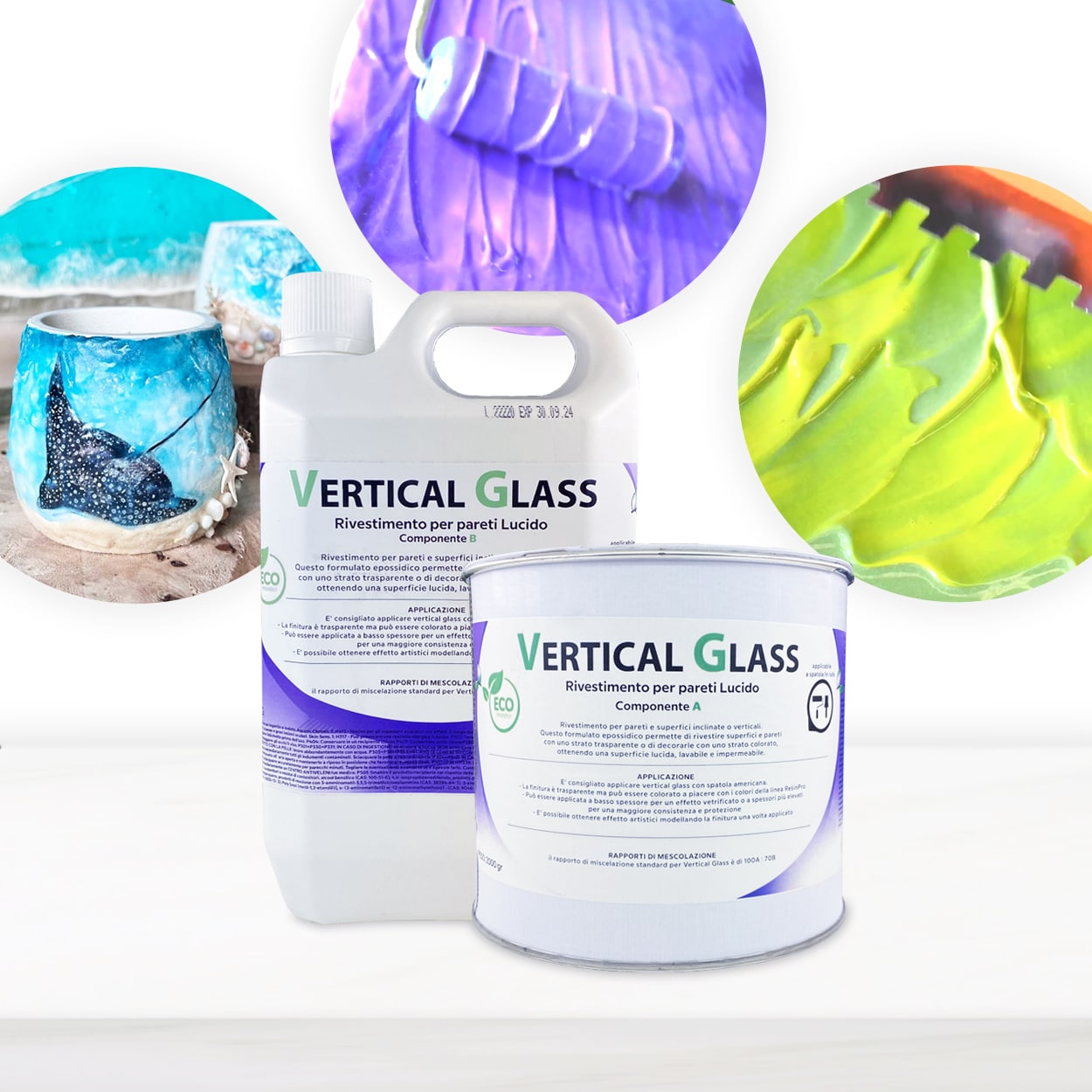
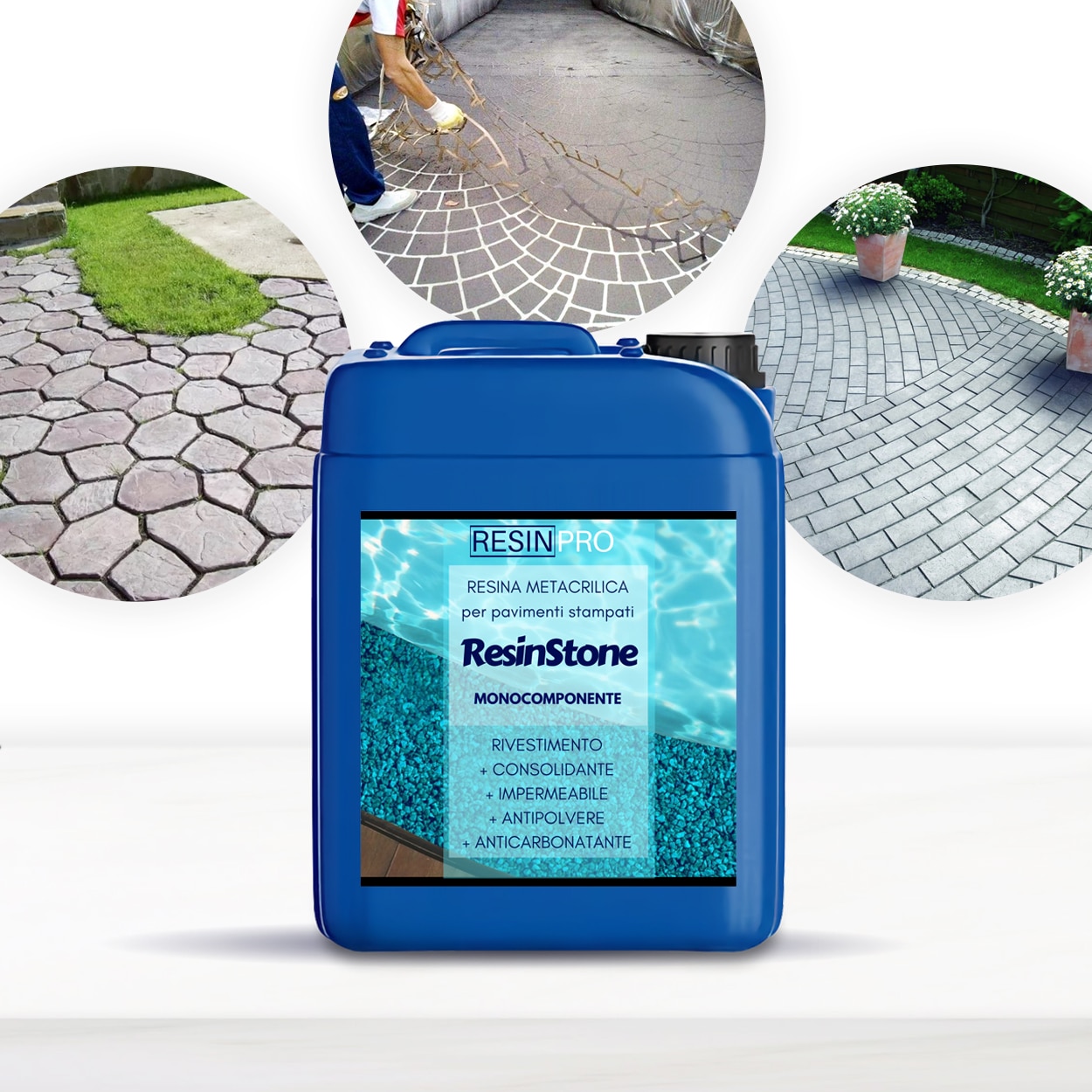
Resin can transform and protect brick surfaces by sealing, waterproofing, and adding a decorative finish. Whether refreshing exposed brick walls, upgrading patios, or seeking greater durability in driveways, this guide covers every step needed for perfect results.

What You’ll Need
- “Vertical Glass” – Thick Resin Decorative Wall Coating: Epoxy resin for interior decorative and waterproof wall finishes on bricks.
- “Resinstone” – One-Component Methacrylic Resin for Concrete Floors and Driveways: Methacrylic resin for sealing and protecting concrete or masonry floors in driveways and patios.
- “Flowstone” – Complete Permeable Floor Kit with Pebbles and Resin: Use for decorative, permeable resin finishes in outdoor areas.
- “Trasparente” – Epoxy Binder for Coloured Pebbles and Grits: For binding decorative pebbles on brick or masonry surfaces.
- Protective gloves and goggles
- Surface preparation materials (mild detergent, brush)
- Spatula or roller
- Painter’s tape (for masking edges)
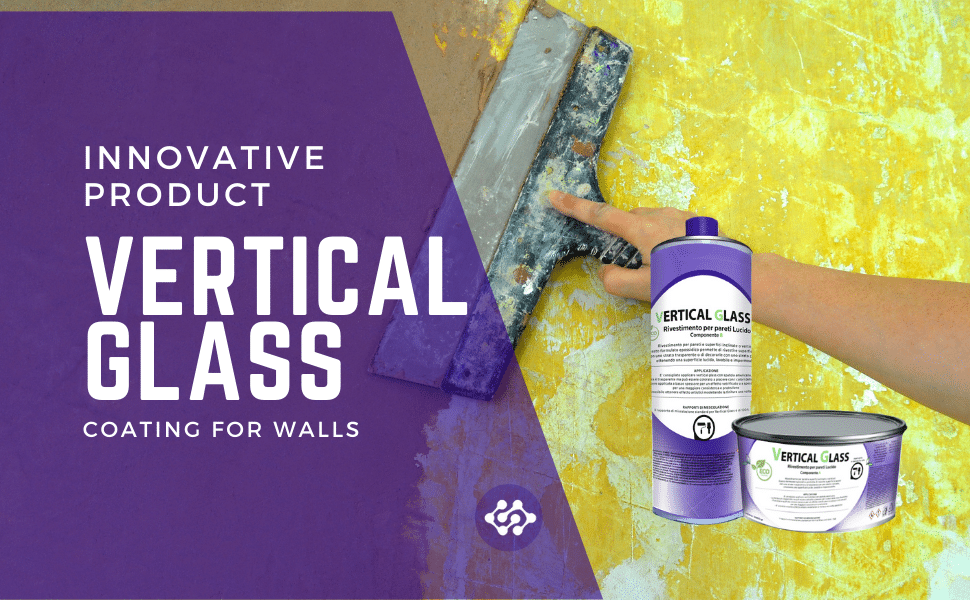
Visualising Key Resin Applications on Brick
See how resin transforms brick surfaces from ordinary to extraordinary. Explore close-ups of finished brick walls, patios, and paths sealed with resin for both protection and style. Notice the enhanced colour depth and sleek, easy-to-clean finish that resin brings to traditional masonry.
Step 1: Prepare the Brick Surface
Thorough preparation is vital for a lasting resin finish. Begin by cleaning the bricks to remove dust, loose mortar, algae, or grease using a mild detergent and a stiff brush. Rinse the area thoroughly and allow the bricks to dry completely—trapped moisture can cause issues with adhesion or clarity.
Inspect for cracks or damaged areas, repairing if necessary. Mask off adjacent surfaces with painter’s tape to avoid accidental resin application.


Step 2: Choose the Right Resin System
Select a resin tailored to your intended use and brick surface. For decorative or waterproof wall coatings indoors, an epoxy resin formulated for vertical applications is recommended. Driveways and patios require a UV- and weather-resistant resin suitable for horizontal masonry or bricks. For creative finishes, you might want a product that can be tinted or combined with aggregates for a permeable effect.
Always consult the manufacturer’s instructions and check curing requirements for your chosen product.
Step 3: Apply the Resin to Bricks
Mix the resin according to its directions, ensuring thorough blending to achieve the right consistency and effectiveness. Use a spatula or roller for full coverage, working from top to bottom for vertical areas. Aim for a thin, even application to prevent runs or pooling, especially on textured or uneven bricks.
For interior decorative coatings, an epoxy resin such as “Vertical Glass” – Thick Resin Decorative Wall Coating is ideal, allowing for pigment tinting and creative effects.
For driveways or patios, consider “Resinstone” – One-Component Methacrylic Resin to seal and protect, or the “Flowstone” Kit if installing a new permeable surface with decorative aggregates.

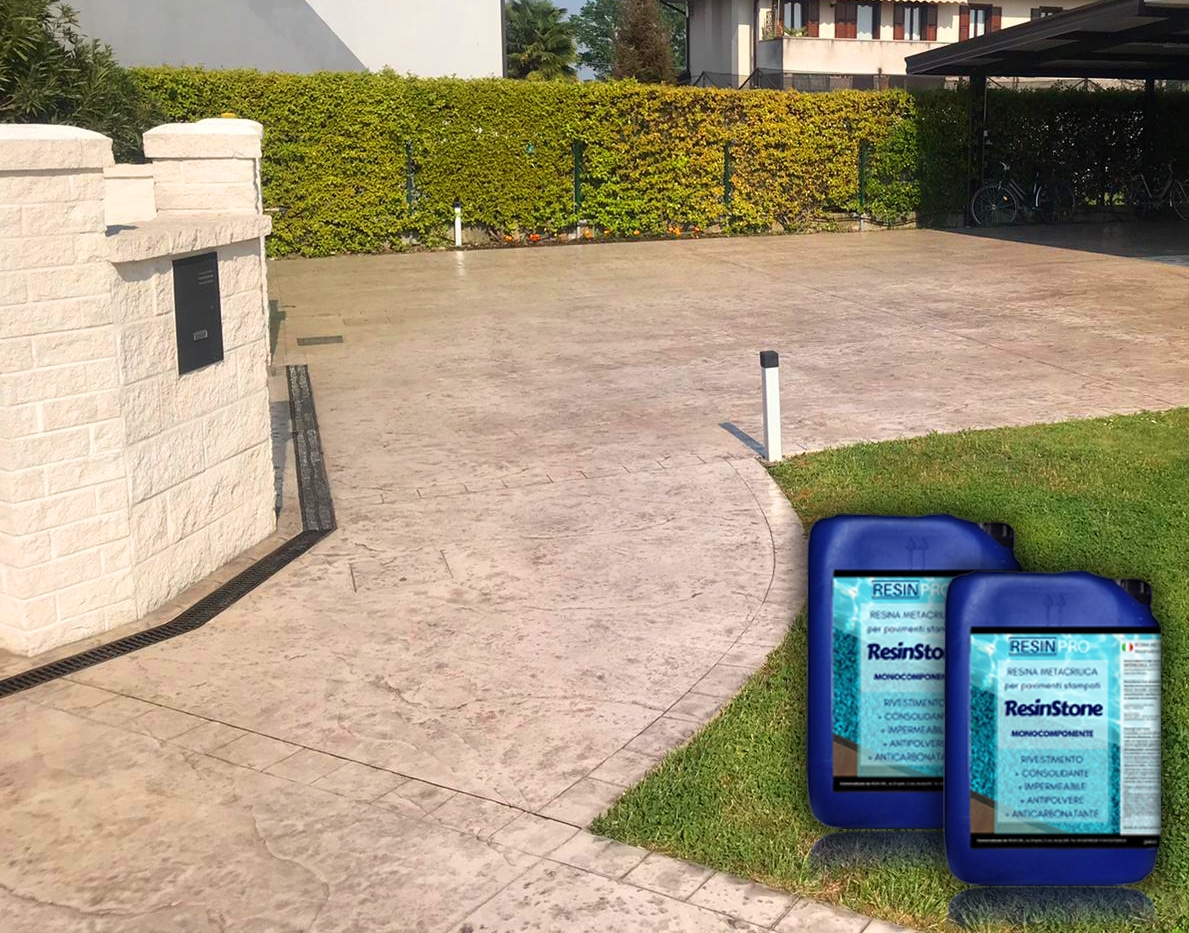
Step 4: Curing and Finishing
Allow the resin to cure undisturbed. Curing times vary, but maintaining a dust-free, protected area is crucial for best results. Ensure ambient temperatures fall within the recommendations and avoid exposing the surface to rain or high humidity during the curing phase. Many products can be sanded after full cure if a satin finish or further layers are desired.
If using products like the “Flowstone” kit or “Trasparente” binder, closely follow mixing ratios and mixing-in-aggregate instructions to ensure structural integrity.
Tips, Common Mistakes, and Troubleshooting
- Always test a small area before full application to check adhesion and appearance.
- Apply when bricks are completely dry—moisture is a main cause of poor curing or cloudiness.
- Avoid resin drips or bubbles by working steadily and not overbrushing or oversaturating.
- Check product suitability for indoor or outdoor use. Not all resins are UV-stable or suitable for exposed masonry without additional protection.
- Keep resin mixed gently to minimise trapped air.
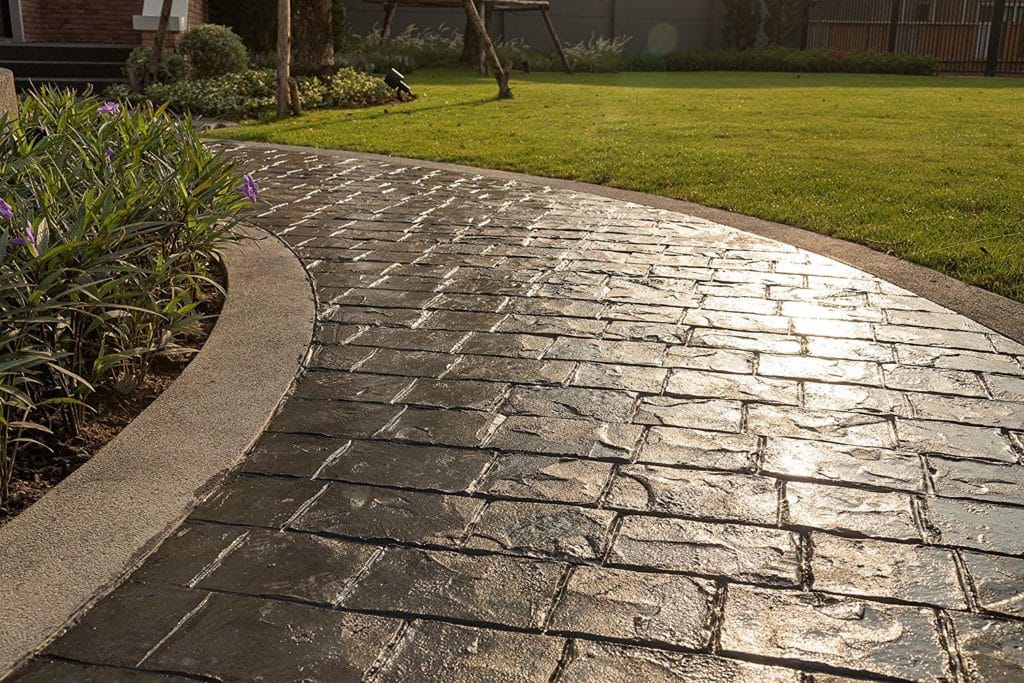
Practical Demonstrations and Results
Practical footage shows each technique step-by-step. Follow the visual process from initial cleaning through application to final curing, including details on spreading, achieving smooth coverage, and avoiding common issues like runs or clouding.
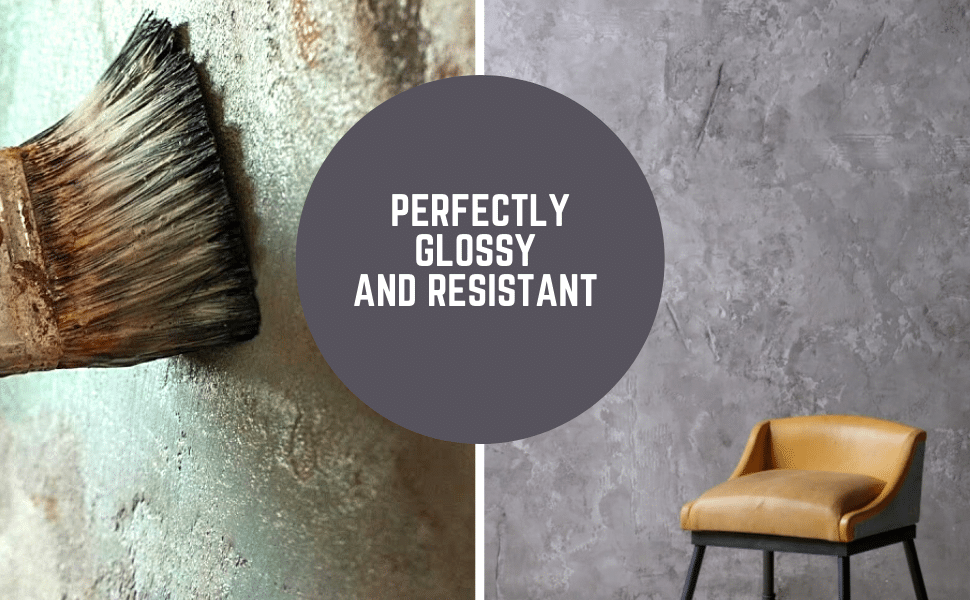
- "Vertical Glass" – Thick Resin Decorative Wall CoatingPrice range: £78.95 through £188.95"Vertical Glass" offers a durable, customisable epoxy coating suitable for vertical and sloping surfaces including bricks.
- "Resinstone" – One-Component Methacrylic Resin for Concrete Floors and DrivewaysPrice range: £36.71 through £336.48"Resinstone" is a methacrylic resin designed for sealing and protecting concrete floors with durable, breathable, and quick-drying qualities.
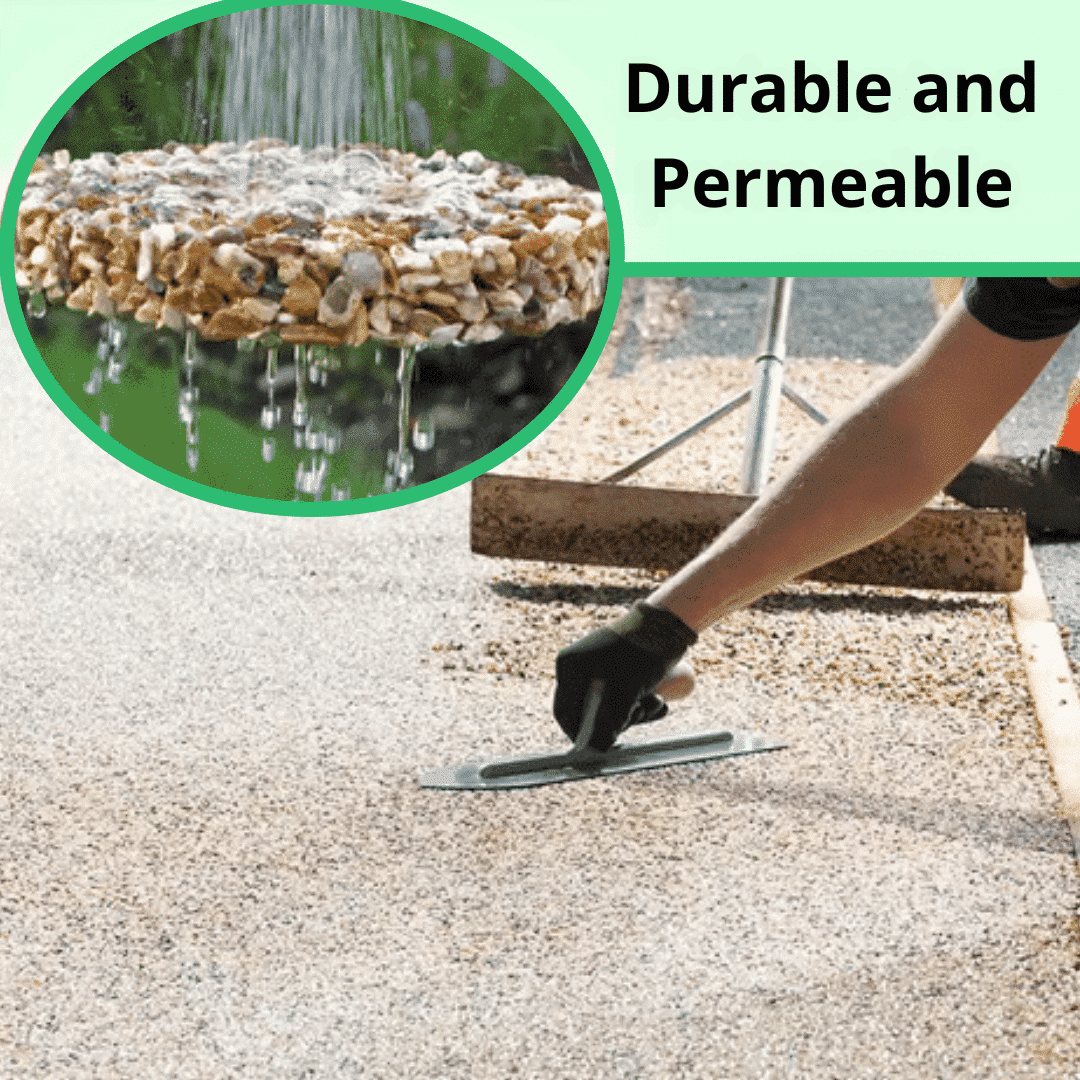 "Flowstone" – Complete Permeable Floor Kit with Pebbles and ResinPrice range: £49.95 through £3,915.45"Flowstone" kit provides a durable, permeable pebble and resin flooring system with simple application suitable for driveways, footpaths and patios.
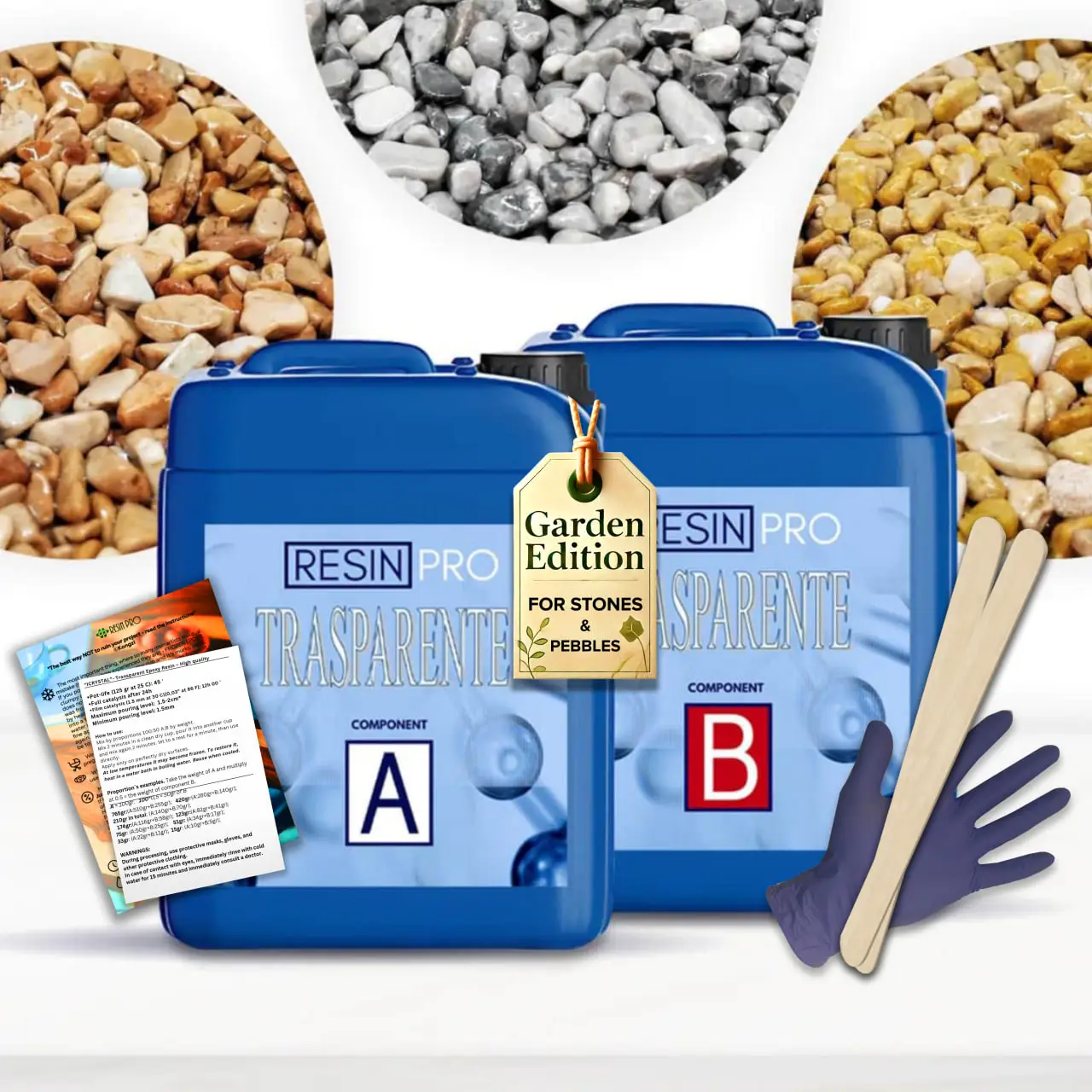 "Trasparente" – Epoxy Binder for Coloured Pebbles and GritsPrice range: £33.45 through £397.95"Trasparente" epoxy binder delivers a clear, UV-stable finish suitable for coloured pebbles with low viscosity for effective impregnation.
Frequently Asked Questions
Can resin be used on exterior brickwork?
Yes, but choose a resin suitable for outdoor use and confirm it is UV and weather resistant before application.
How long does resin take to cure on bricks?
Curing times vary by product, but most resins become touch-dry within 10–24 hours and reach full hardness after a few days.
What surface preparation is needed for resin on bricks?
Thorough cleaning, drying, and repairing of cracks are essential before applying resin to bricks.
Can I use decorative pigments in resin applied to bricks?
Many resins accept pigments, allowing for custom colours or effects. Always use compatible pigment types for your resin system.
Will resin stop bricks from breathing?
Some resins seal bricks but others remain breathable. Check the technical details to select the right type.
Is resin a suitable waterproofing method for bricks?
Resin can provide a waterproof layer, but ensure the resin meets water resistance and flexibility requirements for your situation.