 Free shipping on orders over £29,85
  Shipping Tracking!


 Google
 Facebook
How do you restore the old resin on the terrace?
Step-by-step guide for renewing and protecting terrace resin surfaces
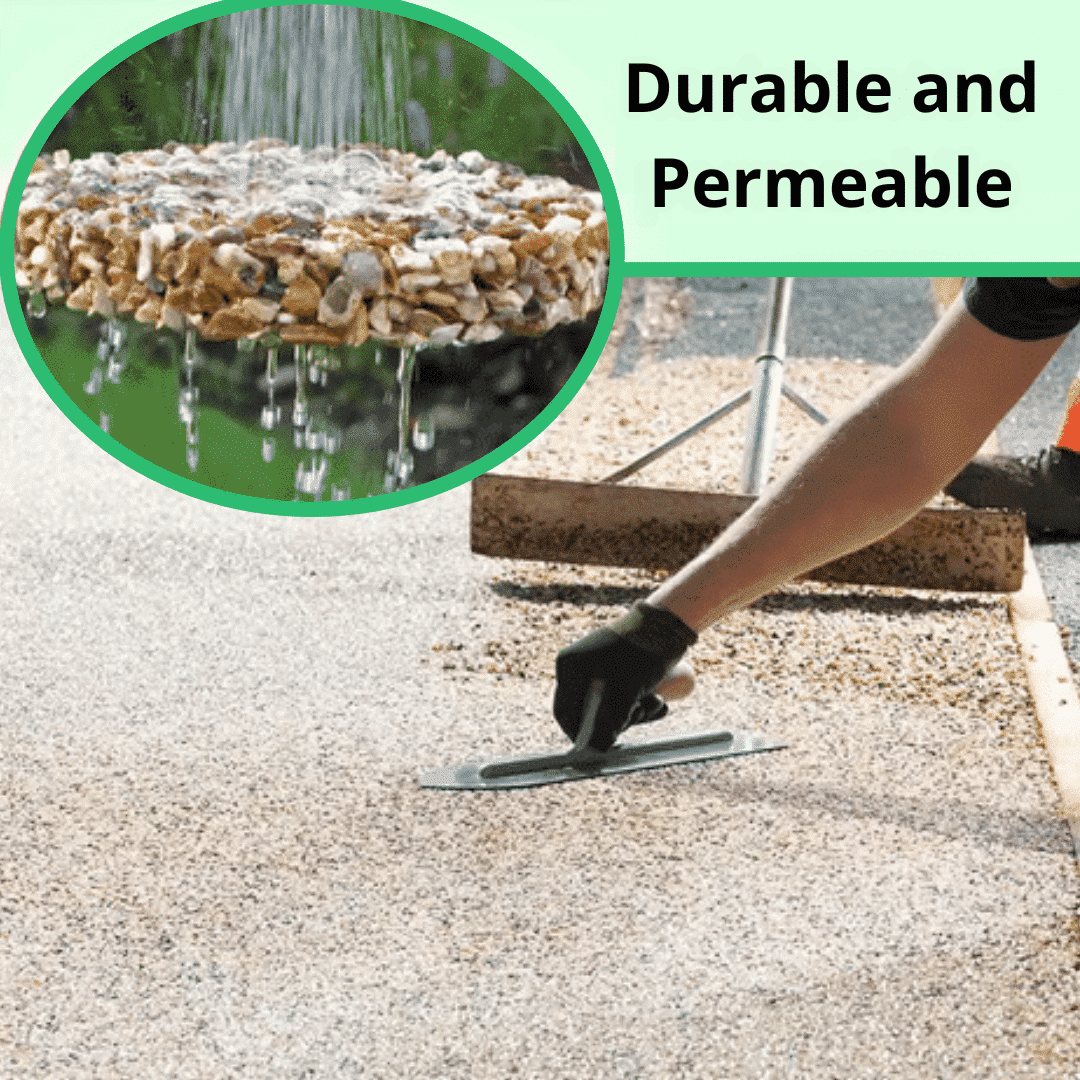
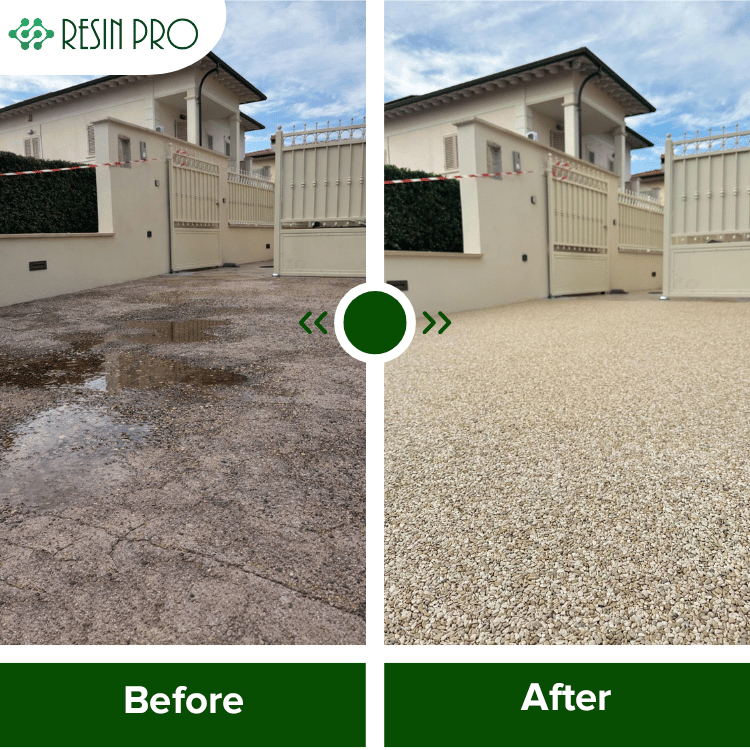
Restoring the old resin on your terrace can transform a tired, weathered surface into an attractive and long-lasting outdoor area. Whether your terrace features aggregate stones embedded in resin or a sealed concrete base, this guide will walk you through every step—from preparation to finishing touches. With the right process, you can significantly boost both the durability and the appearance of your outdoor space.
What You’ll Need
- “Flowstone” – Complete Permeable Floor Kit with Pebbles and Resin: A comprehensive kit for renewing pebble and resin surfaces where drainage matters.
- “Trasparente” – Epoxy Binder for Coloured Pebbles and Grits: Suited for coloured or darker aggregates on decorative floors.
- “Polirock” – Polyurethane Binder for White Stones, 2kg Two-Component Kit: The ideal choice for white/natural aggregates needing no-yellowing, UV-resistant finish.
- “Resinstone” – One-Component Methacrylic Resin for Concrete Floors and Driveways: For waterproofing and protecting concrete-based surfaces.
- Protective gloves, mixing buckets, clean water, sturdy broom or jet washer, masking tape, finishing trowel (if resurfacing).
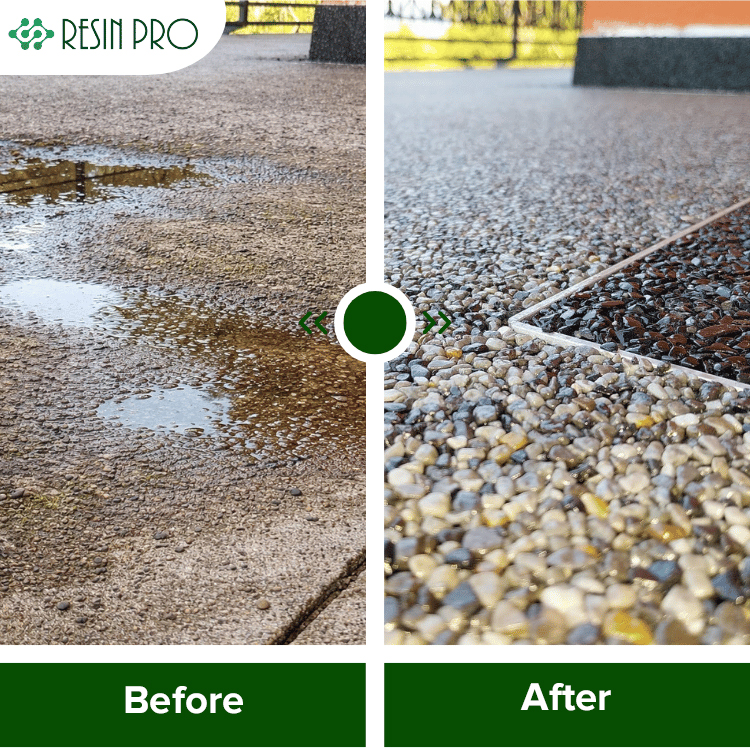
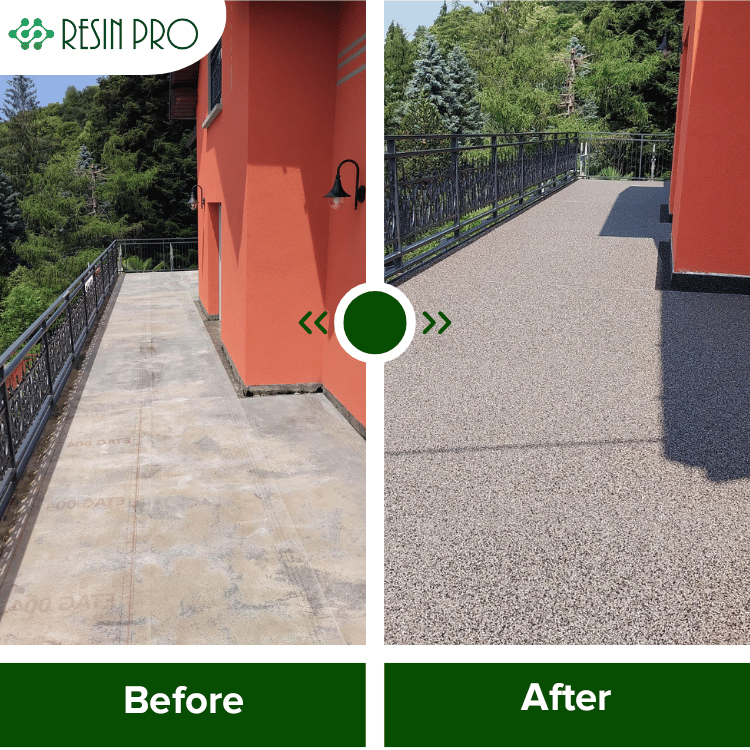
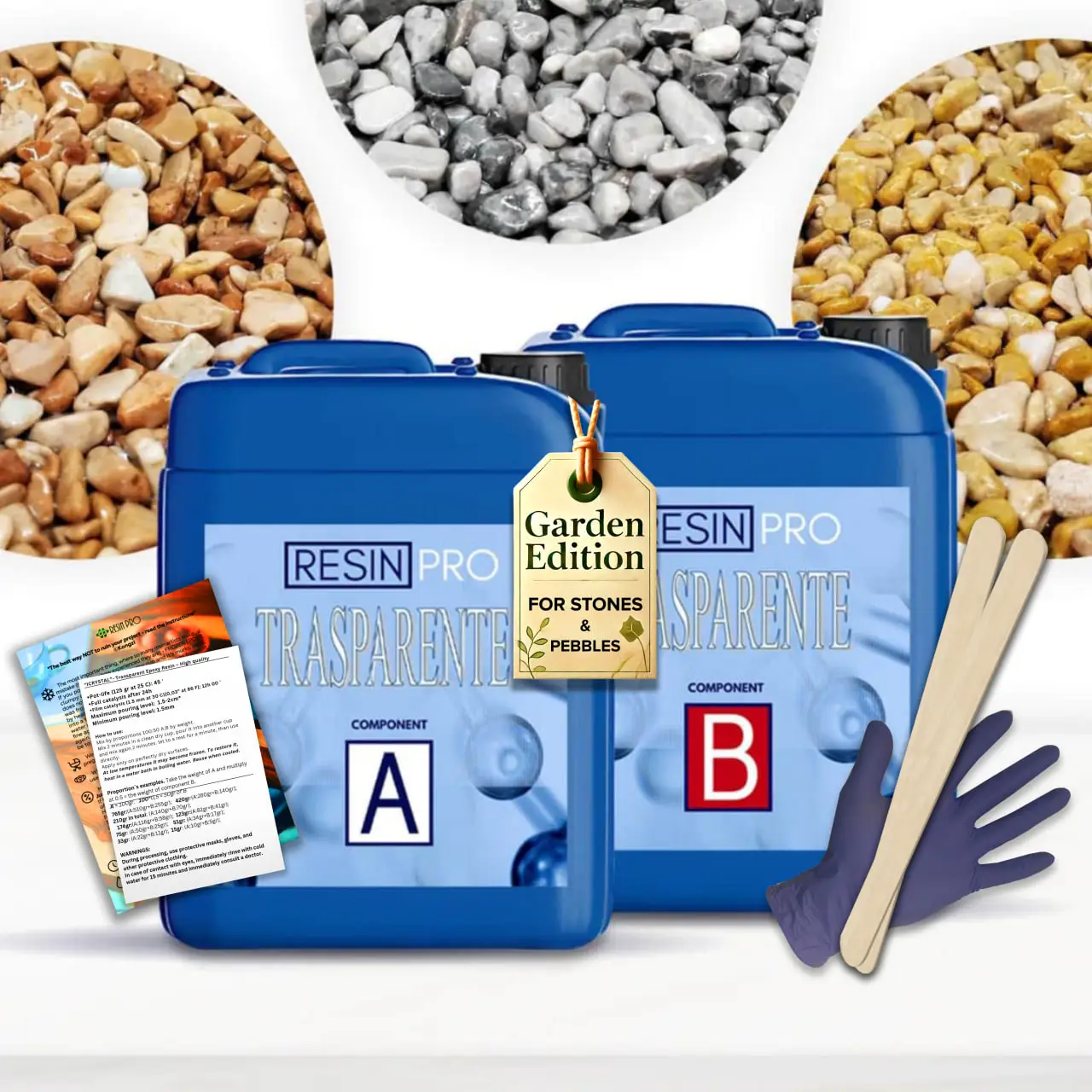
See the Transformation: Real Terrace Restorations
View before and after photos from customers who have revived their terraces using our resin systems. Notice the improved colour vibrancy and uniform finish that high-quality restoration provides. Every project features practical steps outlined in our guide for reliable, lasting results.
Step 1: Assess and Clean the Existing Surface
Begin by carefully assessing your terrace. Identify areas where resin is cracked, faded, or where there is loose gravel or sections of discolouration. Cleaning is essential: clear away debris, moss, dust, and any organic matter using a jet washer or firm broom. Allow the surface to dry thoroughly before proceeding to ensure good adhesion and to avoid trapping moisture within subsequent layers.
Always work in dry, mild weather to ensure proper curing and lasting results.

Step 2: Repair Damaged or Loose Areas
For terraces finished with aggregate stones, check for any loose pebbles or stones. Gently lift any unstable sections, then mix the appropriate resin binder with fresh or reclaimed aggregate according to product instructions. Restore these patches, pressing the mix firmly into place for a consistent surface. For concrete-based terraces, scrape away any flaking areas and sand smooth if needed prior to repairs. Let repairs dry before moving forwards.
“Trasparente” – Epoxy Binder for Coloured Pebbles and Grits is best suited for repairs involving coloured stones or decorative grits.
Step 3: Reseal or Recoat the Terrace
Once the terrace is clean and repairs are dry, it is time to restore the surface’s protective layer. For resin-bound pebble finishes, prepare your chosen binder (epoxy or polyurethane) as directed and apply evenly, ensuring even coverage and optimal binding. Mask any edges to prevent overflow onto adjoining surfaces. On concrete terraces, use a roller or brush to apply the sealing resin smoothly, working in sections for uniformity.
To keep white aggregates bright and clear, use “Polirock” – Polyurethane Binder for White Stones, 2kg Two-Component Kit for a no-yellowing, UV-resistant finish. If you’re resealing plain or decorative concrete, “Resinstone” – One-Component Methacrylic Resin for Concrete Floors and Driveways provides enhanced protection.


Step 4: Allow to Cure and Finish With Care
Let the new resin application cure fully as specified on your product’s label—typically light foot traffic is possible after around 10–12 hours, with full cure and durability reached within 24–48 hours. Avoid moving furniture or heavy objects back onto the terrace before the surface is completely hard. Remove all masking tape while the resin is still slightly tacky to ensure crisp edges.
Thoroughly clean and degrease before work for best results.
Tips to Ensure a Long-Lasting Restoration
Successful terrace resin restorations rely on good preparation and attentive application. Allow previous layers to dry fully to avoid moisture issues and surface defects. Do not apply resin under 10°C, as low temperatures risk poor curing. Sweep regularly and wash your terrace with mild detergent to preserve the finish. Never pour binder over loose gravel—always mix thoroughly before laying. Test a small area first whenever using a new binder or technique, especially if unsure of substrate compatibility.

Expert Advice for Every Resin Terrace Project
ResinPro specialists answer your terrace restoration questions. Whether you have a pebble-bound or concrete deck, our team can help you select the right binder and troubleshoot any on-site issues. Browse our Pebble Floors and Resin Solutions for more inspiration.
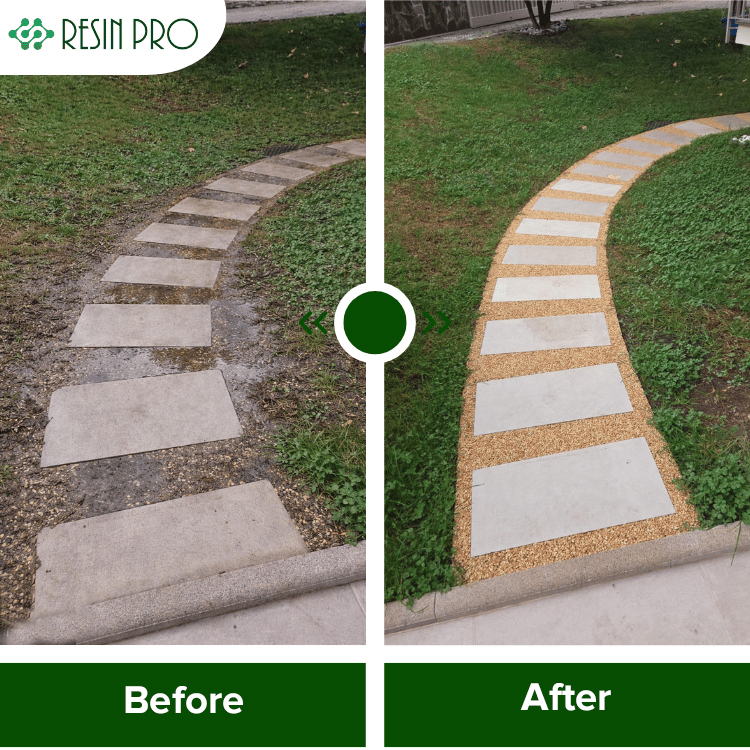
- "Flowstone" – Complete Permeable Floor Kit with Pebbles and ResinPrice range: £49.95 through £3,915.45Flowstone kit provides a durable and permeable pebble and resin flooring system for outdoor spaces with simple application and customisable colours.
- "Trasparente" – Epoxy Binder for Coloured Pebbles and GritsPrice range: £33.45 through £397.95"Trasparente" is a transparent epoxy binder designed for coloured pebbles and grits, providing a clear, UV-resistant finish for decorative flooring.
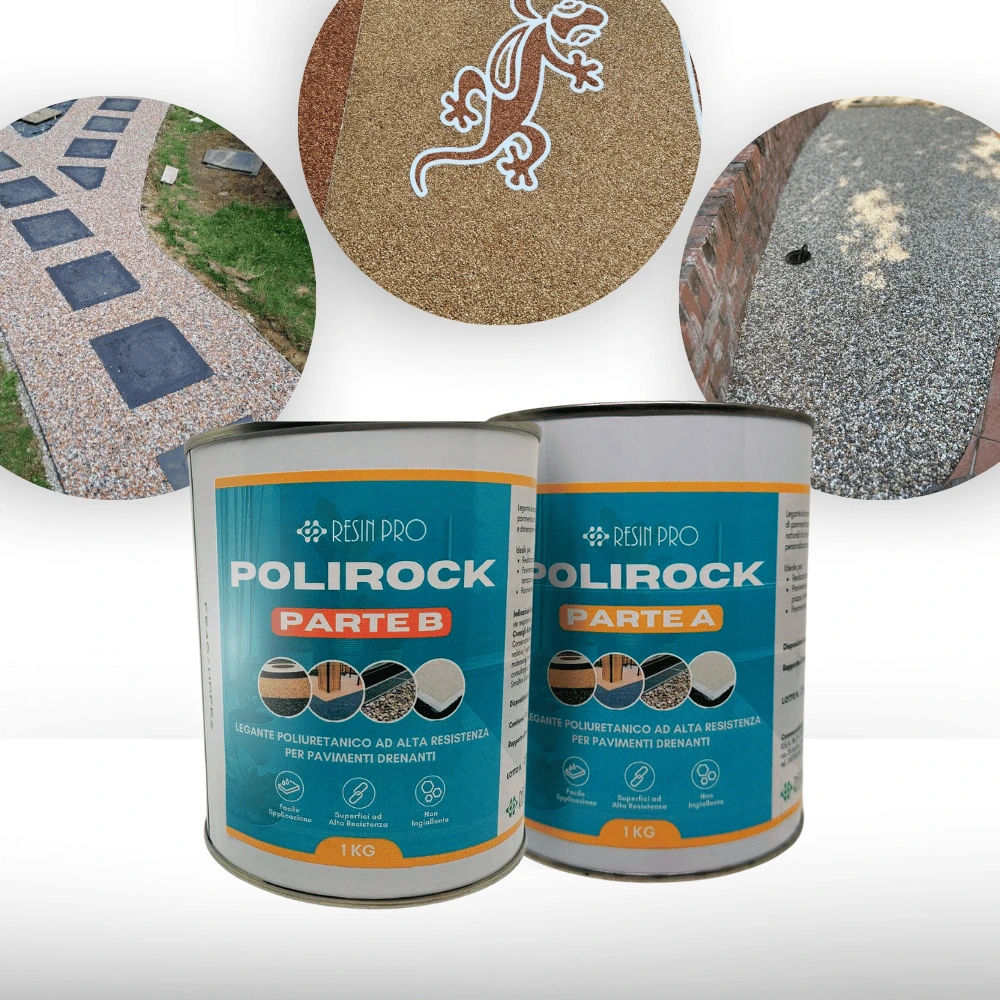 "Polirock" – Polyurethane Binder for White Stones, 2kg Two-Component Kit£61.95POLIROCK is a two-component polyurethane binder designed for creating decorative, durable outdoor white stone surfaces.
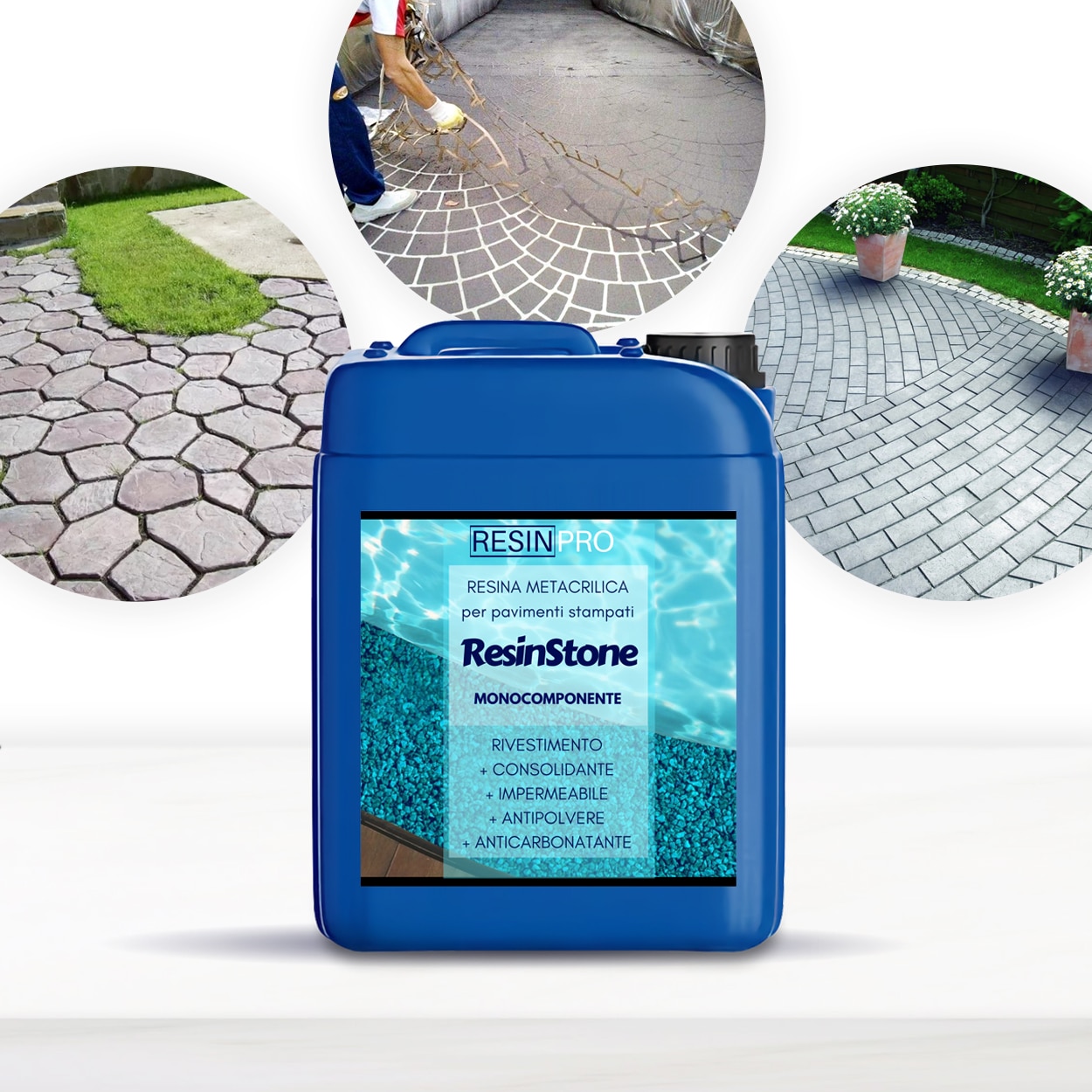 "Resinstone" – One-Component Methacrylic Resin for Concrete Floors and DrivewaysPrice range: £36.71 through £336.48Resinstone is a one-component methacrylic resin designed for sealing and protecting concrete floors with durable, breathable, waterproof protection.
Frequently Asked Questions
How long does terrace resin restoration take before the area can be used?
Light foot traffic is usually possible after 10–12 hours and full durability is achieved within 24–48 hours, depending on the product and weather.
When should I repair versus replace the old terrace resin?
If damage is localised, repairs or resealing are suitable. Severe cracking or widespread failure may require full resurfacing.
Which resin should I use to repair a pebble-bound terrace with mixed or white stones?
For coloured aggregates, use a clear epoxy binder. For white stones, a non-yellowing polyurethane binder like Polirock is recommended.
What are common problems when restoring old resin on terraces?
Trapped moisture, inadequate cleaning, or incorrect binder choice can cause bubbling or poor adhesion. Proper preparation is essential.
Can I apply resin directly to restore a plain concrete terrace?
Yes, dedicated methacrylic resins can be applied to clean and dry concrete to waterproof and protect the surface.
What are the best weather conditions for terrace resin restoration?
Dry, mild conditions are ideal. Avoid extreme heat, cold, or high humidity for maximum adhesion and curing.