 Free shipping on orders over £29,85
  Shipping Tracking!


 Google
 Facebook
How do you resin-coat a walking surface?
Step-by-step guide to lasting, safe outdoor resin flooring
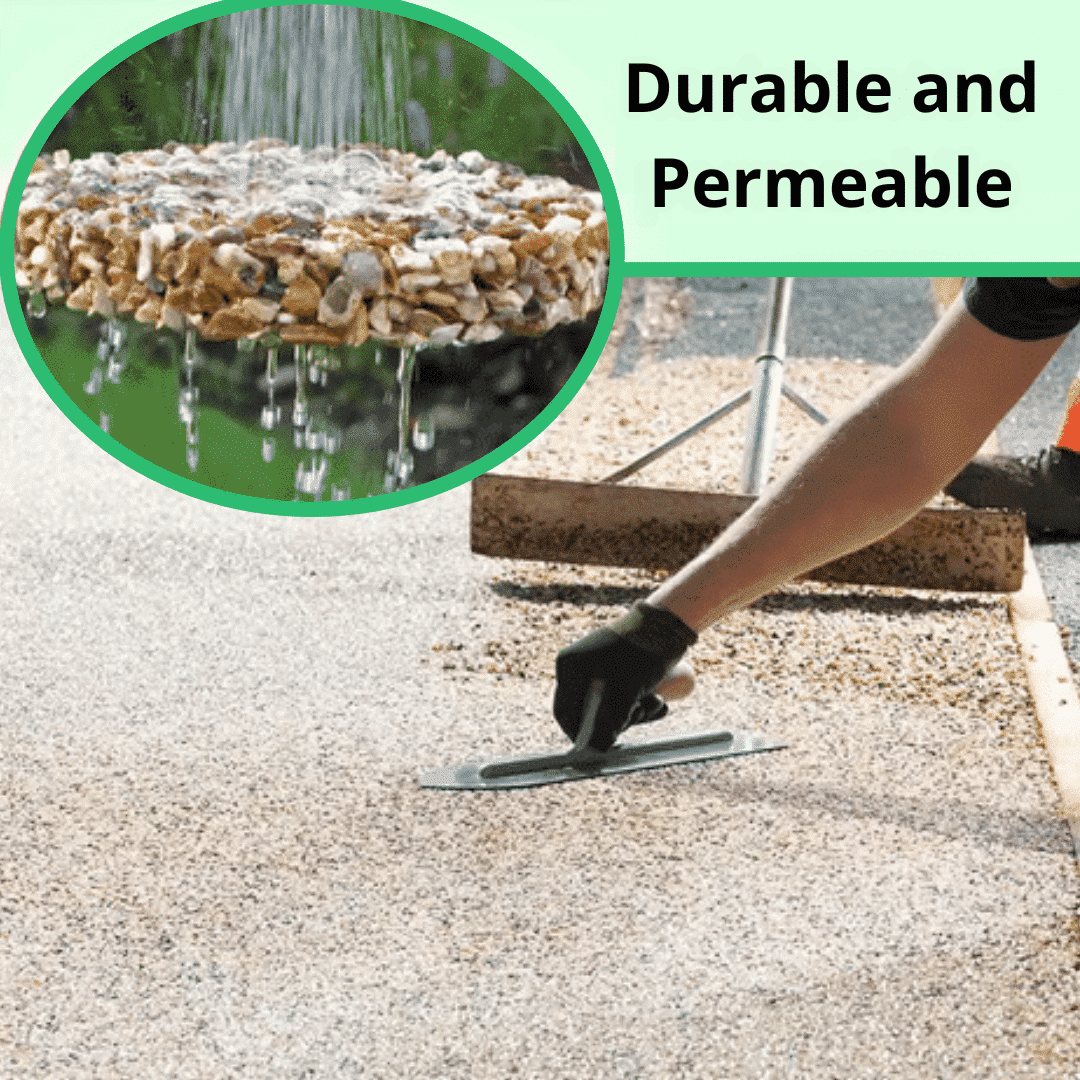
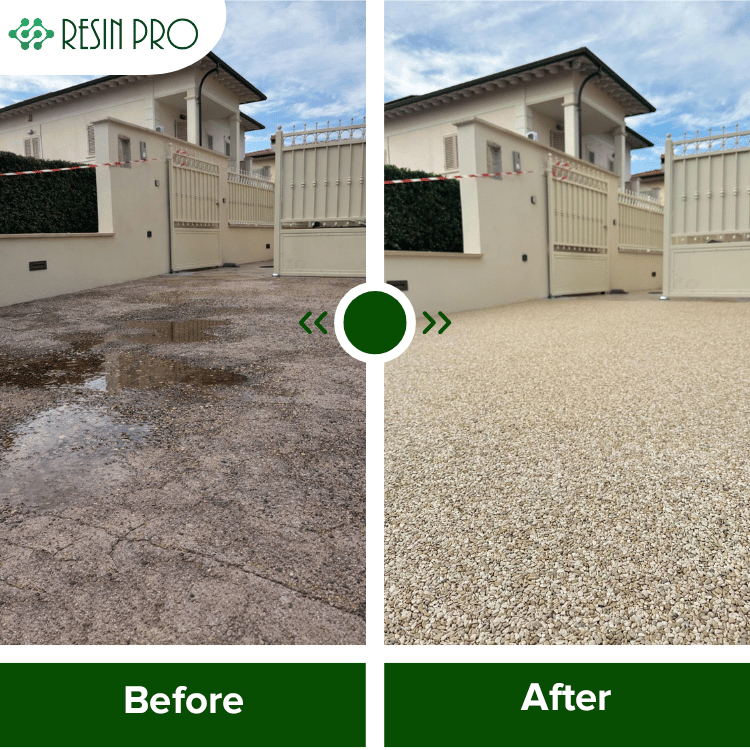
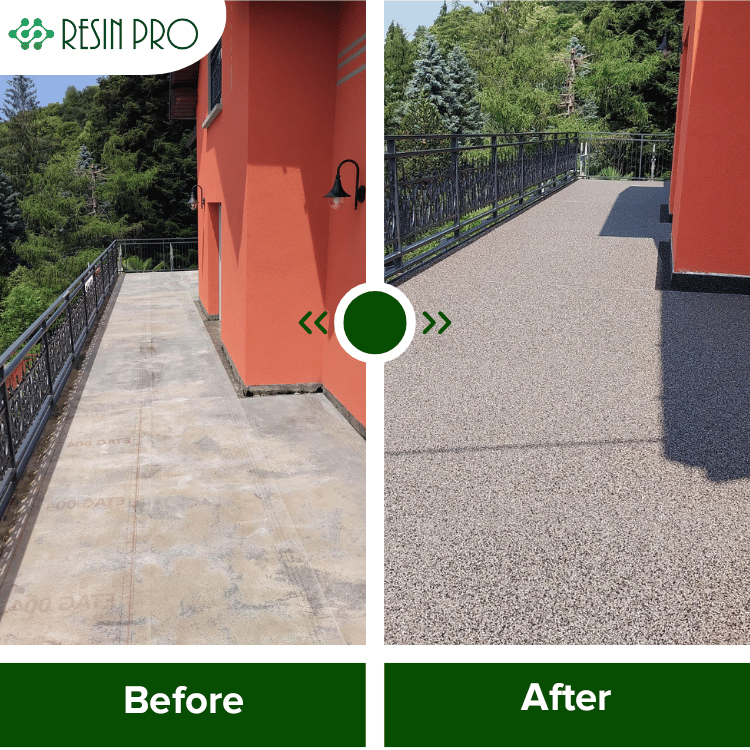
A resin-coated walking surface provides a modern, slip-resistant and durable finish ideal for driveways, footpaths, patios and other high-traffic outdoor areas. Whether you’re a property owner looking to upgrade your exterior surfaces or a professional installer, understanding the correct process is key. This comprehensive guide outlines every practical step to help you achieve long-lasting, attractive results while ensuring the coated area remains safe and functional, even in the unpredictable UK weather.
What You’ll Need
- “Epoxyprimer” – Universal Water-Based Two-Component Epoxy Floor Primer: Water-based epoxy primer to create a strong, stable bond on concrete, tile, wood, or screed bases.
- “Flowstone” – Complete Permeable Floor Kit with Pebbles and Resin: Kit with resin binder and pebbles for creating a water-draining, robust surface.
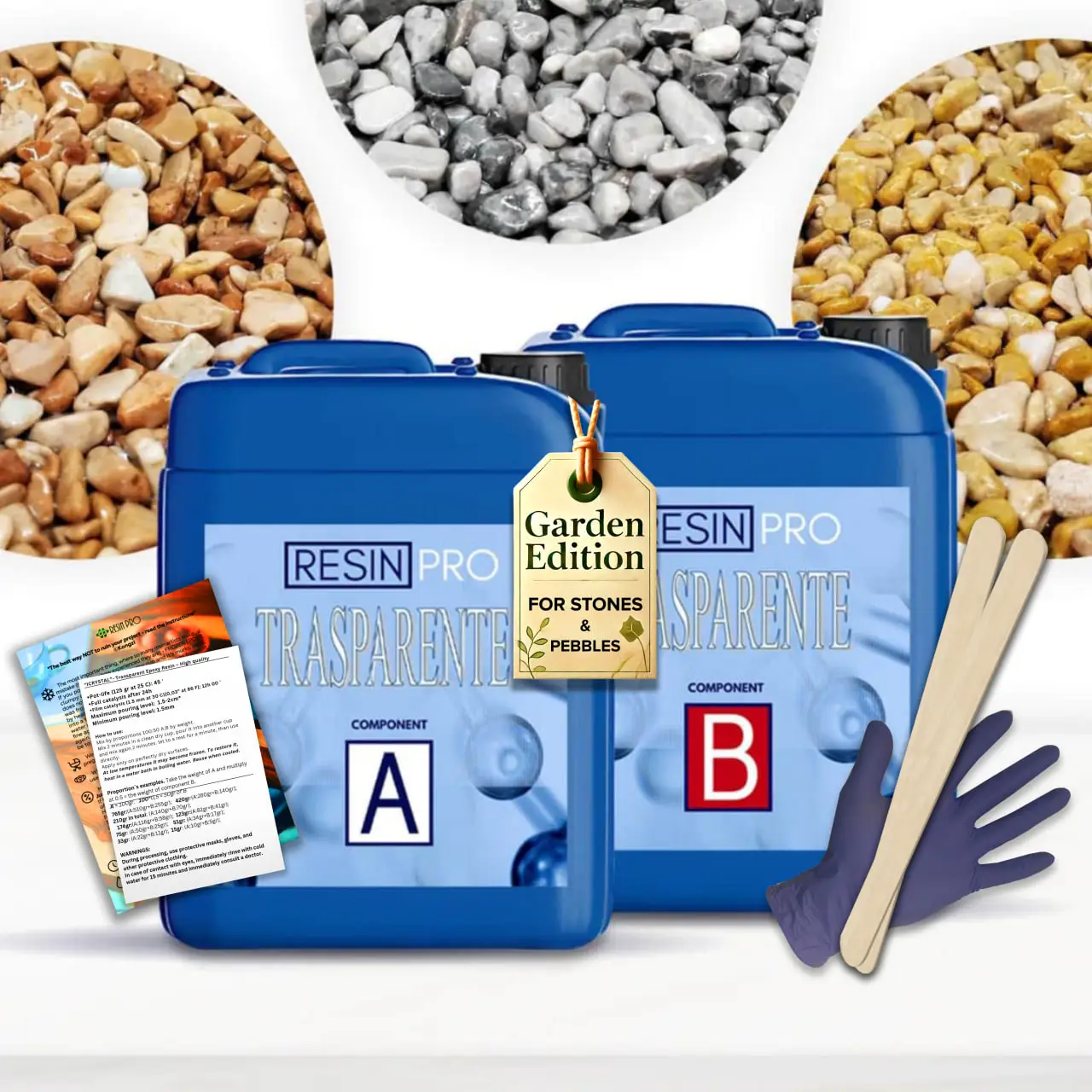
- “Trasparente” – Epoxy Binder for Coloured Pebbles and Grits: Transparent epoxy for binding coloured aggregates, perfect for decorative finishes.
- “Prolux” – PU coating for tiles, concrete, plastic and metal – suitable for driveable surfaces: Polyurethane finishing coat for extra abrasion and weather resistance.
- Protective gloves and goggles
- Mixing paddle or cement mixer (for larger projects)
- Roller, brush, or trowel (application tools)
- Masking tape and suitable cleaning products
Before You Start: Preparing for Success
Choosing the right resin system matters for safety and durability. Clear away obstacles and protect surrounding areas with masking tape before you begin. Ensure you have adequate ventilation (especially indoors), and always wear gloves and goggles when handling resin products.
Step 1: Prepare the Surface Thoroughly
The foundation is critical for a long-lasting resin-coated walking surface. Sweep, power wash, or vacuum the area to remove all dust, debris, oils and loose materials. Repair any cracks or holes—fill them with appropriate patching compounds and allow curing as needed. For non-porous or smooth substrates like tiles, light sanding may be required to improve mechanical bonding. Make sure the surface is clean, dry and dust-free before moving on. Resin cannot bond to damp, greasy, or crumbling bases.
For optimal adhesion and to seal porous substrates (like concrete, screed, or timber), apply “Epoxyprimer” – Universal Water-Based Two-Component Epoxy Floor Primer using a roller or brush. Allow a curing time of at least 24–48 hours depending on conditions and product guidelines.

Step 2: Mix and Apply the Resin & Aggregate Layer
Once the primed surface has cured, you are ready to prepare your resin and aggregate mix. In outdoor environments where drainage is important, a permeable system such as the “Flowstone” – Complete Permeable Floor Kit with Pebbles and Resin is recommended. Empty the correct proportions of resin and hardener into a mixing vessel—or a cement mixer for larger areas—then gradually blend in the pebbles or coloured grits until all particles are thoroughly coated.
For coloured aggregates, use “Trasparente” – Epoxy Binder for Coloured Pebbles and Grits to ensure a clear, non-yellowing finish. Always follow the mixing ratios provided on the product packaging to guarantee performance and lifespan. Apply the mix evenly using a trowel, working section by section to prevent the resin from starting to set. Compact the surface gently to upgrade bond strength and achieve a smooth, even layer approximately 1cm–2.5cm thick, as suitable for the area type.
Step 3: Curing, Finishing, and Optional Sealing
Allow every layer to fully cure before the next step. Initial set times may be as fast as 10 hours (light foot traffic), but allow at least 24 hours for full mechanical strength and 48–72 hours for vehicles or high loads.
For additional durability, especially on driveways or busy public paths, a polyurethane finishing coat like “Prolux” – PU coating for tiles, concrete, plastic and metal – suitable for driveable surfaces can be rolled on after curing. This step enhances abrasion resistance, weatherproofing, and colour fastness. Optional anti-slip aggregates may be sprinkled onto the uncured top layer if extra grip is required.


Tips, Troubleshooting and Common Mistakes
Test a small area before completing the full application—this helps avoid issues with colour compatibility or surface adhesion. When mixing, use clean tools and containers to prevent contamination. Do not apply resin blends in wet or extremely cold conditions; humidity and temperature affect curing and finish quality. Too much resin can create a slick surface, too little may reduce strength. Work in manageable sections and monitor drying times closely. If surface defects appear, sand down imperfections once cured and reapply a light coat as needed.
Getting the Best Finish Every Time
Plan your project around stable weather conditions—resin floorings are best applied on dry, cool days. Always work systematically and clean up as you go. Watch for uneven patches or trapped air; smooth out gently with a clean trowel.
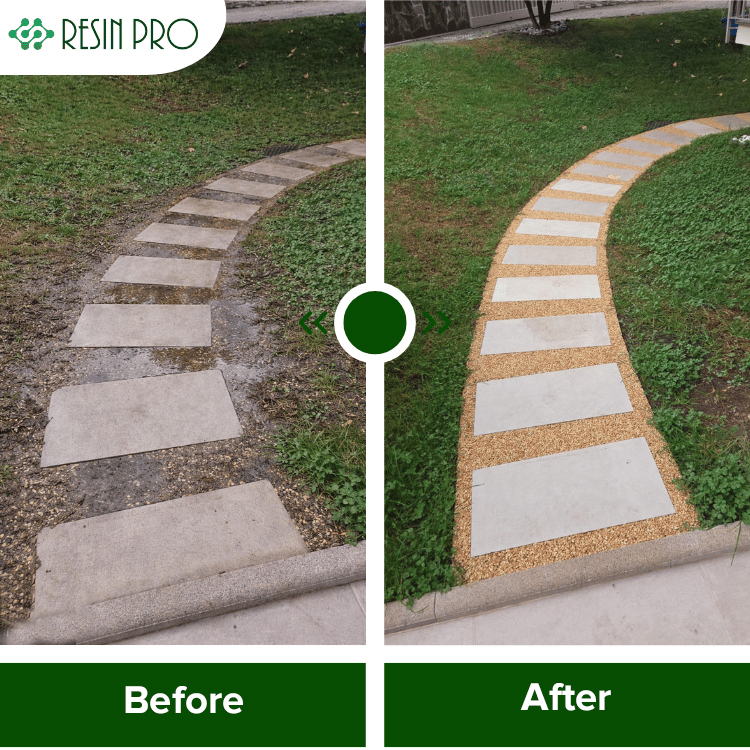
- "Flowstone" – Complete Permeable Floor Kit with Pebbles and ResinPrice range: £49.95 through £3,915.45"Flowstone" offers a permeable pebble and resin floor solution for outdoor spaces with options to customise colours and granule sizes.
- "Trasparente" – Epoxy Binder for Coloured Pebbles and GritsPrice range: £33.45 through £397.95Transparent epoxy binder suitable for coloured pebbles and grits, designed for clear, bubble-free flooring with UV stability.
 "Epoxyprimer" – Universal Water-Based Two-Component Epoxy Floor PrimerPrice range: £156.45 through £286.45Epoxyprimer provides reliable adhesion and is suitable for concrete, wood, tiles, and screeds in resin coating projects.
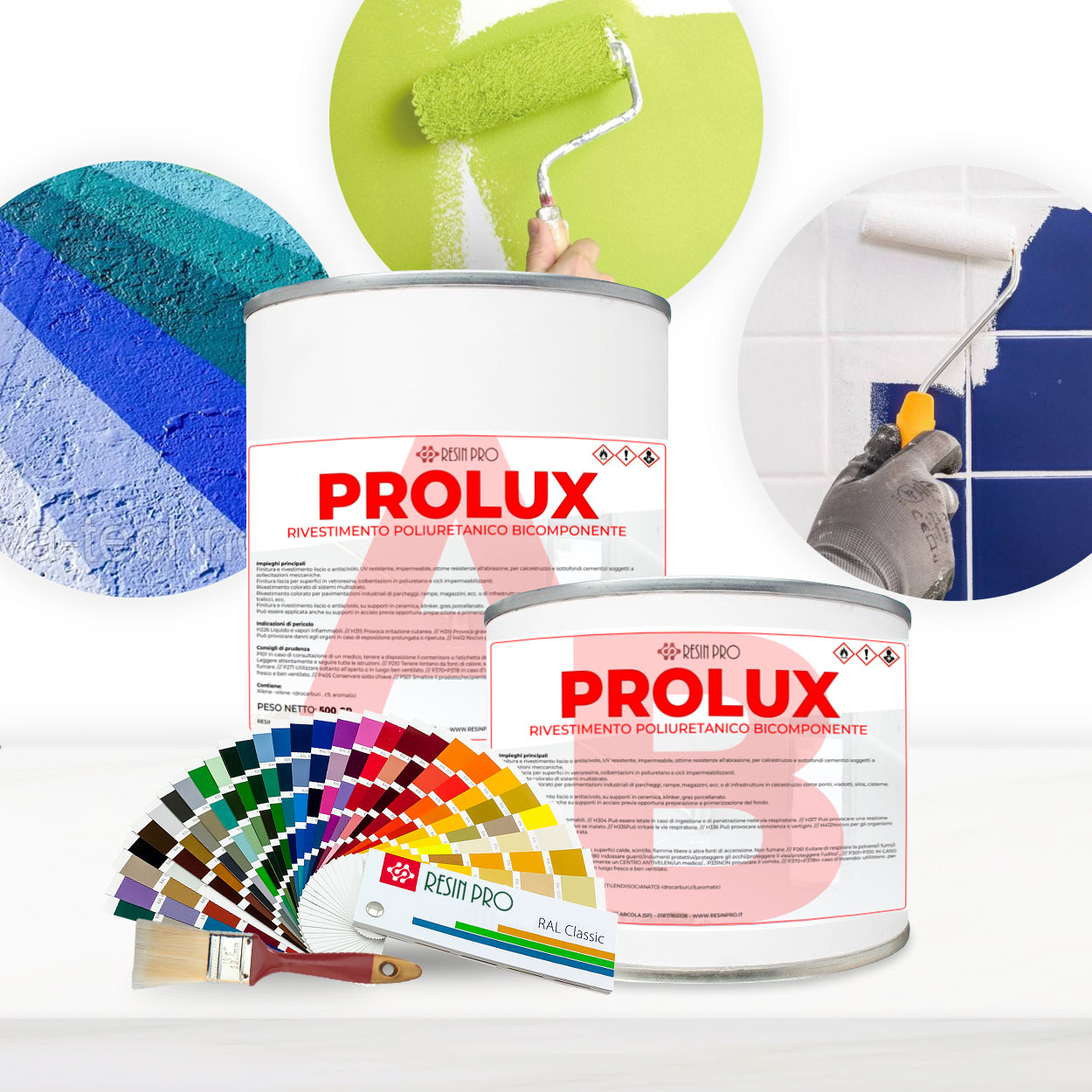 "Prolux" – PU coating for tiles, concrete, plastic and metal – suitable for driveable surfacesPrice range: £44.85 through £494.85"Prolux" polyurethane coating offers a tough, durable finish suitable for tiles, concrete, plastic and metal surfaces.
Frequently Asked Questions
Which resin is best for outdoor walkways?
Permeable systems using a polyurethane or a UV-stable epoxy are ideal. Choose based on your aggregate colour and traffic requirements.
How should I prepare a surface for resin application?
Ensure the area is clean, dry, stable and free from dust, oil or loose materials. Use an appropriate primer for strong adhesion.
How long does a resin-coated walking surface take to cure?
Foot traffic is possible after around 10 hours, but full strength is reached after 24–48 hours, depending on conditions and thickness.
How do I maintain a resin-coated path or patio?
Sweep regularly and rinse as needed. For stains, use mild soap and water. Avoid harsh chemicals that could damage the surface.
Are resin-coated walking surfaces anti-slip?
Yes, with correct application and choice of aggregates. Additional anti-slip additives can be used for extra grip, especially on slopes.
Can resin floors help with drainage problems?
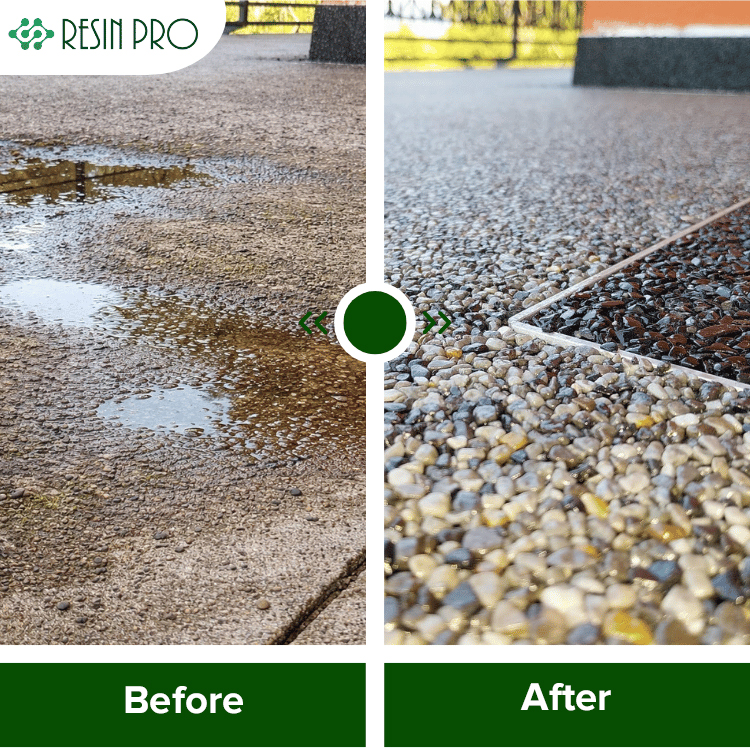
Permeable resin systems let rainwater drain through the surface, reducing puddling and flooding risks in outdoor environments.
Can I apply resin over existing concrete or tiles?
Yes, if the original surface is stable and properly primed to accept resin. Remove loose materials and repair defects before starting.