 Free shipping on orders over £29,85
  Shipping Tracking!


 Google
 Facebook
← Back to How do you paint a resin lure?
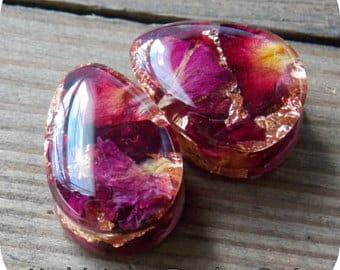
Achieving a glassy, bubble-free topcoat on your resin lure is one of the best ways to enhance both appearance and durability. Bubbles are a common struggle, but with simple techniques, you can achieve a smooth finish every time.
Create the Right Environment
Start by applying your topcoat resin in a warm, dust-free area. This helps trapped air escape more easily from the resin, and limits particles from getting stuck in your finish. If possible, gently warm your resin (according to product guidelines) before use – slightly higher temperatures can help lower viscosity, further reducing bubbles.
Technique Matters: Thin, Careful Layers
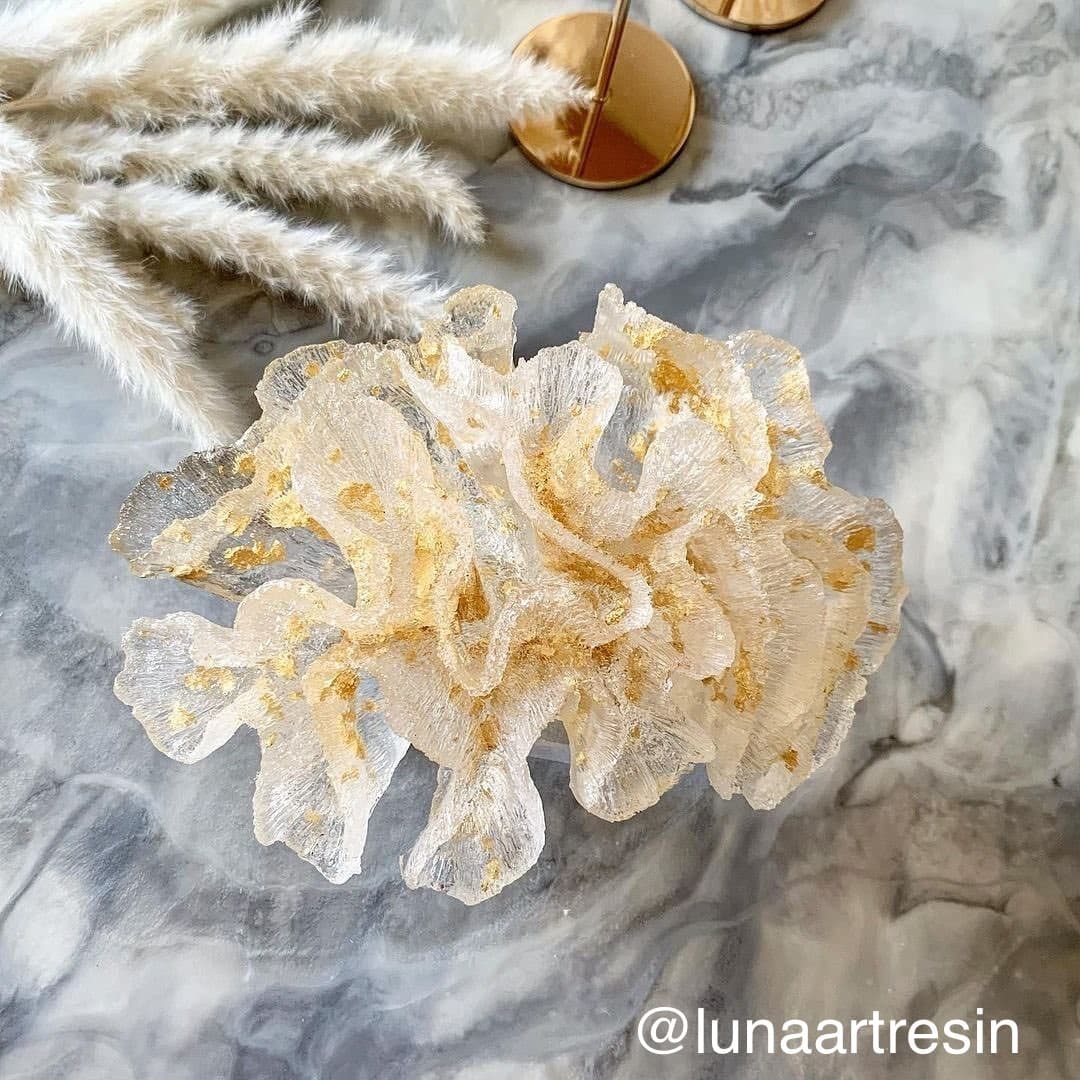
Pour or brush on the topcoat in thin layers rather than a thick flood. Carefully spreading the resin allows air bubbles to reach the surface and pop before the coating cures. Using a high-quality synthetic brush, such as those found in the 12-Piece Artists Paint Brush Set, gives you greater control and helps minimise brush marks or streaks.
Choosing the Right Resin for Bubbles Control
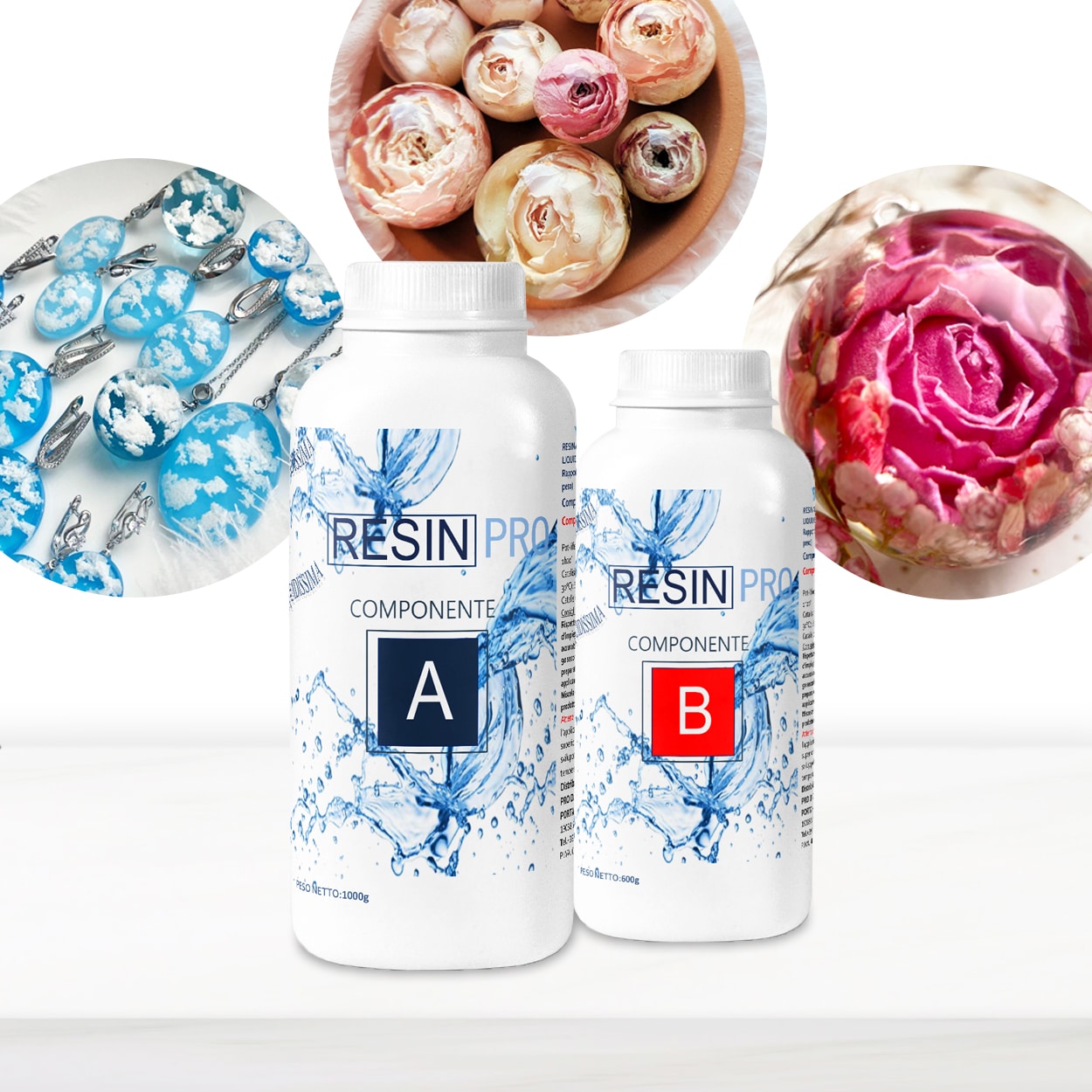
Certain resins are formulated to minimise bubbles. For example, “Liquidissima” epoxy resin features a low viscosity and a special blend designed to reduce imperfections, making bubble-free results easier to achieve.

When This Matters Most
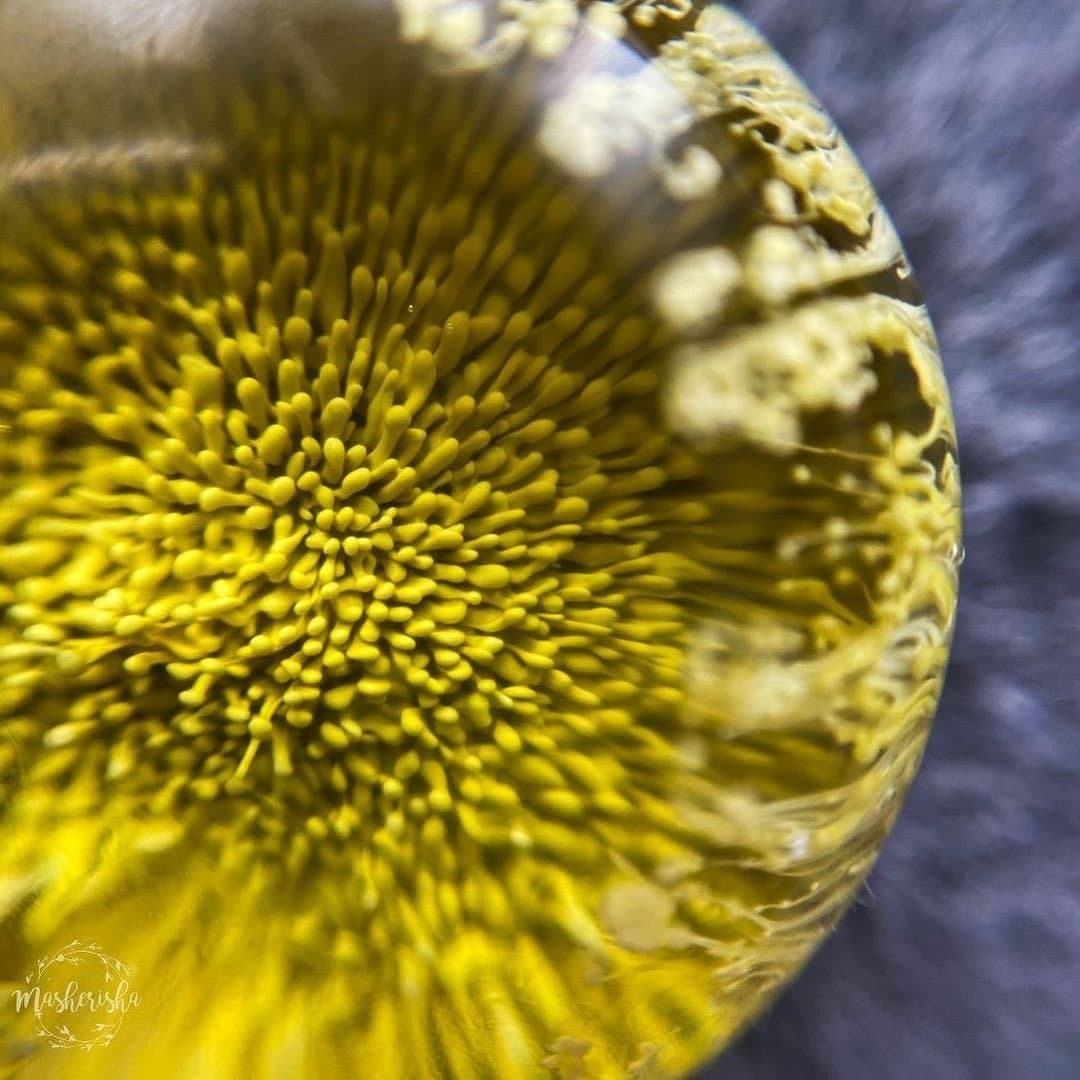
Bubble prevention is especially important when creating clear lure finishes or when you want to showcase intricate painted details. A flawless topcoat ensures that your craftsmanship stands out and your lure remains durable in use.
Related products
Related guides
Taking the right steps to avoid bubbles will help you produce stunning, reliable finishes on your resin lures. Explore more lure painting techniques and finishing methods on our main resin lure painting guide.