 Free shipping on orders over £29,85
  Shipping Tracking!


 Google
 Facebook
← Back to How is a resin floor made?
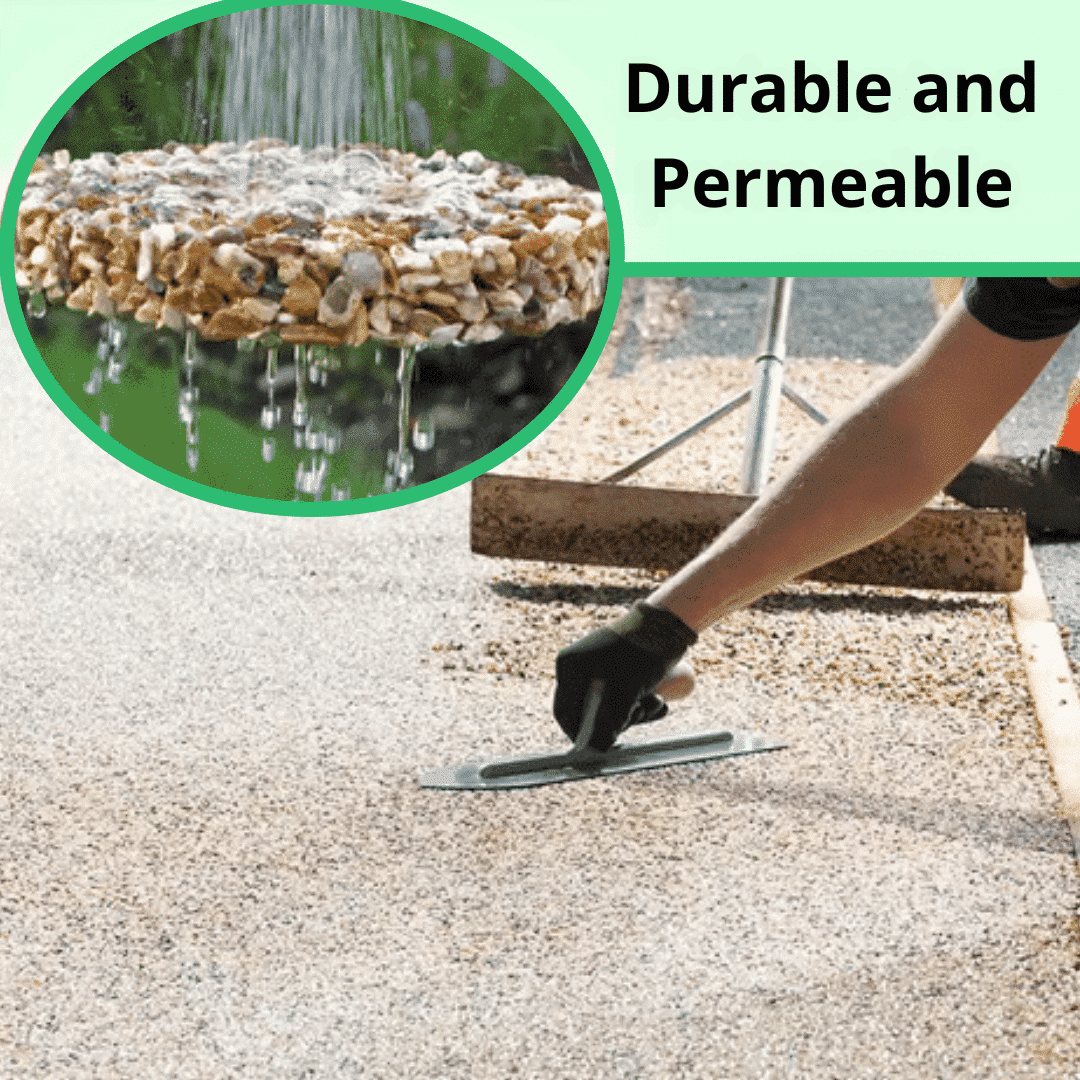
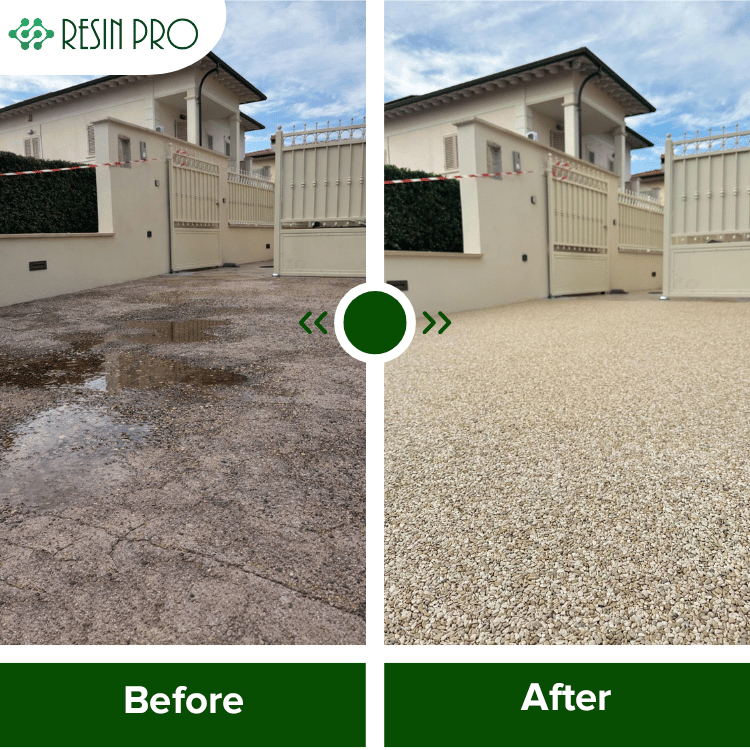
When installing a resin floor, ensuring an even spread is crucial. Uneven distribution not only affects the appearance but can also create zones of weakness that reduce the floor’s longevity and performance.
How Uneven Spreading Causes Weak Spots
Resin floors rely on a consistent layer to provide strength and durability. If the resin or aggregate mix is distributed unevenly, thin areas may fail to bond correctly with the substrate or lack the structural integrity intended. This can result in fragile spots, potential cracking, or premature wear, especially in high-traffic zones.
- Weak patches are more prone to damage from foot or vehicle traffic.
- Thinner regions may not bond fully, increasing the risk of delamination.
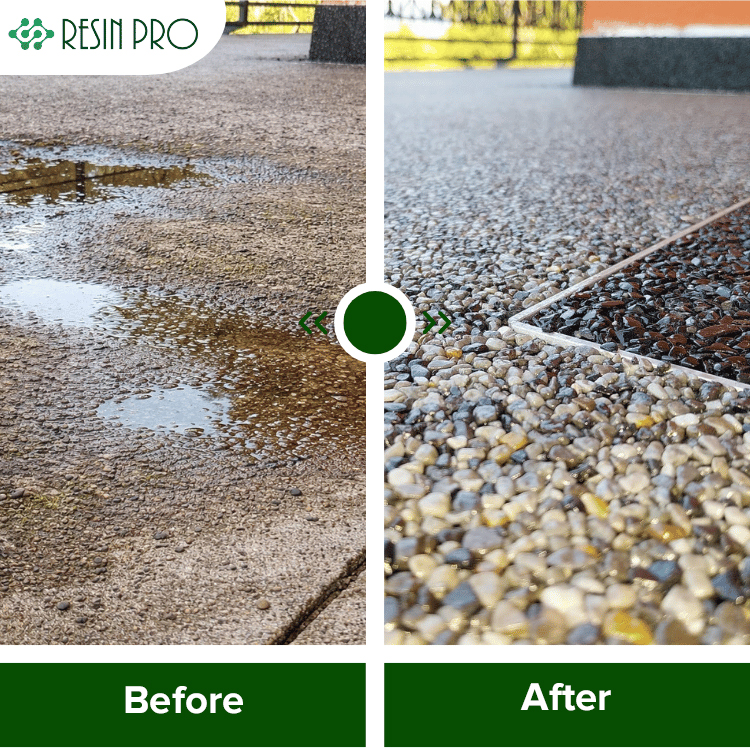
- In permeable systems, uneven spreading can compromise drainage or lead to puddling.
Best Practices for Consistent Application
Proper preparation and technique minimise these risks. Begin with a stable surface, such as one primed using products like Epoxyprimer, to aid good adhesion. Mixing the resin and aggregate thoroughly is essential, particularly for larger jobs where using a mixer ensures uniformity. When spreading, work systematically, maintaining a steady thickness—step-by-step instructions usually come with quality kits such as the Flowstone Complete Permeable Floor Kit.
When This Matters Most
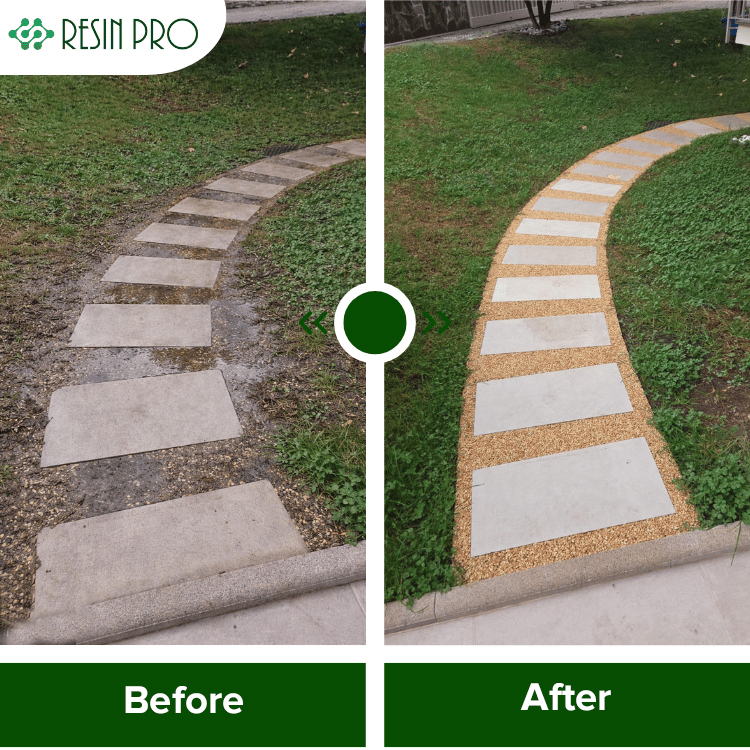
Consistent resin spreading is vital for projects like driveways, paths, and patios where traffic and weather exposure quickly reveal any weak spots. DIYers and professionals alike should pay extra attention to areas expected to bear heavier loads or those with design features requiring precise detail.
Related products
Related guides
Ensuring your resin floor is spread evenly is essential for both aesthetics and durability. Mastering this step supports stronger, longer-lasting results—explore further on how resin floors are made for a deeper understanding of the installation process.