 Free shipping on orders over £29,85
  Shipping Tracking!


 Google
 Facebook
← Back to How do you install split-stone effect resin?
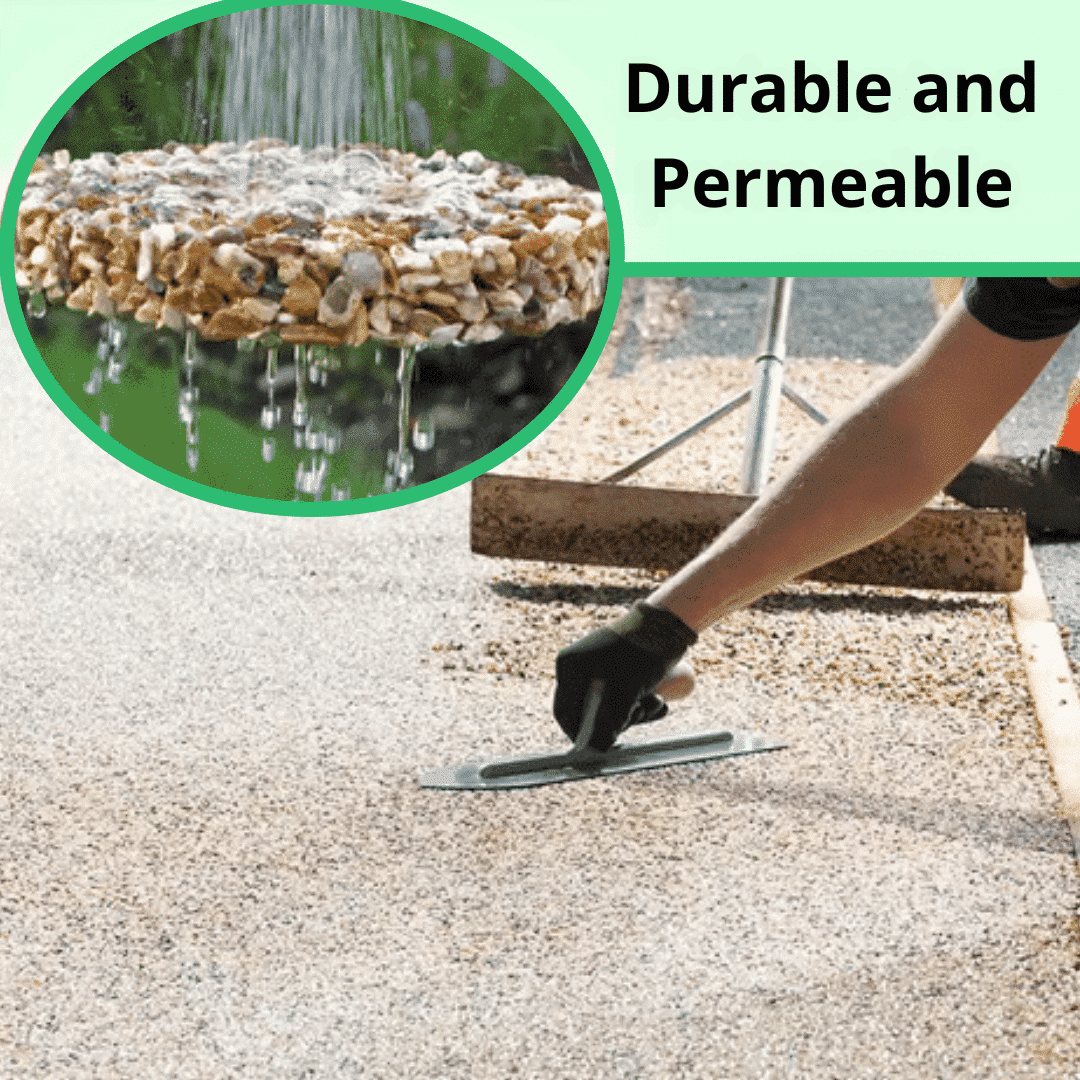
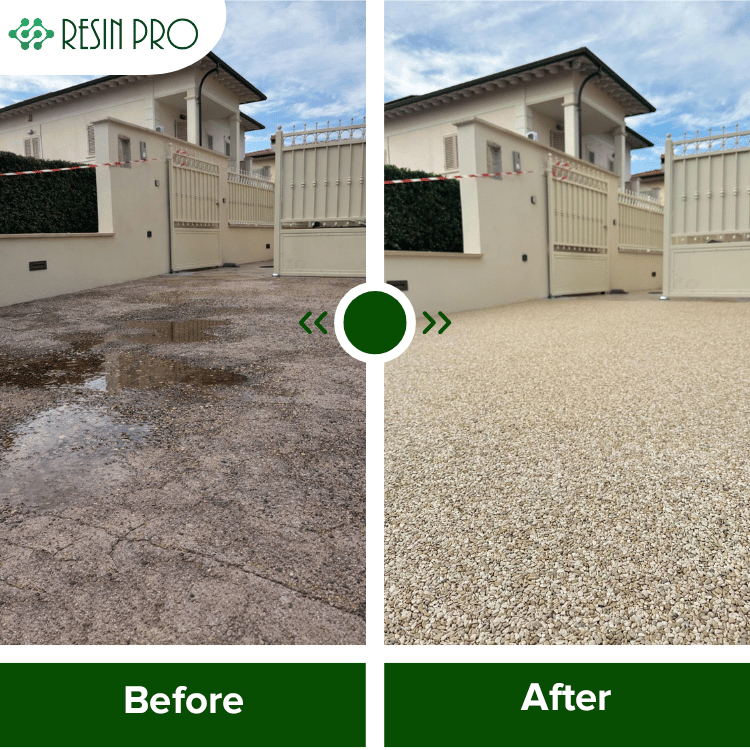
When installing a pebble resin surface, getting the thickness right is crucial for a safe and durable finish—whether it’s a path, patio, or driveway. Let’s explore the optimal layer depths for different uses.
Recommended Thickness by Application
For pedestrian areas such as footpaths and patios, a pebble resin layer of around 1.5 to 2 cm is generally sufficient. This provides good structural stability and an attractive finish without unnecessary bulk. If you are planning a resin-bound surface for a driveway that will see heavier vehicles, it is wise to opt for a thicker application—up to 4 cm. This added depth ensures the surface can withstand regular vehicle traffic and prolongs its lifespan.
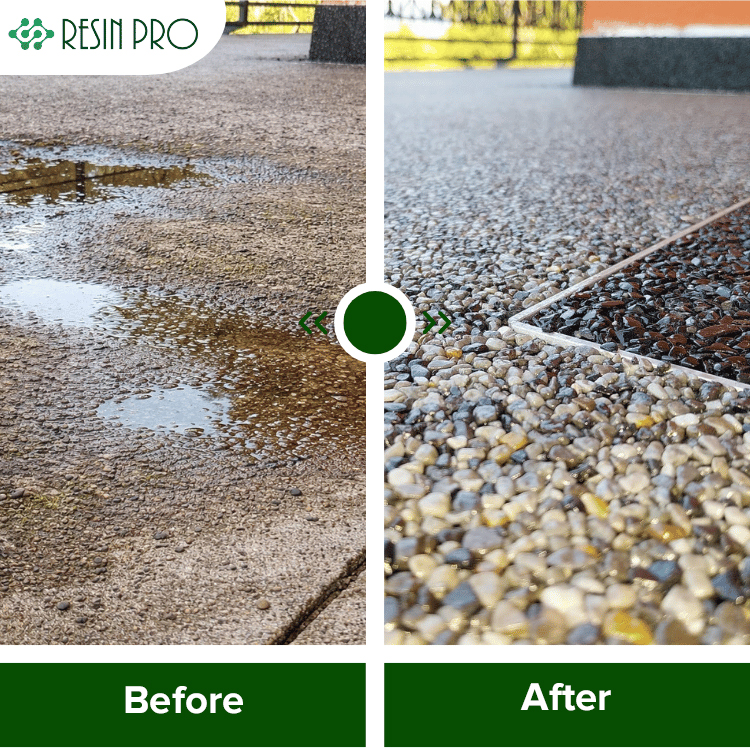
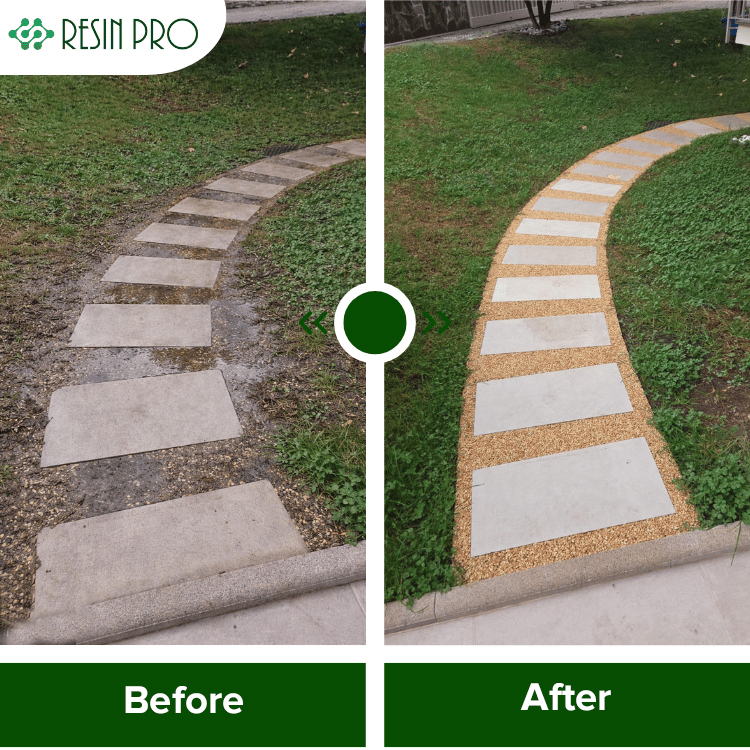
Installation Tips and Product Selection
When laying a pebble resin floor, always prepare a solid, well-compacted base. Aggregate size, base quality, and binder choice all contribute to surface stability. For clear instructions and all-in-one convenience, consider the “Flowstone” – Complete Permeable Floor Kit with Pebbles and Resin, which includes tailored guidance for both resin type and layer thickness based on your project type. Remember to choose polyurethane binders for white stones and low-yellowing epoxy for coloured stones to maintain visual appeal.
When Thickness Matters Most
- Light use: Garden paths and patios can safely use a thinner (1.5–2 cm) layer.
- Heavy use: Driveways, or areas exposed to vehicle traffic, require a thicker application (up to 4 cm) for durability and safety.
- Base stability: Thicker layers may help if your base is less than ideal, but always ensure proper ground preparation for best results.
Related products
Related guides
Choosing the right thickness for your pebble resin flooring ensures your outdoor space remains safe, functional, and attractive. For further installation advice and step-by-step guides, visit our main hub on how to install split-stone effect resin.