 Free shipping on orders over £29,85
  Shipping Tracking!


 Google
 Facebook
← Back to How do you install split-stone effect resin?
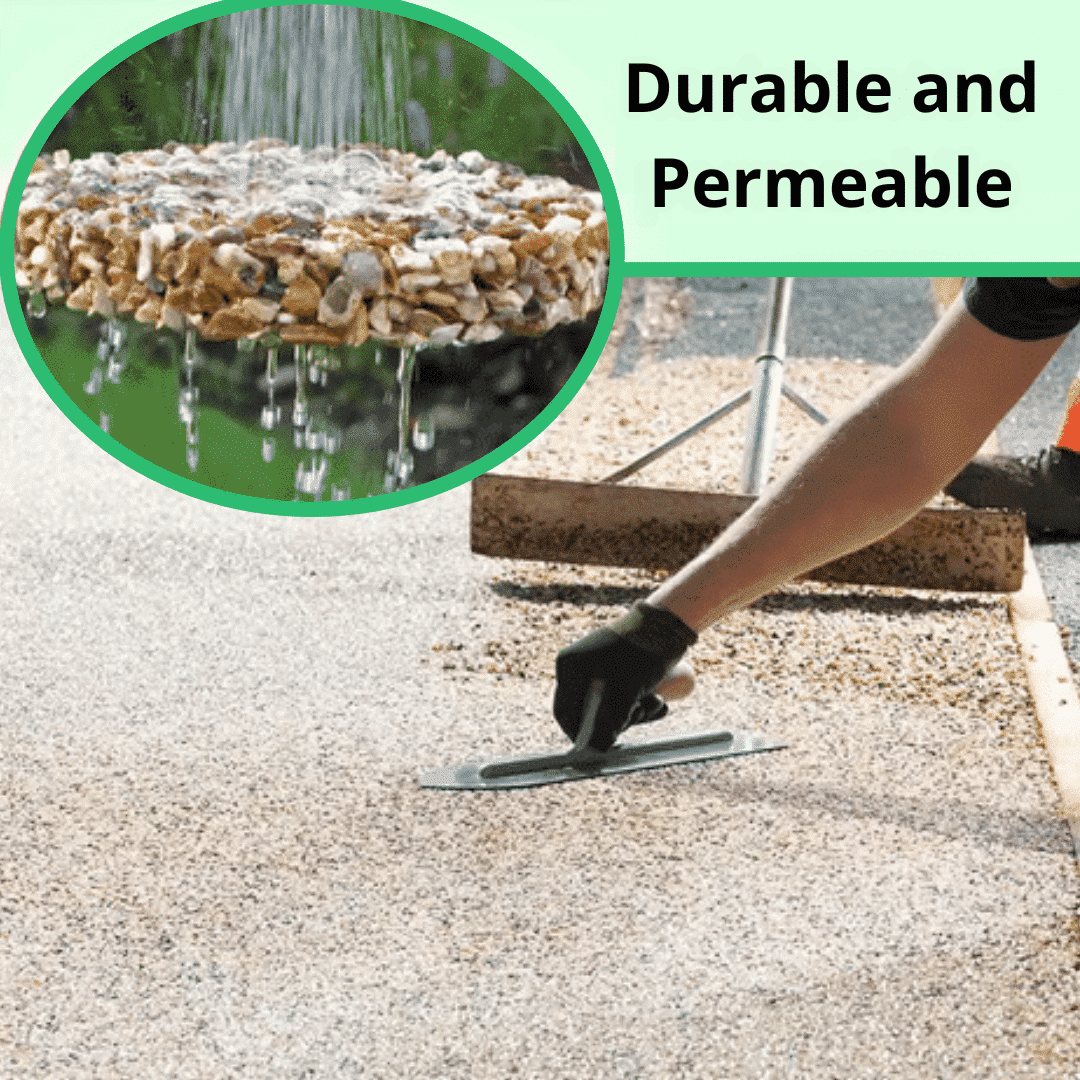
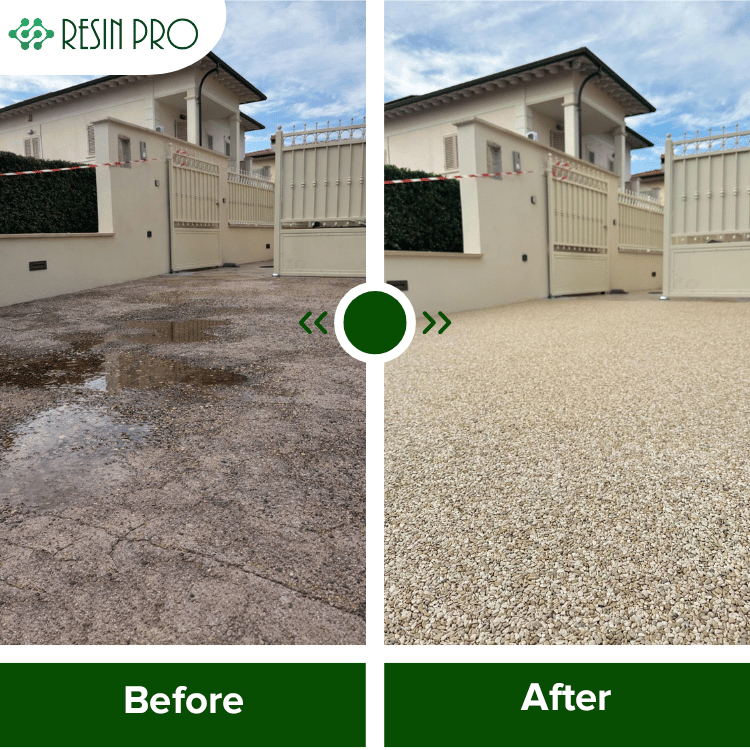
Planning to use a split-stone resin system outdoors and wondering if soil is a suitable base? Proper base preparation is key for stability and durability in any resin-bound or split-stone decorative surface.
Can split-stone resin be laid on soil?
It is possible to lay split-stone resin onto soil, but it requires careful preparation. For areas exposed only to light foot traffic, a well-compacted soil sub-base may be acceptable. However, simply pouring resin and stone mixture on unprepared, loose soil will lead to shifting, poor drainage, and surface instability. For driveways or spaces expecting frequent or heavy use, a sub-base of stabilised hardcore, concrete, or similar material is strongly recommended to prevent movement and settlement.
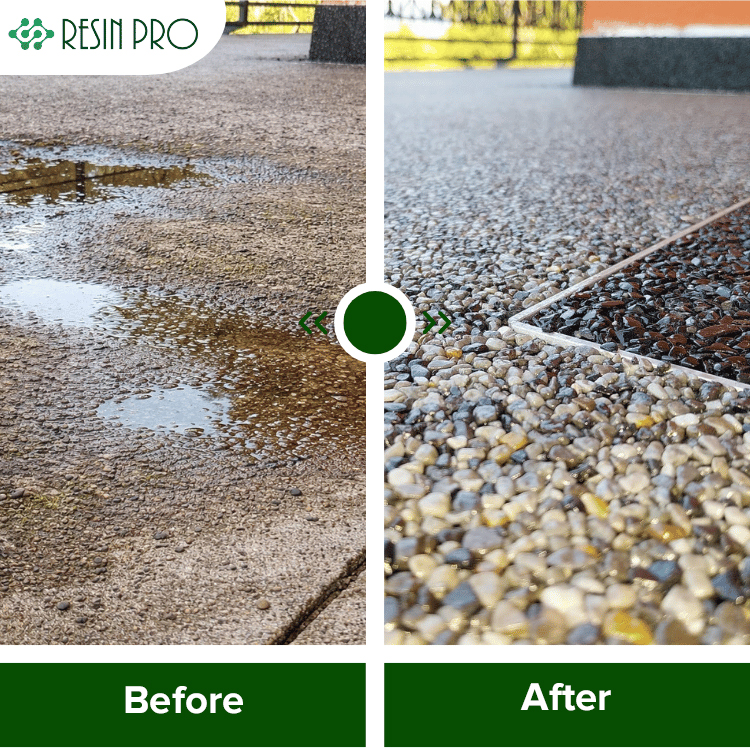
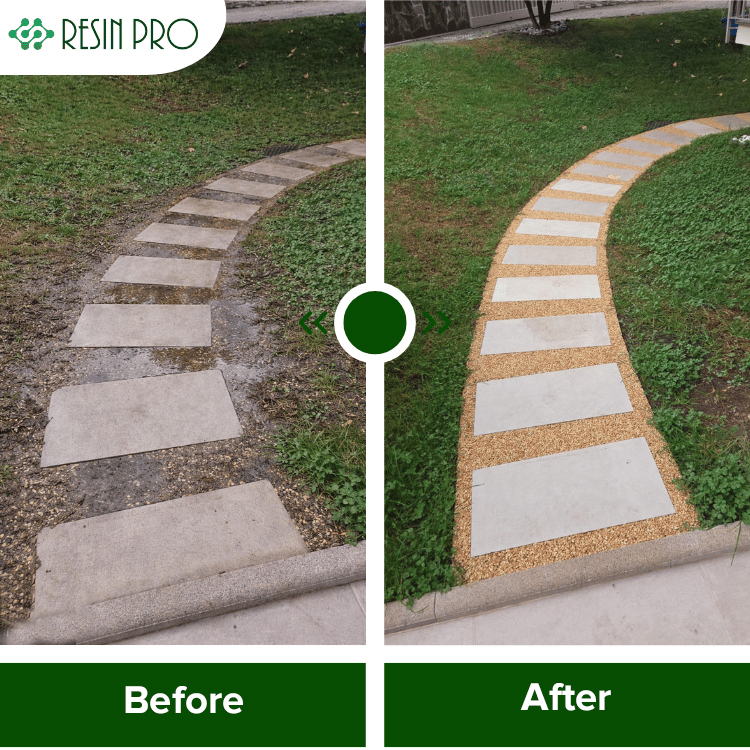
Preparing the soil for resin installation
- Excavate to the required depth, removing all loose, organic, and damp material.
- Compact the soil with a tamper or vibrating plate to achieve a dense, level base.
- For best results, add a layer of sub-base material such as MOT Type 1 and compact it again.
- Ensure the area is flat and free draining; consider a weed membrane to help with longevity.
Only when this stable base is achieved should you proceed with mixing and spreading the resin and stone blend. For a complete all-in-one solution suitable for outdoor paths and patios, consider the “Flowstone” permeable floor kit.
When does it matter most?
If you expect vehicles, frequent use, or require the surface to be exceptionally long-lasting, investing extra effort in the base is crucial. In gardens or light-use paths, a compacted and prepared soil base may be sufficient, but for high-traffic spaces, a stronger, stabilised underlayer extends lifespan and performance.
Related products
Related guides
Choosing the right base is the foundation for a lasting, attractive split-stone resin surface. For full installation advice and tips, explore our main guide on how to install split-stone effect resin.