 Free shipping on orders over £29,85
  Shipping Tracking!


 Google
 Facebook
← Back to How to make objects with resin?
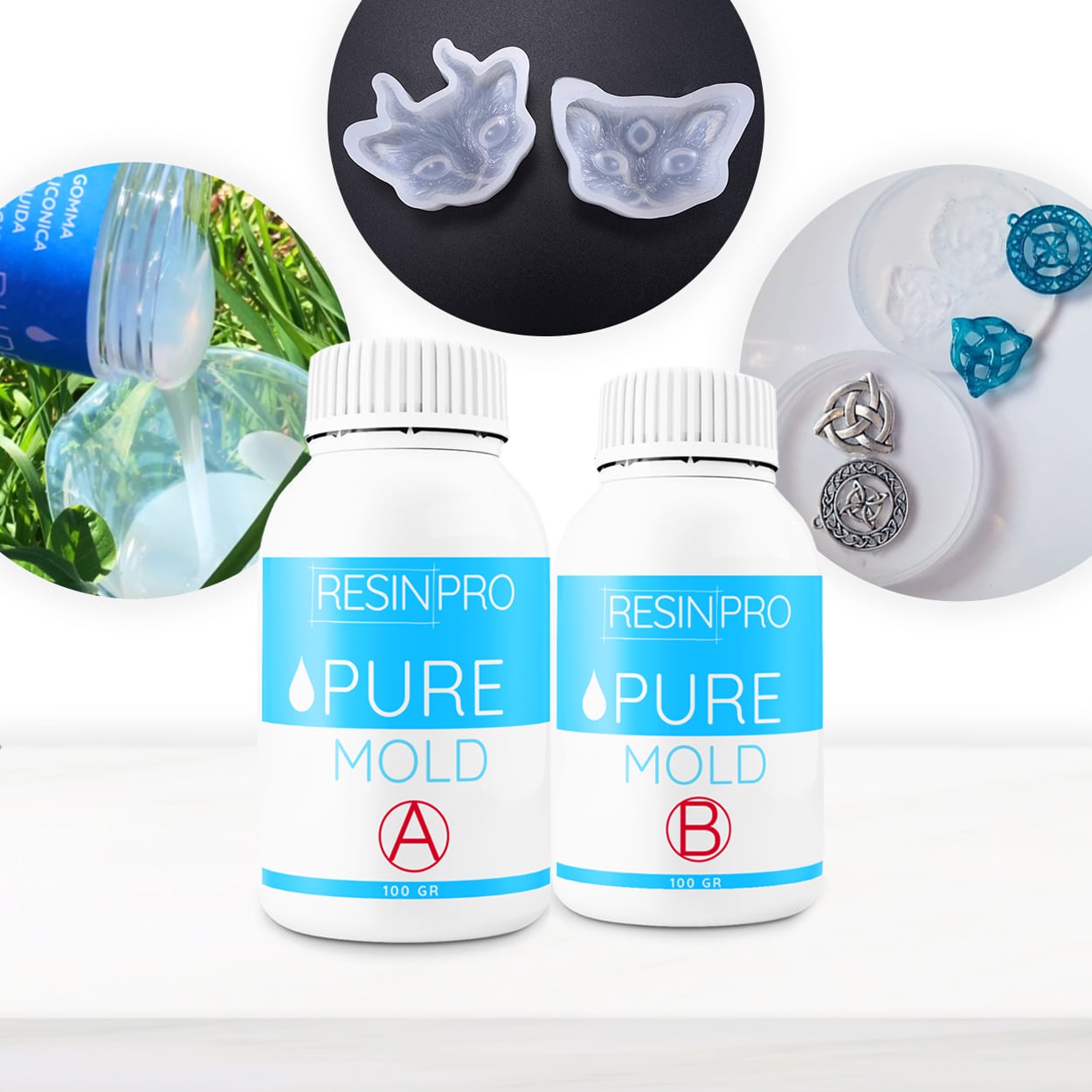
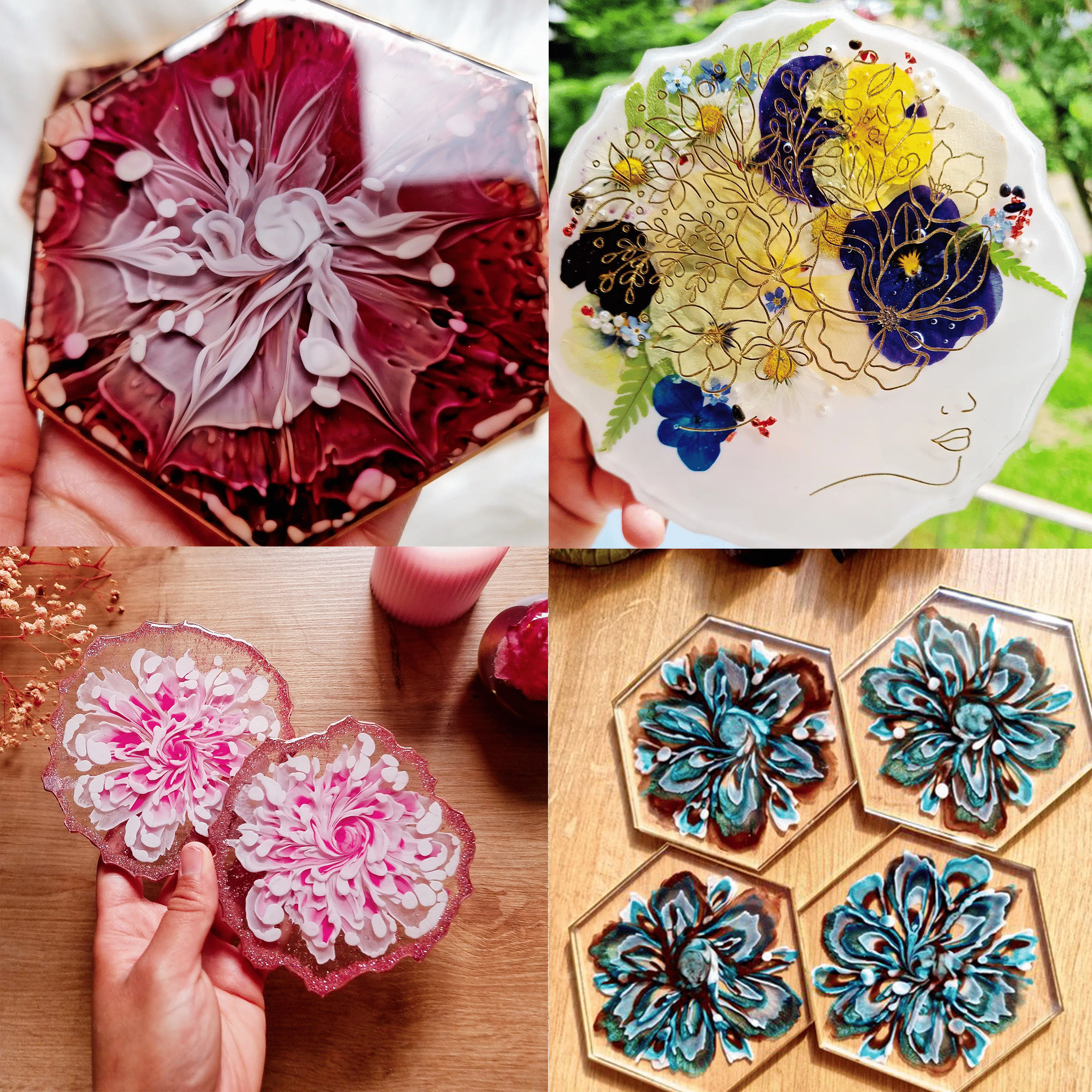
Silicone moulds are widely chosen for resin crafting because they’re both flexible and naturally non-stick, making it easy to create and release beautifully detailed resin objects.
How Flexible Silicone Moulds Benefit Resin Making
The flexible nature of silicone means your mould bends and moves without splitting or breaking. This flexibility lets you unmould complex shapes and intricate details—like coasters, jewellery, or decorative items—without damaging your piece. The non-stick surface of silicone also prevents resin from clinging, so you can release your project easily and cleanly, even with textured or fine designs.
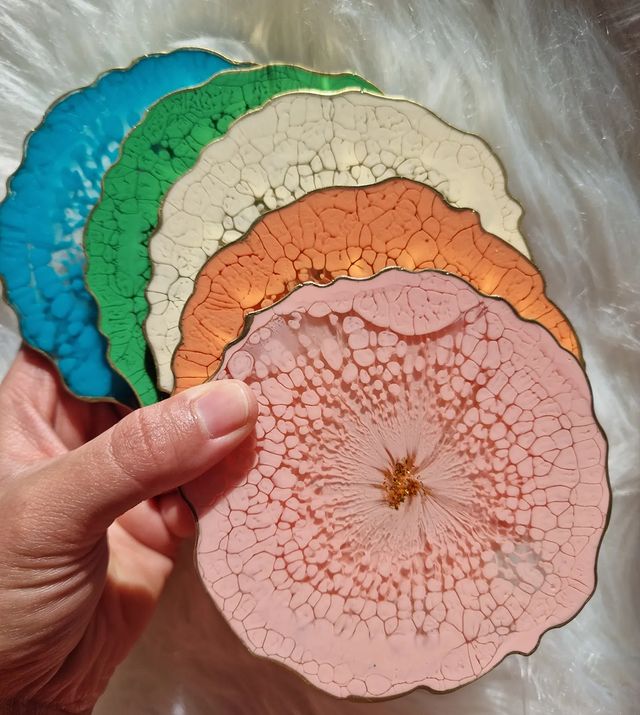
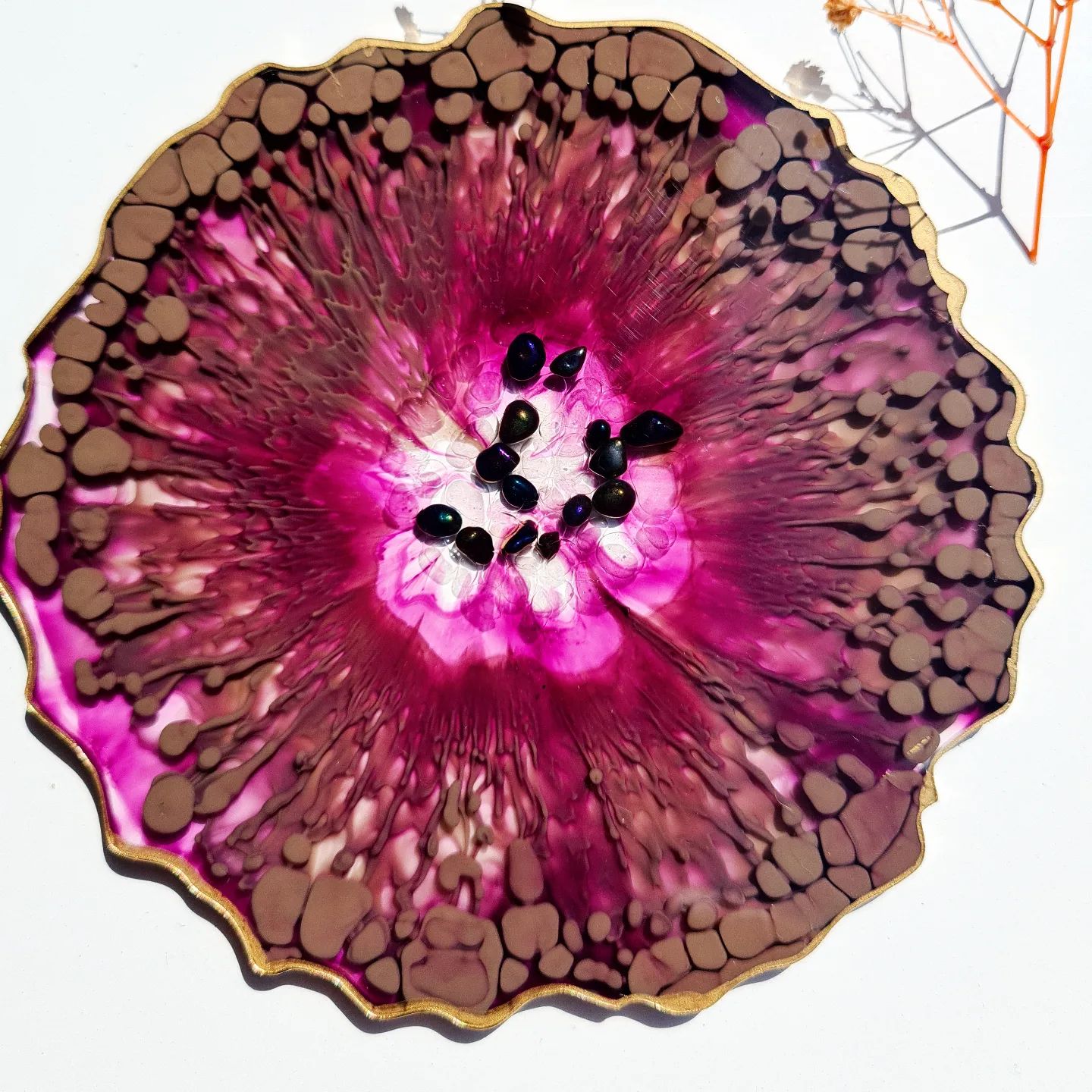
Tips for Using Silicone Moulds with Resin
- Pour resin slowly to minimise bubbles and fully capture the mould’s details.
- Wait until the resin is fully set or partially cured as appropriate before demoulding—flex the mould gently to encourage release.
- Clean your silicone moulds with mild soap and water after each use to keep them in excellent condition for many pours.
- If you’re interested in making your own custom moulds, products like “Pure Mould” Translucent Liquid Silicone Rubber are ideal for design flexibility and easy demoulding.
When This Matters Most
If you want to reuse your moulds, create objects with delicate details, or reduce the risk of breakage, a flexible non-stick silicone mould is essential. This is especially true for beginners and home crafters who want reliable results without hassle.
Related products
Related guides
Choosing silicone moulds that are flexible and non-stick simplifies every stage of resin object making, from casting to cleanup. For a complete guide to resin projects, see our full overview at How to make objects with resin?.