 Free shipping on orders over £29,85
  Shipping Tracking!


 Google
 Facebook
← Back to How do you paint silicone rubber?

Preparing silicone rubber before painting can make all the difference in achieving a long-lasting and flawless finish. Many wonder if sanding is a necessary step for optimal paint adhesion – here’s what you should know.
When Should You Sand Silicone Rubber?
Sanding is not always essential, but it can help when you need paint to adhere more securely. Silicone rubber tends to have a very smooth, glossy surface straight from the mould, which can make it difficult for paints to grip. Lightly dulling this surface by hand with fine grit sandpaper creates a subtle mechanical bond for your coatings. However, avoid harsh or aggressive sanding, as this may damage the silicone or leave deep marks that show through the paint.


How to Properly Prepare the Surface
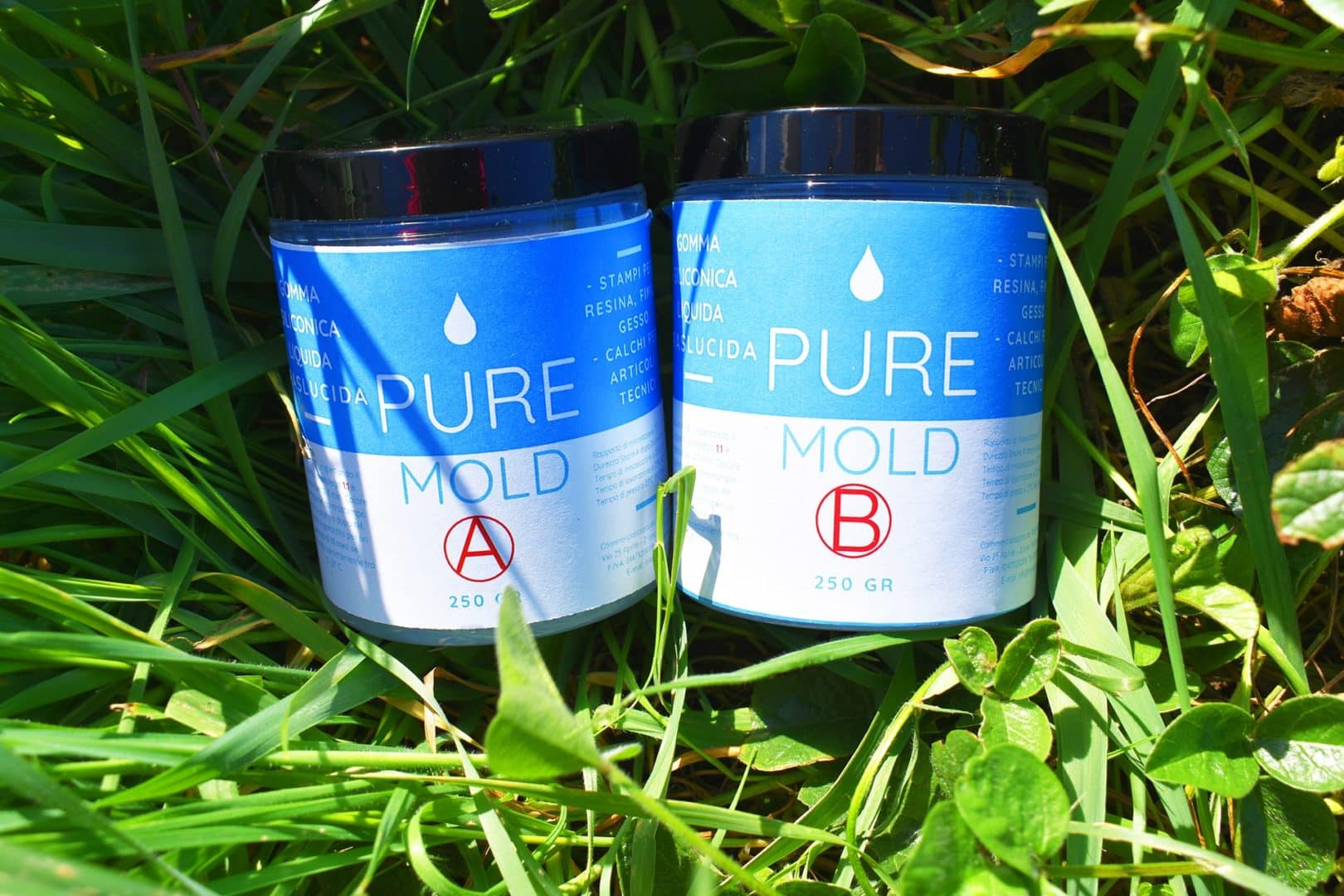
Start by washing your silicone item to remove any dust, release agents, or oils. Once dry, gently rub the surface with fine sandpaper (such as 400–600 grit). Focus on using just enough pressure to reduce shine, taking care not to alter the shape or texture. After sanding, use a clean, dry cloth to wipe away any debris before proceeding to paint. For silicone castings made with products like “Pure Mould” liquid silicone rubber, these steps help maximise your final results.
When This Matters Most
Sanding is especially helpful for silicone objects that will see frequent handling or flexing, such as decorative moulds, crafts, or model-making components. If durability and appearance are top priorities, taking the extra time to prep the surface is a wise move.

Related products
Related guides
While sanding silicone rubber isn’t always mandatory, it can greatly improve paint performance and longevity, especially for detailed or high-use items. If you’re working on a project involving painting silicone moulds or cast pieces, be sure to review our full guide on how to paint silicone rubber for more tips and best practices.