 Free shipping on orders over £29,85
  Shipping Tracking!


 Google
 Facebook
How do you paint silicone rubber?
Step-by-step guide for long-lasting colour on silicone rubber

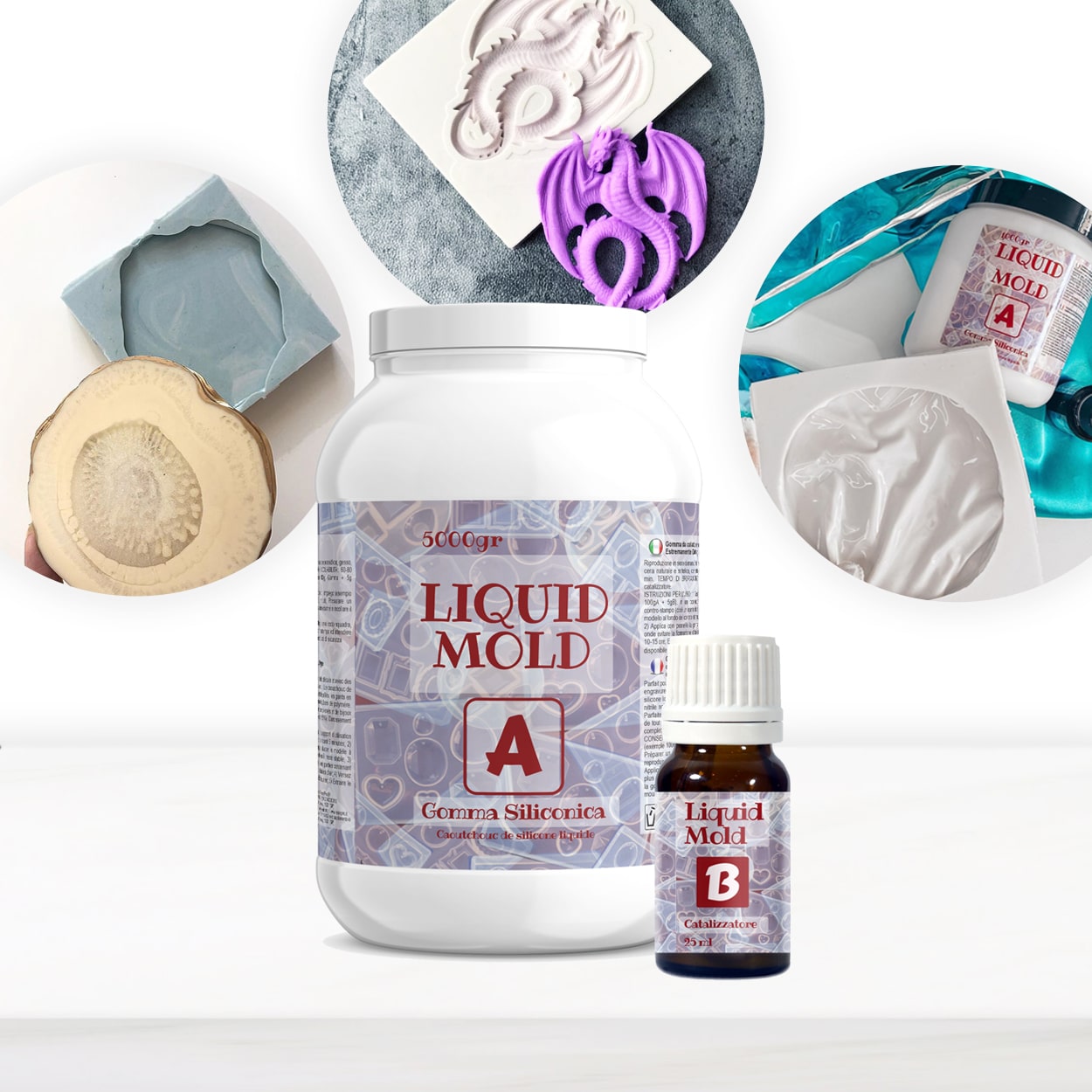
Painting silicone rubber items can be challenging without the right approach, as this material is designed to be non-stick and flexible. However, with careful preparation and the correct technique, you can achieve vibrant, durable finishes for art pieces, prototypes, moulds, and decorative items. This guide will explain the steps needed to paint silicone rubber effectively for lasting results.
What You’ll Need
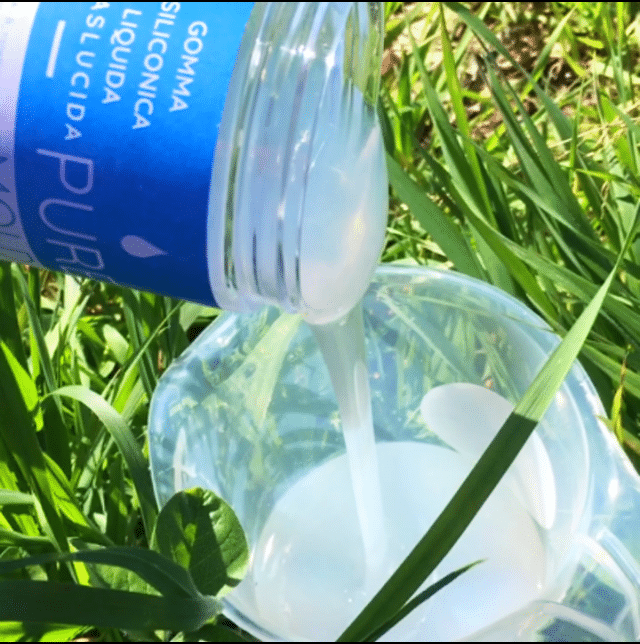
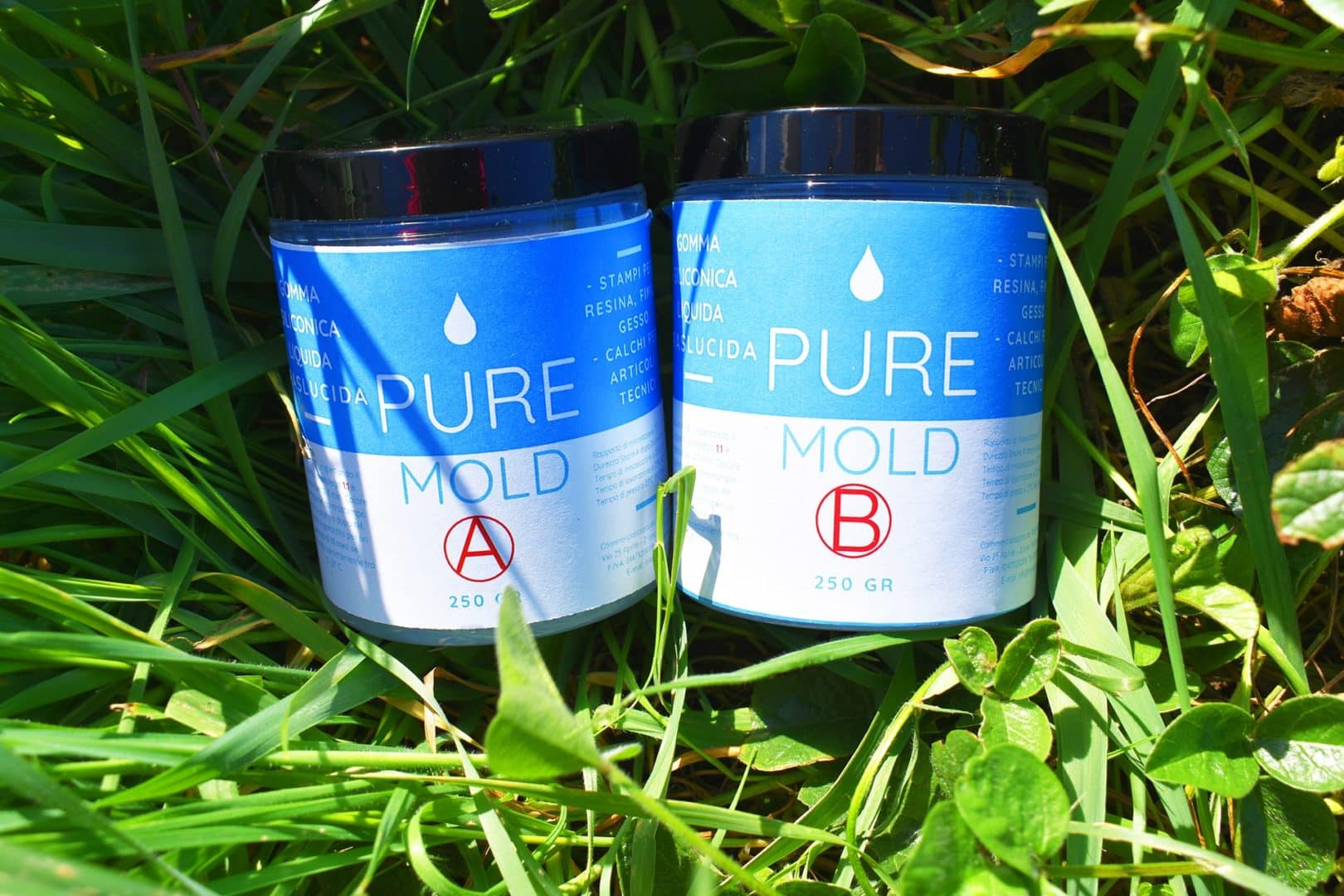
- “Pure Mould” – Translucent Liquid Silicone Rubber for Mould Making – for creating or repairing silicone surfaces you want to paint.
- “Liquid Mould” – Casting Liquid Silicone Rubber, 5-40 Shores, Bi-Component A+B – ideal for highly detailed silicone components that may require painting post-production.
- “Liquid Mould” – Casting Liquid Silicone Rubber, 15 Shores 20.8 kg – for large-scale or complex silicone pieces to paint.
- “I–Gum” – Non-Toxic Silicone Putty for Mould Making – for craft projects needing precise silicone shapes suitable for coloured finishes.
- Isopropyl alcohol or silicone cleaner
- Scouring pad or fine-grit sandpaper (400–600 grit)
- Adhesion or silicone primer
- Flexible, silicone-compatible paint (such as silicone ink or flexible acrylic, according to need)
- Soft brushes or airbrush
- Protective gloves and dust mask
Preparing Your Workspace for Silicone Painting
Lay down a dust-free protective cover, ensure good ventilation, and wear gloves and a dust mask when handling silicone and paints. Proper setup minimises contamination risks and ensures safer working conditions as you clean and prime your silicone rubber items.
Clean the Silicone Surface Thoroughly
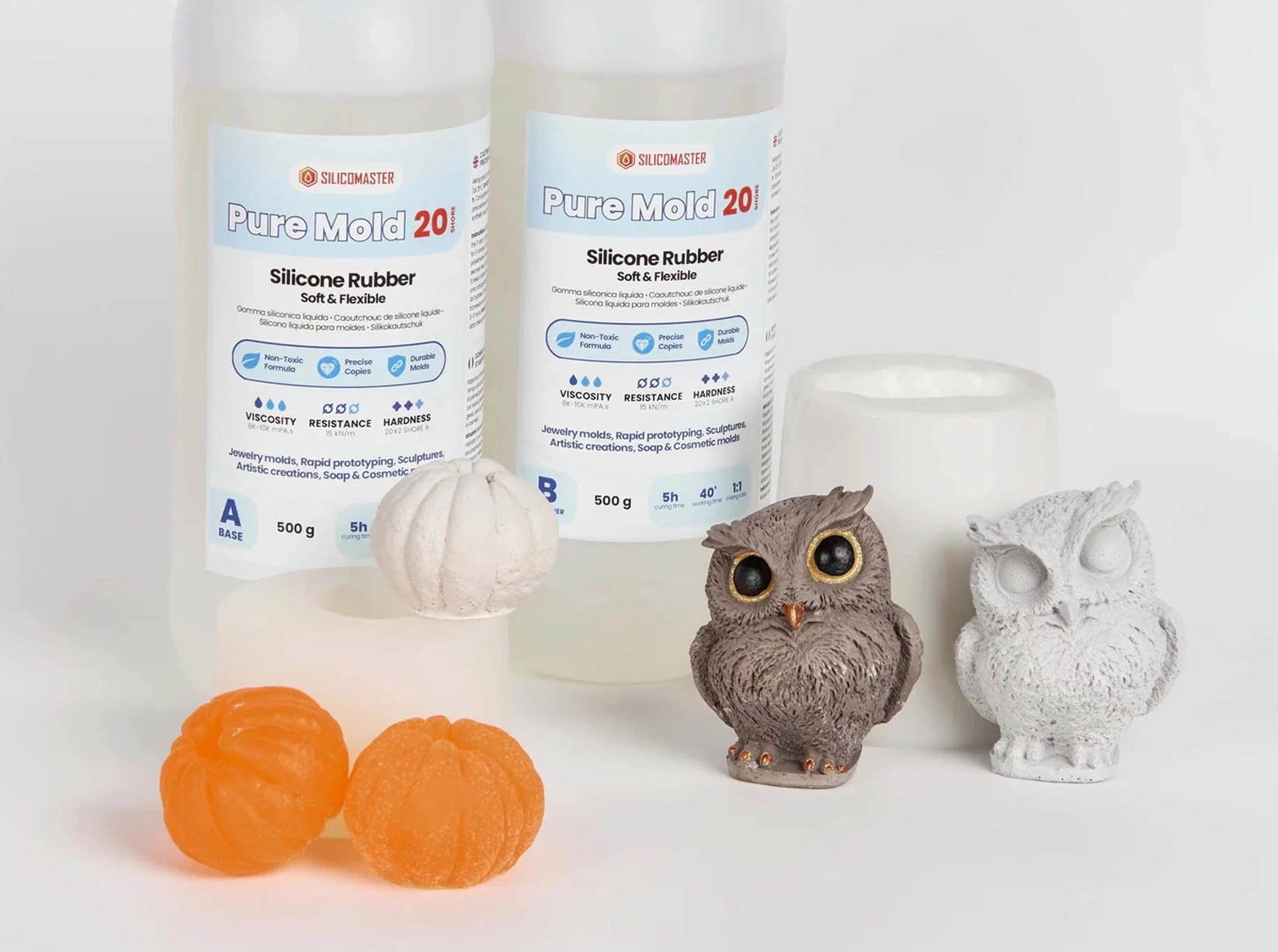
Start by ensuring that the silicone rubber surface is completely clean and free from any contaminants, oils, or release agents. Use isopropyl alcohol or a dedicated silicone cleaner, wiping the entire surface with a lint-free cloth. Allow the surface to dry fully, as any residue will prevent primer and paint from bonding correctly. Neglecting this step can lead to uneven finishes and peeling paint.
Key the Surface for Better Paint Adhesion
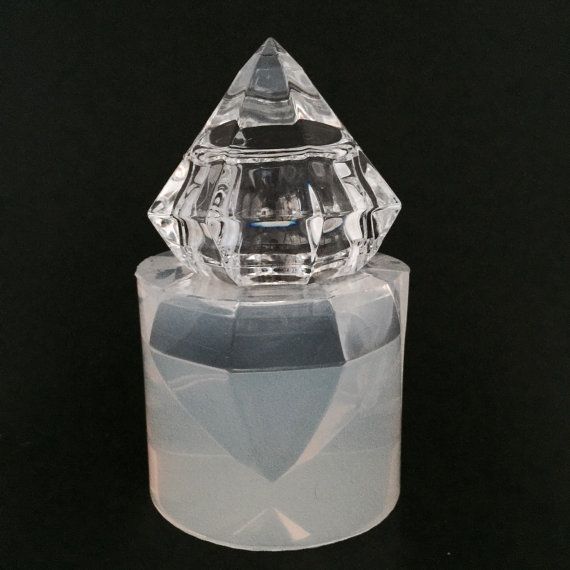
Silicone rubber is naturally slick, so providing a slight texture helps paint adhere. Gently abrade the surface using a scouring pad or fine-grit sandpaper (400–600 grit). Be careful to avoid damaging the piece – the goal is simply to dull the shine, not to create deep scratches. After sanding, remove any dust with a clean cloth. Skipping or overdoing this process can lead to poor paint bonding or visible marks on the finished product.
Apply a Compatible Primer to Silicone Rubber
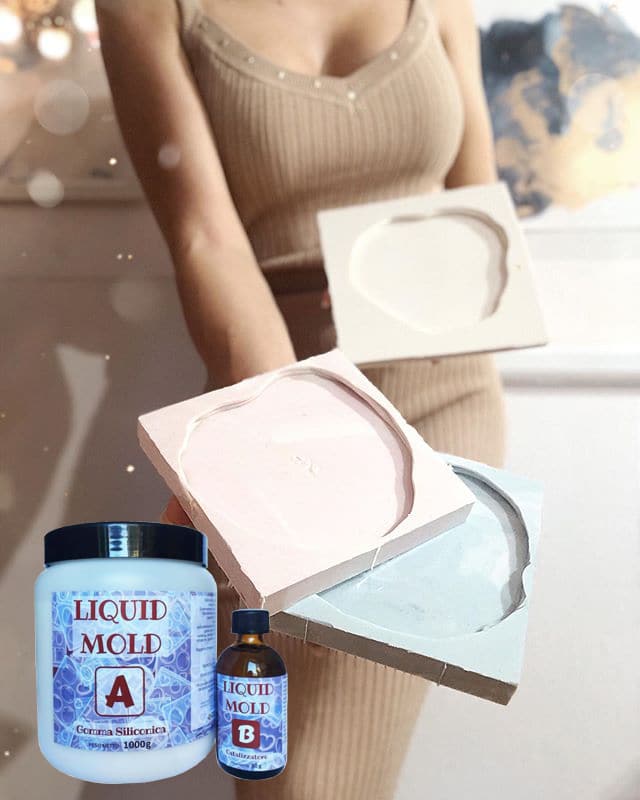
To ensure the paint sticks, apply a specialist adhesion primer formulated for silicone surfaces. Follow the manufacturer’s guidelines for application and drying times. Use a soft brush or spray for even coverage, taking care not to overload the surface. Let the primer cure as recommended – usually several hours – to enable strong adhesion. Without a primer, standard paints are likely to peel or flake off quickly. If you created your item using a product like “Pure Mould” – Translucent Liquid Silicone Rubber for Mould Making, ensure mould oils are completely removed before priming.

Paint Silicone Rubber with Flexible Paint
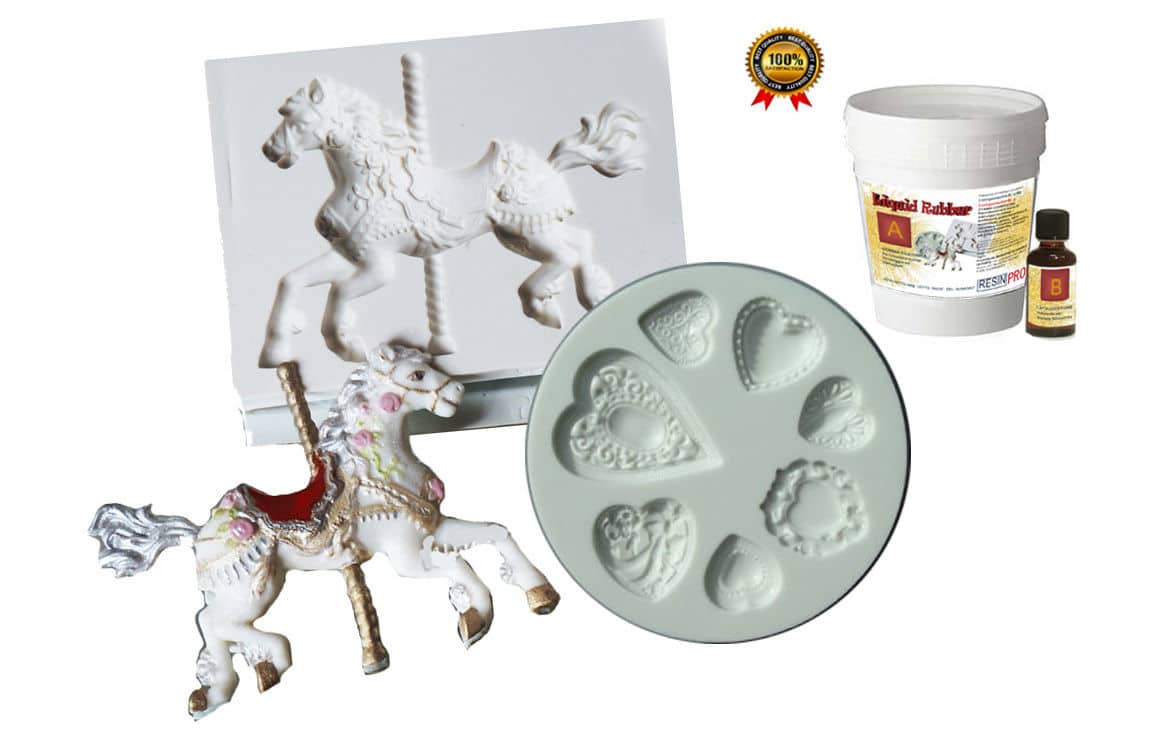
Once primed, use a flexible paint formulated to move with the silicone substrate, such as a silicone-based ink or high-quality flexible acrylic suitable for rubber. Apply the paint evenly using a soft brush or airbrush, building up several thin coats rather than one thick layer. Allow each coat to dry according to manufacture’s instructions for the best results. Thick, rapid application can cause cracking, blisters, or a sticky finish, so patience is key for a smooth, even result.
Common Painting Mistakes and Troubleshooting
Painting silicone rubber can be tricky for beginners. Always test your paint and primer combination on an inconspicuous area first. Typical mistakes include using incompatible paints, skipping primer, or working on oily surfaces. Most failures relate to inadequate cleaning or preparation. If the paint peels, gently strip it, clean the surface again, and reapply primer. For best results, consult the product guidance provided with your chosen silicone materials and paints.
Finishing and Curing Tips for Painted Silicone
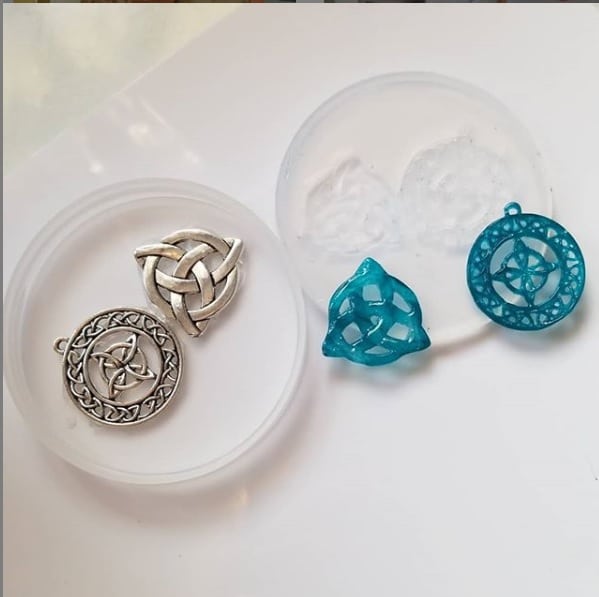
Allow painted silicone items to cure undisturbed for at least 24–48 hours in a dust-free zone for optimal durability. Avoid flexing or handling items until paint is completely set to reduce the risk of peeling or marks on the finish.
- "Pure Mould" – Translucent Liquid Silicone Rubber for Mould MakingPrice range: £23.95 through £166.95"Pure Mould" silicone rubber is a translucent, fast curing product suitable for moulds compatible with resins, plaster and cement.
- "Liquid Mould" – Casting Liquid Silicone Rubber, 5-40 Shores, Bi-Component A+BPrice range: £14.45 through £387.45"Liquid Mould" casting liquid silicone rubber is designed for making moulds with fine detail, fitting the theme of painting silicone rubber.
- "Liquid Mould" – Casting Liquid Silicone Rubber, 15 Shores 20.8 kg£348.85"Liquid Mould" is a casting liquid silicone rubber designed for making detailed moulds including those with complex shapes and fine details.
 "I–Gum" – Non-Toxic Silicone Putty for Mould MakingPrice range: £24.00 through £104.95The "I–Gum" non-toxic silicone putty is designed for mould making with epoxy resin and other materials, suitable for careful craft projects and…
Frequently Asked Questions
Do I need to prime silicone before painting?
Yes, a specialist primer is essential for ensuring paint adhesion to silicone rubber surfaces.
What paints work best on silicone rubber?
Use flexible, silicone-based paints or high-quality flexible acrylics for best results.
Can I paint over used silicone moulds?
Yes, but clean them thoroughly to remove oils or release agents before priming and painting.
How do I prevent paint from peeling?
Careful cleaning, surface keying, and the correct primer all help prevent peeling or flaking paint.
Is sanding silicone rubber necessary?
Light sanding improves paint adhesion by dulling the surface, but avoid aggressive abrasion.
Can I use regular spray paints on silicone rubber?
Standard spray paints usually do not adhere well; always use flexible or silicone-compatible paints.