 Free shipping on orders over £29,85
  Shipping Tracking!


 Google
 Facebook
← Back to How to make silicone rubber at home?
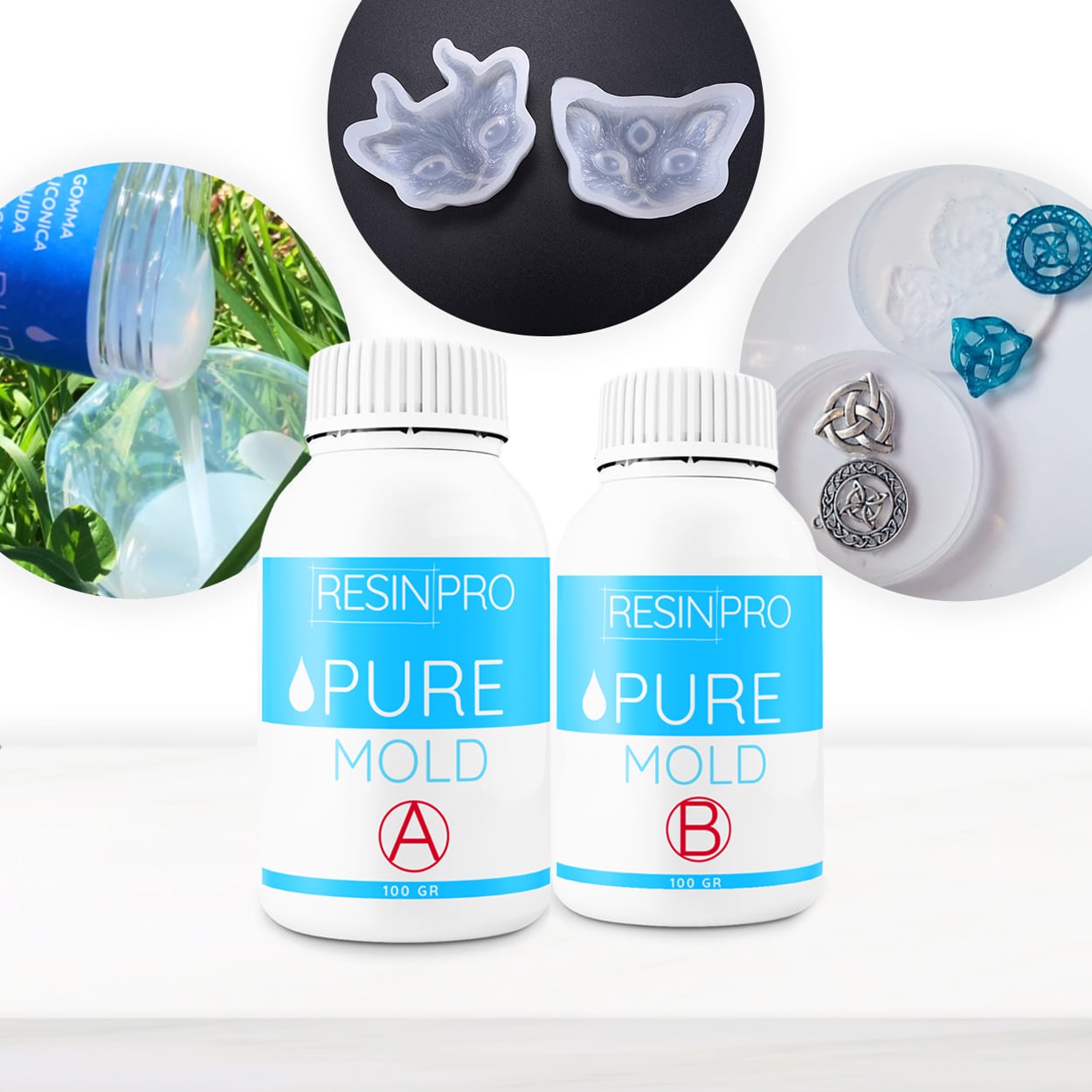
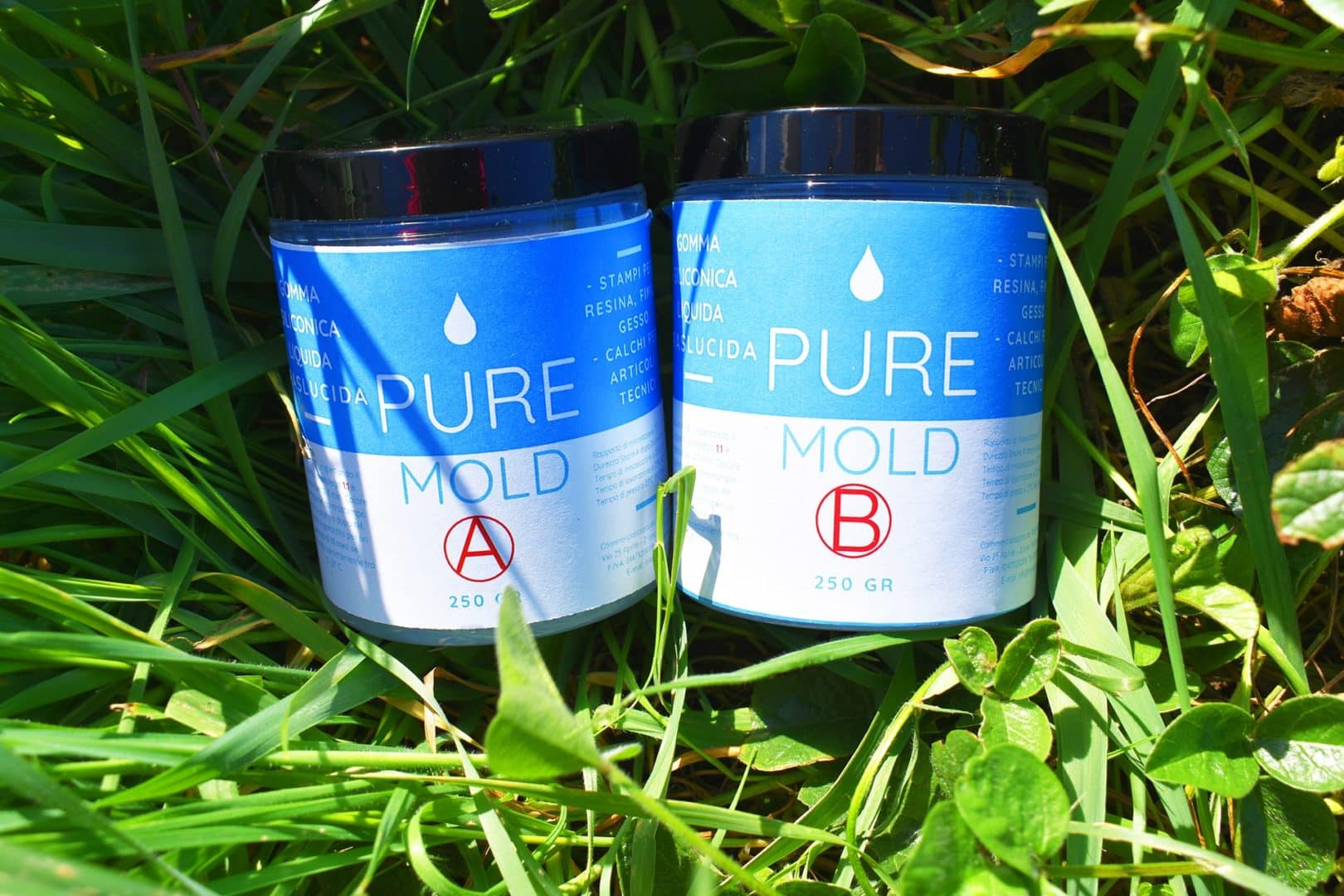
When making silicone rubber moulds at home, considering safety is just as important as the creative process. Even though many modern silicone products are formulated with ease of use in mind, some simple protective measures help ensure a safe and enjoyable experience.
Recommended Protective Measures
For most silicone moulding projects, it’s a good idea to wear disposable gloves. This prevents direct contact with liquid silicone, activators or additives, which could cause residue to stick to your skin or minor irritation in rare cases. Additionally, choose a well-ventilated workspace. While high-quality silicone rubbers such as “Pure Mould” – Translucent Liquid Silicone Rubber for Mould Making are designed to be odourless and solvent-free, pouring and mixing any chemicals always warrants caution.
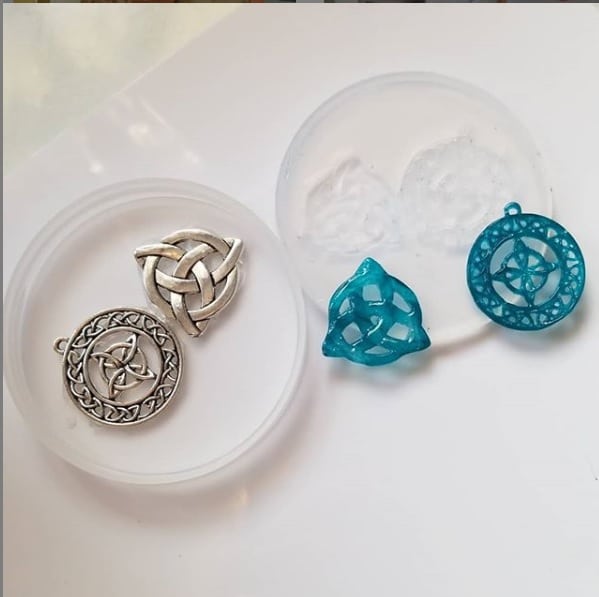
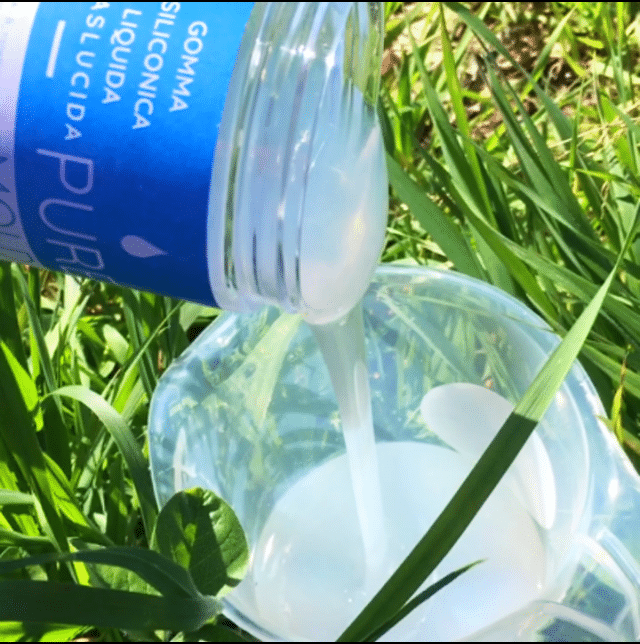
Practical Safety Guidance for Hobbyists
Before starting, prepare your area by covering surfaces to catch any spills or drips. Always follow the instructions for mixing and handling silicone products, whether you’re using liquid rubbers or a non-toxic putty like “I–Gum”. Ensure containers are tightly sealed after use to prevent accidental exposure. If you do get silicone on your skin, simply wash with soapy water.
When Protective Equipment Matters Most
Wearing gloves and ventilating your workspace becomes especially important when you are working with larger batches or for longer periods, where accidental splashes or vapours can be more likely. Beginners might also benefit from added protection to build good habits and boost confidence.
Related products
Related guides
By taking mindful precautions with gloves and proper workspace setup, silicone moulding at home remains a rewarding and safe pursuit. For more in-depth guidance and creative tips, explore our main guide on how to make silicone rubber at home.