 Free shipping on orders over £29,85
  Shipping Tracking!


 Google
 Facebook
How to install resin coating?
Step-by-step instructions for professional-quality results
Installing a resin coating delivers robust protection and stylish finishes across a variety of surfaces—from decorative walls to driveable floors and outdoor areas. This guide covers all you need to know for a successful resin coating installation, whether you’re transforming interiors, revitalising old concrete, or giving your outdoor spaces a fresh, durable look.
What You’ll Need
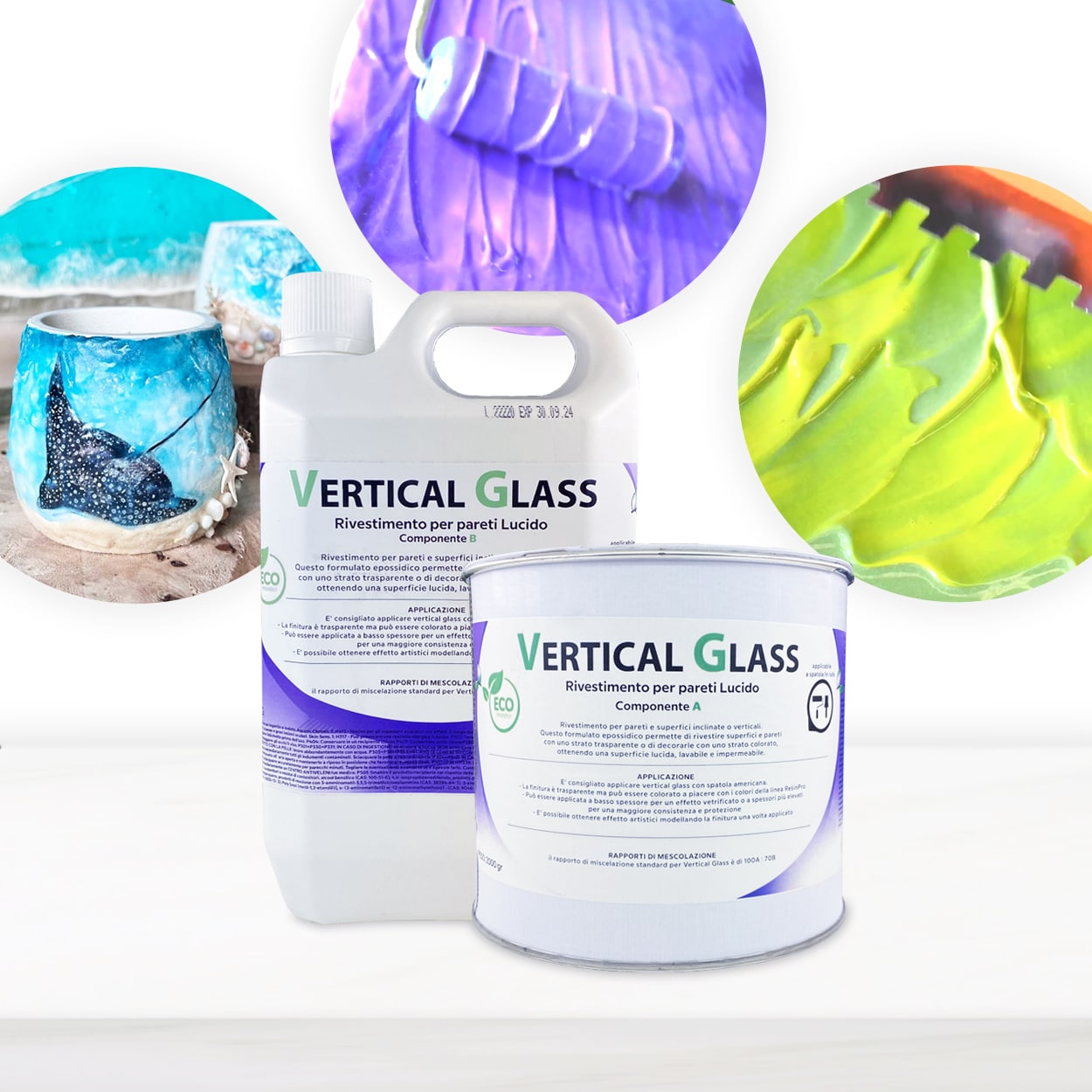
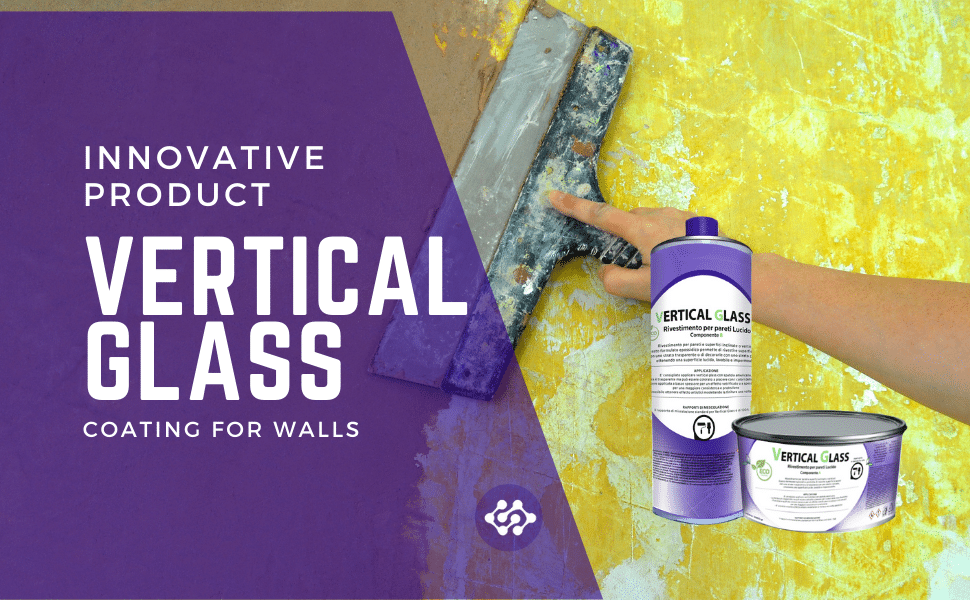
- “Vertical Glass” – Thick Resin Decorative Wall Coating: Epoxy resin for customisable, waterproof vertical finishes.
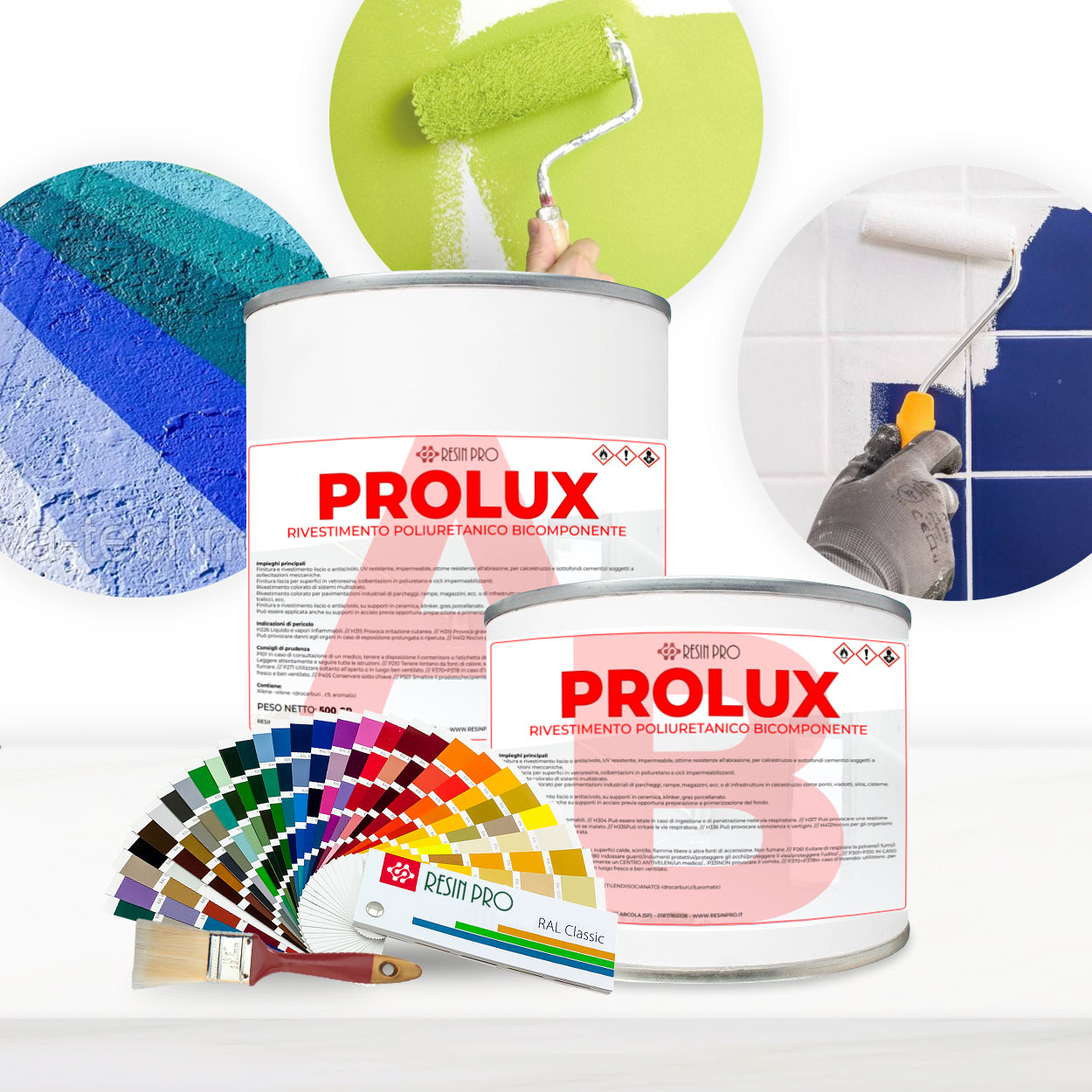
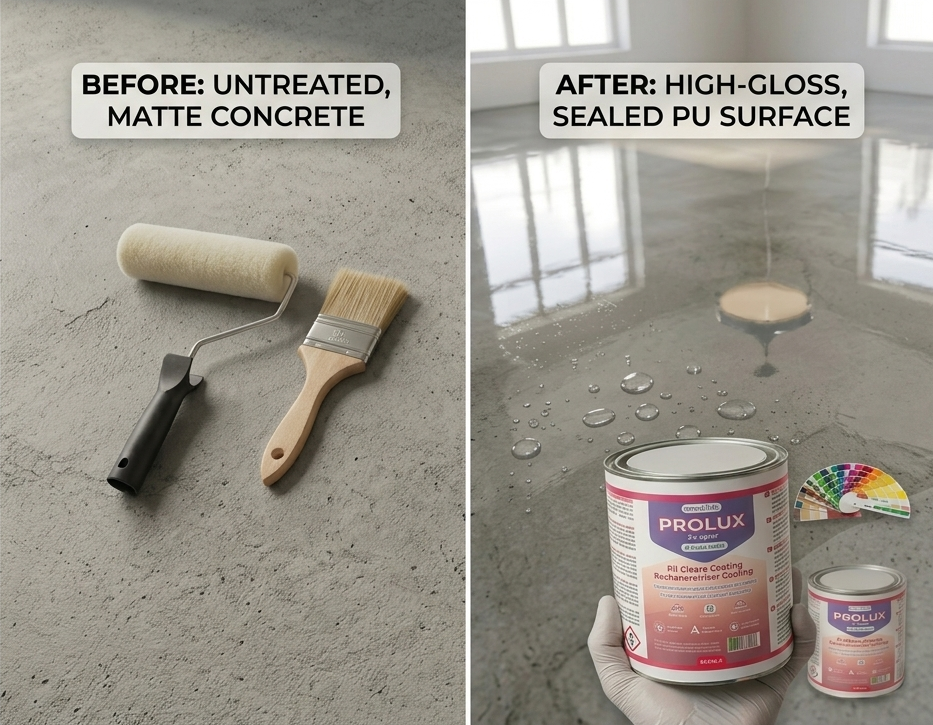
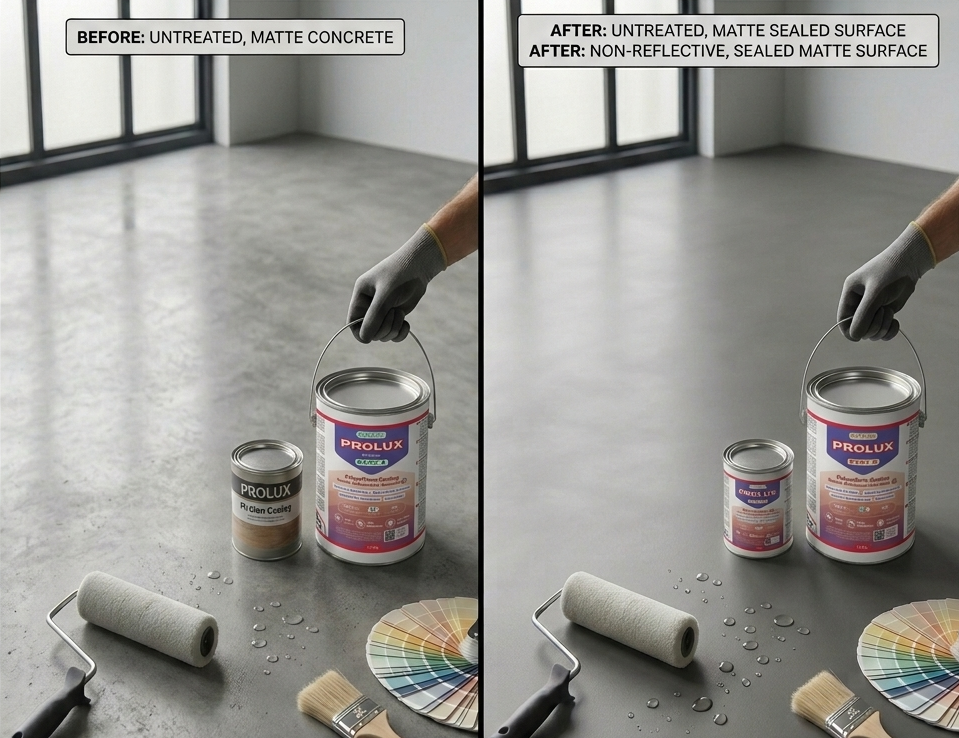
- “Prolux” – PU coating for tiles, concrete, plastic and metal – suitable for driveable surfaces: Polyurethane for floors and high-traffic areas needing high durability.
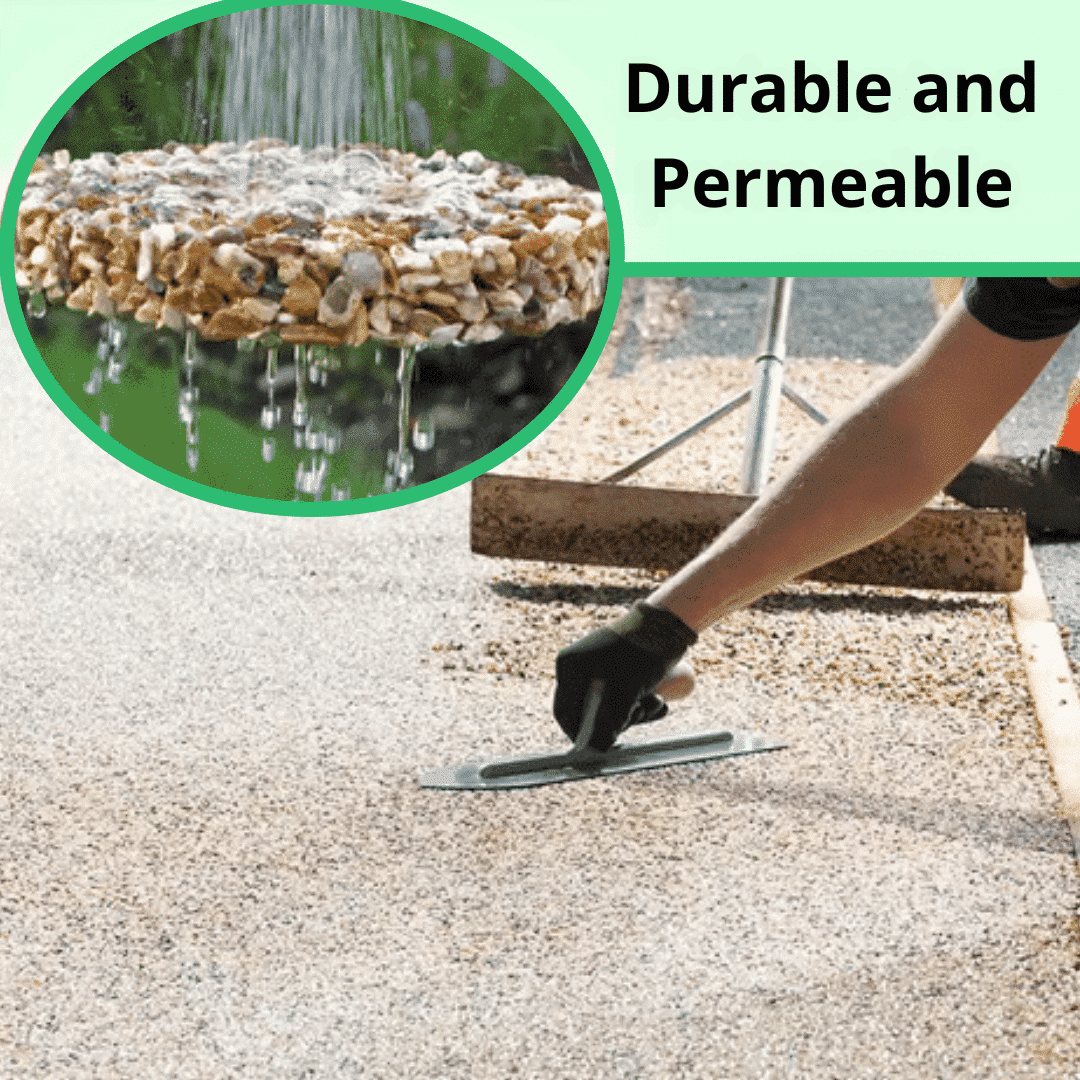
- “Flowstone” – Complete Permeable Floor Kit with Pebbles and Resin: Kit for creating permeable, decorative outdoor flooring.
- “Heat Pro” – Flexible Heat-Resistant Glossy Coating: Flexible, heat-resistant coating for smaller epoxy resin items.
- Protective gloves, goggles and mask
- Mixing containers and spatula or roller
- Sanding equipment and cleaning materials
Preparing Your Workspace for Resin Application
Clear your workspace of dust and debris and organise all materials before you begin. Ensure good ventilation for safety, and mask off areas that should not be coated to prevent unwanted resin drips or spills.
Step 1: Prepare the Surface
Begin by thoroughly cleaning the substrate to remove dirt, grease, and loose debris. This may involve sanding, vacuuming, and wiping down with a suitable cleaner. Ensure the area is fully dry before proceeding. For porous surfaces, consider applying a primer compatible with your chosen resin system. Tape off adjacent areas to prevent accidental coating.
Surface preparation is crucial for adhesion and longevity—spend extra time ensuring the base is as clean, flat, and dry as possible to avoid issues with bubbling or peeling later.


Step 2: Select and Mix the Resin Product
Pick the right resin for your project. For vertical decorative finishes, use “Vertical Glass” – Thick Resin Decorative Wall Coating. For driveable floors or areas exposed to UV, opt for “Prolux” – PU coating for tiles, concrete, plastic and metal – suitable for driveable surfaces. Outdoor pebble and resin floors are best tackled with the “Flowstone” – Complete Permeable Floor Kit with Pebbles and Resin. For smaller heat-sensitive items, “Heat Pro” – Flexible Heat-Resistant Glossy Coating is ideal.
Always read the product’s instructions before mixing resin and hardener in the precise ratio stated. Incomplete mixing can cause curing failures. Use a clean mixing container and a spatula or low-speed mixer to blend thoroughly, scraping the sides and bottom to integrate all components fully.
Choose the right resin for your surface and mix components thoroughly to ensure performance.
Step 3: Apply the Resin Coating
Pour or spread the prepared resin evenly, following the manufacturer’s recommended method. On large horizontal surfaces, use a roller or notched trowel for uniform thickness. For vertical surfaces, “Vertical Glass” – Thick Resin Decorative Wall Coating can be easily applied with a spatula to control pattern, thickness, and texture as desired.
Work steadily, overlapping passes to avoid visible joins. Take care with edges and corners. Most products require the workspace to be dust-free to keep the finish clear and glossy.
Apply resin evenly with mindful technique for the most professional results.
Step 4: Allow to Cure and Finish
Leave the coated area undisturbed for the full curing time stated in your product’s instructions—typically 24–48 hours at room temperature. Protect the surface from dust, moisture, and physical impact during this period. Some coatings, such as “Vertical Glass” – Thick Resin Decorative Wall Coating, can be sanded after curing for a satin finish or to repair surface imperfections.
For driveable or outdoor areas, confirm full chemical cure before allowing traffic or prolonged exposure to the elements.
Allow proper curing time before use to ensure your coating achieves its full durability.
Tips, Common Mistakes, and Troubleshooting
Work in a dust-free, well-ventilated environment to minimise bubbles and imperfections. Avoid applying resin in overly cold, hot, or humid conditions, which can affect flow, adhesion and curing. Measure and mix accurately—the most frequent problems arise from improper mixing ratios or rushed application. Always use personal protective equipment and follow the safety recommendations for your chosen product.
If air bubbles appear, you can usually remove them immediately after pouring by gently passing a heat gun or torch over the surface. Should you spot imperfections after curing, many resin coatings can be lightly sanded and re-coated for a flawless result.
Ensuring a Durable and Attractive Finish
Allow the resin to fully cure before using the surface for its intended purpose. For decorative effects, experiment with pigments or finish with a gentle sanding for a satin texture as described for certain products.
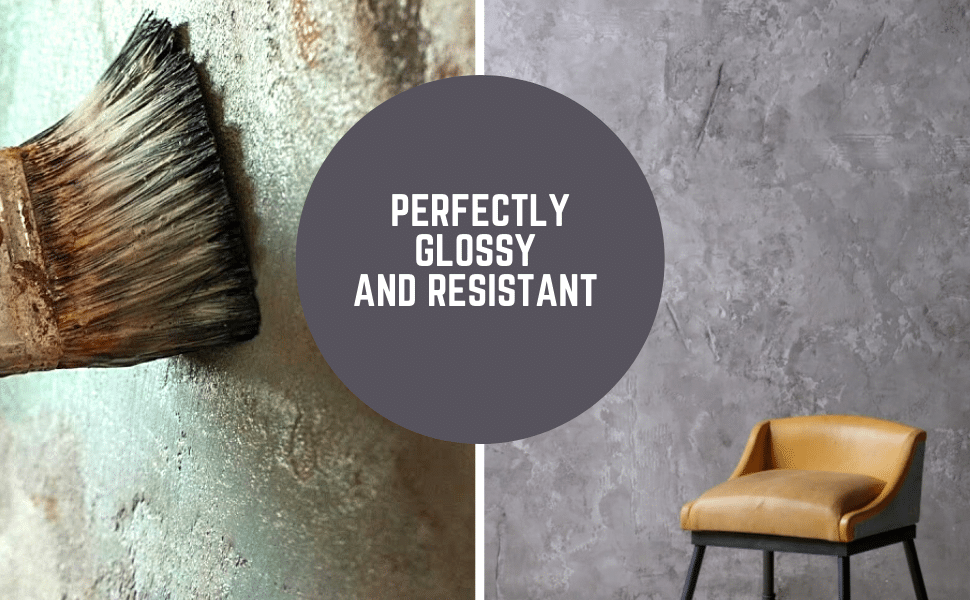
- "Vertical Glass" – Thick Resin Decorative Wall CoatingPrice range: £78.95 through £188.95Vertical Glass offers a customisable, waterproof epoxy resin coating suitable for vertical and sloping surfaces with various finishes.
- "Prolux" – PU coating for tiles, concrete, plastic and metal – suitable for driveable surfacesPrice range: £44.85 through £494.85"Prolux" is a polyurethane coating suitable for various surfaces including tiles, concrete and metal, offering durable protection with gloss or satin…
- "Flowstone" – Complete Permeable Floor Kit with Pebbles and ResinPrice range: £49.95 through £3,915.45The Flowstone kit offers a permeable, durable pebble and resin system for UK outdoor spaces with step-by-step application for various surfaces.
 "Heat Pro" – Flexible Heat-Resistant Glossy CoatingPrice range: £26.45 through £185.45Heat Pro is an elastic polyurethane resin designed for epoxy projects offering heat resistance up to 200°C with a glossy finish.
Frequently Asked Questions
Do I need to prep my surface before applying resin coating?
Yes, all surfaces should be clean, dry, and free of dust or oil to ensure optimal adhesion and durability.
Is resin coating suitable for outdoor driveways or patios?
Many resin coatings, such as Flowstone, are formulated for outdoor use and allow for water drainage and weather resistance.
Which resin type should I use for walls vs. floors?
Vertical Glass is ideal for walls, while Prolux is recommended for floors or high-traffic areas.
How long should resin cure before use?
Allow at least 24–48 hours for most resin coatings to fully cure, or follow specific product instructions for best results.
Can I install a resin coating myself?
Yes, most kits are designed for DIY installation, provided you follow instructions carefully and use proper tools.
Can I sand and retouch a resin coating after it's cured?
Certain resins, like Vertical Glass, can be sanded or refinished after curing to fix minor flaws or refresh the finish.