 Free shipping on orders over £29,85
  Shipping Tracking!


 Google
 Facebook
What to Do if the Resin Doesn’t Harden?
Practical solutions for resolving resin curing problems.
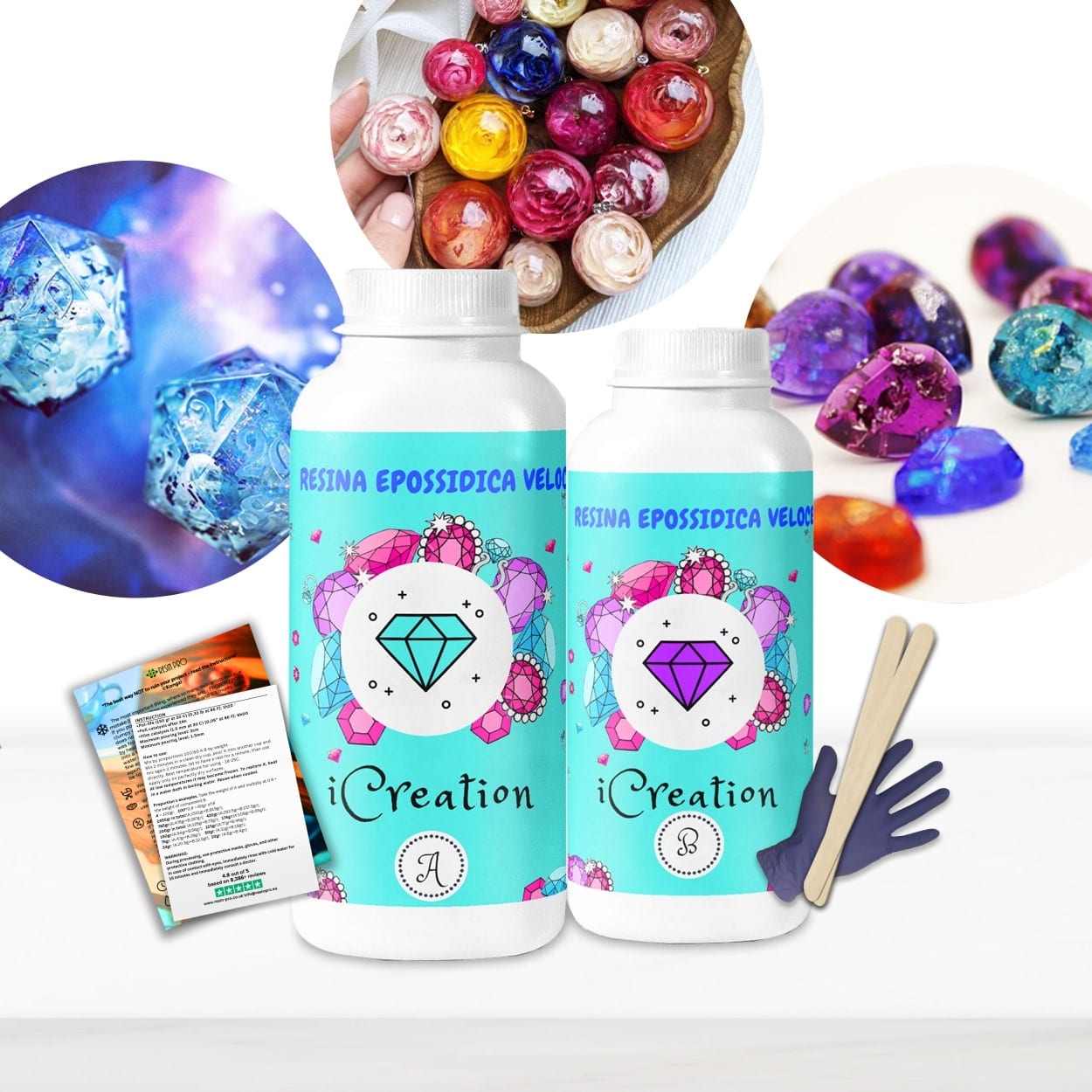
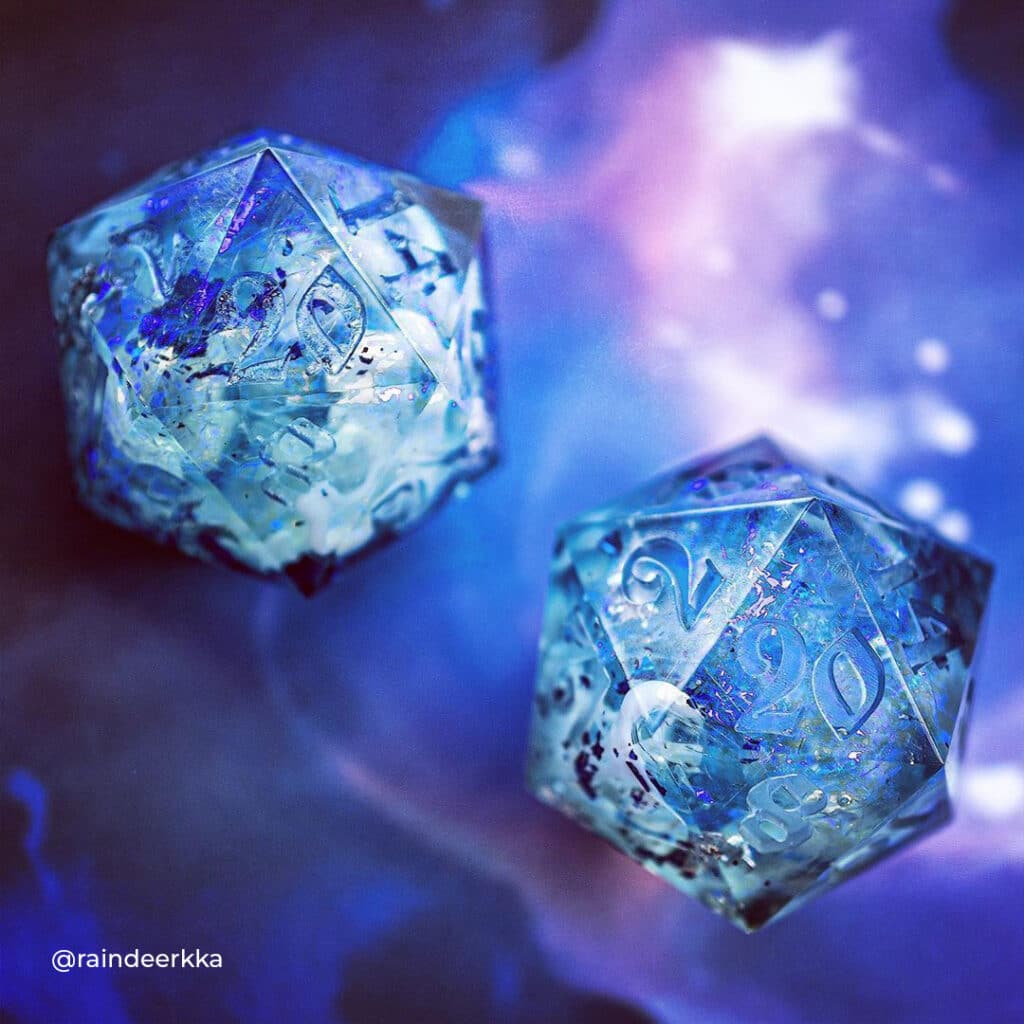
If you have ever found yourself frustrated by sticky, soft, or undercured resin, this guide is designed for you. We cover what causes resin to fail to harden properly and, most importantly, how to select solutions and products that ensure reliable, consistent cures—whether you are a first-time crafter or an experienced resin artist.
Understanding Resin Curing Problems and How to Fix Them
When resin doesn’t harden, it’s often due to temperature, humidity, incorrect mixing ratios, or simply using a slow-curing formula when your project needs a fast turnaround. Choosing the right resin for your application is crucial. Quick-curing epoxies and UV acrylics provide faster, more dependable results compared to traditional systems, especially when timing and clarity are paramount. Product design, intended use, and the mixing process all play important roles—so knowing the key differences can save both your project and your patience.
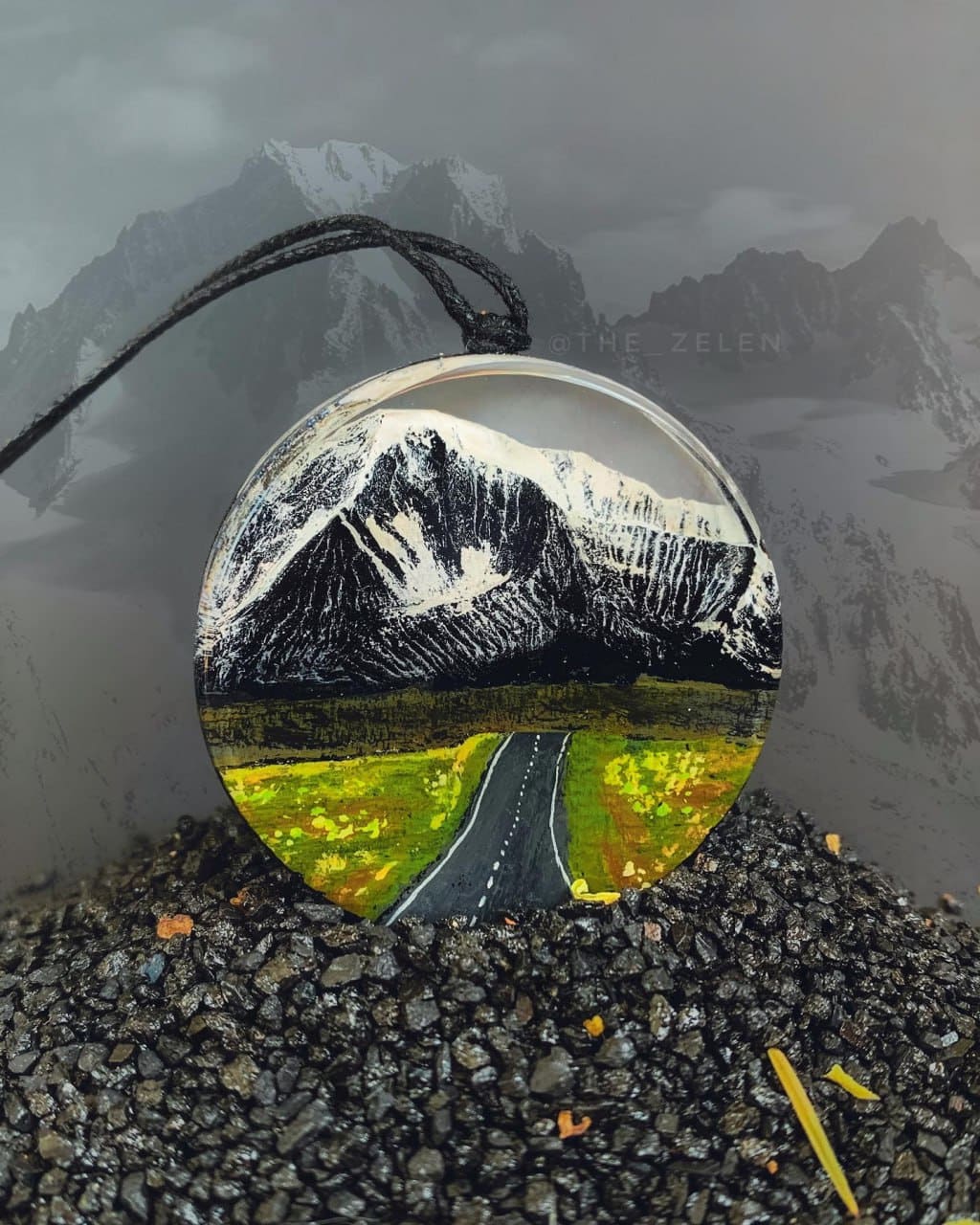
See Fast-Curing Resins in Action
Watch how using fast-curing or UV-activated resins transforms both workflow speed and surface quality. Real-world projects highlight cures in under 6 hours, perfect for those with time-sensitive demands.
“ICreation” – Fast Epoxy Resin for Rapid Results
The “ICreation” – Fast Epoxy Resin is ideal for artists and crafters who require their resin to harden quickly. With a super-fast catalysis time, it allows for demoulding in as little as 6 hours and a full cure in 12 hours. Its transparent, self-levelling formula ensures a professional, glossy finish—making it perfect for jewellery and craft projects where clarity and reduced waiting time are priorities. The straightforward 2:1 mixing ratio also reduces the risk of errors that can cause incomplete curing. Built-in UV filter protection defends against yellowing and prolongs the life of your creation.
“UV–Creation” – Fast Acrylic Resin, 3 Minute UV Cure
If you need near-instant hardening of your designs, “UV–Creation” – Fast Acrylic Resin, 3 Minute UV Cure offers unmatched convenience. This one-component, ready-to-use UV resin hardens in 2–3 minutes under a UV lamp and produces a glossy, non-yellowing finish perfect for jewellery and small crafts. Its non-toxic, odourless formula is vegan-friendly and designed to minimise user error—simply pour, shape, and cure under light. No mixing required and no sticky surfaces left behind.
“One-2-One” – Epoxy Resin for Handcraft, 1:1 Mixing Ratio
For those wanting a simple, stress-free mixing process, “One-2-One” – Epoxy Resin for Handcraft, 1:1 Mixing Ratio is a go-to solution. With its equal-parts by volume preparation, it’s nearly error-proof. This medium-viscosity, non-toxic epoxy is well-suited for beginners and advanced makers alike, providing a crystal-clear, super-glossy, and highly durable finish. Its UV filter offers excellent resistance to yellowing, maintaining the beauty of your artwork year after year.
“3D Finish” – Fast Coating Epoxy Resin for 3D Prints
If you are finishing 3D-printed models or require swift, reliable adhesion to complex geometries, “3D Finish” – Fast Coating Epoxy Resin for 3D Prints is designed specifically for this purpose. It cures fully in approximately 4 hours at room temperature, producing a seamless, high-gloss coat. Its detail-preserving, non-drip formula is compatible with popular 3D print materials like PLA, ABS, and LAYWOOD and allows for easy sanding and painting. Fast curing reduces the chance of under-hardened or sticky surfaces—a common challenge on intricate prints.
Tips for Reliable Resin Hardening and Curing
To avoid problems with incomplete hardening, always check your mixing ratios, work within the recommended temperature range, and use a resin that matches your project’s timeline. For beginners, choosing formulations with simple ratios (like 1:1 or one-component UV resins) is best. Quick-cure and fast-set formulas can be a game-changer, especially in high humidity or colder conditions where traditional epoxies may fail. Advanced options like “ICreation” and “3D Finish” provide peace of mind, reducing wait times while delivering durable, professional results.
Expert Curing and Mixing Advice
Explore key troubleshooting tips for common resin curing issues. Discover why correct ratios, room temperature, and product selection are crucial for a flawless, fully-hardened finish.
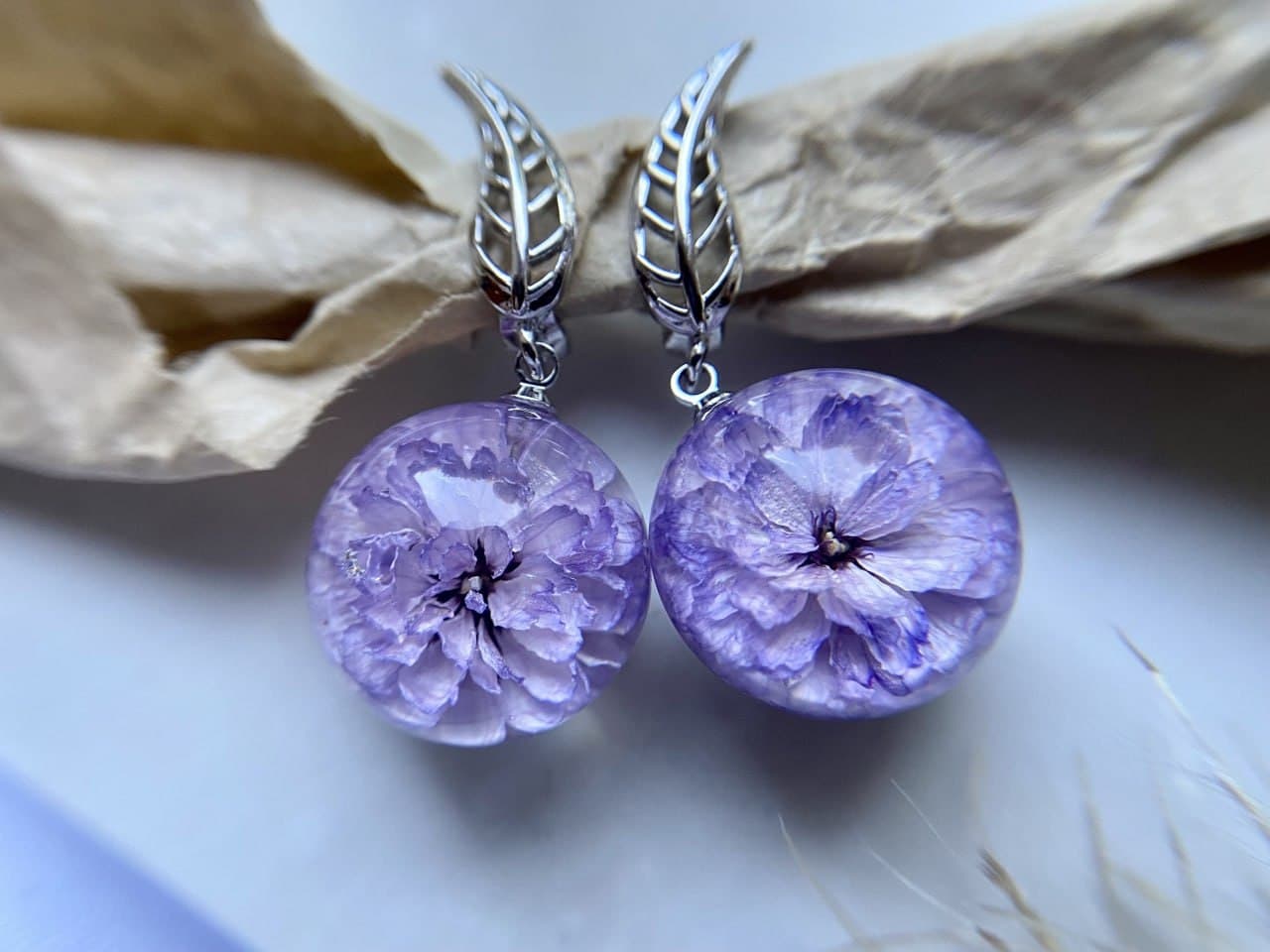
- "ICreation" – Fast Epoxy Resin, 6h Demoulding, Transparent Gloss FinishPrice range: £15.95 through £55.95"ICreation" epoxy resin offers fast curing with a clear, glossy finish suitable for jewellery and craft projects under a time-focused theme.
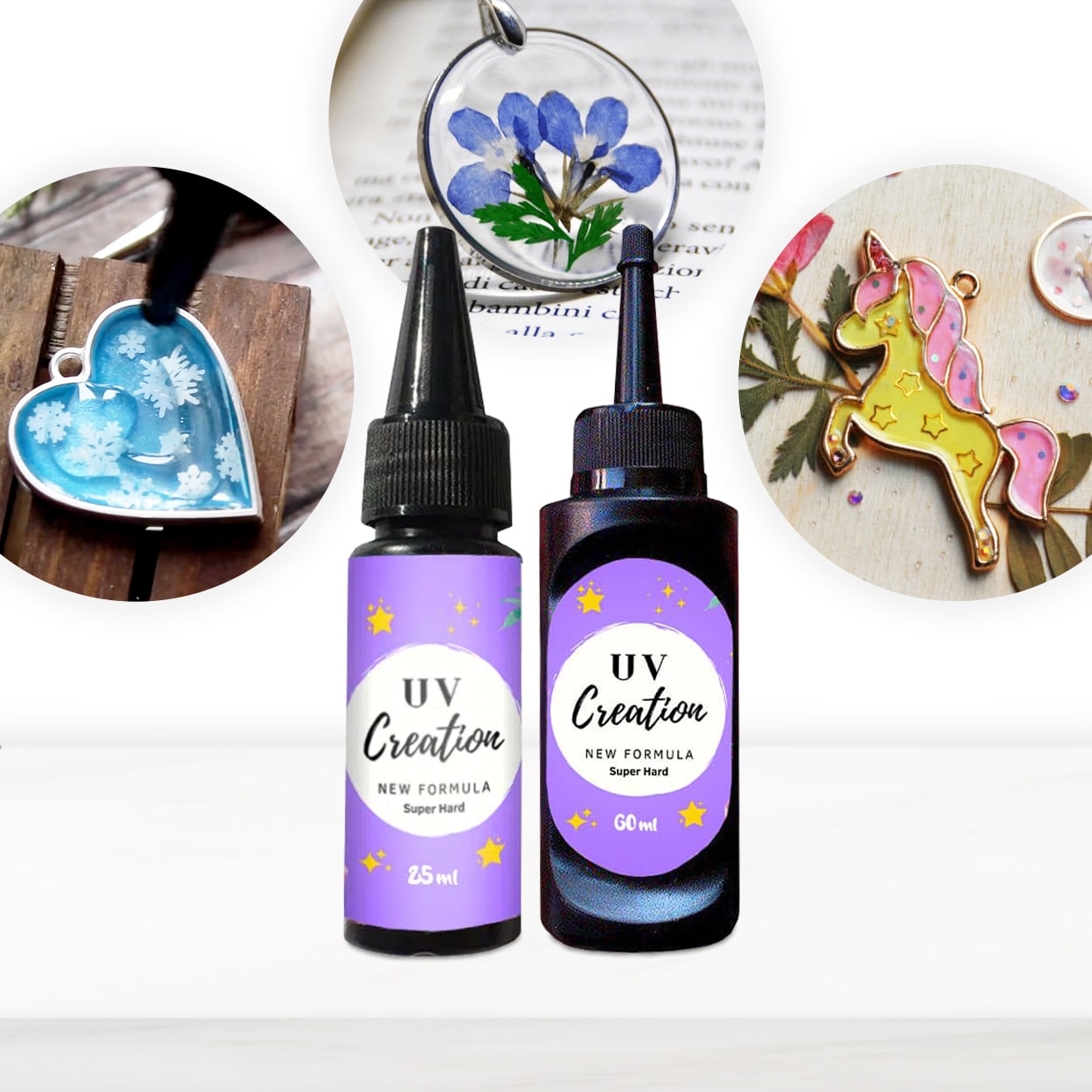 "UV–Creation" – Fast Acrylic Resin, 3 Minute UV CurePrice range: £8.45 through £62.95UV–Creation is a fast curing acrylic resin suitable for jewellers and crafters, providing a clear, glossy, and non-yellowing finish under UV light.
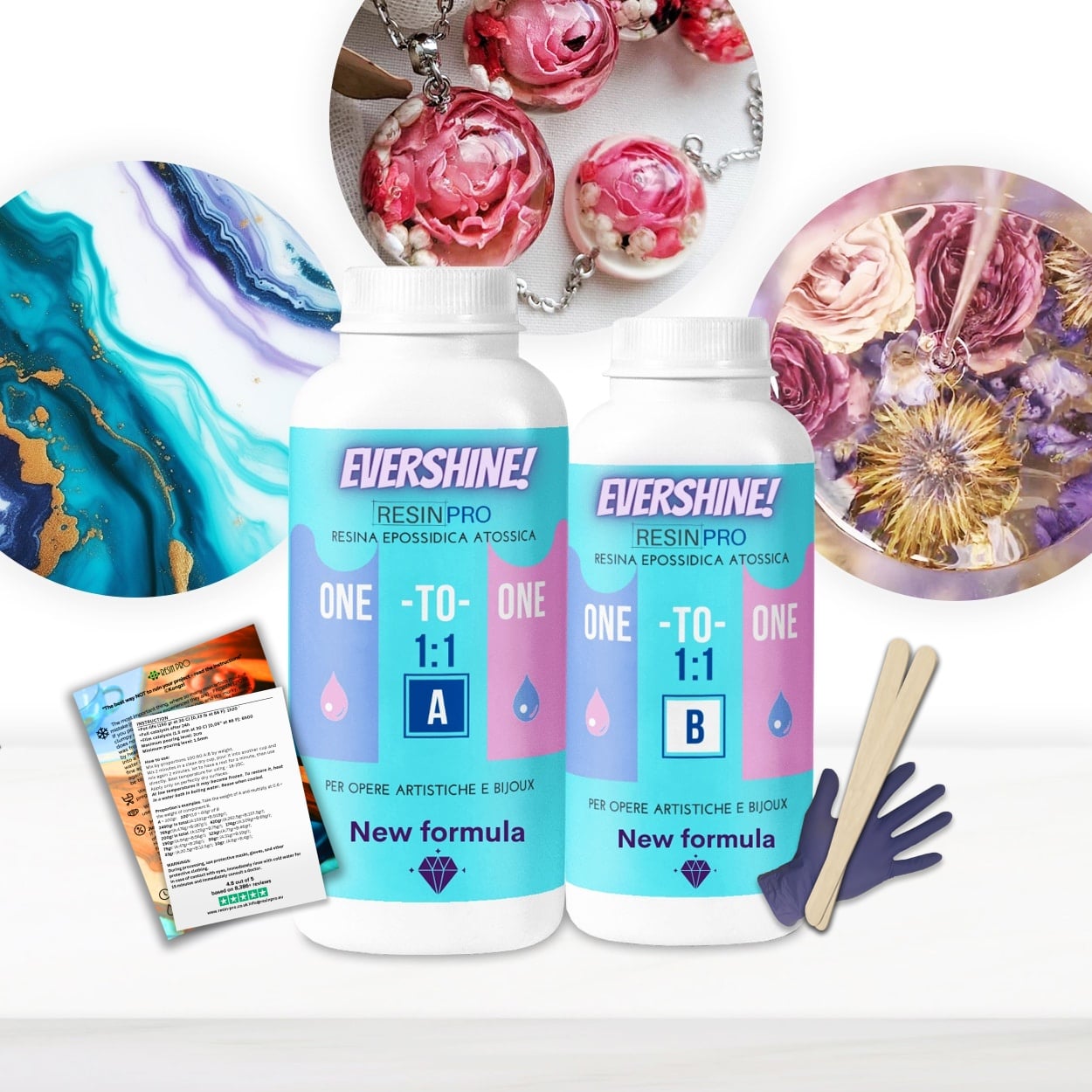 "One-2-One" – Epoxy Resin for Handcraft, 1:1 Mixing RatioPrice range: £15.95 through £59.95"One-2-One" is a medium viscosity epoxy resin with a 1:1 mixing ratio, designed for beginners and crafters seeking reliable, clear finishes.
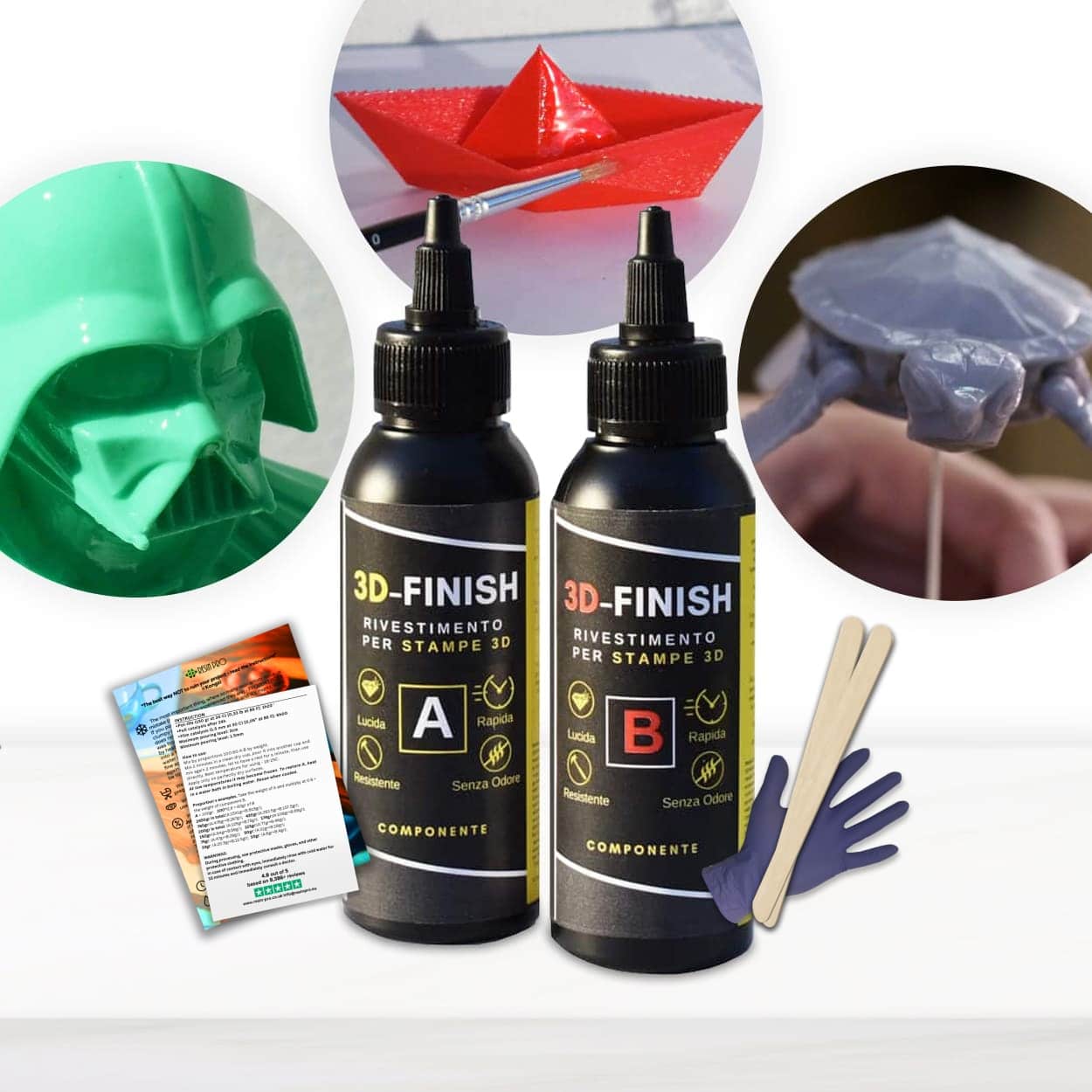 "3D Finish" – Fast Coating Epoxy Resin for 3D PrintsPrice range: £13.95 through £19.95Fast coating epoxy resin for 3D prints offers a smooth, glossy finish that preserves fine details and reinforces common print materials.
Frequently Asked Questions
Why is my resin not hardening properly?
Resin may not harden due to incorrect mixing ratios, low temperatures, high humidity, or using expired resin. Always measure carefully and follow product guidelines.
How can I fix a soft or sticky resin surface?
Remove any tacky resin, then reapply a new layer with the correct mixing ratio. Ensure the curing environment matches the recommended conditions.
Can I reuse resin that failed to cure?
Uncured resin cannot be reused. Safely dispose of it and start fresh, following the product instructions closely for best results.
What resin cures the fastest for urgent projects?
UV resin cures in minutes under a UV lamp, while fast epoxies like ICreation demould in about 6 hours and fully cure in 12.
Which resin is best for beginners to avoid errors?
Choose a resin with a simple 1:1 mixing ratio or one-component UV resin to minimise the risk of errors leading to undercuring.
Is tacky or sticky resin dangerous to touch?
Sticky resin can irritate skin. It’s best to wear gloves and avoid direct contact until the resin has fully hardened or is safely removed.
How does temperature affect resin curing?
Low temperatures slow curing and may prevent full hardening. Aim for room temperature as specified on each resin’s datasheet.