 Free shipping on orders over £29,85
  Shipping Tracking!


 Google
 Facebook
How do you apply enameling resins?
Step-by-step process for stunning enamel resin creations
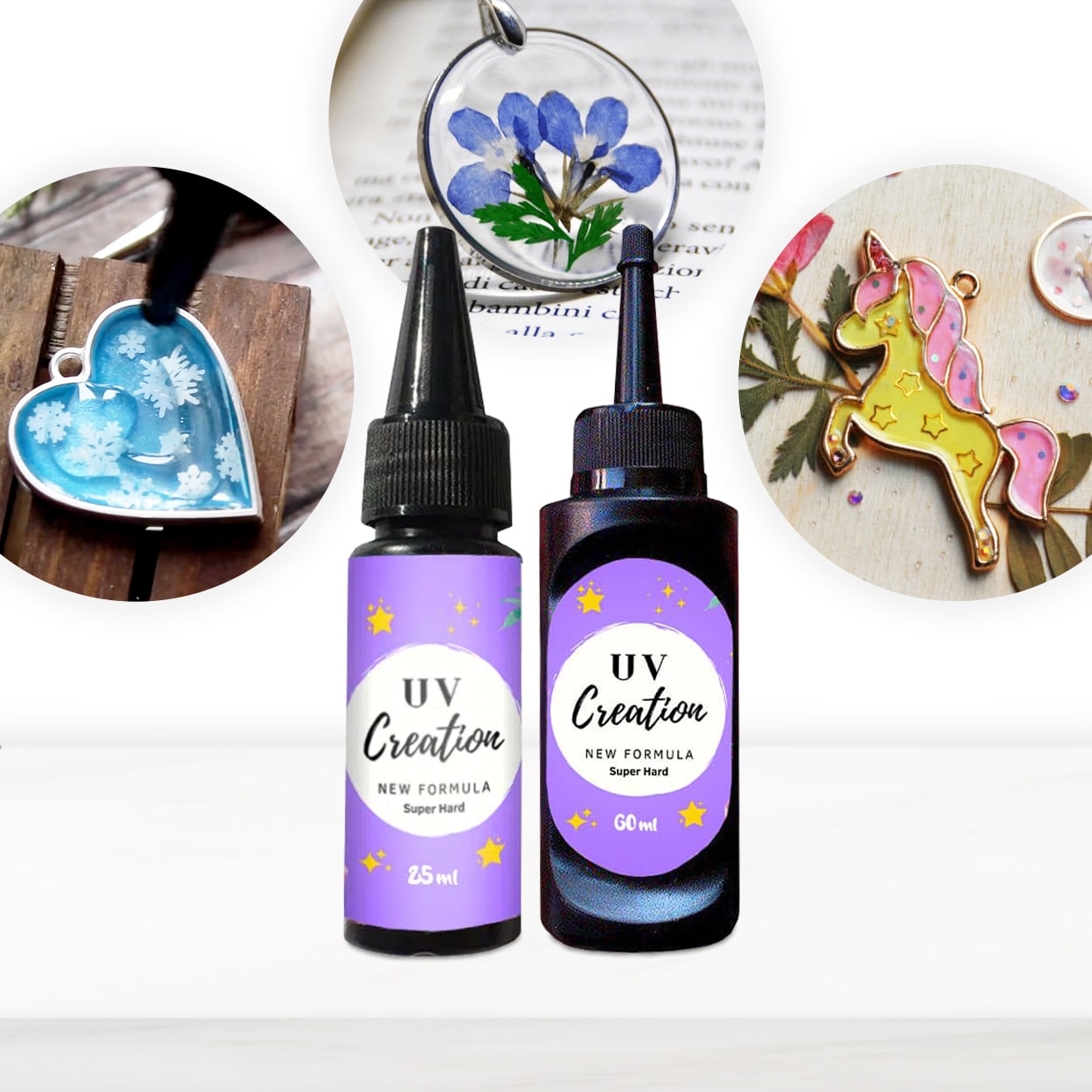
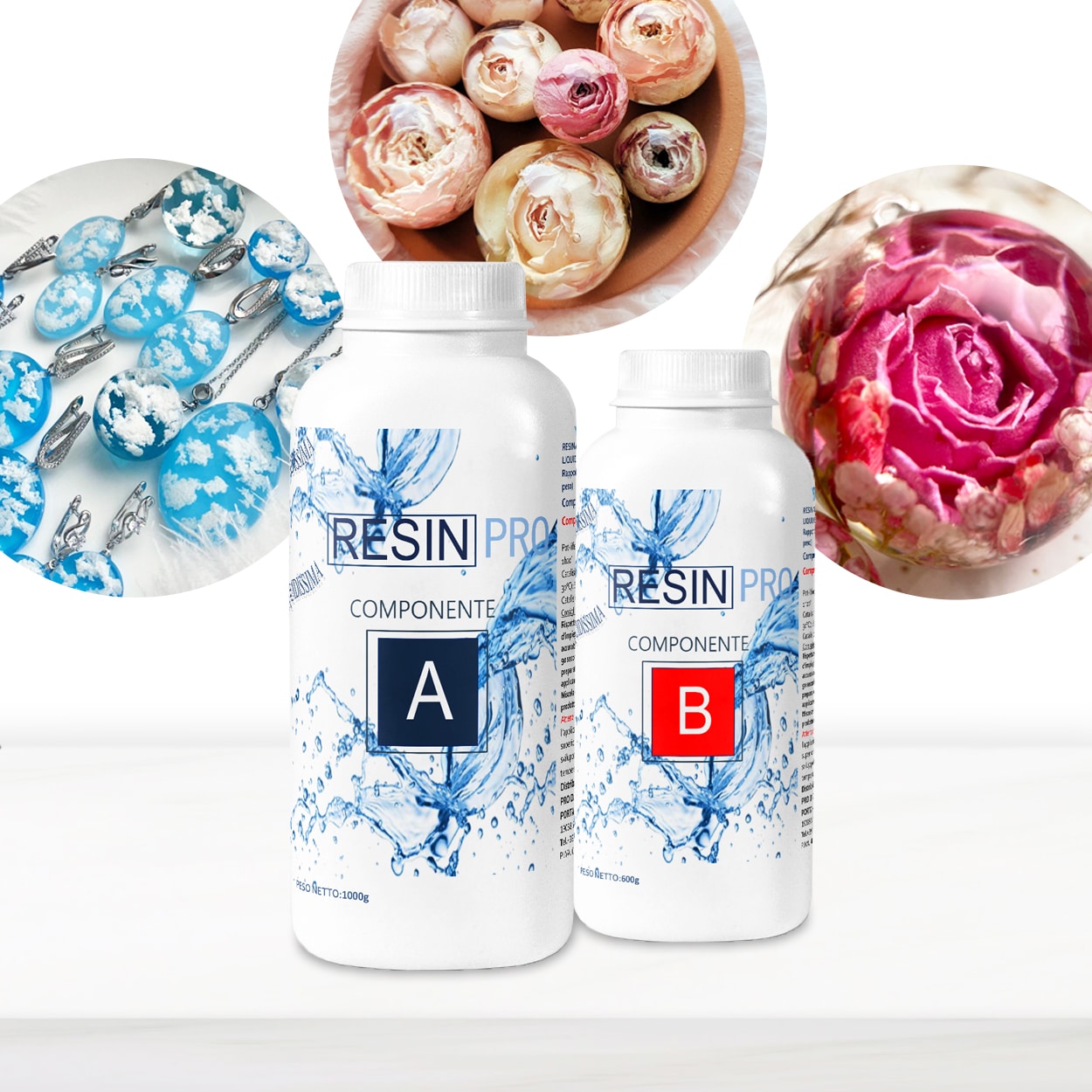
Learning how to apply enameling resins allows you to create jewellery and decorative items with vibrant, glass-like colour. Whether you are a beginner or refining your skills, mastering the application of enameling resin brings professional results to custom designs. Achieve long-lasting, durable finishes by following a careful, structured approach suited for every creative project.
What You’ll Need
- “UV–Creation” – Fast Acrylic Resin, 3 Minute UV Cure: A fast-curing UV acrylic resin for fine-detail work and small pieces.
- “Liquidissima” – Epoxy Resin For Creations & Jewellery: Ideal for intricate jewellery and crafts with a water-clear finish.
- “ICreation” – Fast Epoxy Resin, 6h Demoulding, Transparent Gloss Finish: Excellent for projects that require quick handling and demoulding.
- “One-2-One” – Epoxy Resin for Handcraft, 1:1 Mixing Ratio: Versatile medium viscosity resin for coatings and decorative details.
- Clean mixing cups and spatulas
- Smooth, non-porous work surface
- Release agent or mask (for mould work)
- UV lamp (for UV-cure resins)
- Nitrile gloves and protective apron
- Optional: Colour pigments compatible with your chosen resin
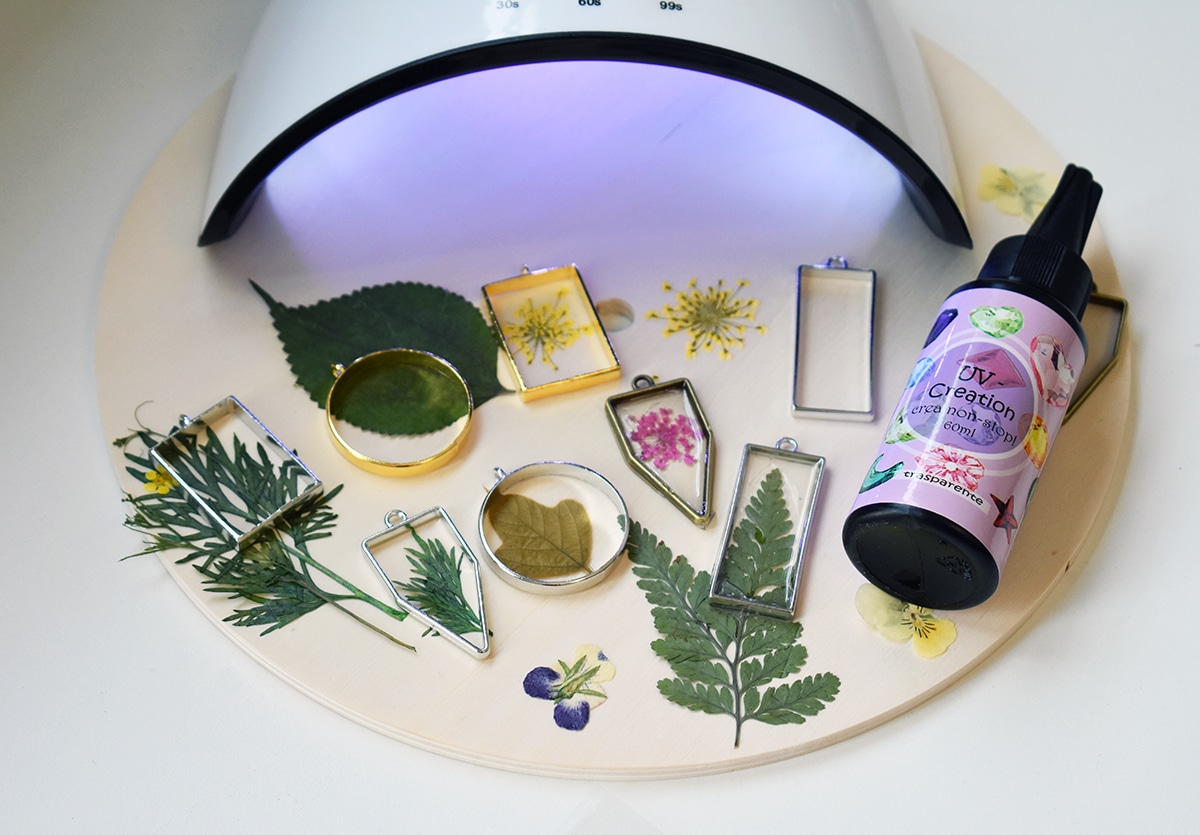
Visual Inspiration: Enameling Resin in Action
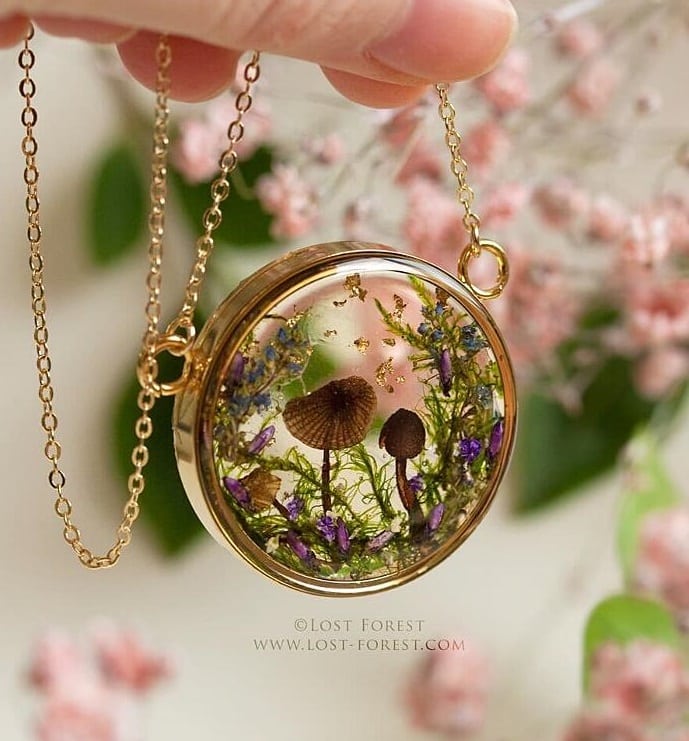
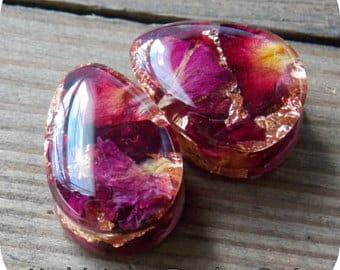
See creative enamel resin projects with vivid colour and clarity. Notice different layering, doming, and transparency effects that professional artists achieve when following the right technique. Visual references can spark new ideas for your own pieces.
Step 1: Prepare Your Surface and Workspace
Always work in a clean, dust-free area to prevent imperfections from settling in your enamel resin. Lay out your tools and ensure your work surface is level. If you’re working with closed bezels, cabochon moulds, or directly on a base, clean them thoroughly to remove oil or dust. For mould work, a release agent may be required for easier removal after curing.
Organise all the materials and test-fit your working space for easy access to your lamp or curing area. Protective equipment such as gloves and aprons are advised to keep resin off your skin and avoid contamination of your project.
Step 2: Mix and Colour Your Resin (if applicable)
For traditional epoxy enameling resins, measure both parts accurately. Thin layers are crucial with enameling to build depth and prevent overheating or uneven curing. When using a simple 1:1 ratio product like “One-2-One” – Epoxy Resin for Handcraft, 1:1 Mixing Ratio, mixing is straightforward—combine equal parts by volume and stir gently until fully homogonised, giving attention to scraping the sides and bottom of your cup.
If colour is desired, select pigments specifically designed for resin. Check compatibility before using colourants to avoid issues such as cloudiness or uncured areas. For example, alcohol inks are not recommended for UV-curing acrylic resins. Liquid pigments or specialised resin colourants provide best results.
Step 3: Apply the Enameling Resin in Layers
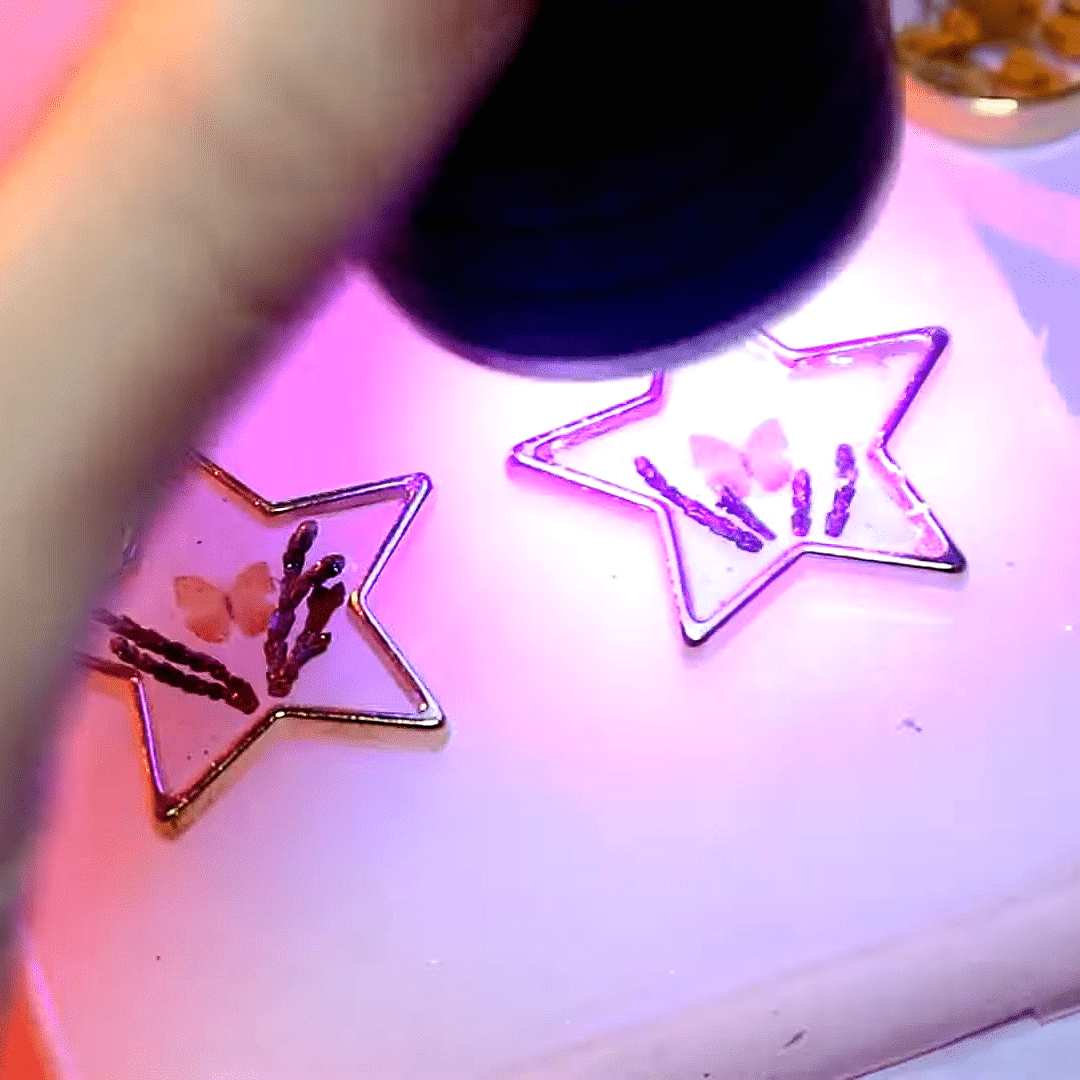
Carefully pour or dispense a thin layer of resin into your prepared bezel, mould, or onto the surface. Tilt or use a spatula to guide resin to the edges for an even coat. Follow the manufacturer’s mixing and curing instructions for the best result. For small decorative items, a fast-curing UV resin such as “UV–Creation” – Fast Acrylic Resin, 3 Minute UV Cure allows you to build up glossy enamel effects in just a few minutes using a UV lamp.
When working with two-part epoxy resin systems, allow each thin layer to partially cure before adding further layers, reducing the risk of air bubble entrapment or surface distortion. Use a pin or heat tool to pop any visible bubbles. Always work methodically—rushing can result in drips, spreading, or uneven surface finish.
Step 4: Cure and Finish Your Piece
The curing process depends on your chosen resin. UV resins cure only where the light reaches, so ensure the beam covers all areas for a consistent result. For pieces with depth, multiple thin applications cure more reliably. With fast-curing epoxy resins such as “ICreation” – Fast Epoxy Resin, 6h Demoulding, Transparent Gloss Finish, allow sufficient time before handling or demoulding, as removal too early may mark the surface.
Don’t rush the curing process—wait for a full cure according to product guidance. Once hardened, edges can be tidied with fine sandpaper or file. Finish by gently washing and drying your piece before final assembly or display.
Tips, Common Mistakes, and Troubleshooting
Apply enameling resin in a well-ventilated space and avoid humidity, which can affect curing. For best clarity, dome edges slowly and avoid over-filling. If the surface is tacky after curing, cure for longer under the appropriate light or allow more time for two-part resins. Air bubbles can be reduced by slow, careful mixing and layering. If mistakes occur, such as cloudiness or soft spots, remove the affected layer and start again with fresh resin, ensuring careful measurement and mixing.

Gallery: Flawless Finishes from Real Makers
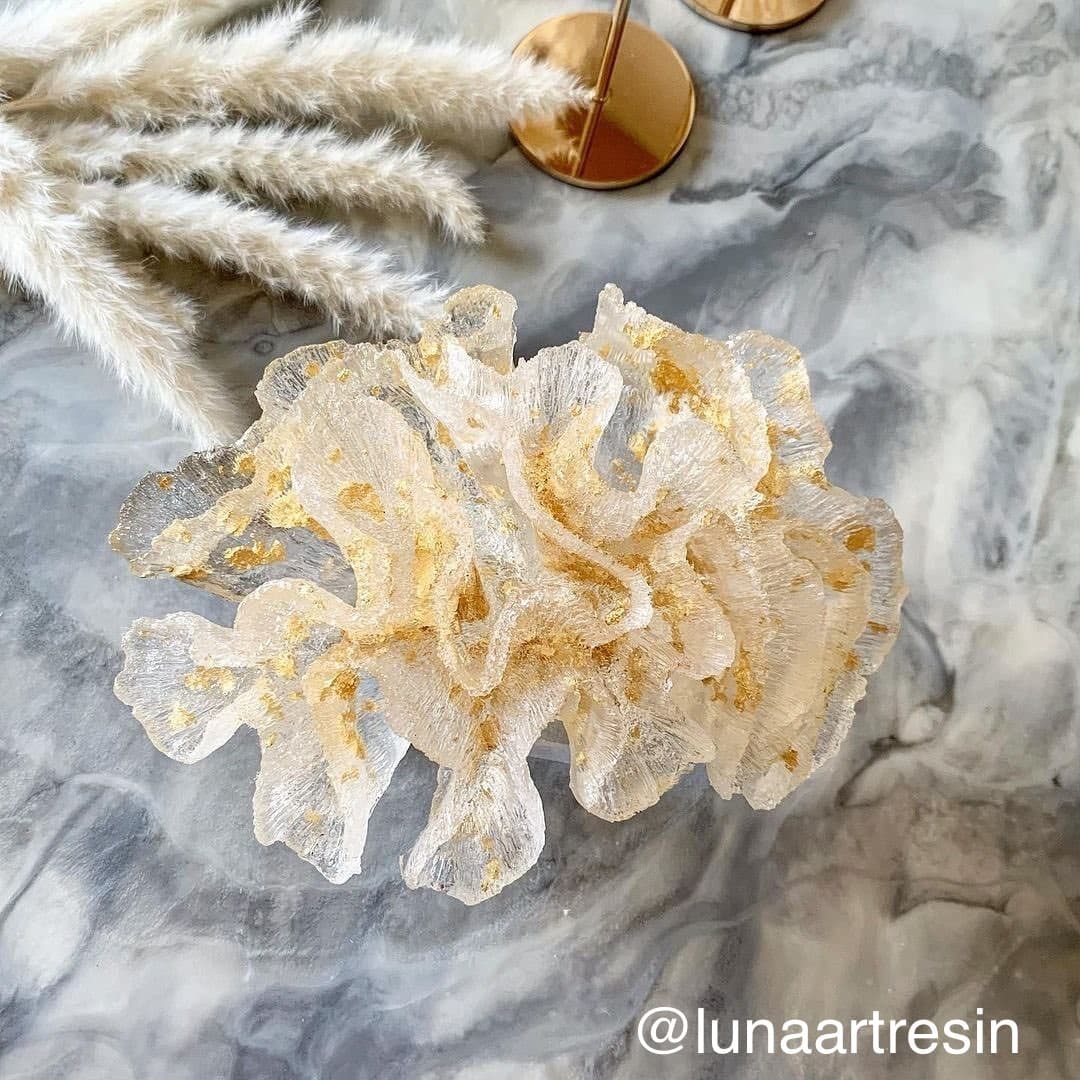
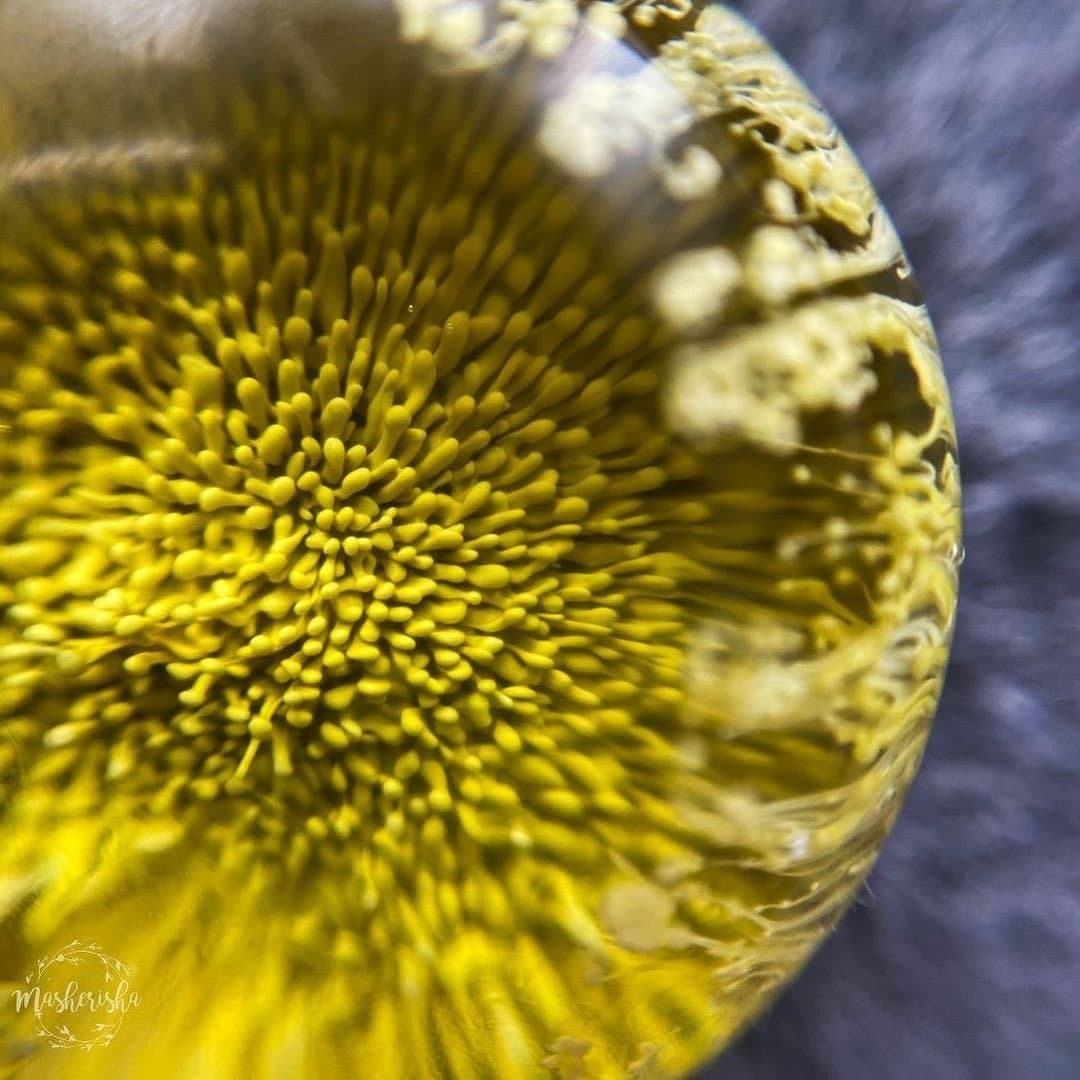
Finished enamel resin pieces show the difference careful application makes. Spot the depth and gloss on each surface. Explore more examples and community creations in the Resin for Jewellery category.
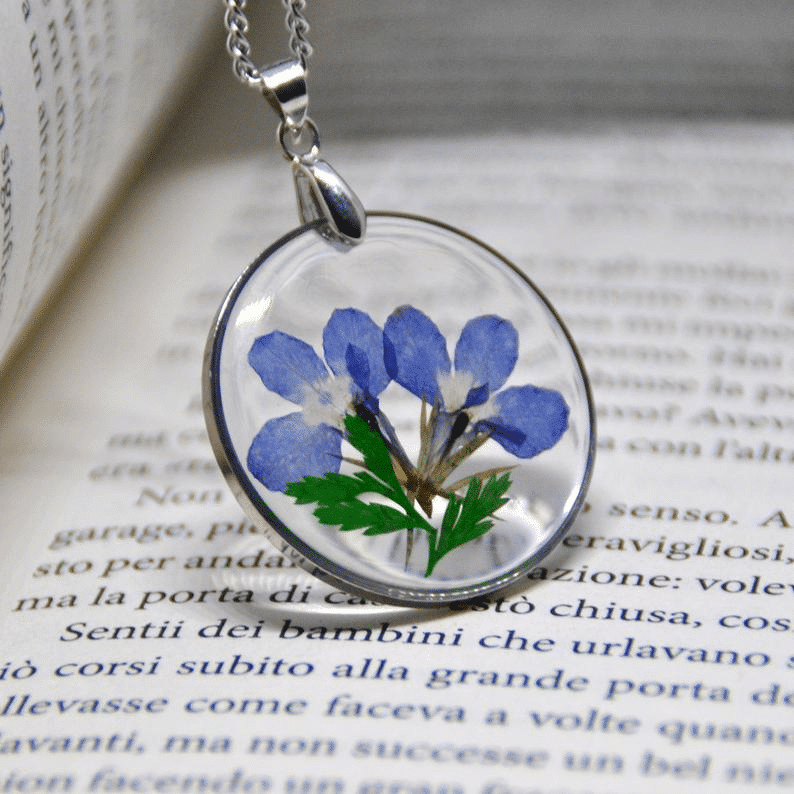
- "UV–Creation" – Fast Acrylic Resin, 3 Minute UV CurePrice range: £8.45 through £62.95"UV–Creation" Fast Acrylic Resin cures quickly under UV light, suitable for jewellery makers seeking a clear, glossy, and non-toxic finish.
- "Liquidissima" – Epoxy Resin For Creations & JewelleryPrice range: £12.85 through £31.85"Liquidissima" epoxy resin provides a clear, self-levelling finish suitable for detailed jewellery moulds and creative projects.
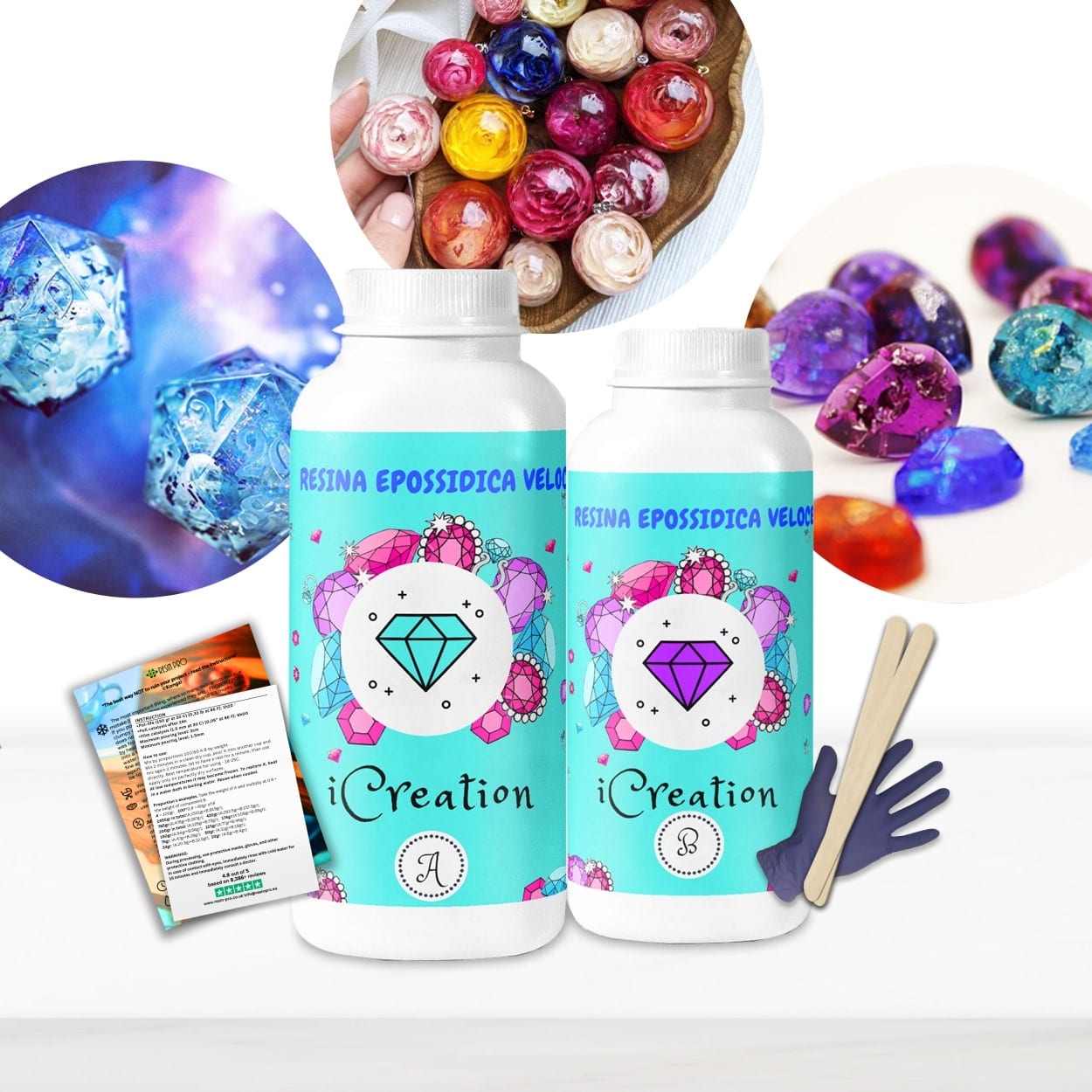 "ICreation" – Fast Epoxy Resin, 6h Demoulding, Transparent Gloss FinishPrice range: £15.95 through £55.95"ICreation" Fast Epoxy Resin is a transparent, glossy two-part resin suited for quick results in jewellery and decorative crafts.
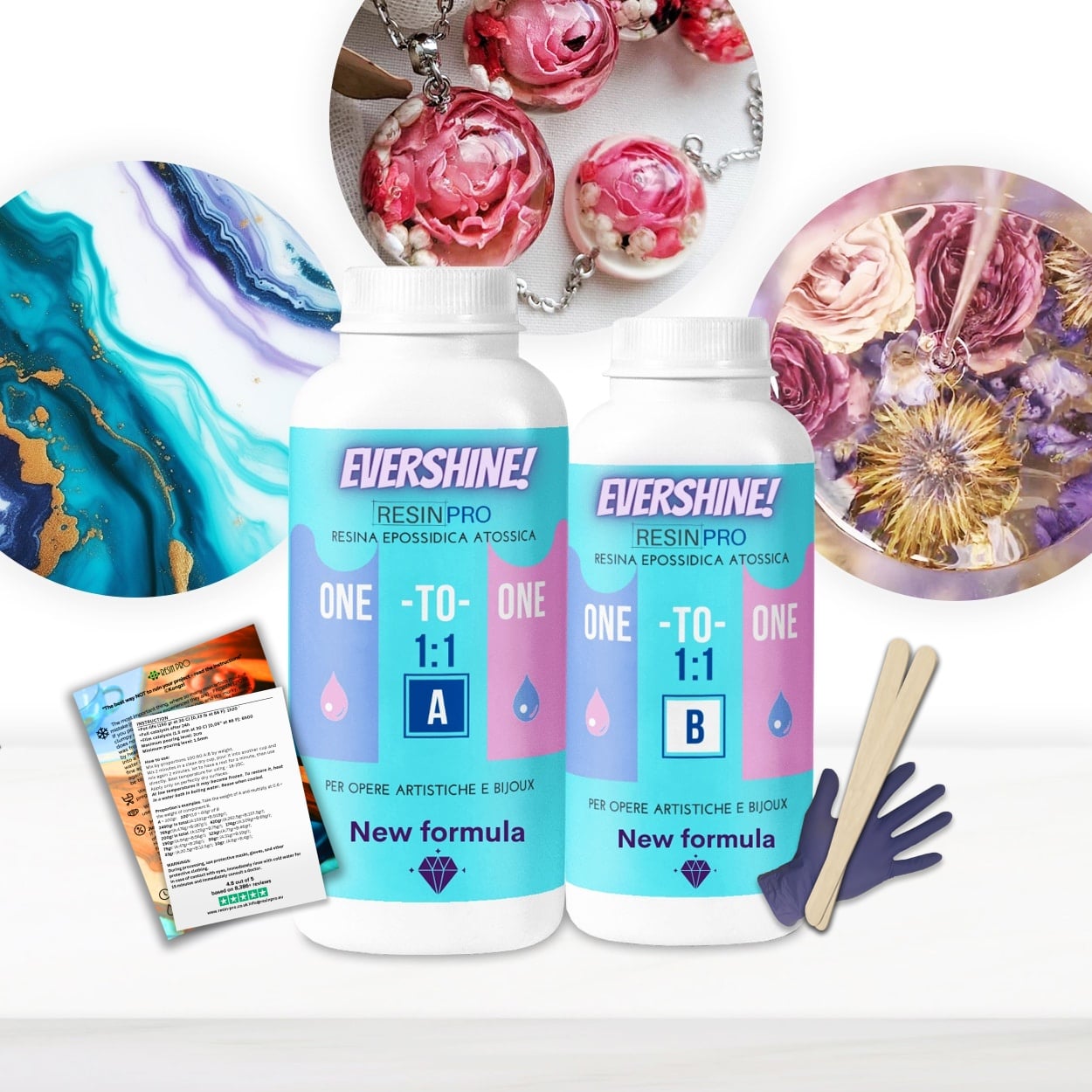 "One-2-One" – Epoxy Resin for Handcraft, 1:1 Mixing RatioPrice range: £15.95 through £59.95"One-2-One" epoxy resin offers a medium viscosity and an easy 1:1 mixing ratio, suitable for jewellery and decorative crafts.
Frequently Asked Questions
Can I use UV resin for enameling jewellery?
Yes, UV-cure acrylic resins work very well for small jewellery items, offering quick results and a glossy finish.
How do I avoid bubbles when applying enameling resin?
Mix slowly, pour in thin layers, and use a pin or heat tool to remove bubbles as they appear.
Can you layer enameling resins for a 3D effect?
Yes, building up multiple thin cured layers creates beautiful depth and allows for embedded colours or details.
Why is my resin still sticky after curing?
Sticky resin usually results from incorrect mixing or incomplete curing. Check measurements and give extra curing time if needed.
What surfaces work best with enameling resins?
Non-porous, clean surfaces such as bezels, silicone moulds, or sealed bases ensure the best results with enameling resin.
Which colourants are safe to use with enameling resins?
Use only resin-compatible pigments or dyes. Avoid alcohol inks with UV resins as these interfere with curing.
How long should I wait between resin enamel layers?
Wait until the previous layer has gelled or fully cured as advised, usually between 3 minutes and several hours depending on resin type.