 Free shipping on orders over £29,85
  Shipping Tracking!


 Google
 Facebook
← Back to What is the Shore hardness of silicone rubber?
The Shore hardness scale offers an essential way to describe how soft or firm silicone rubber is. This measurement plays a key role in selecting silicone for projects like mould making, crafts, and technical applications.
Understanding Shore Hardness Ratings
Shore hardness is a standard scale to indicate the flexibility or firmness of rubber and other polymers. For silicone, Shore A values are common. Lower Shore A ratings mean the material is softer and more flexible, while higher values indicate greater firmness and reduced stretch. For example, a silicone rated at Shore 10 is much more pliable than one rated at Shore 40, which feels stiffer and is suited for different uses.

How Shore Hardness Affects Silicone Moulds
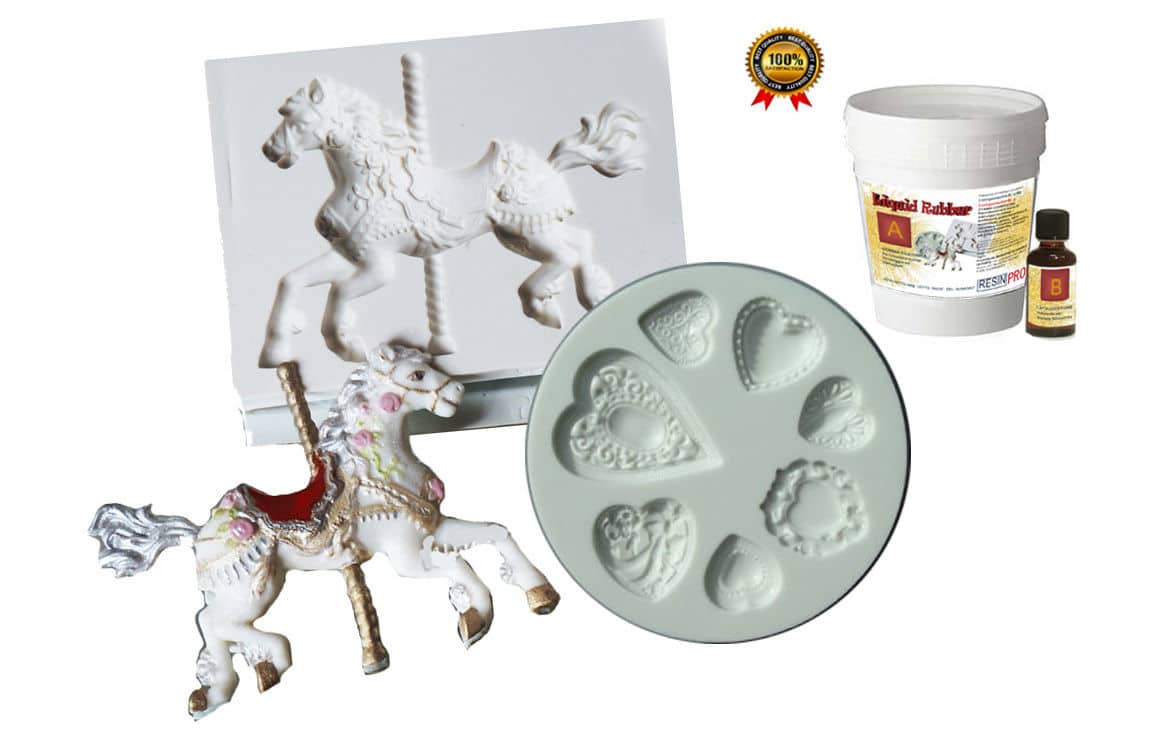
The Shore hardness directly impacts your mould’s ability to capture detail and allow for easy demoulding of intricate objects. Softer silicones (Shore 10–20) excel for picking up fine textures and handling undercuts, making them ideal for jewellery, resin art, or candle moulds. Firmer options (Shore 30–40) provide more structure and may be chosen when casting simple shapes or larger items with little flex needed.
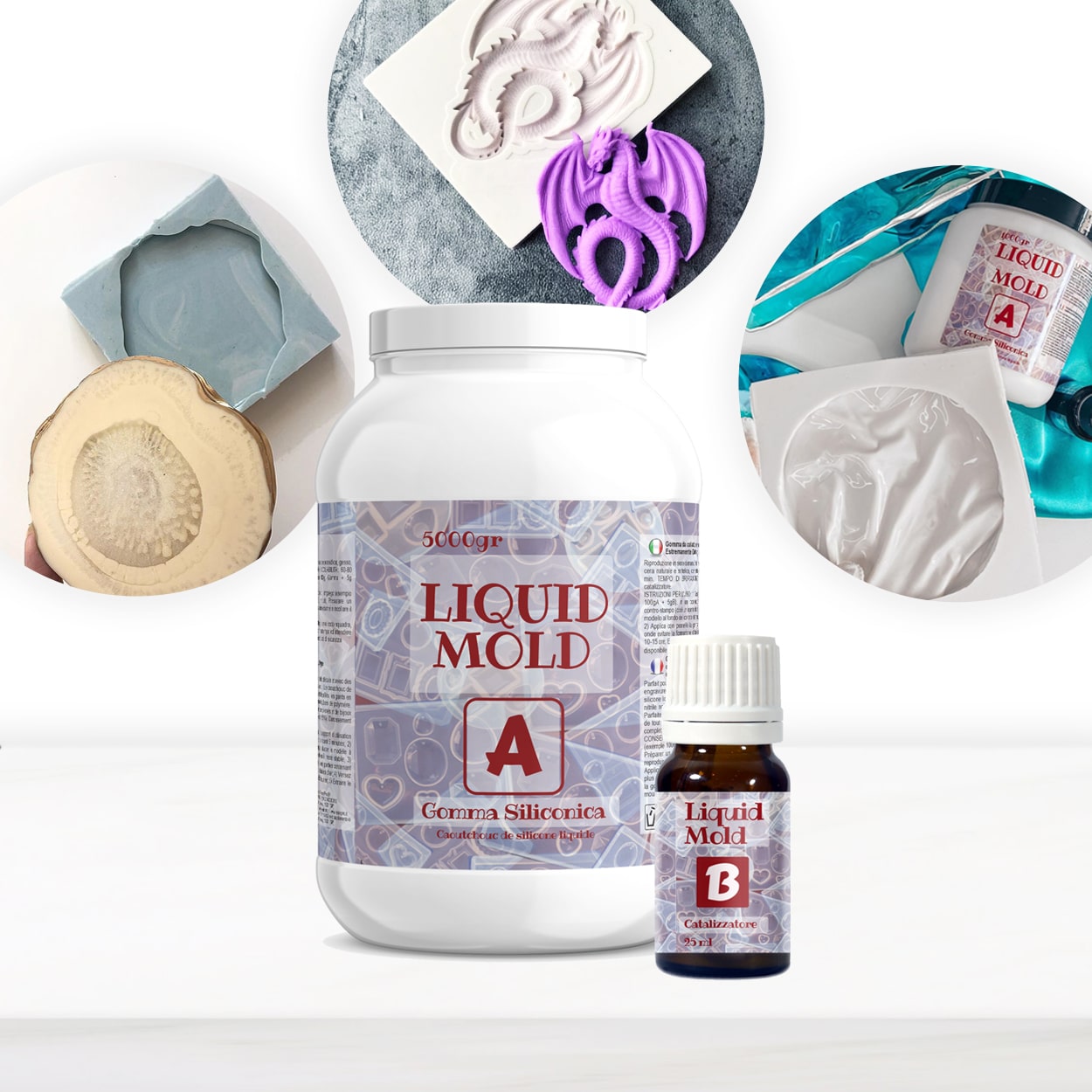
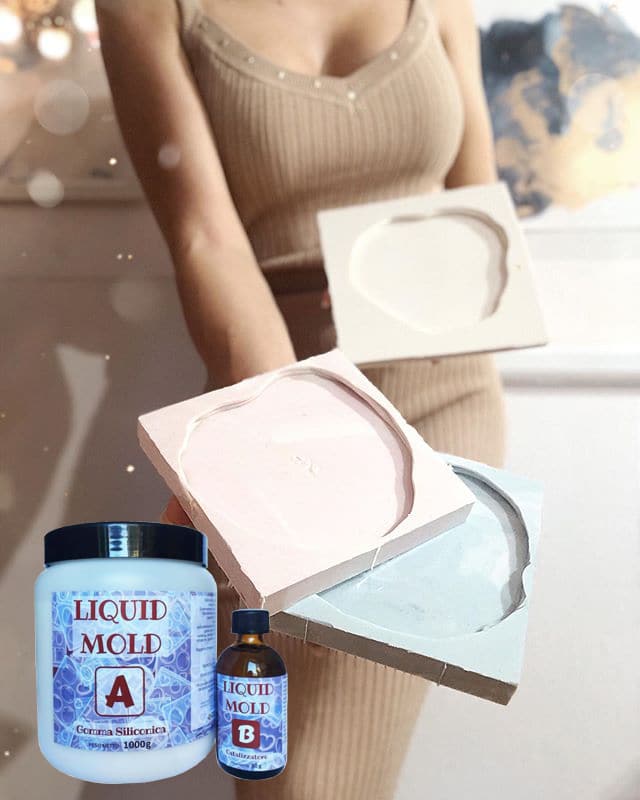
Products like “Liquid Mould” silicone rubber are available in a spectrum from 5 to 40 Shores, so you can tailor your selection to your project’s specific demands.
When Does Shore Hardness Matter Most?
- Fine detail work: Choose a lower Shore for capturing intricate designs or delicate moulds.
- Strength and shape stability: Opt for a firmer Shore when your mould needs to support weight or hold its form over repeated use.
- Material compatibility: Consider the chosen silicone’s hardness in relation to the material you plan to cast—softer moulds suit wax and resin, while firmer ones help with more robust applications.
Related products
Related guides
By understanding the Shore hardness scale, you can confidently select the right silicone for your next project. To learn more about specific hardness levels or to choose the best silicone for your needs, visit our main page on Shore hardness of silicone rubber.