 Free shipping on orders over £29,85
  Shipping Tracking!


 Google
 Facebook
← Back to Where should cementitious resin not be applied?
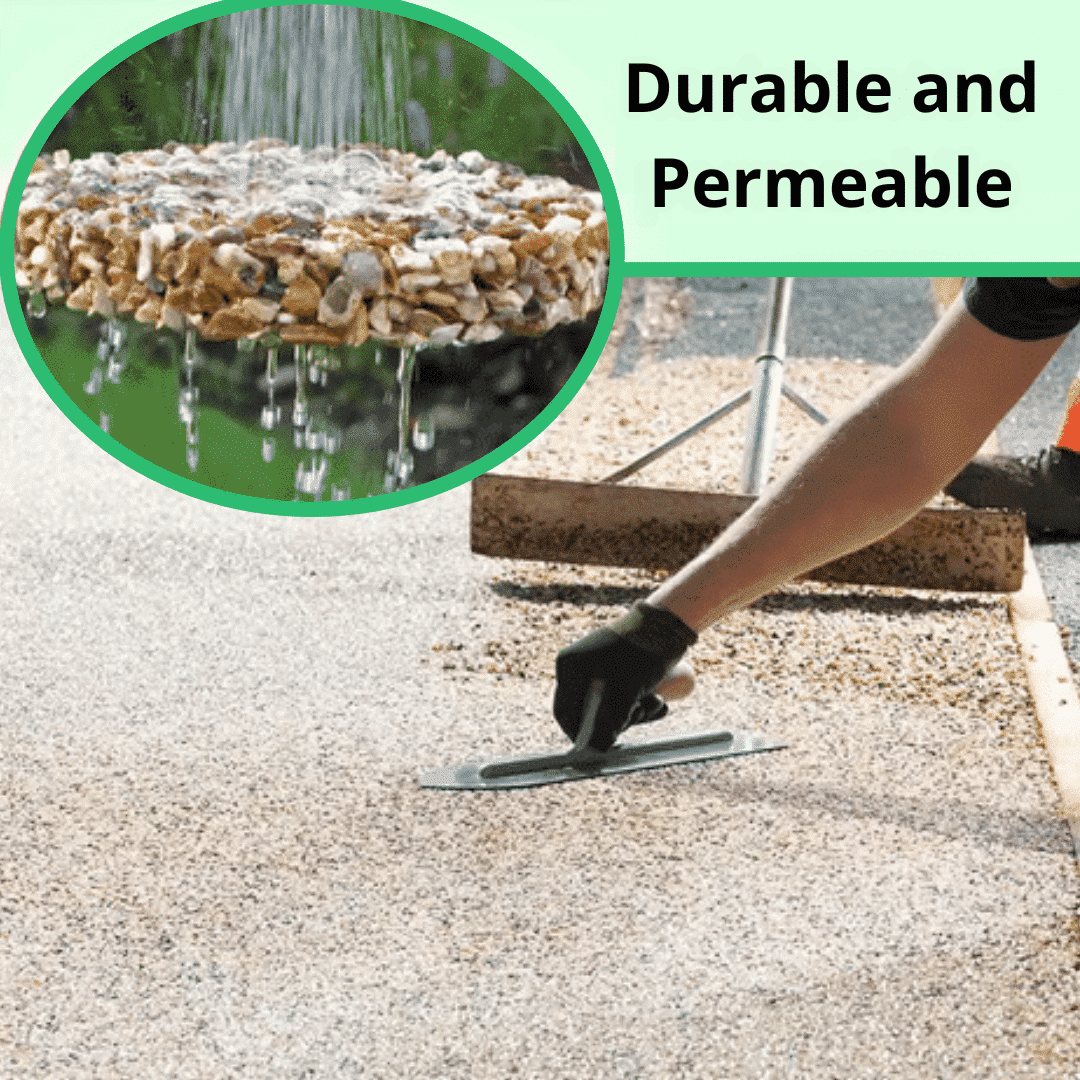
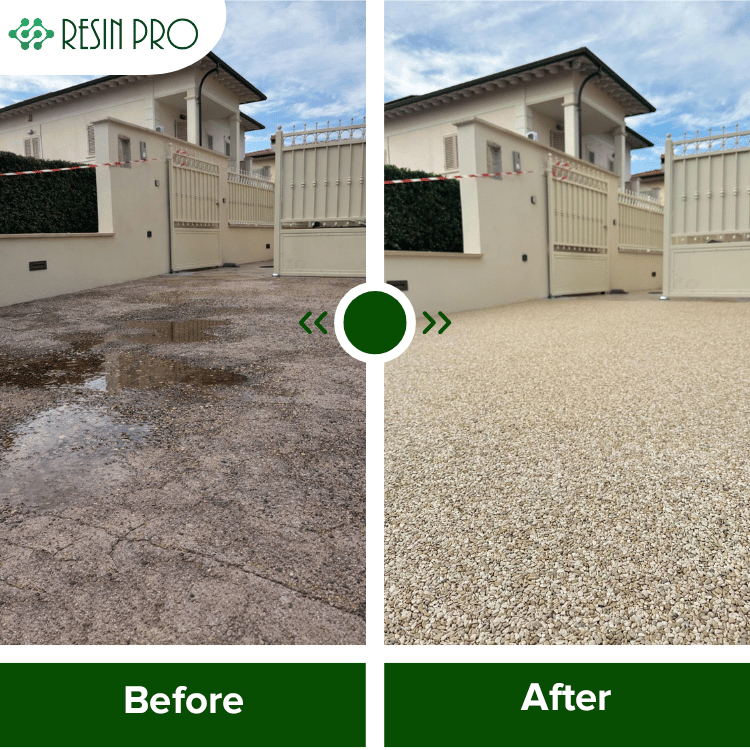
When searching for long-lasting, attractive surfaces for paths, patios, or driveways, many consider cementitious resin. However, advancements in resin technology now offer more efficient and customisable alternatives better suited to a wider range of projects.
Why Choose Epoxy or Polyurethane Resin?
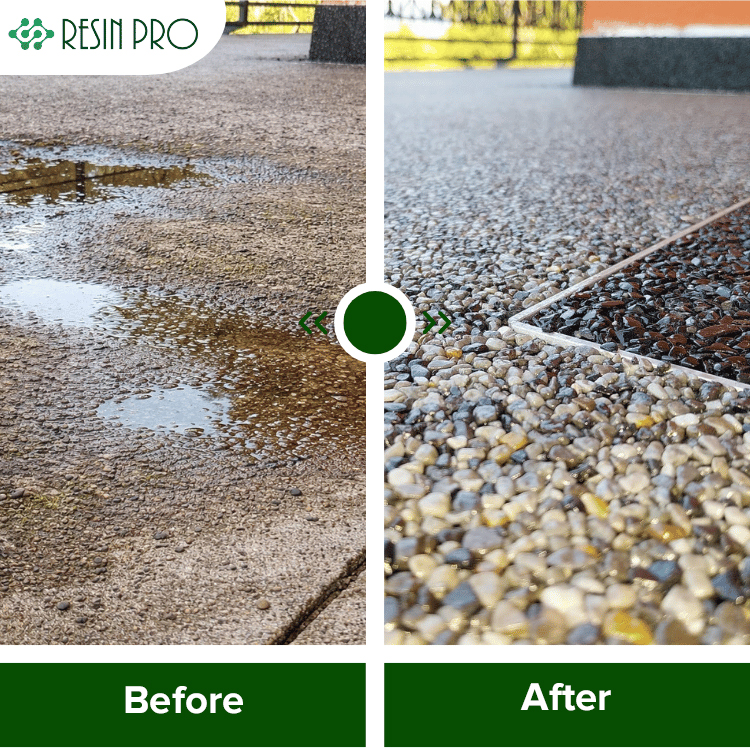
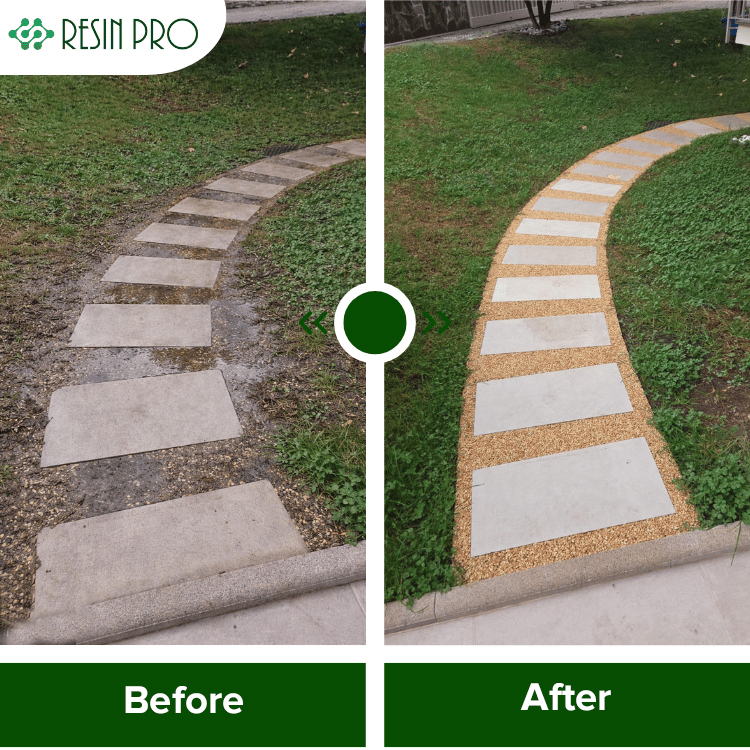
Epoxy and polyurethane resins have become the top alternatives for outdoor flooring, especially when working with pebbles or decorative aggregates. These binders create robust, permeable surfaces that withstand the demands of UK weather, helping to prevent puddles and providing anti-slip properties. They also allow for aesthetic flexibility, making it easy to select colours and granule sizes that match your vision.
- Epoxy resin is typically used for coloured stones, keeping vibrant tones intact over time.
- Polyurethane resin works best with white or light-coloured aggregates, as it minimises yellowing and discolouration.
How to Select the Right Binder for Your Project
Choosing the correct alternative depends on your aggregate type and the finish you desire. For projects involving coloured pebbles or dark aggregates, a high-quality epoxy binder such as “Trasparente” Epoxy Binder provides clarity and durability. If you want to use white or pale stones, look for polyurethane binders like “Polirock” Polyurethane Binder designed specifically to prevent yellowing. Many kits, such as our Flowstone Complete Permeable Floor Kit, include guidance to ensure compatibility between binders and stones and are suitable for both experienced tradespeople and DIY users.
When Does This Matter?
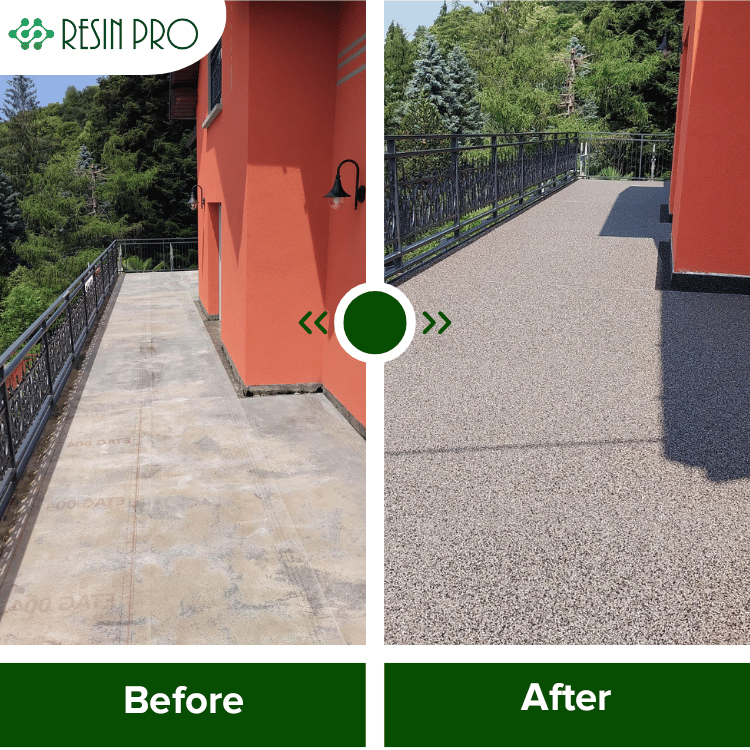
Using the right resin alternative is crucial when durability, appearance, and effective water drainage are priorities—especially in driveways, footpaths, and patios where cementitious binders may not deliver the desired resilience or custom look.
Related products
Related guides
Exploring resin-based alternatives helps avoid common limitations of cementitious products, ensuring your surfaces last longer and look better. For guidance on where cementitious resin may not be appropriate, see our main resource on where cementitious resin should not be applied.