 Free shipping on orders over £29,85
  Shipping Tracking!


 Google
 Facebook
How many kilograms are needed to pour 7 litres of silicone rubber?
Calculate and choose the right silicone quantity for your mould
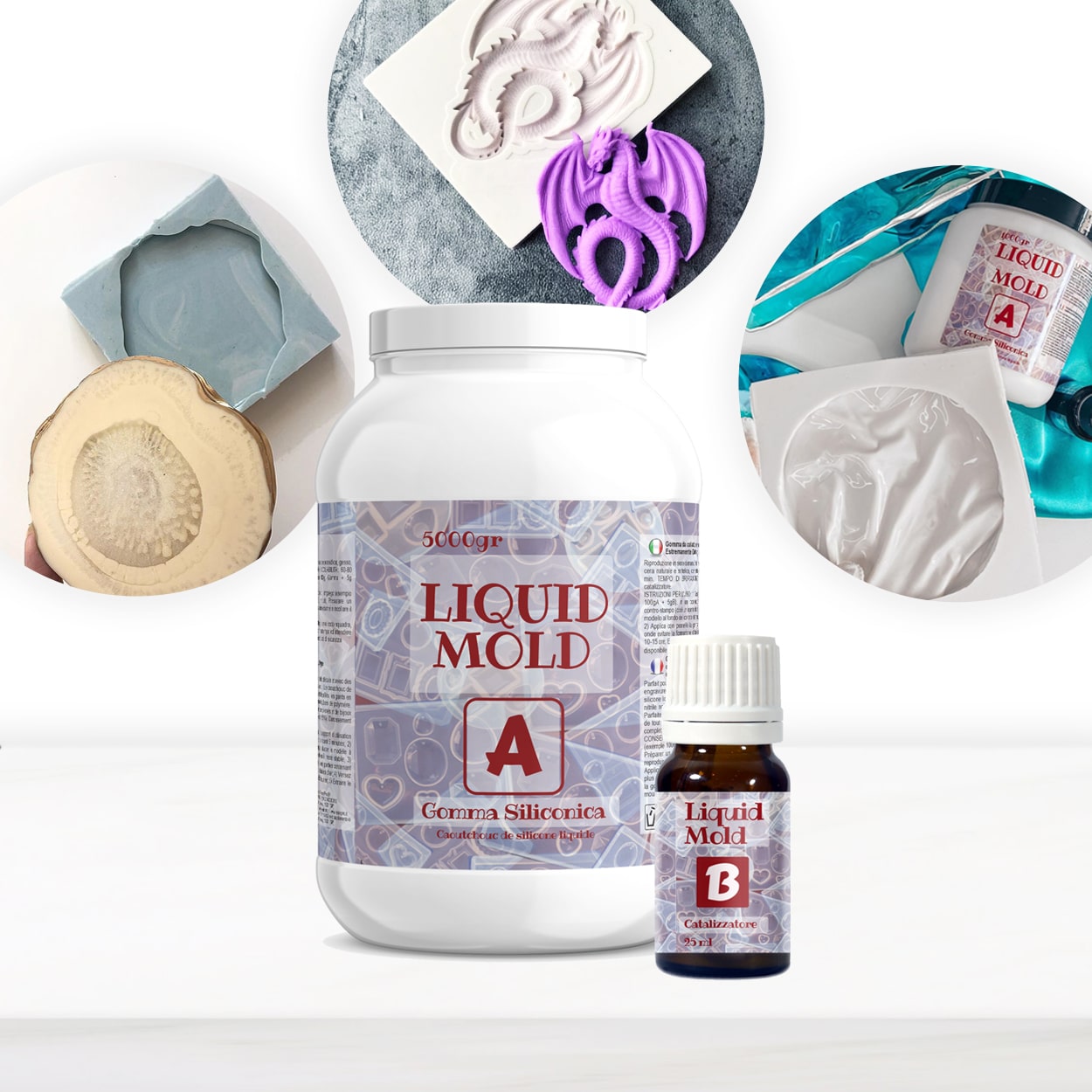
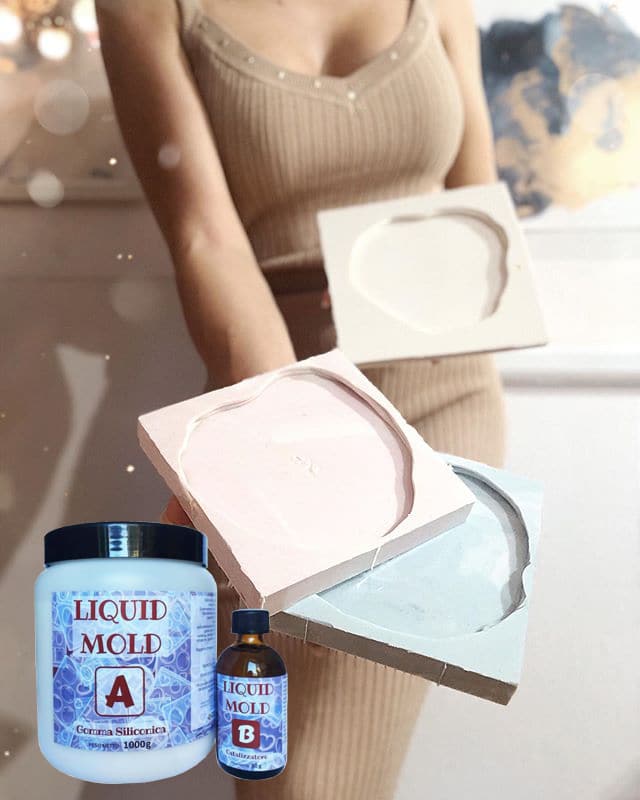
If you are preparing a mould making project and need to pour exactly 7 litres of silicone rubber, getting the weight calculation correct is essential. This guide explains how to convert the required volume into kilograms, highlights essential considerations for material estimation, and helps you select the most suitable casting silicone rubber from our popular product range for best results.

Density of Silicone Rubber: The Key Calculation
Silicone rubbers used for casting moulds typically have a density between 1.05 and 1.20 grams per cubic centimetre (g/cm³). To convert 7 litres (7,000 cm³) into kilograms, multiply the liquid volume by the product’s density:
For example, with a typical silicone density of 1.10 g/cm³:
7,000 cm³ × 1.10 g/cm³ = 7,700 grams = 7.7 kilograms.
Precision Matters: Avoid Overbuying or Shortages – Always round up to allow for mixing loss, spillage, and any additional coverage required for complex mould shapes. Buying a little extra silicone prevents mid-project interruptions.
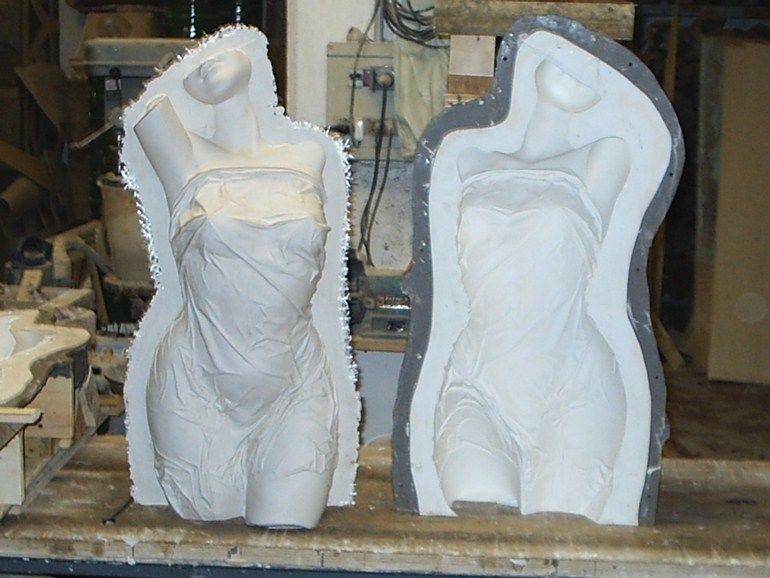
Converting Silicone Volume to Weight
To calculate kilograms from litres, multiply your total litres by the density of your chosen silicone rubber (kg/litre). For most casting silicones, plan for a density around 1.10 to 1.15 kg/litre. Example: 7 litres x 1.10 = 7.7 kg. Always check the individual product’s datasheet to confirm density.
“Liquid Mould” – Casting Liquid Silicone Rubber, 15 Shores 20.8 kg
The “Liquid Mould” – Casting Liquid Silicone Rubber, 15 Shores 20.8 kg is designed for high precision and versatile applications. This bi-component A + B silicone is excellent for reproducing even the finest details due to its superior flow and high mechanical characteristics. Ideal for casting detailed moulds for small objects, jewellery, technical pieces, and artistic reproductions, it is compatible with resin, soap, polymer pastes, and natural or synthetic waxes.
Provided in 20.8 kg kits, it allows users to efficiently tackle large volume casts, such as your 7-litre pour. Ensure to mix both components thoroughly prior to use, and remember to allow for a small margin during calculation.

“Liquid Mould” – Casting Liquid Silicone Rubber, 5-40 Shores, Bi-Component A+B
If you require more flexibility in shore hardness, the “Liquid Mould” – Casting Liquid Silicone Rubber, 5-40 Shores, Bi-Component A+B gives you a wide range of hardness options in a traditional bi-component format. This makes it suitable for small to medium projects and multiple reproductions. Ensure you add the required catalyst (activator) before pouring, then mix as per the manufacturer’s recommendations for best results.
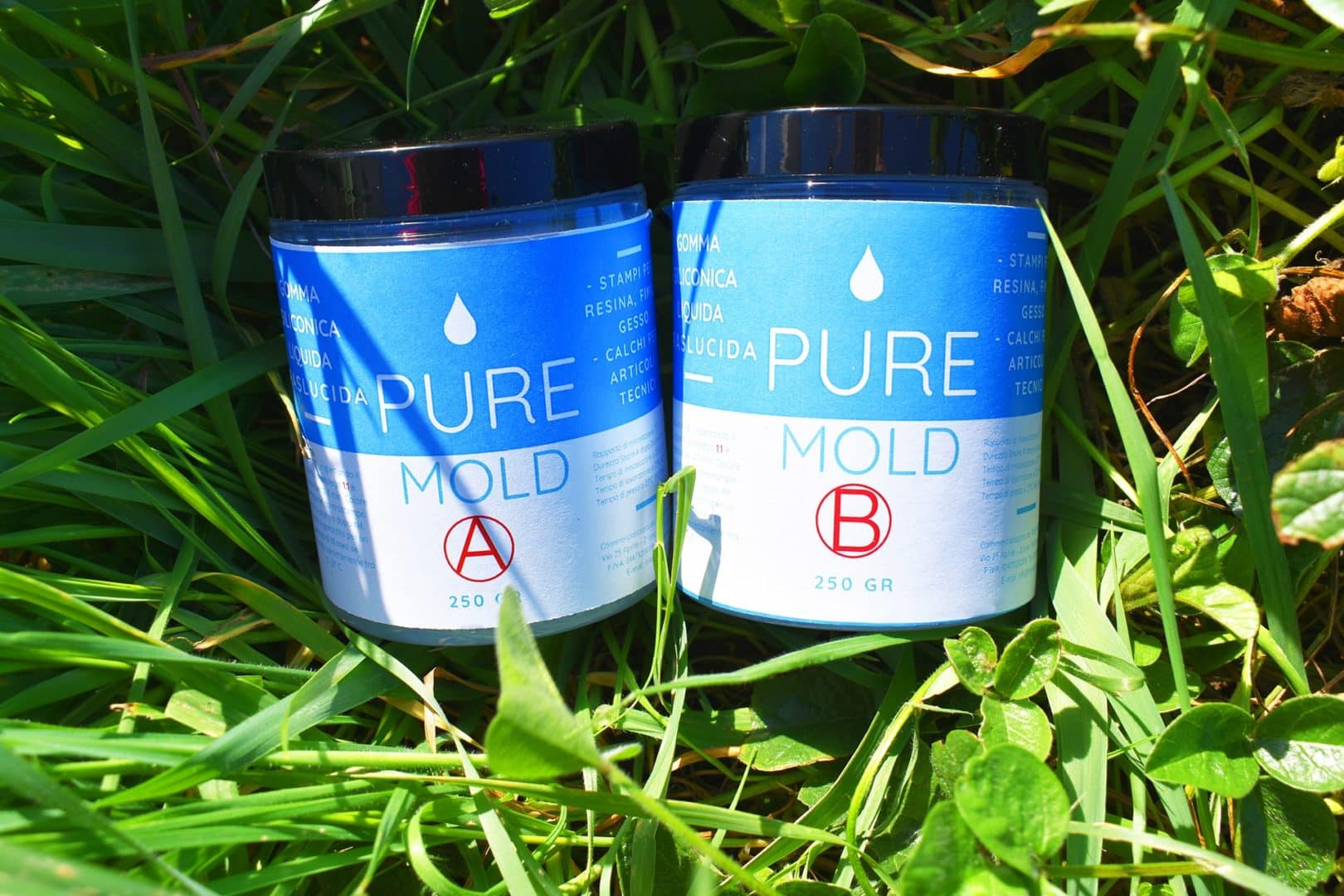
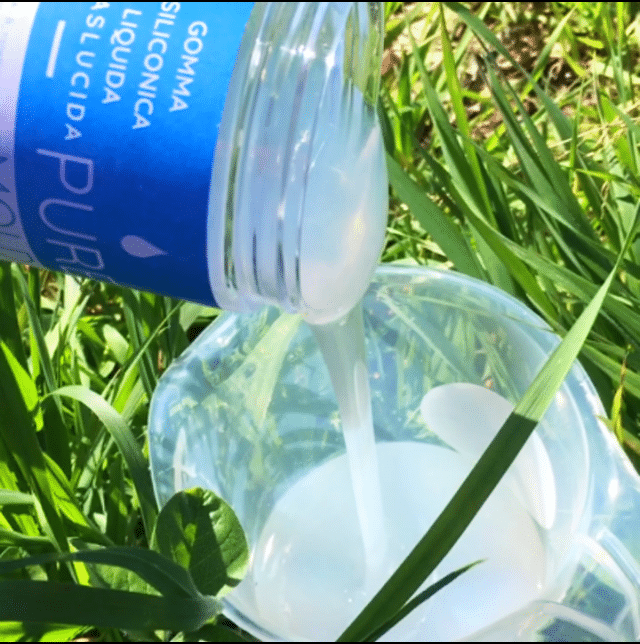
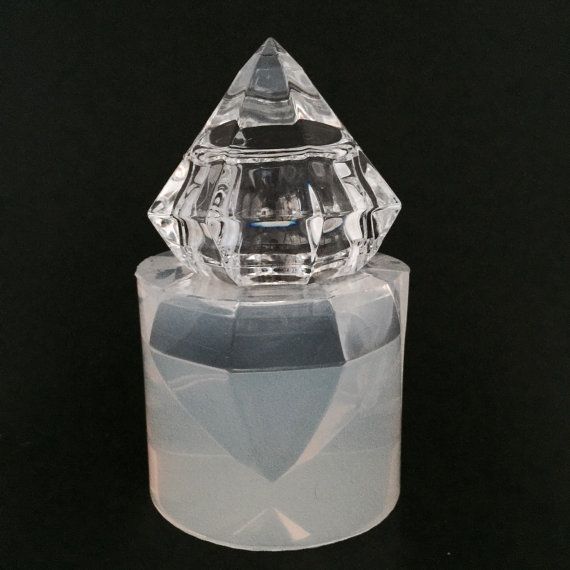
“Pure Mould” – Translucent Liquid Silicone Rubber for Mould Making
The “Pure Mould” – Translucent Liquid Silicone Rubber for Mould Making is a platinum-based, fast-hardening option with a simple 1:1 mix ratio. Its translucency allows you to perfectly control and monitor your mould during setting. This product minimises shrinkage and supports multiple use cycles, making it an excellent choice for creatives needing precise moulds with prolonged durability.
Tips for Accurately Measuring and Mixing Silicone Rubber
The most reliable way to ensure you have the right amount is to calculate volume first and convert to weight using the stated density (from the technical datasheet or product instructions). Always account for a little excess – rounded up to the nearest usable pack size. The correct ratio of parts A and B is critical; blend until fully homogenous to avoid weak spots in your final mould.
Check product technical datasheets for exact densities before purchase, since brands and silicone types may vary slightly.
Storing and Handling Silicone Rubber
Mix thoroughly for even curing. Seal unused portions in airtight containers to prevent premature curing or contamination. View all products in the Silicon Rubbers category here.
Store unused silicone in airtight containers away from direct sunlight and moisture to keep it fresh for future use.
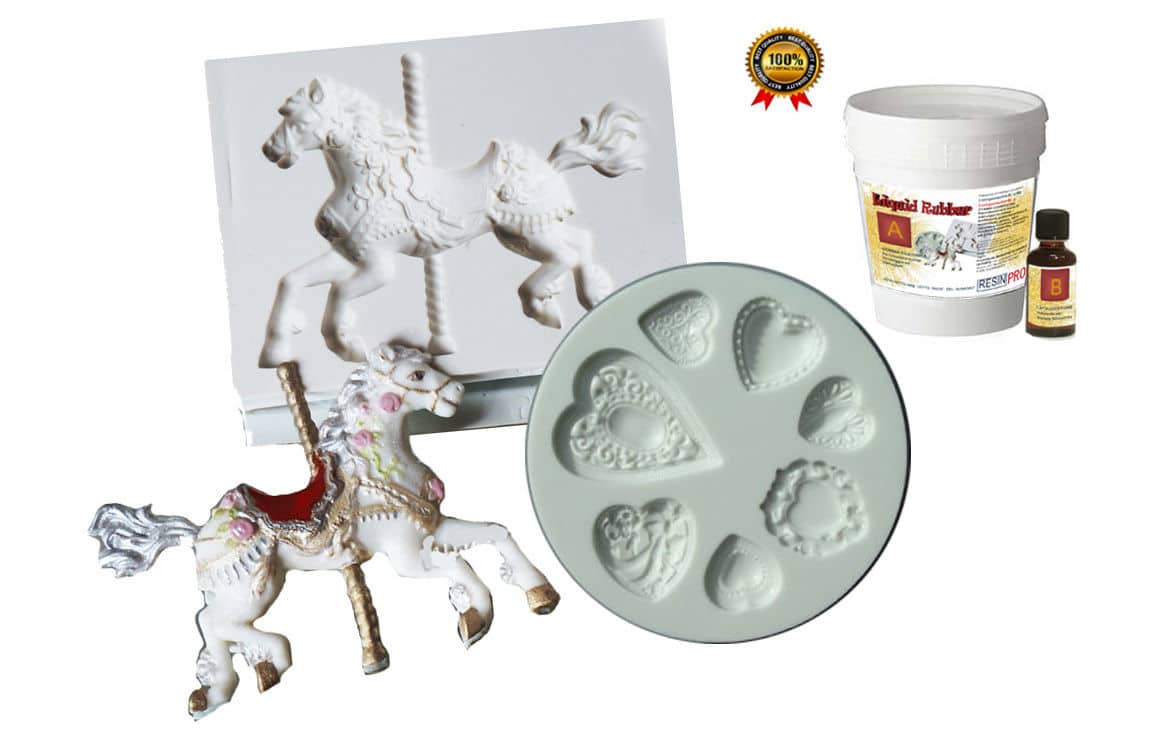
- "Liquid Mould" – Casting Liquid Silicone Rubber, 15 Shores 20.8 kg£348.85"Liquid Mould" casting liquid silicone rubber is suitable for making detailed moulds for small objects with fine details and complex shapes.
- "Liquid Mould" – Casting Liquid Silicone Rubber, 5-40 Shores, Bi-Component A+BPrice range: £14.45 through £387.45"Liquid Mould" is a casting liquid silicone rubber suited for making detailed moulds and reproductions, fitting the theme of material quantity…
- "Pure Mould" – Translucent Liquid Silicone Rubber for Mould MakingPrice range: £23.95 through £166.95"Pure Mould" is a translucent liquid silicone rubber suited for mould making, compatible with several materials and suitable for both professional…
Frequently Asked Questions
How do I convert litres to kilograms for silicone rubber?
Multiply the number of litres by the silicone's density (typically 1.05–1.20 kg/litre) for an accurate conversion.
Should I buy more silicone than calculated?
Yes, always allow for an extra 5–10% to cover mixing loss and small errors.
Does the density of silicone rubber vary between products?
Yes, densities can differ slightly. Always check the technical datasheet for each product.
What is the correct mixing process for silicone rubber?
Mix both components (A+B) by weight thoroughly until you have a uniform blend before pouring.
How do 'Liquid Mould' and 'Pure Mould' silicones differ?
'Liquid Mould' offers various shore hardness options; 'Pure Mould' is platinum-based and more translucent.
Which silicone is best for complex detailed moulds?
Both Liquid Mould and Pure Mould are ideal, but Pure Mould’s translucency aids in monitoring complex casts.
How should silicone rubber be stored after opening?
Store in airtight containers in a cool, dry place to maximise shelf life and prevent contamination.