 Free shipping on orders over £29,85
  Shipping Tracking!


 Google
 Facebook
Is there a difference between resin and enamel for covering tiles?
Choosing the best coating for durable, stylish tile finishes

Wondering whether to use resin or enamel to cover your tiles? This page outlines the fundamental differences between resin and enamel coatings, guiding homeowners, renovators, and tradespeople to make the best choice for their specific tiled surfaces and desired outcomes. We’ll compare key properties, advantages, and suitability across a range of situations, then introduce specialist products designed for tile and floor renovation.
Understanding the Differences: Resin vs Enamel for Tiles
While both resin and enamel offer solutions to rejuvenate tile surfaces, their properties and performance greatly differ. Resins—particularly epoxy and methacrylic types—form robust, durable, and often customisable coatings with exceptional adhesion, flexibility, and waterproofing. They are ideal for high-traffic areas, creative finishes, and situations requiring deep bonding on ceramic or existing tiled floors.
Enamel coatings, by contrast, provide a smooth, glossy, paint-like finish, which is primarily decorative. These coatings excel for projects focused on enhancing the appearance of tiles with a hard, glassy sheen. However, enamels may not deliver the same level of impact resistance, adhesion on tricky substrates, or versatility across floor types as resins. The choice often comes down to the demands of your space: durability and longevity (choose resin), or quick and easy decorative refresh (go with enamel).

Visual Guide: Resin and Enamel Tile Coatings
See side-by-side examples of resin and enamel coatings applied on tiles. Notice the difference in finish, depth, and substrate blending. Resins often showcase a richer, more integrated glazing effect, while enamels provide a shiny, surface-level finish—ideal for rapid makeovers but not for high-wear zones.
“Epoxyprimer” – Universal Water-Based Two-Component Epoxy Floor Primer
Epoxyprimer – Universal Water-Based Two-Component Epoxy Floor Primer is purpose-built to prime tiles and other stable floor types before applying resin coatings. Its water-based, odourless formulation makes it an excellent choice for indoor projects, acting as a crucial bridge between existing tile surfaces and decorative resin overlays. Key advantages include superior adhesion, compatibility with concrete, timber, screed, and tiles, and simple application with a roller or brush. This primer is not intended as a final decorative coat, but prepares tricky surfaces—especially ceramic tiles—for long-lasting resin finishes.
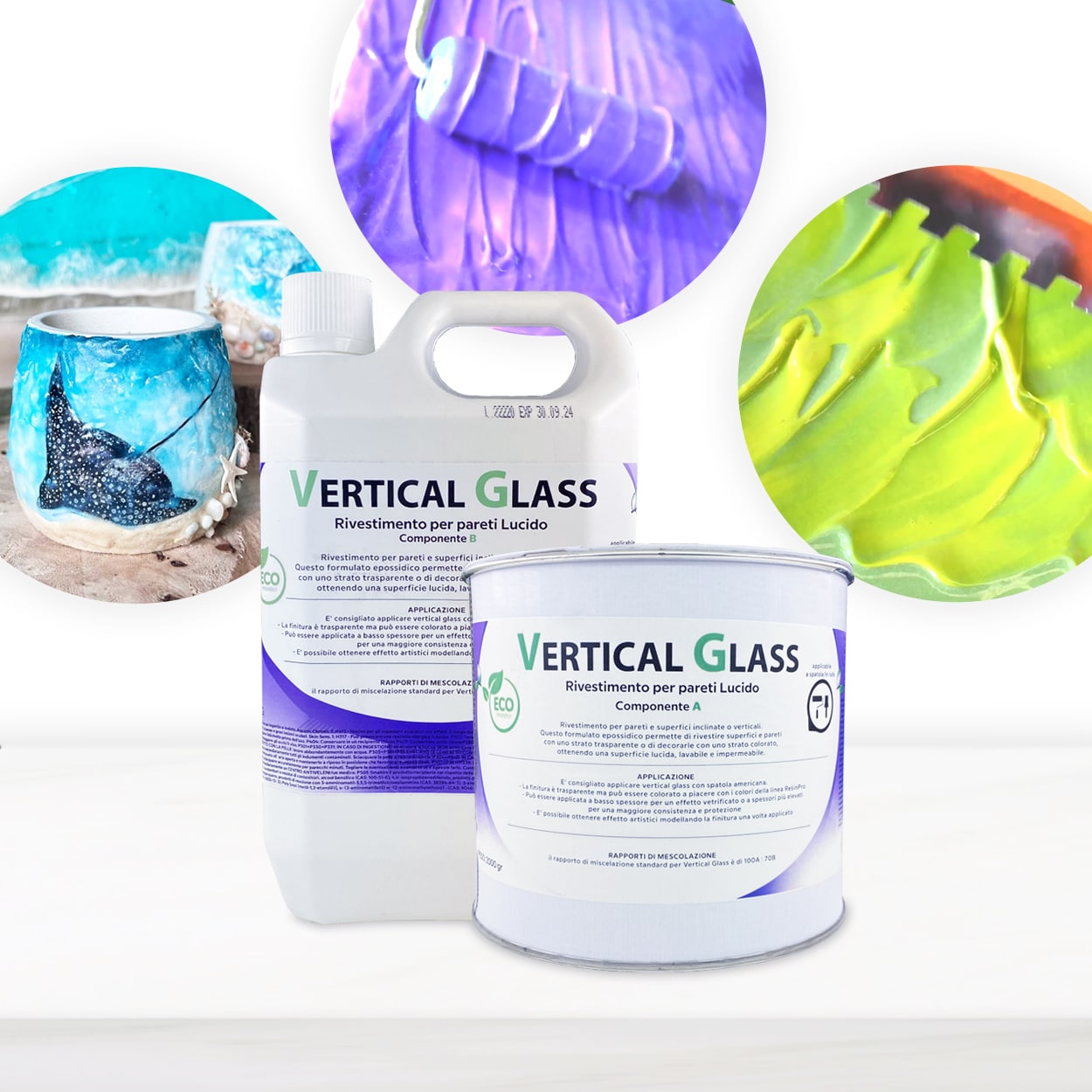
“Vertical Glass” – Thick Resin Decorative Wall Coating
If your goal is a seamless, waterproof decorative finish over wall tiles, Vertical Glass – Thick Resin Decorative Wall Coating offers outstanding versatility. Unlike traditional enamel, this epoxy resin system is tintable with pigments (including metallics), offers a slightly milky translucent base, and can be applied in variable thickness for highly creative results. Its customisable finish and resistance to moisture make it ideal for bathrooms, kitchens, or commercial interiors. The product excels on vertical or sloping surfaces, transforming tiled walls into design features without self-levelling.
“Trasparente” – Epoxy Binder for Coloured Pebbles and Grits
For floors featuring coloured pebbles, grits, or when a clear binding layer is required over decorative aggregates, Trasparente – Epoxy Binder for Coloured Pebbles and Grits delivers a crystal-clear epoxy resin finish. This resin is UV-resistant and non-yellowing, making it ideal for vibrant decorative flooring both indoors and out. As a binder, Trasparente provides structural reinforcement and a glossy overlay, distinguishing itself from enamel, which cannot offer this level of substrate integration or long-term protection.
“Resinstone” – One-Component Methacrylic Resin for Concrete Floors and Driveways
Resinstone – One-Component Methacrylic Resin for Concrete Floors and Driveways functions as a breathable, water-resistant sealer for concrete and porous tile-like surfaces. It boasts waterproof and durable protection, deep capillary penetration, and quick drying—outperforming most enamel coatings when it comes to outdoor or heavy-use flooring. While not a binder for loose gravel, Resinstone is suitable for sealing stamped, decorative, or absorbent concrete tiles where weatherproofing and resilience are required.
Tips for Choosing the Right Coating for Your Tiles
When selecting between resin and enamel, consider the surface’s traffic, exposure to moisture, desired finish, and long-term care. Resin coatings are the preferred solution for areas needing robust, decorative or waterproof finishes—particularly on floors or vertical tiled walls. Enamels may suffice for simple, low-traffic, or temporary aesthetic enhancement, but won’t match the depth or durability of modern resin systems. Always prime glazed or smooth tiles before applying any resin; use products like Epoxyprimer for this crucial step. Ensure substrates are thoroughly cleaned and degreased prior to coating, and match your product choice to the intended use—whether that is vivid colour, clear finish, outdoor resilience, or quick redecoration.
Application Insights: Before and After Resin Coating
Observe real-world transformations achieved with resin-based products. Glossy, waterproof, and decorative results are possible even on old or stained tiles when using suitable resin coatings and proper surface preparation. Resin systems enable dramatic design upgrades with greater protection compared to ordinary enamels.

- "Epoxyprimer" – Universal Water-Based Two-Component Epoxy Floor PrimerPrice range: £156.45 through £286.45"Epoxyprimer" is a water-based two-part floor primer suitable for concrete, ceramic tiles, screeds, and timber, designed for reliable adhesion in…
- "Vertical Glass" – Thick Resin Decorative Wall CoatingPrice range: £78.95 through £188.95"Vertical Glass" epoxy resin wall coating provides a waterproof and customisable decorative finish suitable for interior vertical and sloping…
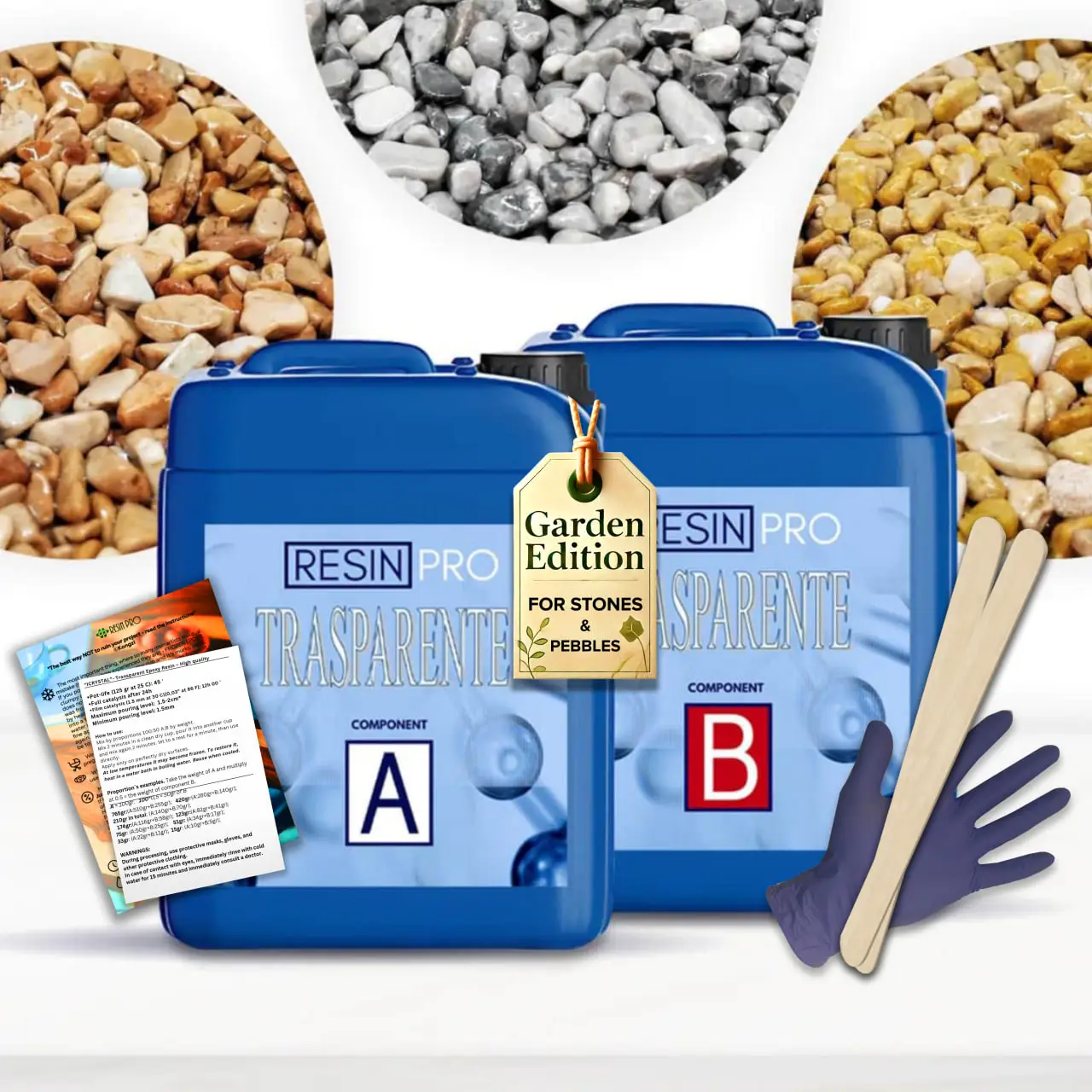 "Trasparente" – Epoxy Binder for Coloured Pebbles and GritsPrice range: £33.45 through £397.95"Trasparente" is a transparent epoxy binder suitable for coloured pebbles and grits, offering a clear, bubble-free finish with UV resistance.
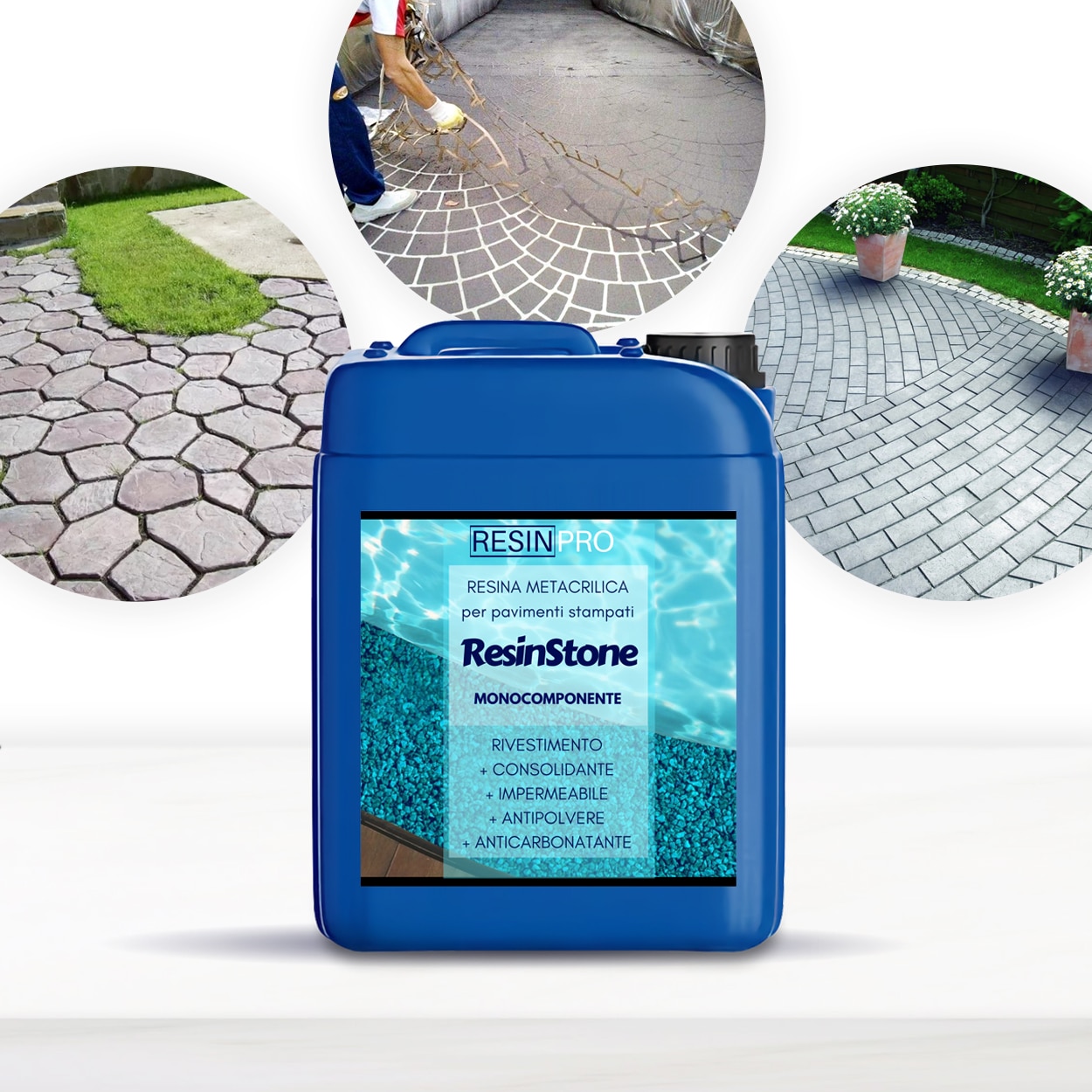 "Resinstone" – One-Component Methacrylic Resin for Concrete Floors and DrivewaysPrice range: £36.71 through £336.48Methacrylic resin designed for sealing and protecting concrete floors and driveways with waterproof and durable properties.
Frequently Asked Questions
Can resin primer be used on ceramic tiles before applying resin?
Yes, a water-based epoxy primer such as Epoxyprimer is formulated to provide reliable adhesion on ceramic tiles as part of a resin flooring system.
Are there odour concerns with epoxy or methacrylic resin products for tile coverage?
Modern water-based and one-component resin products are formulated to be either odourless or low-odour, making them suitable for indoor projects.
Is resin or enamel recommended for tiling in bathrooms or kitchens?
Resin is preferred for floors that require water resistance, durability, and a custom finish. Enamels suit light decorative updates on wall tiles.
Are resin coatings suitable for tiled walls?
Yes, resin wall coatings like Vertical Glass allow decorative, waterproof finishes on vertical tiled surfaces, often outperforming enamel in moisture-prone areas.
Which resin product is suitable for bonding coloured pebbles or grits?
Epoxy binders like Trasparente are ideal for encapsulating coloured or dark aggregate in permeable surfaces, providing protective clarity and UV resistance.
Does enamel provide lasting protection on tiled floors?
Enamel offers a temporary decorative finish but generally lacks the deep bonding, flexibility, and wear resistance of resin coatings for long-term durability.
How long should you wait before using floors finished with resin products?
Resin primers typically cure fully in 24–48 hours; surface use can often resume after 10–12 hours depending on product and environmental factors.