 Free shipping on orders over £29,85
  Shipping Tracking!


 Google
 Facebook
← Back to Which is better for stones: acrylic or epoxy?
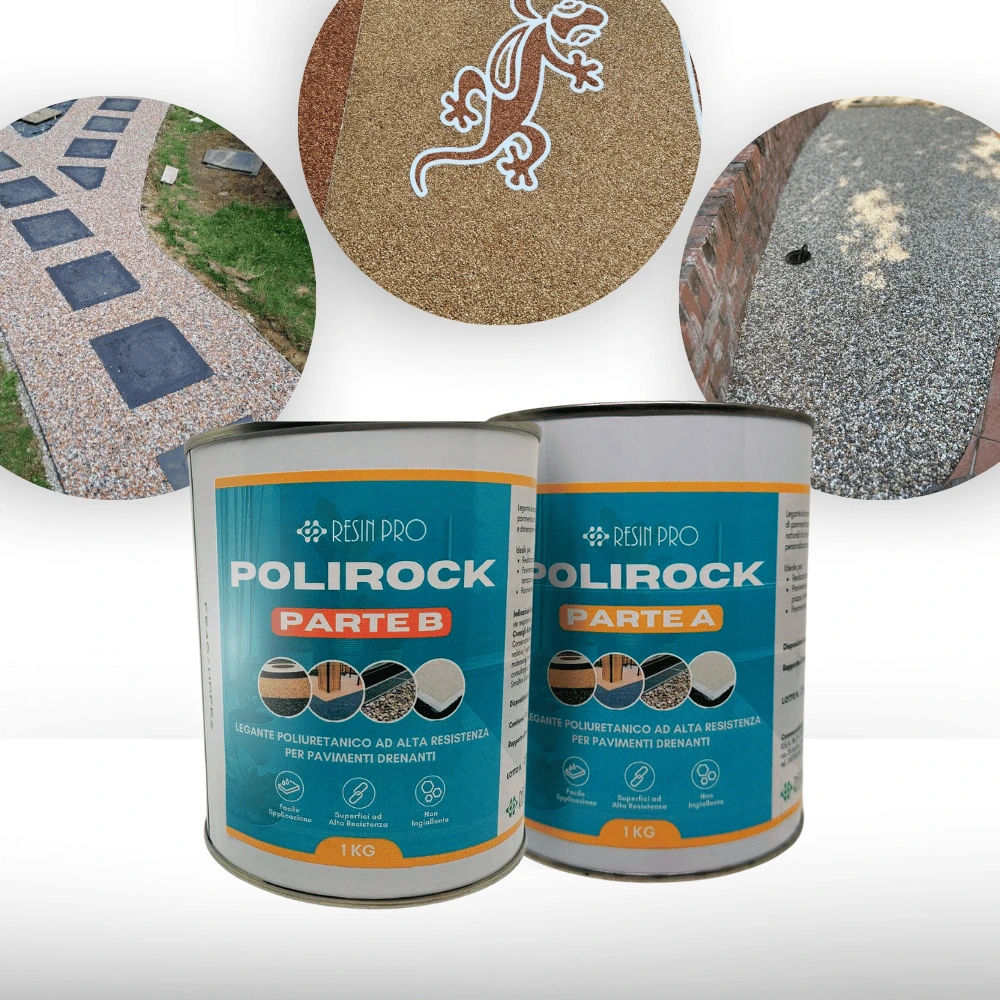
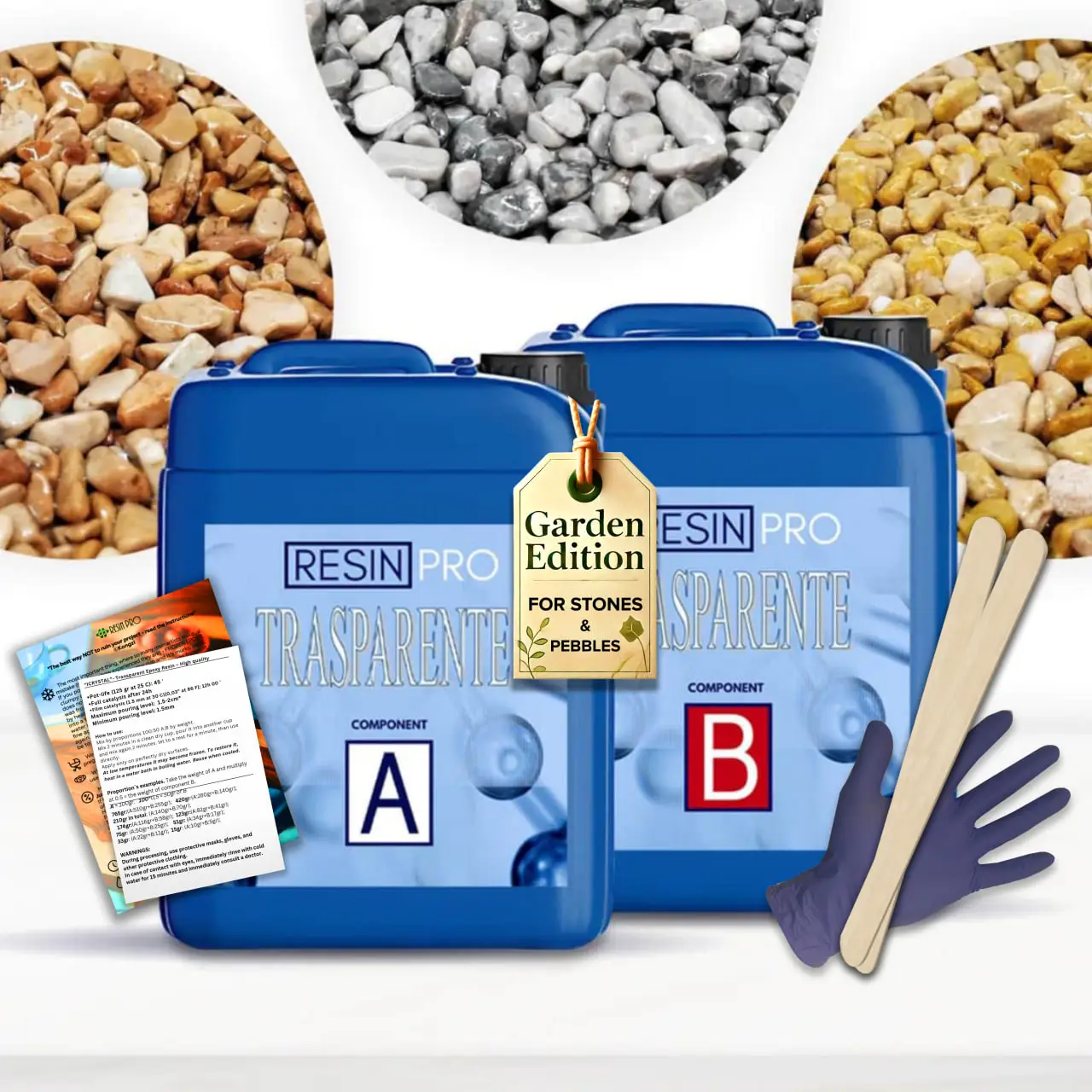
Selecting the right binder is essential for creating beautiful, lasting surfaces with white stones. The choice can directly impact the colour clarity and long-term appearance of your project.
Why Polyurethane is Best for White Stones
Polyurethane binders such as Polirock are well suited to white stones. They resist yellowing, preserving the clean, bright look of white aggregates outdoors. Unlike many resins, polyurethane remains clear when exposed to sunlight and weather, ensuring your surface doesn’t develop an unwanted yellow tint over time.


Practical Application and Guidance
For best results, thoroughly mix the polyurethane binder with the white stones before laying the mixture. This method ensures even coverage and encapsulation, leading to a more stable and uniform finish. The typical ratio is approximately 3% binder by weight of stone, but always follow specific product recommendations for your chosen binder and aggregate size.
- Work in manageable batches to avoid premature curing.
- Apply on a dry day and at suitable temperatures, ideally between 10°C and 40°C.
- Level and compact the surface for a professional result.
When This Matters Most
This choice is particularly important for driveways, footpaths, and patios where pristine appearance is valued. White stones bound with clear polyurethane deliver aesthetic appeal and are ideal when UV exposure is expected.

Related products
Related guides
Choosing a non-yellowing polyurethane binder helps preserve the pure look of white stone surfaces outdoors. For guidance on binding different stone colours or for alternatives such as epoxy for coloured aggregates, see our main page on acrylic vs epoxy for stones.