 Free shipping on orders over £29,85
  Shipping Tracking!


 Google
 Facebook
Why does the resin not harden?
Why resin remains sticky and how the right choice solves it

Resin projects that remain sticky or soft after curing can be frustrating for crafters, artists, and DIY enthusiasts. This guide addresses the most common causes behind unset resin and compares the right products for reliable, crystal-clear results. Whether you work with epoxy or UV-curing acrylics, we’ll help you choose the resin that cures perfectly every time.
Understanding Why Resin May Not Harden
When resin doesn’t cure as expected, the issue often comes down to improper mixing ratios, unsuitable curing conditions, or using the wrong resin for your application. Key differences between resin types—such as UV versus two-part epoxy, cure speed, and allowed layer thickness—make some resins much more forgiving and predictable than others. Fast-curing UV acrylics are ideal for small pieces and jewellery, while two-part epoxies specialise in surface coatings and heavier pours. Selecting the right resin for your project and precisely following mixing and curing instructions reduces most sticky resin problems.
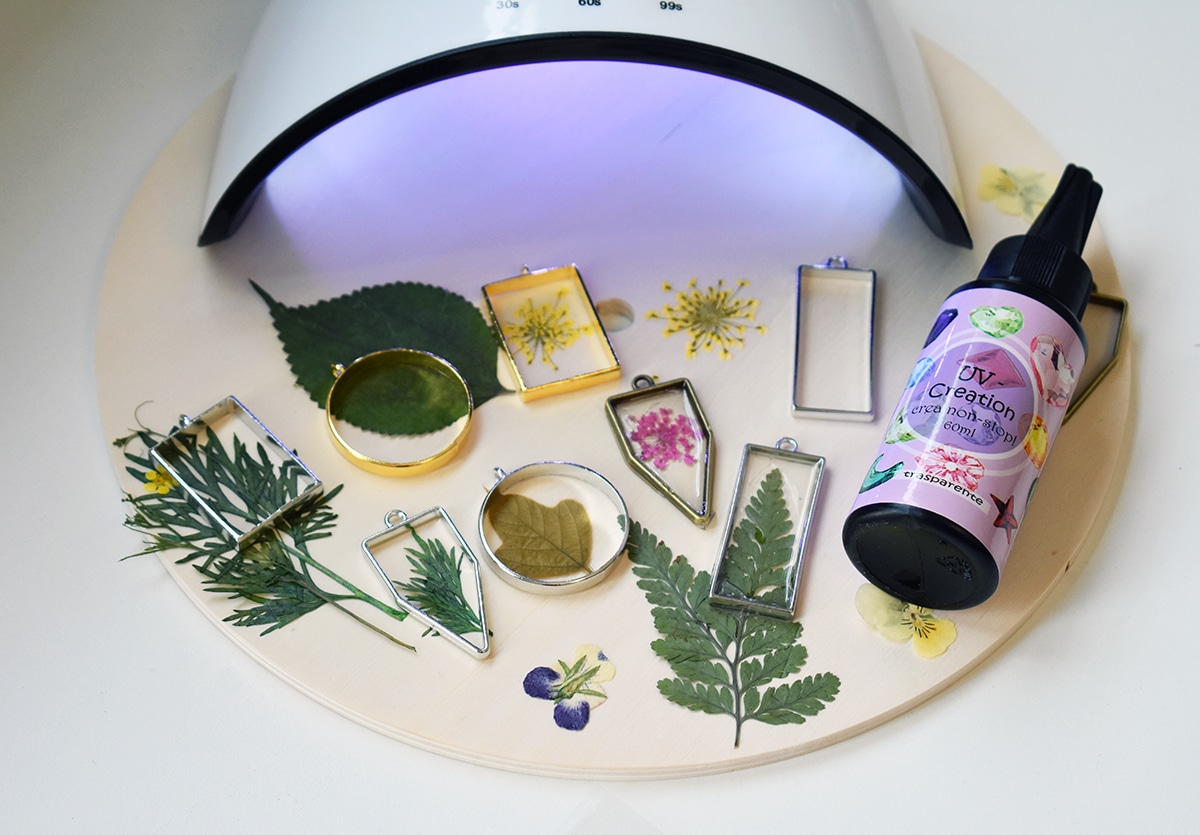
Visualising Problematic Embedments and Curing Results
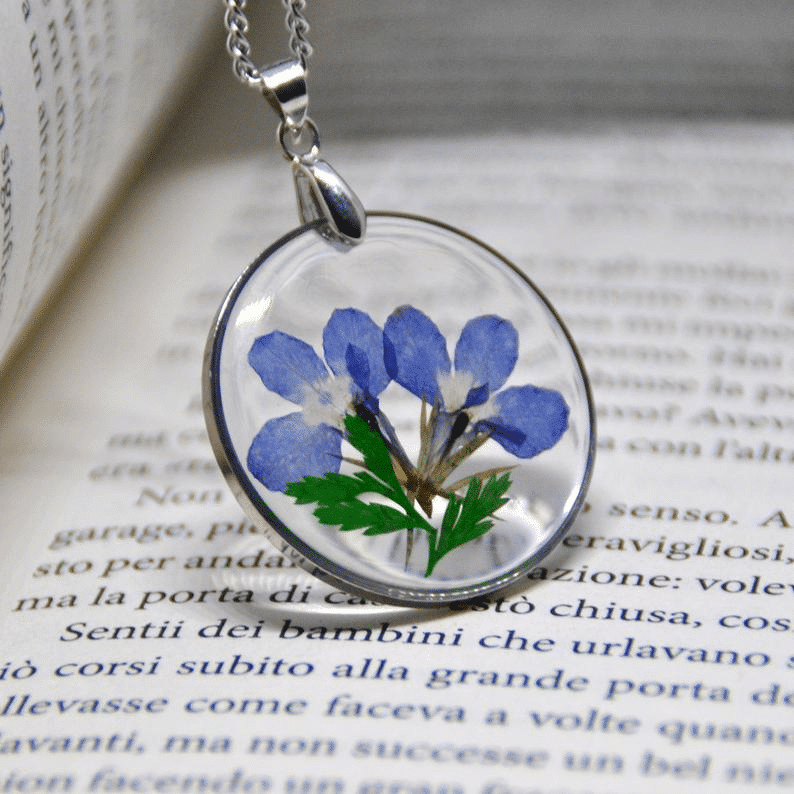
Spot the differences between fully cured, glossy resin and sticky or cloudy results—visual cues help diagnose if you’ve blended and poured your resin correctly. Notice clear, bubble-free edges and a consistent finish as hallmarks of a good cure. UV and epoxy resins each produce subtle variations in sheen and texture, showcased in these project examples.
“UV–Creation” – Quick UV-Curing Resin for Jewellery and Crafts
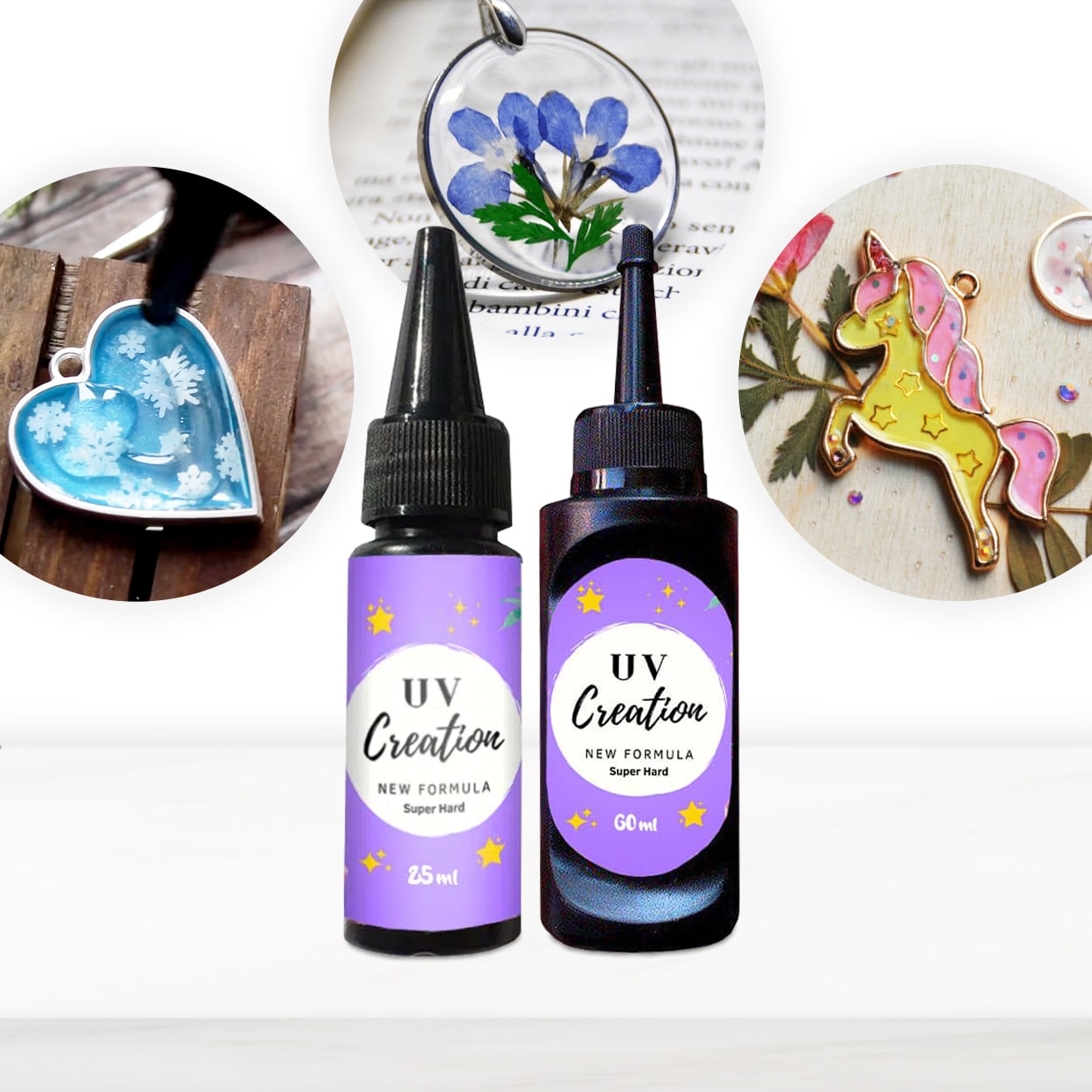
If your resin is not hardening, and you need fast, reliable results for fine details or jewellery, “UV–Creation” – Fast Acrylic Resin, 3 Minute UV Cure is a ready-to-use solution. Curing in just 2–3 minutes under a UV lamp, this acrylic resin eliminates the guesswork of mixing and ensures a crystal clear, glossy finish. It’s suitable for up to 3 mm layers—thicker layers should be cured step-by-step to avoid uncured spots. Its instant curing feature addresses the most frequent cause of sticky resin—insufficiently catalysed mixes or poor environmental conditions. This one-component, non-toxic, and safe & vegan-friendly formulation is perfect for open bezels, small moulds, and embedded craft creations where time and clarity are critical.
“Icrystal” – Odourless Epoxy for Surfaces and Artistic Work
For larger pours, surface coatings, or any application requiring greater depth, “Icrystal” – Clear Epoxy Resin – Odourless Formula – Up to 1.5cm delivers crystal clear transparency and a user-friendly 2:1 mixing ratio. This VOC-free, odourless resin is engineered for layers up to 1.5 cm at once—exceeding this thickness can cause incomplete curing internally. Its crystal-clear, glossy finish that does not yellow over time and high scratch resistance make it ideal for table coatings, river tables, and artistic pieces. Rigorous curing instructions must be followed to avoid soft spots, especially concerning accurate measurement and thorough mixing.
“ICreation” – Fast Epoxy for Quick, Transparent Results
When a short turnaround is important, “ICreation” – Fast Epoxy Resin, 6h Demoulding, Transparent Gloss Finish stands out with its 6-hour demoulding time supports faster project completion and full cure in 12 hours. This two-component, crystal-clear system is excellent for art, crafts, and jewellery requiring speed and reliability. It uses an easy 2:1 mixing ratio and features a crystal-clear, self-levelling glossy finish for professional effects. Fast catalytic systems like this greatly reduce the risk of sticky resin due to insufficient hardener, but always ensure that the recommended ratios and environmental conditions are strictly followed.
“One-2-One” – Versatile, Easy-Mix Epoxy for Handcraft
If achieving the perfect mix is your biggest challenge, “One-2-One” – Epoxy Resin for Handcraft, 1:1 Mixing Ratio is tailored for both beginners and experienced crafters. Its easy 1:1 by volume mixing ratio for simplified preparation virtually eliminates proportion errors that prevent epoxy from curing. This non-toxic, medium viscosity formula offers a crystal clear, super-glossy finish with UV protection and is durable against scratches and moisture. It’s highly forgiving and recommended for those starting out or making detailed jewellery and art inserts where perfect ratios are a must for full hardening.
Tips for Preventing Uncured or Sticky Resin
Resin hardening issues are almost always preventable by understanding both the science and the products used. Always use resins as designated: UV resins under the correct lamp (365–405 nm, sufficient wattage), and epoxies within their specified mixing ratios and layer thickness. Carefully measure components, mix thoroughly (scraping sides and bottom of the container), and maintain environmental temperatures around 20–25°C unless otherwise specified. Avoid adding unsuitable colourants or exceeding the recommended pour depth, which can all lead to uncured resin problems. For the most predictable results, choose resins like “UV–Creation” – Fast Acrylic Resin for fast small scale projects, or “One-2-One” – Epoxy Resin for easy and reliable handcraft applications.
Practical Project Close-Ups and Mixing Technique Highlights
Inset project photos show layered pours, jewellery bezels, and the results of accurate mixing versus common mistakes. See how the correct approach—thorough blending and careful attention to resin type—ensures a flawless, rock-hard finish every time.
- "UV–Creation" – Fast Acrylic Resin, 3 Minute UV CurePrice range: £8.45 through £62.95UV–Creation is a fast-curing, ready-to-use acrylic resin suitable for jewellery makers and crafters needing clear, non-yellowing finishes under the…
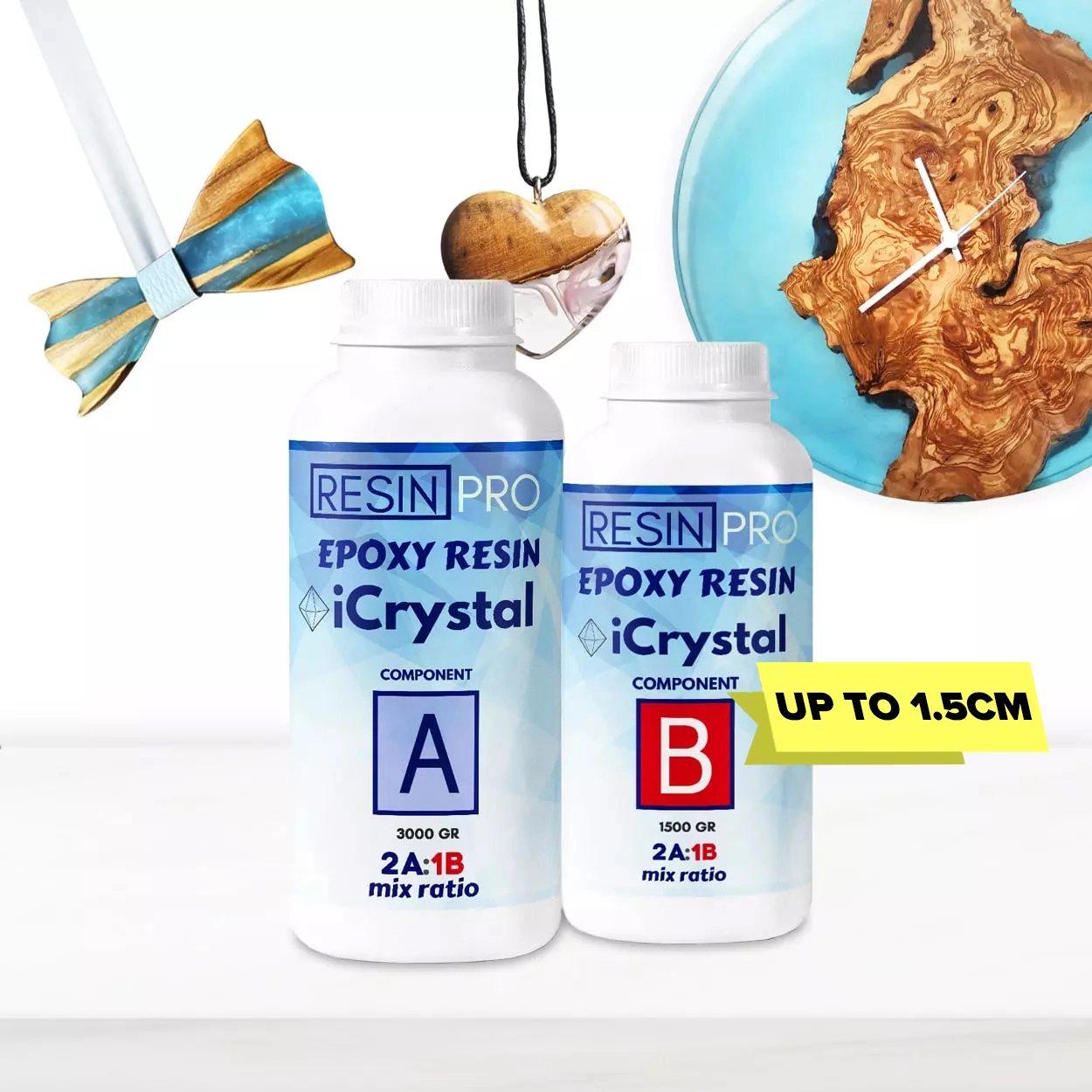 "Icrystal" – Clear Epoxy Resin – Odourless Formula – Up to 1.5cmPrice range: £12.45 through £341.45"Icrystal" Clear Epoxy Resin is an odourless, transparent resin designed for artistic and surface finishing uses.
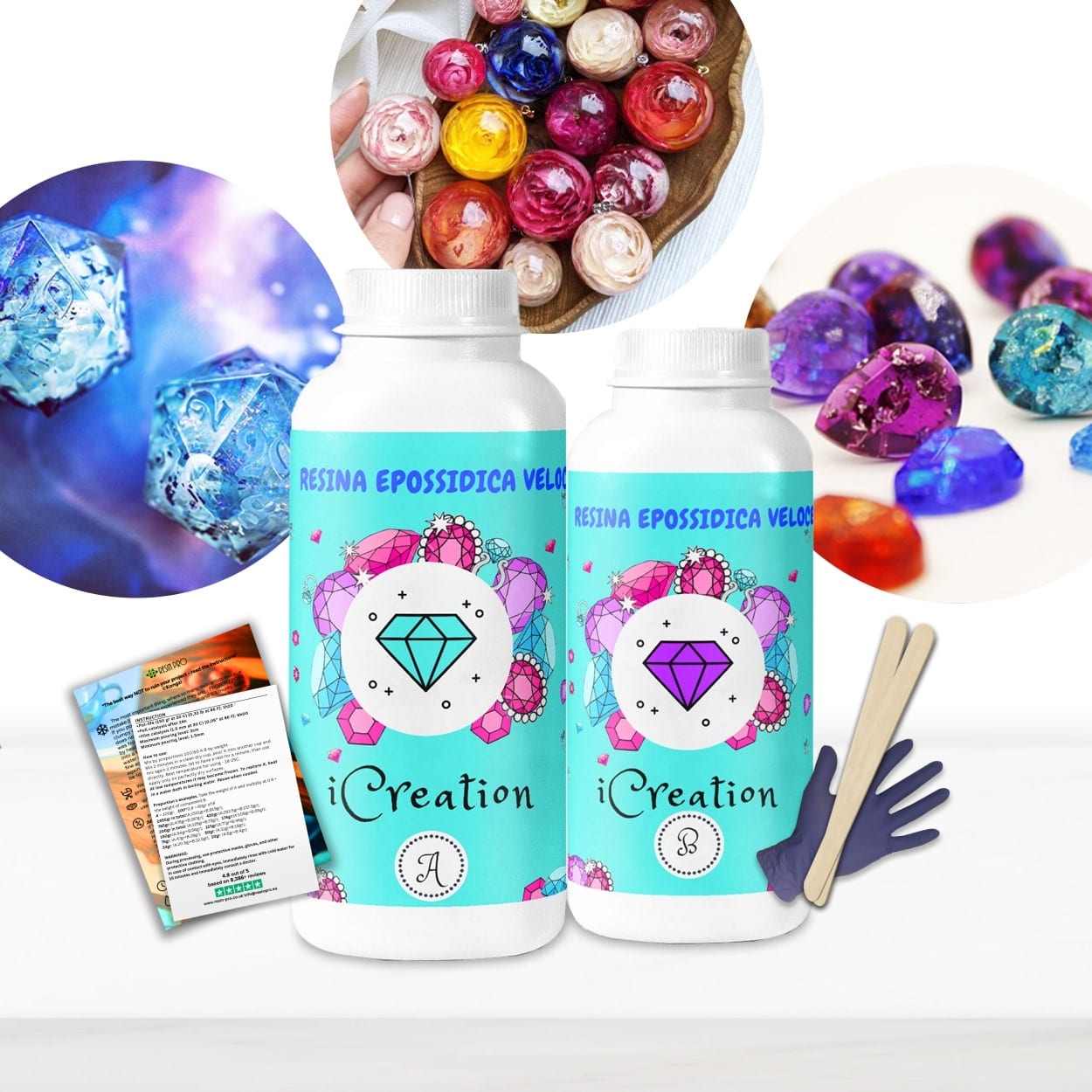 "ICreation" – Fast Epoxy Resin, 6h Demoulding, Transparent Gloss FinishPrice range: £15.95 through £55.95ICREATION Fast Epoxy Resin offers a clear glossy finish with fast curing times for jewellery and craft projects under the theme 'Why does the resin…
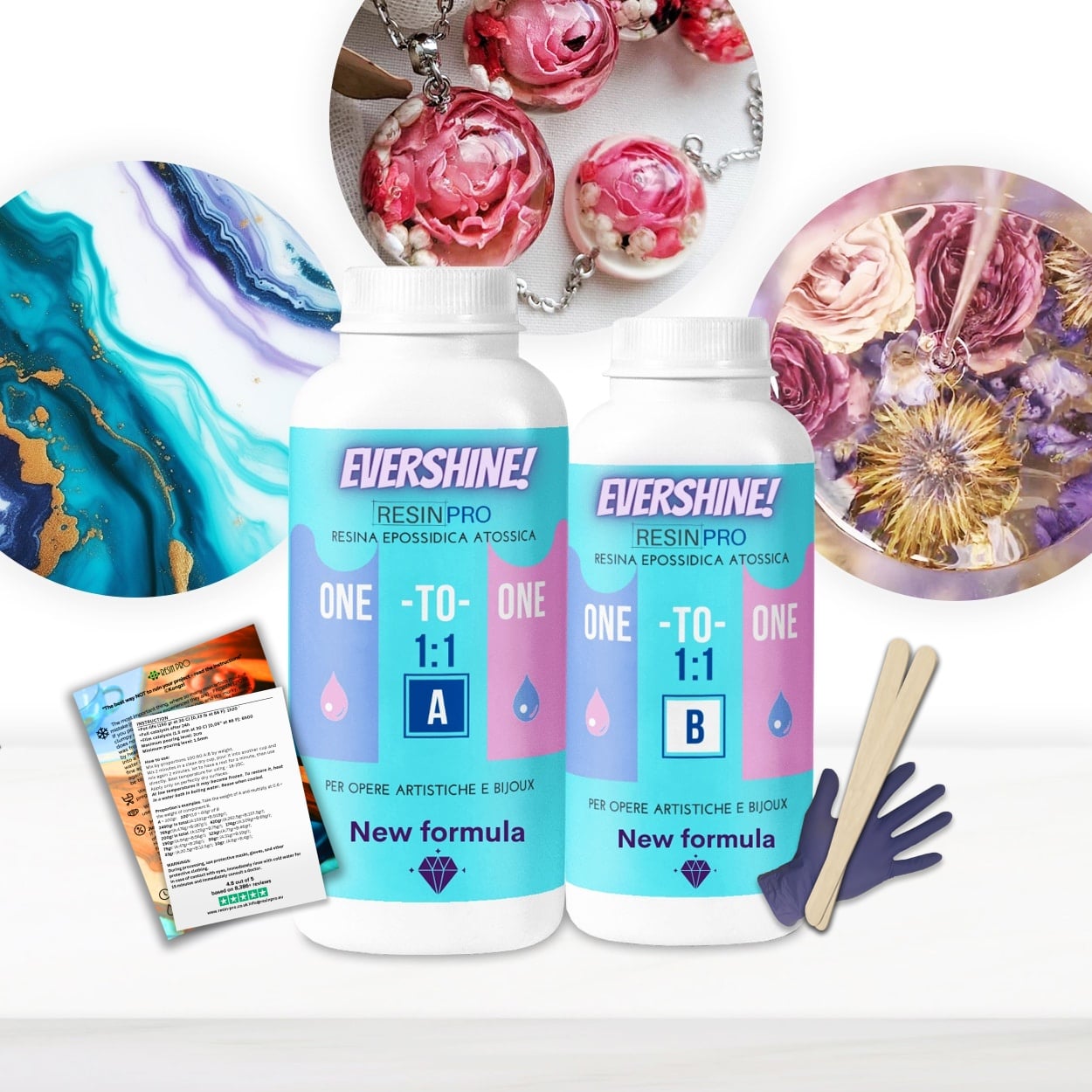 "One-2-One" – Epoxy Resin for Handcraft, 1:1 Mixing RatioPrice range: £15.95 through £59.95"One-2-One" epoxy resin offers a high-quality, medium viscosity formula with easy 1:1 mixing, suitable for jewellery and decorative handcraft…
Frequently Asked Questions
Why won't my resin harden even after several hours?
Incorrect mixing ratios, poor temperature, or using the wrong curing method are the most common reasons for resin not hardening.
Do additives or colourants affect how resin cures?
Some additives and incorrect pigments can slow or prevent curing. Always ensure compatibility with your resin system.
What is the best temperature for curing resin?
Most resins cure best between 20–25°C. Low temperatures can slow or halt curing, resulting in soft or sticky surfaces.
How can I fix sticky or tacky resin?
If resin remains sticky, try scraping off the unset layer or apply a thin fresh layer, ensuring correct mixing and curing conditions.
What are the differences between UV and epoxy resins in curing?
UV resins cure instantly under light, ideal for thin layers. Epoxy resins require mixing and several hours to cure, suitable for thicker pours.
Does mixing the wrong ratio always stop resin setting?
An imprecise ratio often causes incomplete curing. Always follow the recommended measurements closely.