 Free shipping on orders over £29,85
  Shipping Tracking!


 Google
 Facebook
Why does the resin not dry?
Find answers to curing issues and select the right resin solution
Are you frustrated because your resin simply will not dry, remains tacky, or takes far longer to set than you expected? This page explains common causes for improper resin curing, helps you troubleshoot resin drying dilemmas, and guides you to choose the right resin solution for your jewellery, crafts, or 3D reliefs. Whether you are a hobbyist, a jewellery maker, or a seasoned crafter, understanding product selection is the first step to achieving a flawless, quick, and glossy finish every time.
Why Does Resin Sometimes Not Dry? Key Differences and Causes
Resin curing issues can be traced to several factors: incorrect mixing ratios, insufficient UV exposure, poor environmental conditions (such as cold or damp), or using the wrong resin for your specific application. UV resins require direct UV light to cure, while epoxy resins rely on accurate component mixing and stable temperatures. Fast-curing formulations dramatically reduce waiting times compared to standard types. Knowing these differences is crucial to selecting a product that meets your project’s demands and ensures complete, non-tacky curing on every use.
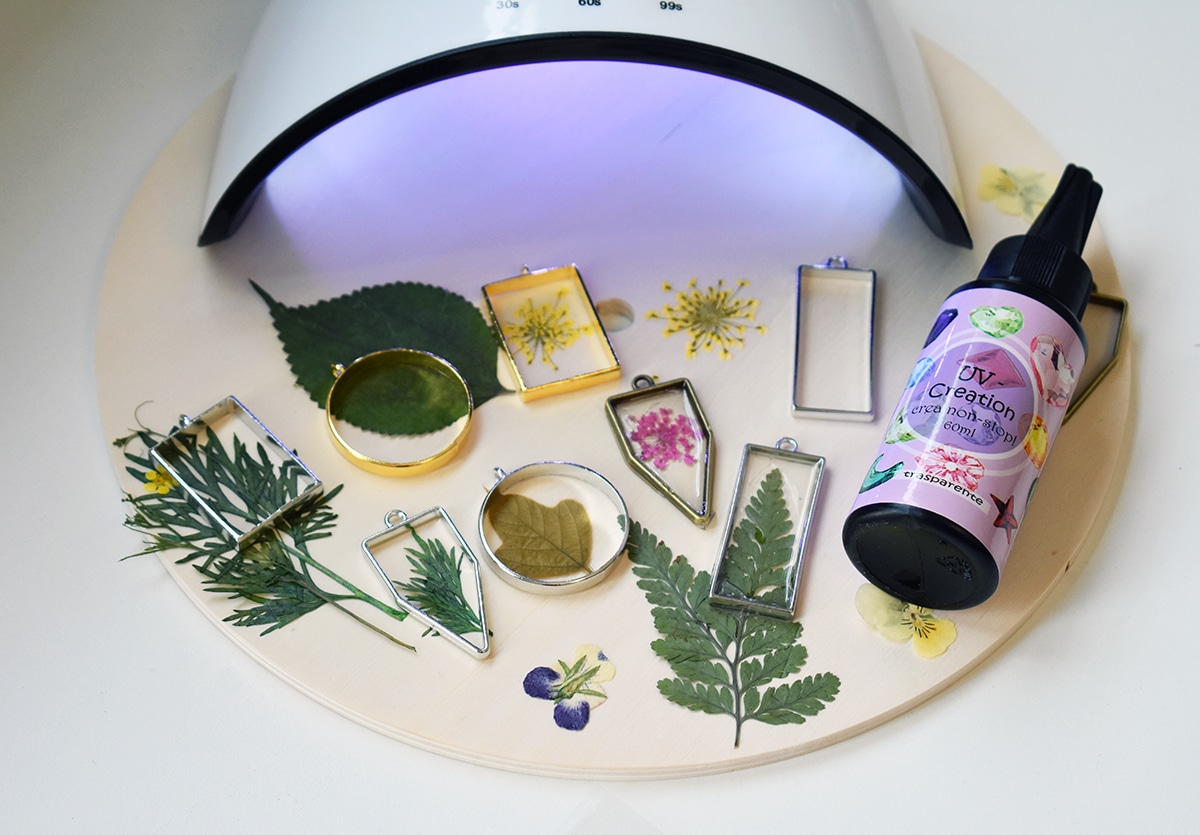
Resin Curing Illustration
See how different resin types cure under proper lighting and conditions: Compare UV and epoxy resin drying times visually with our sample project showcase. Browse more UV resins and accessories to find the right match for your technique.
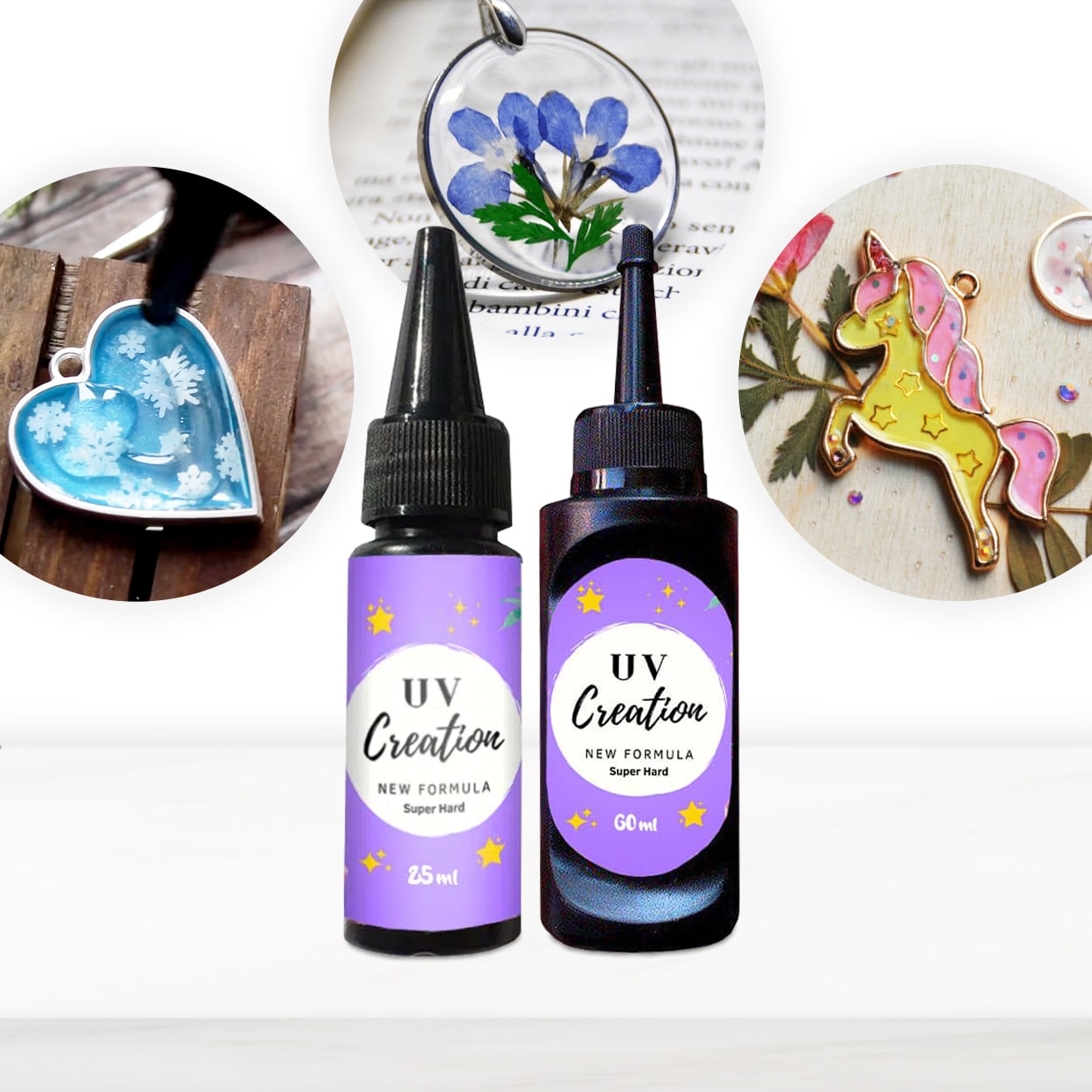
“UV–Creation” – Fast Acrylic Resin, 3 Minute UV Cure
For creators seeking the quickest possible solution to sticky or under-cured surfaces, “UV–Creation” – Fast Acrylic Resin, 3 Minute UV Cure delivers rapid results. This ready-to-use, one-component UV gel resin is specifically formulated for jewellery makers and crafters who need instant curing—just 2 to 3 minutes under a proper UV lamp. Its crystal-clear, non-yellowing finish ensures your work stays glossy and long-lasting, while the gel’s non-toxic, odourless formula supports safe crafting. “UV–Creation” is recommended if you require fast, reliable hardening and want to avoid project delays caused by slow-setting or improperly mixed resins.
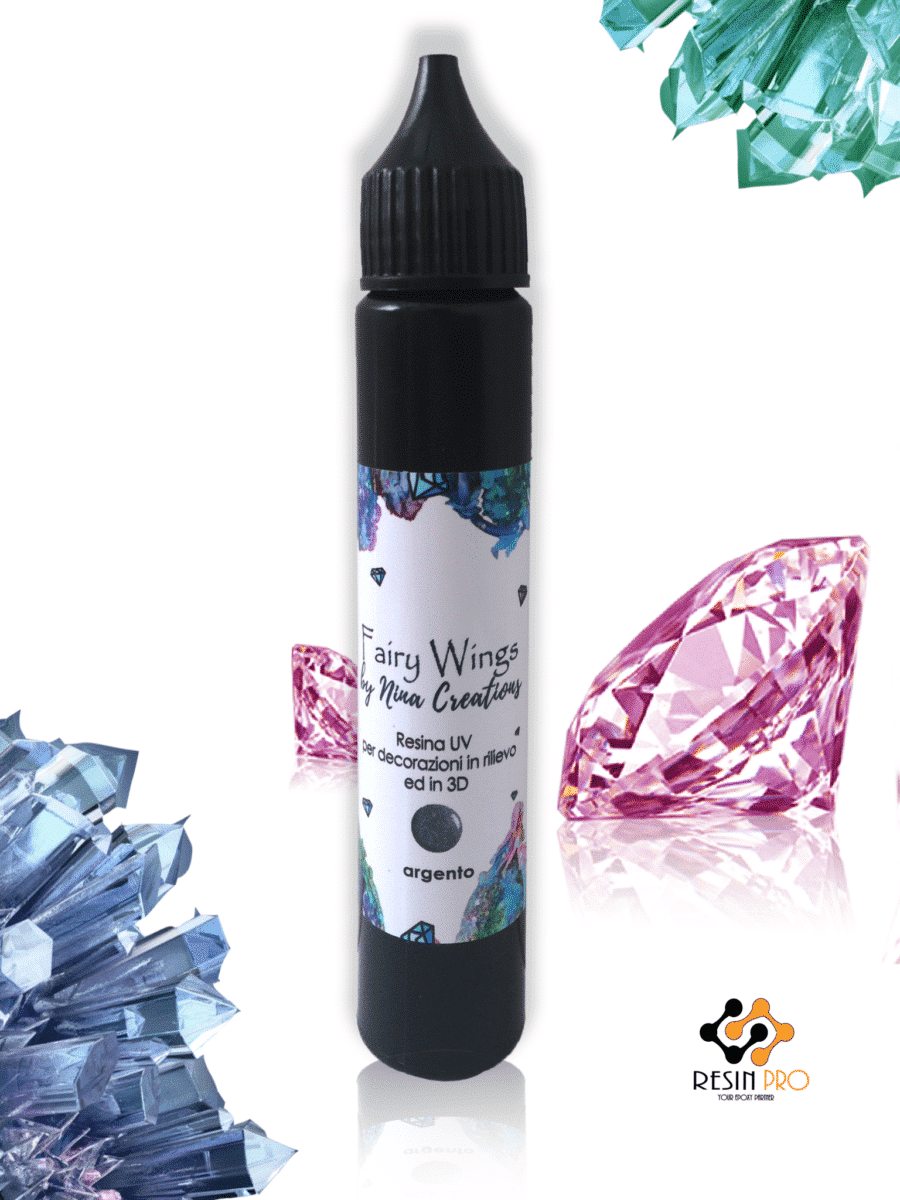
“Fairy Wings” – UV Resin for Volumetric Reliefs, Dual Colour, 30ml
If your resin is failing to dry when creating fine raised patterns or detailed 3D decorations, “Fairy Wings” – UV Resin for Volumetric Reliefs, Dual Colour, 30ml may be ideal for you. With its thin-layer application and one-component formula, this UV resin promotes quick, even hardening—typically within 3 to 5 minutes under UV light. It’s designed for intricate effects on surfaces like polymer clay, and the included dual colours allow for beautiful volumetric accents. Remember, with UV resin like “Fairy Wings,” the key to successful curing is using thin layers and ensuring adequate UV exposure for each coat.
“ICreation” – Fast Epoxy Resin, 6h Demoulding, Transparent Gloss Finish
For those who prefer or require an epoxy resin solution, “ICreation” – Fast Epoxy Resin, 6h Demoulding, Transparent Gloss Finish stands out for its rapid demoulding time—just 6 hours, with a complete cure at 12 hours. A two-part resin with a user-friendly 2:1 mixing ratio, “ICreation” delivers a crystal-clear, self-levelling finish enhanced with UV filtering to help resist yellowing. This resin is ideal if you need a faster cure than traditional epoxies, but also want the robust, glossy finish that epoxy provides for both jewellery and decorative pieces. Always ensure you measure and mix both parts accurately for the resin to cure fully and avoid sticky results.
“One-2-One” – Epoxy Resin for Handcraft, 1:1 Mixing Ratio
Especially popular among both beginners and experienced crafters, “One-2-One” – Epoxy Resin for Handcraft, 1:1 Mixing Ratio helps minimise preparation errors that so often cause incomplete drying or a tacky finish. Its equal-parts by volume mixing ratio simplifies the process, making it less likely to mismeasure and more likely to achieve perfect, bubble-free results. The medium viscosity suits cabochons, coatings, and other decorative projects, and a built-in UV filter supports excellent clarity and long-term resistance to yellowing. If consistent curing and long-lasting durability are your priorities, “One-2-One” offers straightforward performance with fewer curing pitfalls.
Tips for Successful Resin Drying and Common Pitfalls
To achieve perfectly cured resin, always read your product’s instructions carefully. For UV resins such as “UV–Creation” and “Fairy Wings,” apply thin, even layers and ensure direct, adequate exposure to a UV lamp. For epoxies like “ICreation” and “One-2-One,” measure and mix thoroughly using the recommended ratios, and avoid working in environments that are too cold or too humid. Never rush the curing process by demoulding early, and always test a small sample if you are trying a new method or mould. These simple habits will help prevent sticky surfaces, uneven finishes, or incomplete curing.
Before and After: Resin Curing Results
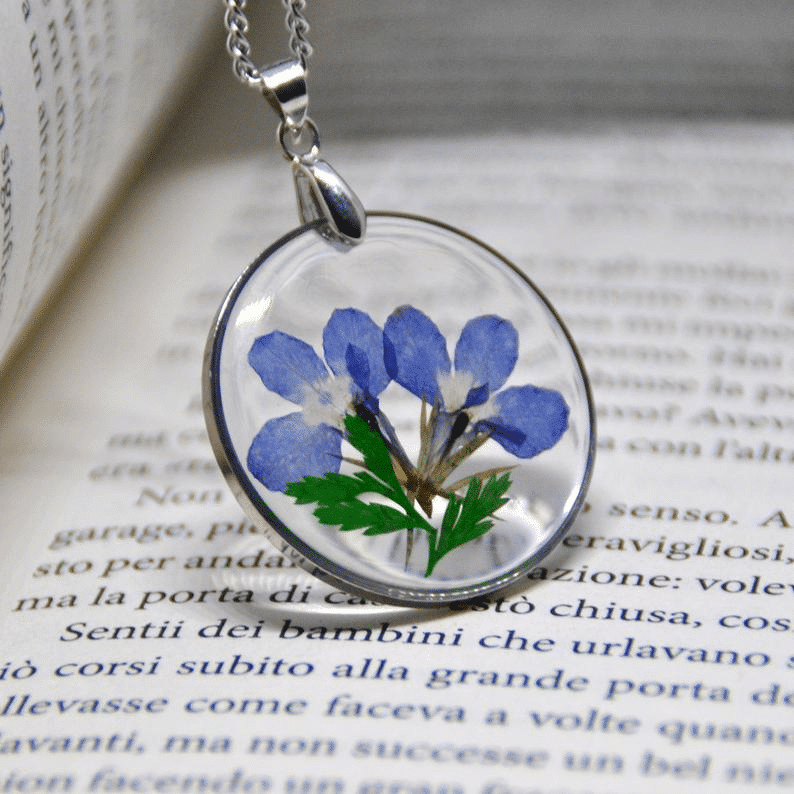
View side-by-side outcomes: Spot the difference between properly mixed, well-cured pieces and those with incomplete drying caused by mixing errors or poor UV exposure. Explore Resin for jewellery for more options to achieve perfect results.
- "UV–Creation" – Fast Acrylic Resin, 3 Minute UV CurePrice range: £8.45 through £62.95"UV–Creation" is a fast curing UV acrylic resin suitable for jewellery making and crafting within the theme 'Why does the resin not dry?'.
- "Fairy Wings" – UV Resin for Volumetric Reliefs, Dual Colour, 30mlOriginal price was: £15.15.£2.85Current price is: £2.85.FAIRY WINGS UV Resin offers ready-to-use acrylic gel for detailed 3D patterns with dual colours, suited to the theme on resin drying.
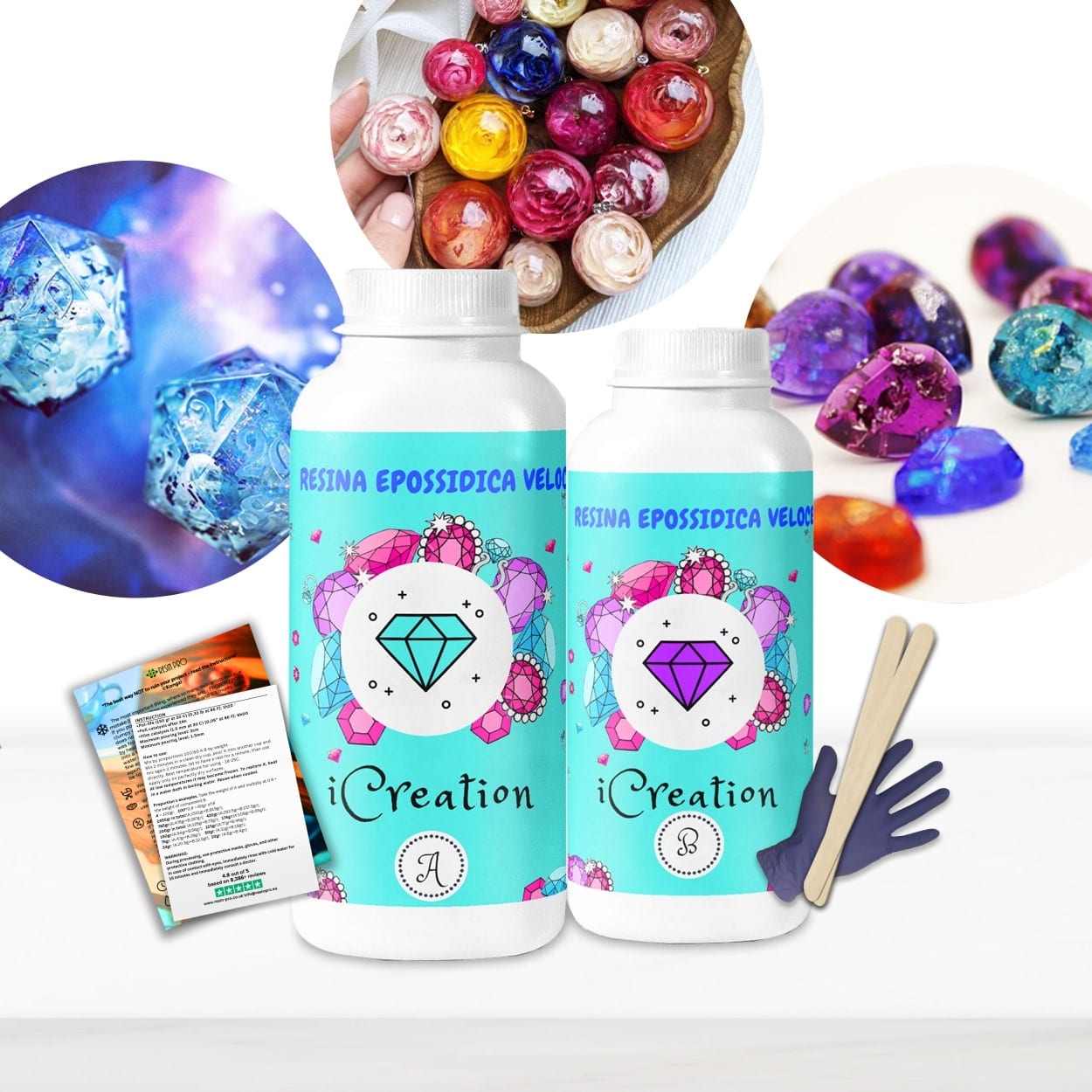 "ICreation" – Fast Epoxy Resin, 6h Demoulding, Transparent Gloss FinishPrice range: £15.95 through £55.95ICreation Fast Epoxy Resin offers a crystal-clear, glossy finish with a 6-hour demoulding time suitable for jewellery and craft projects following…
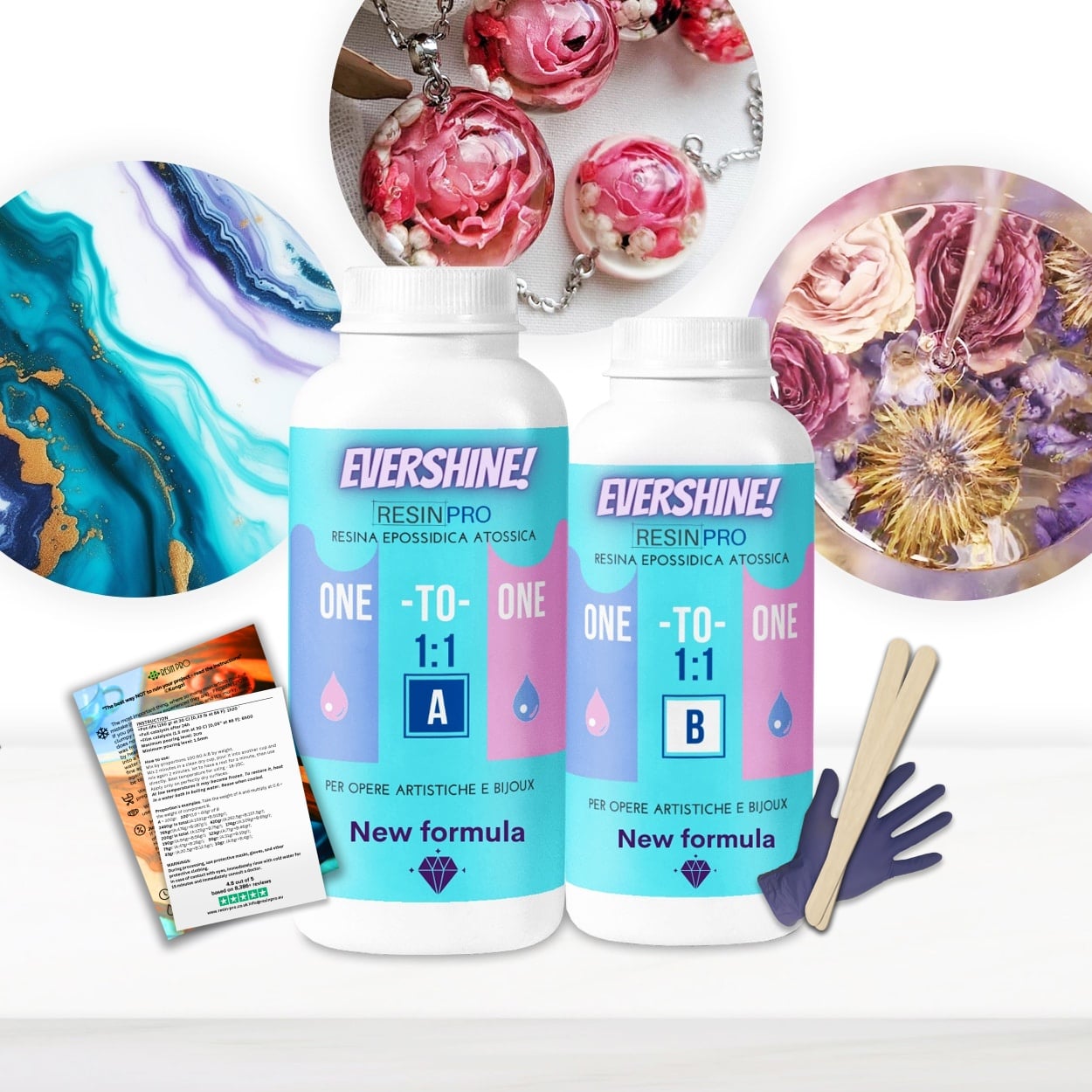 "One-2-One" – Epoxy Resin for Handcraft, 1:1 Mixing RatioPrice range: £15.95 through £59.95"One-2-One" epoxy resin is suitable for handcraft projects, offering clear, durable finishes with an easy 1:1 mixing ratio, fitting the theme.
Frequently Asked Questions
Why does my UV resin remain tacky after curing?
If your UV resin feels tacky, it is usually due to insufficient UV exposure, thick layers, or using a light source with the wrong wavelength. Cure in thinner layers for best results.
How long does epoxy resin take to fully dry?
Fast-curing epoxies like ICreation can be demoulded after 6 hours and reach full hardness in 12 hours under recommended temperature conditions.
Can I speed up resin curing safely?
For epoxy resins, always cure at the suggested room temperature—do not apply extra heat. For UV resin, ensure your UV lamp has the correct intensity and wavelength for efficient curing.
Which dries faster: epoxy or UV resin?
UV resins harden in minutes under UV light, while fast-cure epoxies take several hours. Choice depends on your project needs and equipment.
How does mixing ratio affect epoxy curing?
Incorrect resin-to-hardener ratios are a leading cause of incomplete cures. Always follow the product’s specified mixing instructions.
Can temperature or humidity impact resin curing?
Yes, resin cures best at recommended room temperatures and in dry conditions. Cold or damp settings can significantly delay or prevent proper curing.
Should UV resin be cured in thick layers?
No, always cure UV resin in thin layers—no more than 3mm at a time—to avoid tacky or soft spots. Cure each layer fully before adding another.