 Free shipping on orders over £29,85
  Shipping Tracking!


 Google
 Facebook
What is silicone rubber and is it suitable for clay moulds?
A practical comparison of silicone types for clay and moulding

If you’re working with clay or looking to create detailed and reusable moulds, silicone rubber is likely to appear on your shortlist of materials. This page explores the fundamentals of silicone rubber, its suitability for clay moulds, and how to choose the best option for your specific application—whether that’s jewellery, model making, candle creation, or hobby projects. Ideal for both beginners and experienced makers, here you’ll find a clear comparison and expert guidance.
Silicone Rubber for Clay Moulds: Overview and Key Differences
Silicone rubber is a versatile material prized for flexibility, detail reproduction, and reusability. For clay moulds, selecting the right silicone rubber impacts not just the ease of the process, but also the quality and lifespan of your finished mould. Key factors to consider include the type of silicone (liquid or putty), working time (pot life), transparency, mixing ratio, safety profile, and compatibility with clay and casting materials like resin or wax.
Liquid silicone rubbers offer best-in-class detail capture and are ideal when pouring over intricate clay models or undercuts. Putty silicones simplify hand application and are favoured for quick or small batch work, especially when odour or skin-sensitivity are concerns. Translucent products allow you to monitor bubble formation or ensure complete coverage—a valuable feature for precision projects. Ultimately, the ideal choice depends on your project scale, required detail, and preferred working method.
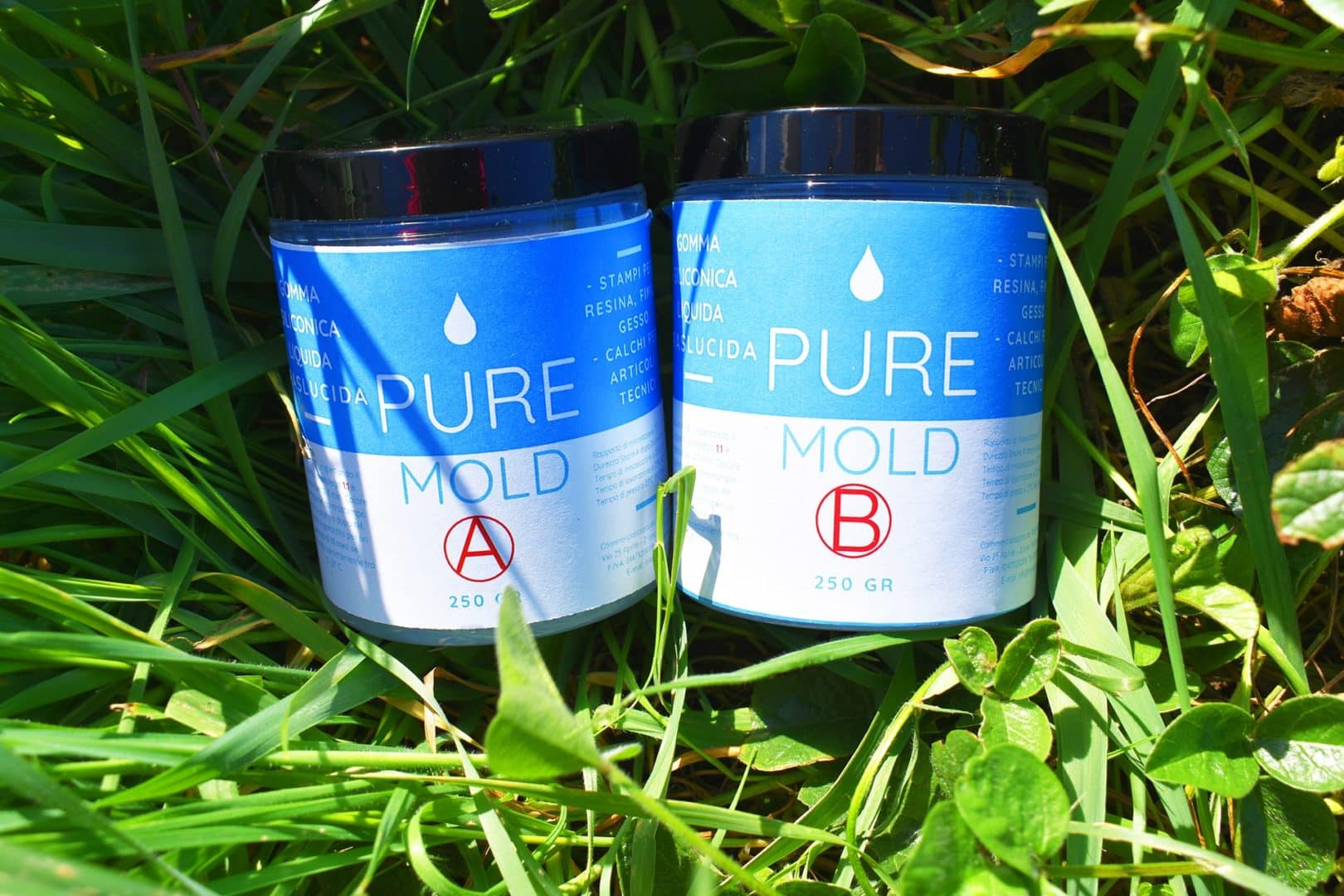
See Silicone in Action
Explore our gallery of silicone rubber in real-life mould making applications. Notice the clarity of detail on clay, the flexibility after demoulding, and how both liquid and putty types perform on varying project sizes. Using the appropriate silicone can make all the difference when capturing fine clay textures or intricate designs.
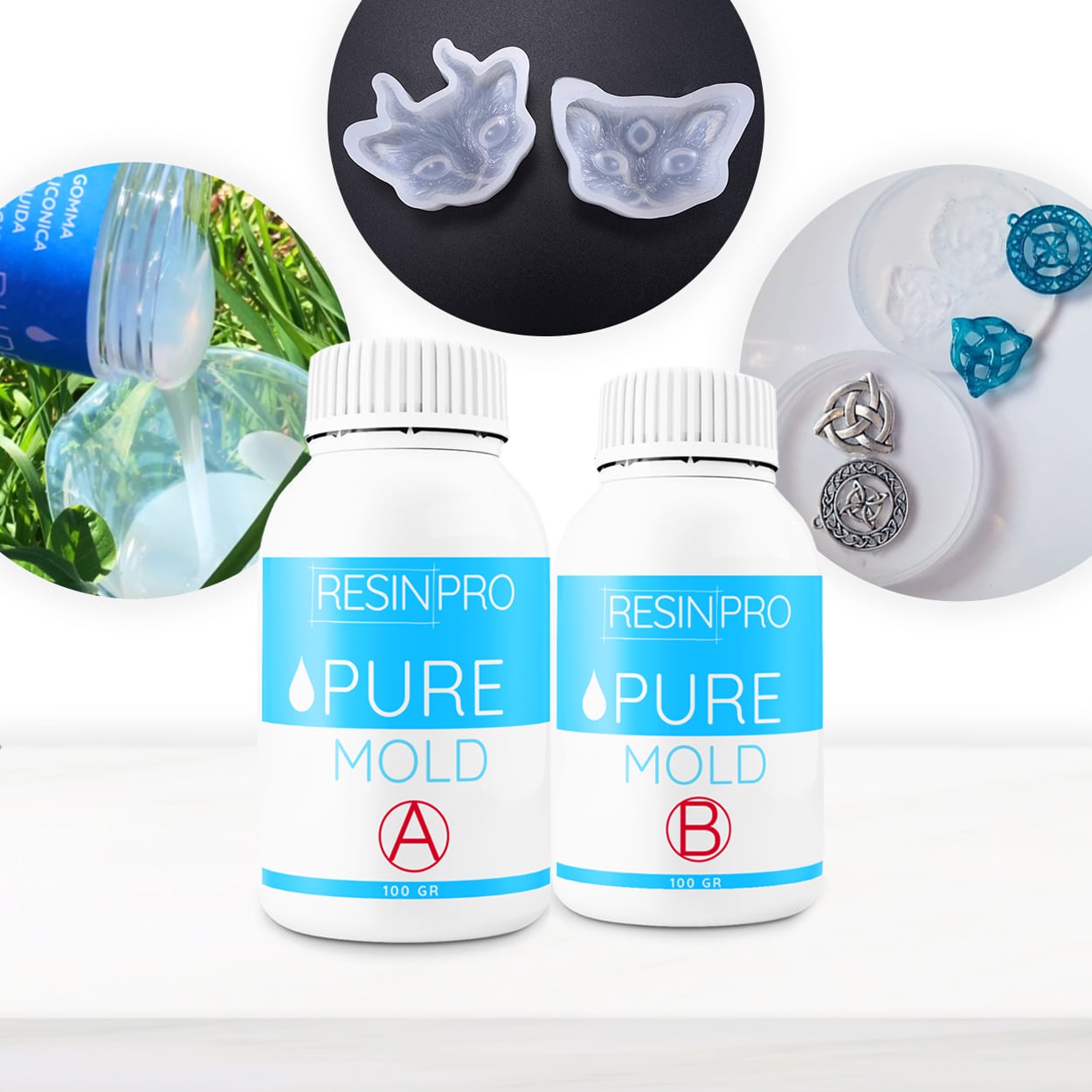
“Pure Mould” – Translucent Liquid Silicone Rubber for Mould Making
“Pure Mould” – Translucent Liquid Silicone Rubber for Mould Making stands out for its platinum-based formula designed specifically for high-quality, reusable moulds. The 1:1 mixing ratio and curing time of roughly 3–8 hours mean it’s both fast and practical for professional and hobby applications. Its transparency helps identify coverage issues, while robust mechanical properties ensure your clay-imprinted mould stays usable multiple times without distortion or excessive wear. This product is safe (certified non-toxic, odourless), vegan-friendly, and suitable for a wide range of materials including wax, resin, plaster, and cement.
“I–Gum” – Non-Toxic Silicone Putty for Mould Making
“I–Gum” – Non-Toxic Silicone Putty for Mould Making offers a hands-on solution with a unique putty texture, making it ideal for sculptors and artists who want to apply silicone directly onto clay. Non-toxic and safe to use without gloves, it features a generous working time of up to 20 minutes—allowing corrections and careful coverage. “I–Gum” is also odour-free, which is helpful in enclosed or educational settings. Its uses span from resins, waxes, and cement to more delicate casting, making it a strong all-rounder for smaller project scales or when convenience and safety are priorities.
“Liquid Mould” – Casting Liquid Silicone Rubber (Various Shore Hardness)
“Liquid Mould” – Casting Liquid Silicone Rubber, 5-40 Shores, Bi-Component A+B—and its higher-volume variant, “Liquid Mould” – Casting Liquid Silicone Rubber, 15 Shores 20.8 kg—are engineered for reproducing fine details, even in challenging shapes with deep undercuts. This liquid silicone option is especially good for multiple reproductions and for casts where the highest level of detail from clay originals is demanded. A bi-component formula (A+B) requires thorough mixing with a catalyst and allows great penetration for tiny shapes. Suitable for resins, soaps, and polymer-based casting, this choice is preferred for technical and artistic pieces alike, from jewellery to intricate ceramic or wax creations.
How to Choose the Right Silicone for Your Mould Project
Consider your mould’s size, required flexibility, and the amount of detail you’d like to capture. For quick, small, or particularly safe projects, “I–Gum” enables swift direct application and minimal clean-up. For professional projects, high-volume use, or where crystal clarity and durability matter, “Pure Mould” and “Liquid Mould” are often preferred. Remember, liquid options—especially platinum-based—excel at faithfully reproducing complex clay textures. Always check whether a catalyst is needed and follow best-practice mixing and curing guidance to prevent trapped bubbles or incomplete setting. For more choice, see the full silicone rubbers and silicon rubbers categories for additional technical details.
Expert Tips for Successful Clay Moulds
Tip: Ensure your clay original is fully dry before applying any silicone rubber. For best results, follow the recommended mixing ratio and curing times per product. Platinum-based silicones offer added strength and reduce shrinkage, especially for repeated casting or high-detail work.
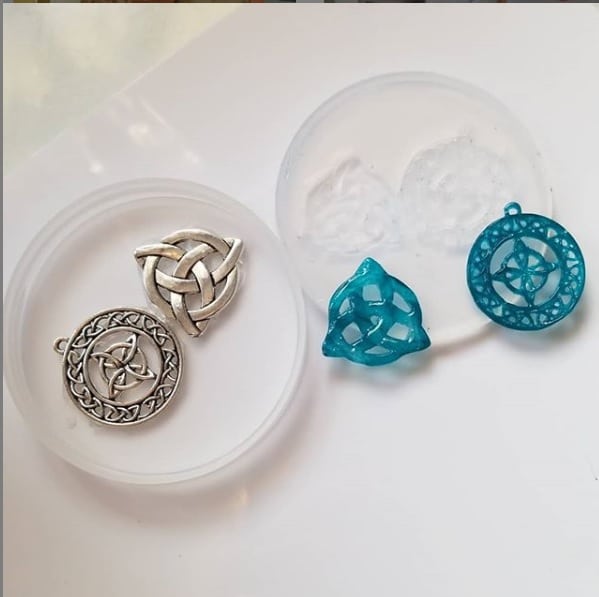
- "Pure Mould" – Translucent Liquid Silicone Rubber for Mould MakingPrice range: £23.95 through £166.95"Pure Mould" is a translucent liquid silicone rubber suitable for making moulds compatible with resins and other materials.
- "I–Gum" – Non-Toxic Silicone Putty for Mould MakingPrice range: £24.00 through £104.95"I–Gum" silicone putty is suitable for mould making with a non-toxic, easy-to-use formula supporting resin and other materials.
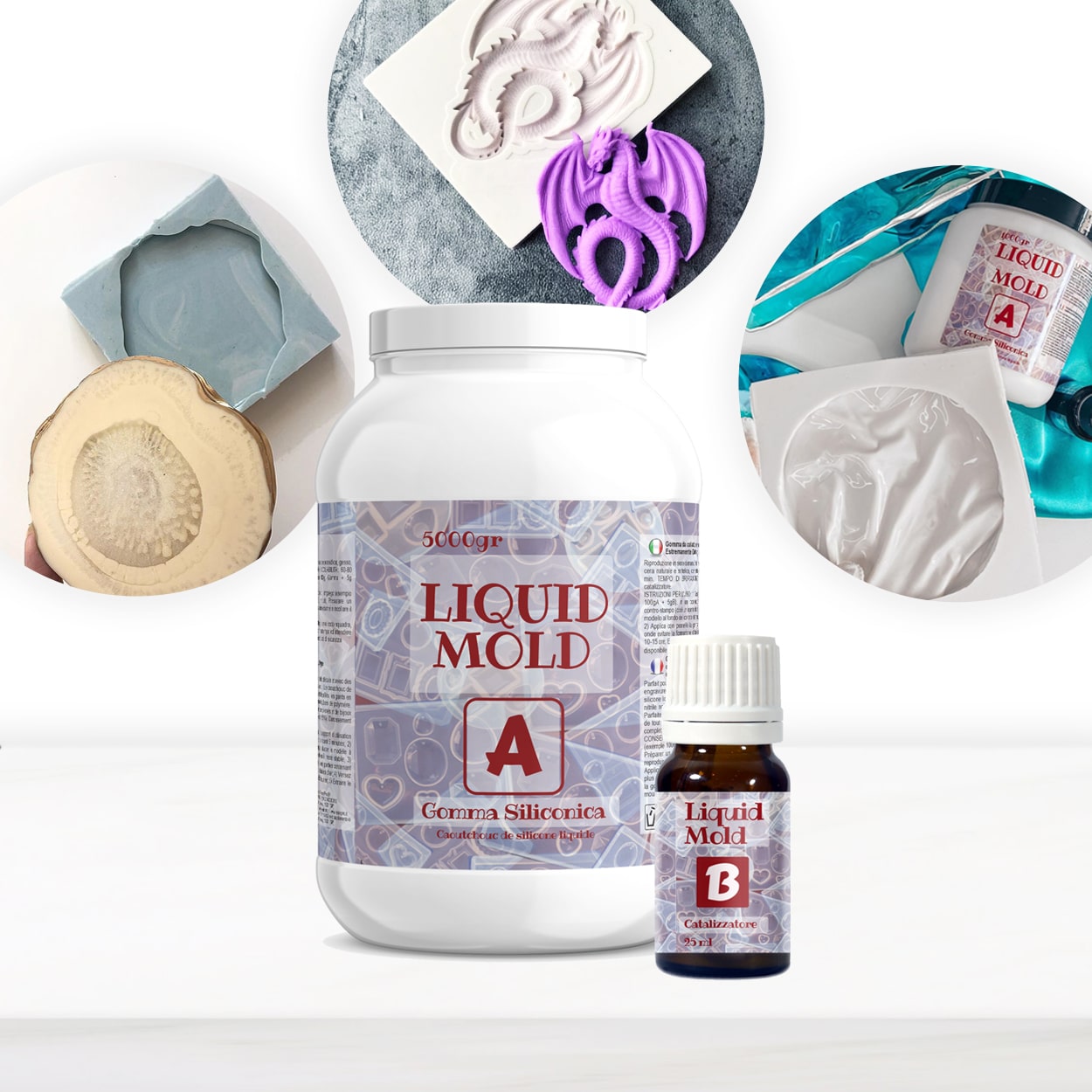 "Liquid Mould" – Casting Liquid Silicone Rubber, 5-40 Shores, Bi-Component A+BPrice range: £14.45 through £387.45"Liquid Mould" is designed for moulds, compatible with resin, soap and polymer pastes, suitable for finely detailed and complex shapes.
- "Liquid Mould" – Casting Liquid Silicone Rubber, 15 Shores 20.8 kg£348.85"Liquid Mould" is a casting liquid silicone rubber designed for moulds with fine details, suited for multiple reproduction of complex shapes.
Frequently Asked Questions
What is the main difference between liquid and putty silicone rubber for moulds?
Liquid silicone rubbers are poured for maximum detail and complex shapes, while putty silicones can be hand-applied and suit smaller or simpler projects.
Will silicone rubber stick to clay models?
Most silicones will not permanently bond to non-oily clay, but ensure the clay is dry and free from loose dust for best demoulding results.
Can I use silicone rubber for resin casting moulds?
Yes, all products here are compatible with resin casting and are suitable for both simple and detailed projects.
Does silicone rubber capture fine clay textures?
Liquid silicones are ideal for reproducing fine clay details, making them excellent for jewellery, modelling, and art applications.
How long does a silicone mould take to cure?
Cure time depends on the product; "Pure Mould" sets in 3–8 hours, while putties like "I–Gum" cure in 20–40 minutes.
Do I need a release agent when using silicone rubber for clay moulds?
Usually, release agents are not required with non-oily clay, but if in doubt, use a light barrier to ensure easy removal.
Are these silicone rubbers safe and non-toxic?
"Pure Mould" and "I–Gum" are certified non-toxic and odourless. Always follow safety instructions provided.