 Free shipping on orders over £29,85
  Shipping Tracking!


 Google
 Facebook
← Back to What type of silicone rubber is used?
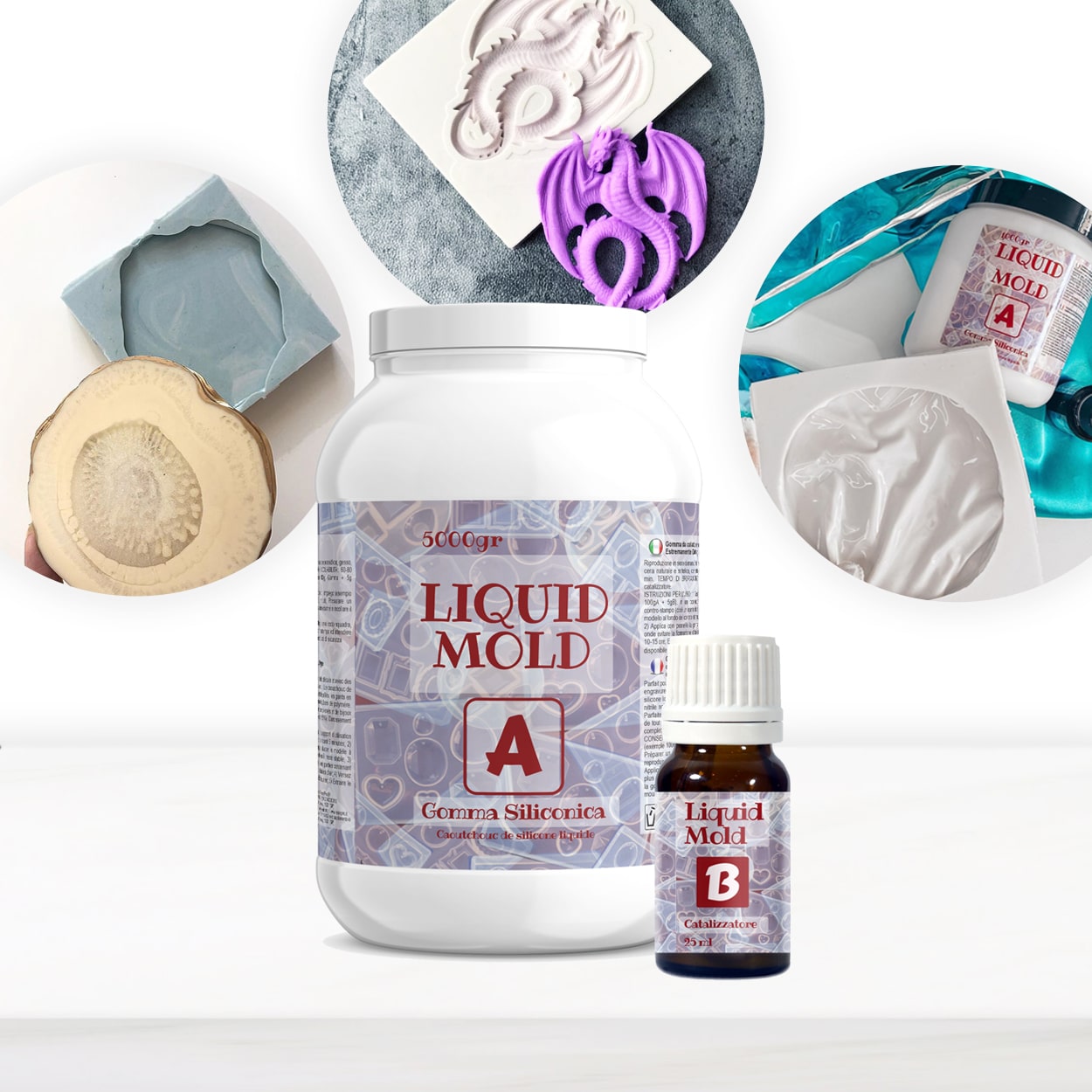
If you’re creating intricate jewellery pieces, choosing the right silicone rubber for mould making is crucial to capture fine details and ensure repeated use. Whether you’re designing rings, pendants, or small charms, the right silicone can help you achieve professional results at home or in the studio.
What Makes Silicone Rubber Ideal for Jewellery Moulds?
For jewellery, detail and dimensional accuracy are everything. Liquid silicone rubbers such as “Liquid Mould” are favoured because their low viscosity allows the silicone to flow into delicate crevices, picking up every subtle texture from your original piece. These bi-component systems cure with minimal shrinkage, ensuring your replicas maintain integrity and sharpness over many uses.
Choosing the Right Type of Silicone for Your Project
- Liquid Silicone Rubber: Perfect for capturing fine details and complex shapes. Requires accurate mixing with catalyst but delivers professional, reusable results.
- Translucent Silicone Rubber: Products like “Pure Mould” offer transparency, making it easier to monitor bubble formation and the pouring process, which is useful for both beginners and experts.
- Silicone Putty: If you need a quick mould for a smaller or flatter item, putties like “I–Gum” are easy and fast to use, with a simple 1:1 mix and rapid demould time.
When This Matters: Precision and Practicality
Selecting the right silicone rubber matters most when your jewellery features intricate textures or undercuts. Artists and small business owners benefit from a product that reduces shrinkage and supports multiple castings, saving both time and material in the long run. For repetitive use, opt for moulds with proven durability and dimensional stability.
Related products
Related guides
Choosing a high-performance silicone rubber lays the foundation for successfully moulding distinctive jewellery pieces. For more advice or to explore further silicone types, return to our main guide on silicone rubber types.