 Free shipping on orders over £29,85
  Shipping Tracking!


 Google
 Facebook
When does resin not harden?
Understand why resin stays soft and how to avoid it
If you’ve ever poured resin, only to find it stays sticky or refuses to set, you’re not alone. This page explains the most common reasons resin fails to harden and helps you choose the right type for your project. Whether you’re creating jewellery, crafts, or detailed art pieces, understanding resin curing issues and finding the ideal solution will save you frustration and give you consistent, glossy results.
Overview: Causes of Resin Not Hardening
Several factors can cause resin to remain soft or tacky. The most frequent issues are inaccurate measurements, incomplete mixing, unsuitable environment (cold or humid), or using the wrong type of resin for your project. UV resins, for instance, need direct exposure to a UV light source, while two-part epoxy resins require precise ratio mixing and are sensitive to ambient temperature and humidity. Choosing the right resin type and following application instructions are vital for reliable curing every time.
Common Scenarios Where Resin Stays Soft
Incorrect measurements or mixing ratios are a leading cause of resin not hardening—always check if your product needs weight- or volume-based measurement. Cold environments and high humidity can also slow or prevent curing for most epoxies.
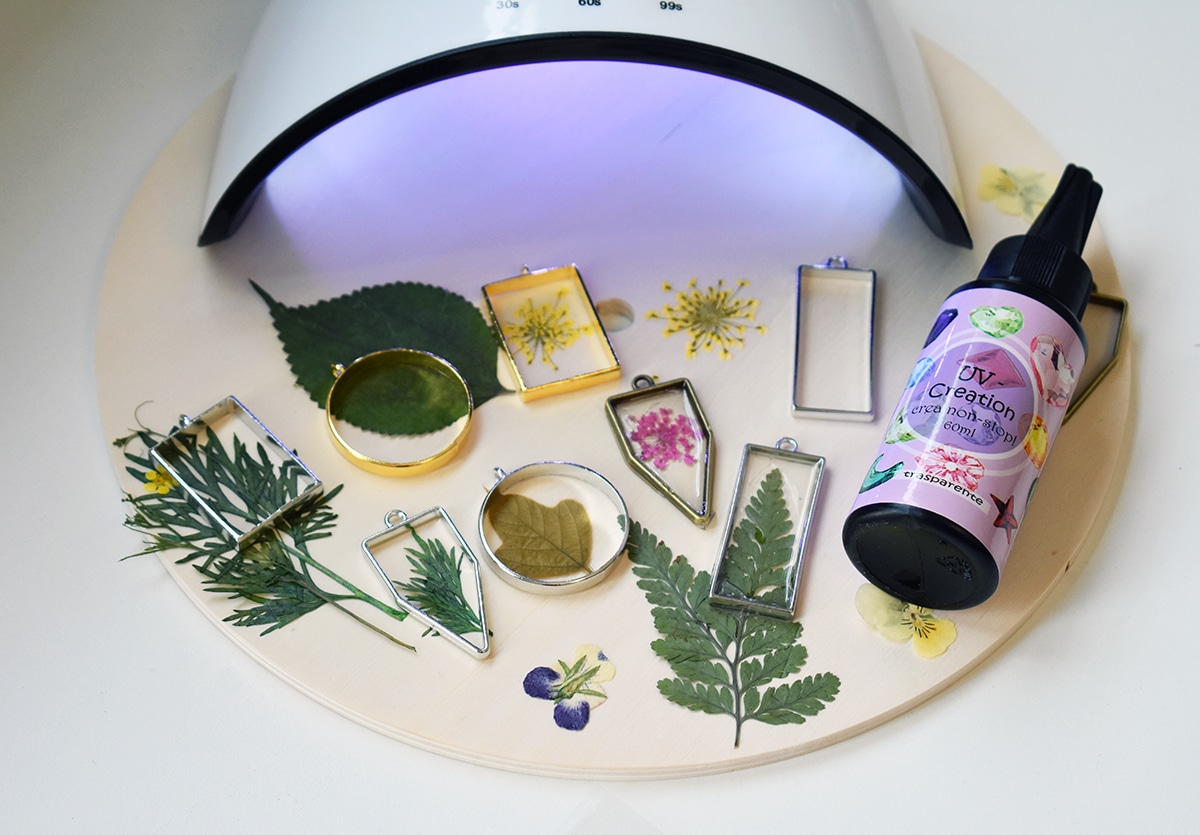
For UV resin systems, any area not directly exposed to sufficient UV light will remain sticky, so ensure complete light coverage for every surface. Knowing these factors helps avoid wasted work and product.
“UV–Creation” – Fast Acrylic Resin, 3 Minute UV Cure
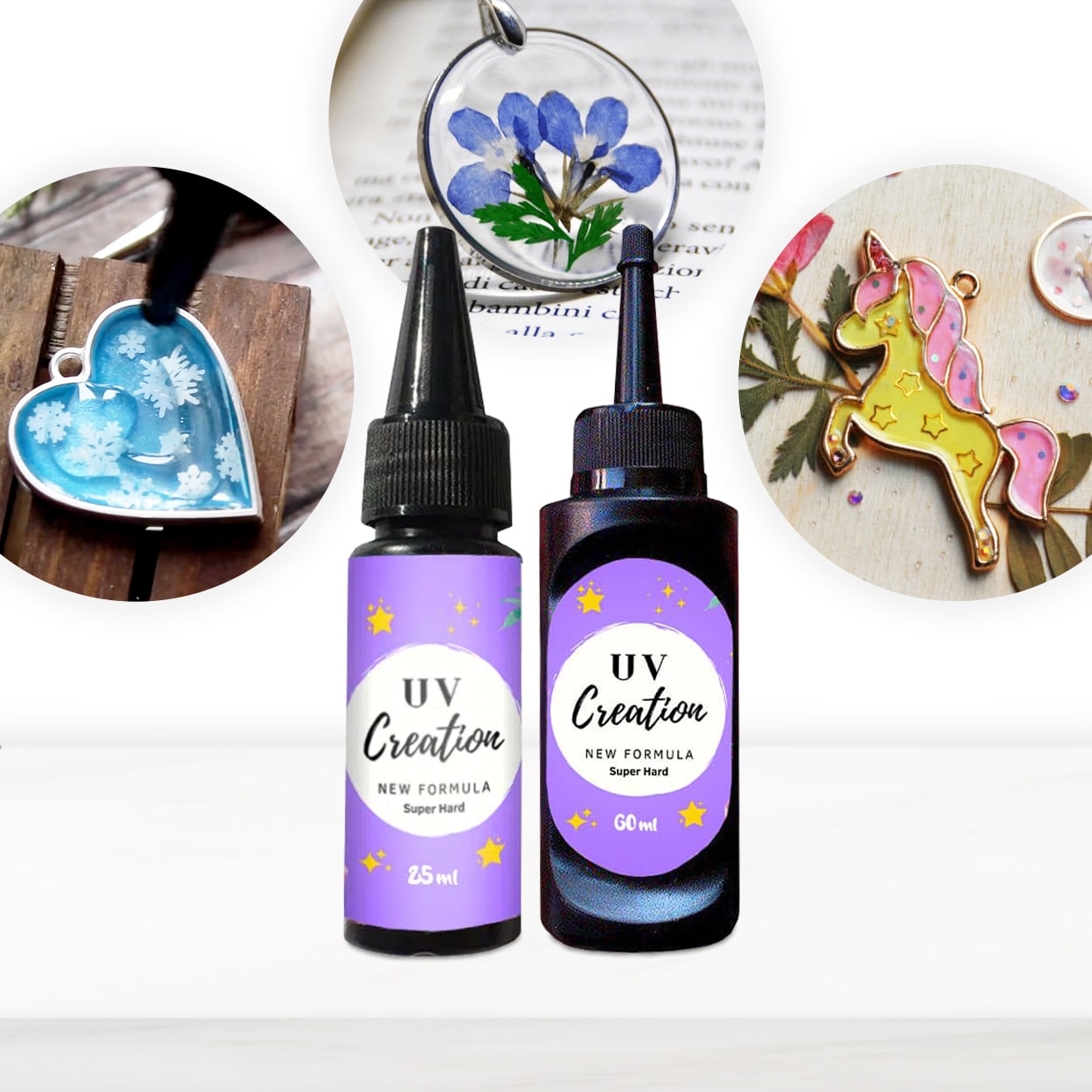
“UV–Creation” – Fast Acrylic Resin, 3 Minute UV Cure is formulated to cure instantly under UV light. This makes it highly reliable for jewellery and small craft projects where quick handling is essential. Unlike traditional epoxies, UV resin will only harden in areas where the UV light can reach, so transparency or thin layers (up to 3mm per pour) are vital. If left in shadow or used too thickly, it may remain soft. UV–Creation’s one-component, non-toxic formula and glossy finish make it ideal for fast projects, but always ensure adequate light exposure for complete curing.
“ICreation” – Fast Epoxy Resin, 6h Demoulding, Transparent Gloss Finish
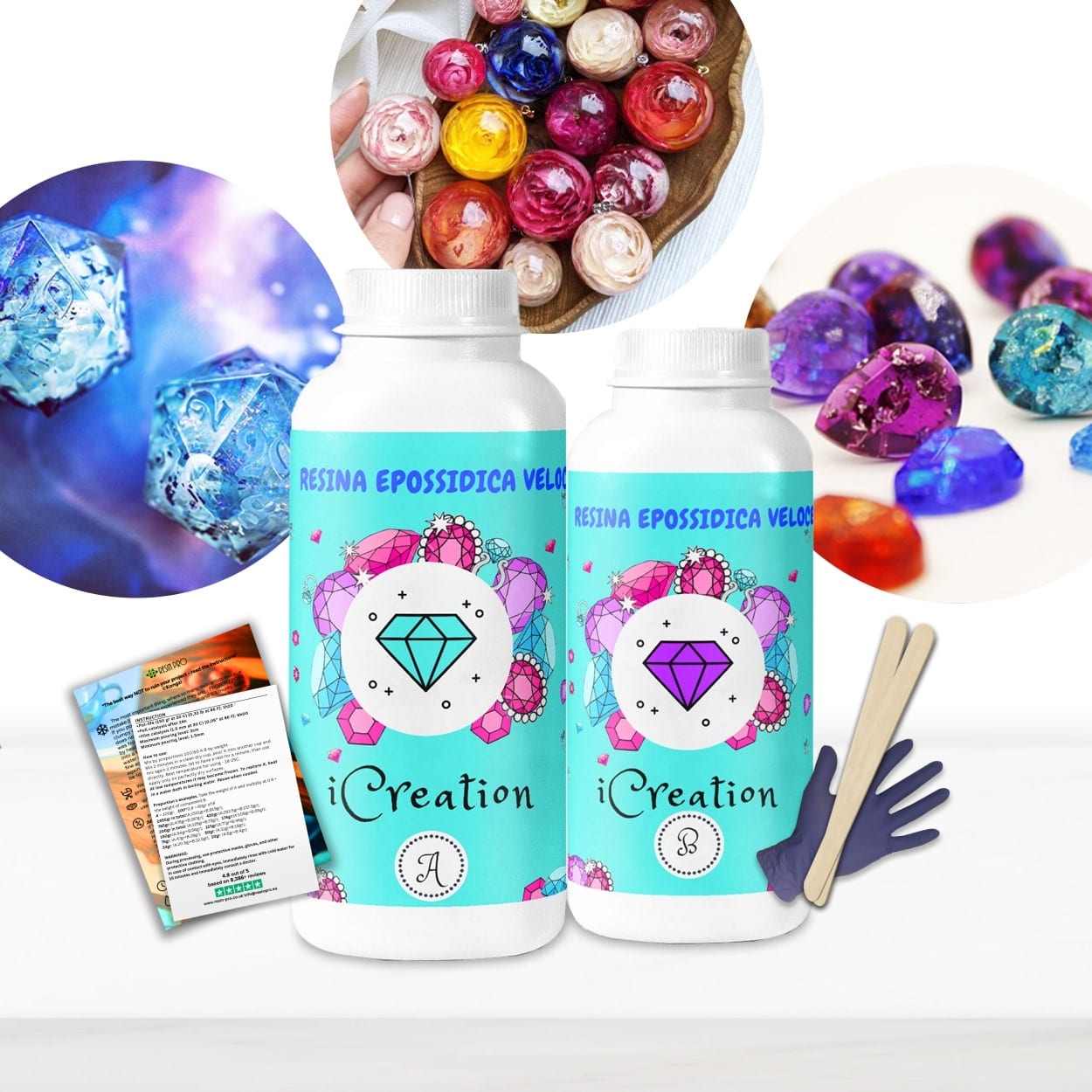
For those needing a rapid cure without UV lamps, “ICreation” – Fast Epoxy Resin, 6h Demoulding, Transparent Gloss Finish offers super-fast catalysis and a forgiving 2:1 mixing ratio. This two-part epoxy reduces the typical waiting time, allowing demoulding in only 6 hours and full cure in 12. Failures to harden are most commonly caused by incorrect ratio or poor mixing—accurate weighing and thorough stirring are key. Its built-in UV filter and glossy surface ensure attractive, durable results for craft and jewellery applications.
“One-2-One” – Epoxy Resin for Handcraft, 1:1 Mixing Ratio
“One-2-One” – Epoxy Resin for Handcraft, 1:1 Mixing Ratio is designed for ease of use, especially for those starting out or anyone looking to eliminate mixing errors. With an equal-parts 1:1 ratio by volume, it’s harder to get wrong—ideal for cabochons, coatings, and decorative crafts. Still, care must be taken to measure by volume (not weight), and to mix thoroughly. Issues with hardening often arise if these steps are overlooked or if the resin is used in an environment that is too cold. This product’s non-toxic composition and UV filter (with a 10-year warranty) also provide peace of mind and long-lasting clarity.
“Art Pro Deluxe” – Ultra-High Viscosity Epoxy Resin for Artists
For artists and crafters seeking maximum control and vibrant colours, “Art Pro Deluxe” – Ultra-High Viscosity Epoxy Resin for Artists is the go-to option. Its ultra-high viscosity helps prevent colour bleeding and is perfect for coaster or geode art, but it does require careful technique—especially avoiding water-based dyes or excess moisture, which can impede curing. Mixing mistakes, improper environmental conditions, or deviating from recommended layer thickness are usual culprits when resin does not harden as expected.
Tips for Ensuring Resin Hardens Properly
Whichever resin you choose, always read the product instructions and follow the exact recommended mixing ratio—by weight or by volume, according to the resin type. Use clean, dry moulds, work at recommended temperatures (usually 20–25°C), and avoid adding water-based additives unless specifically supported. For UV resins, position the UV lamp to cover all parts evenly; for epoxies, mix parts slowly and scrape the container sides. Testing a small batch first can help spot issues early. These simple practices make all the difference in avoiding soft or sticky results.
How to Troubleshoot Uncured Resin
If your resin has not hardened, check the mixing ratio and environmental conditions first. Gently warming an under-cured piece or exposing to UV (for UV resins) can sometimes help—never add more hardener or try to mix in extra resin over the soft layer. If in doubt, remove affected areas and start with fresh, well-mixed resin, following the correct procedures throughout.

- "UV–Creation" – Fast Acrylic Resin, 3 Minute UV CurePrice range: £8.45 through £62.95UV–Creation fast acrylic resin cures quickly under UV light, suitable for jewellery making and crafting with a clear, glossy finish.
- "ICreation" – Fast Epoxy Resin, 6h Demoulding, Transparent Gloss FinishPrice range: £15.95 through £55.95ICreation fast epoxy resin provides a transparent, glossy finish with a 6-hour demoulding time, suitable for jewellery and decorative crafts.
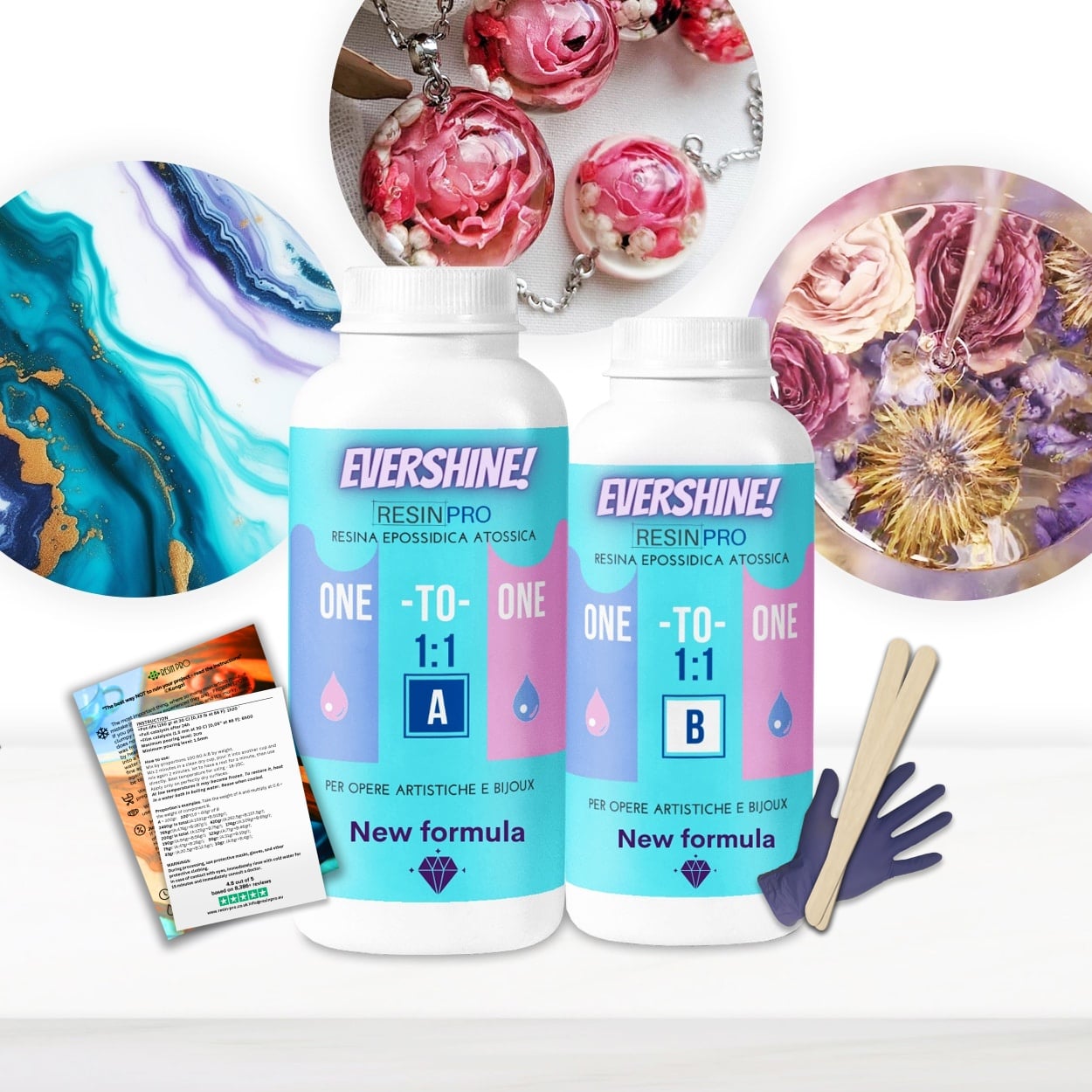 "One-2-One" – Epoxy Resin for Handcraft, 1:1 Mixing RatioPrice range: £15.95 through £59.95A medium viscosity epoxy resin mixed 1:1 by volume, designed for jewellery and decorative handcraft projects with a clear, glossy finish.
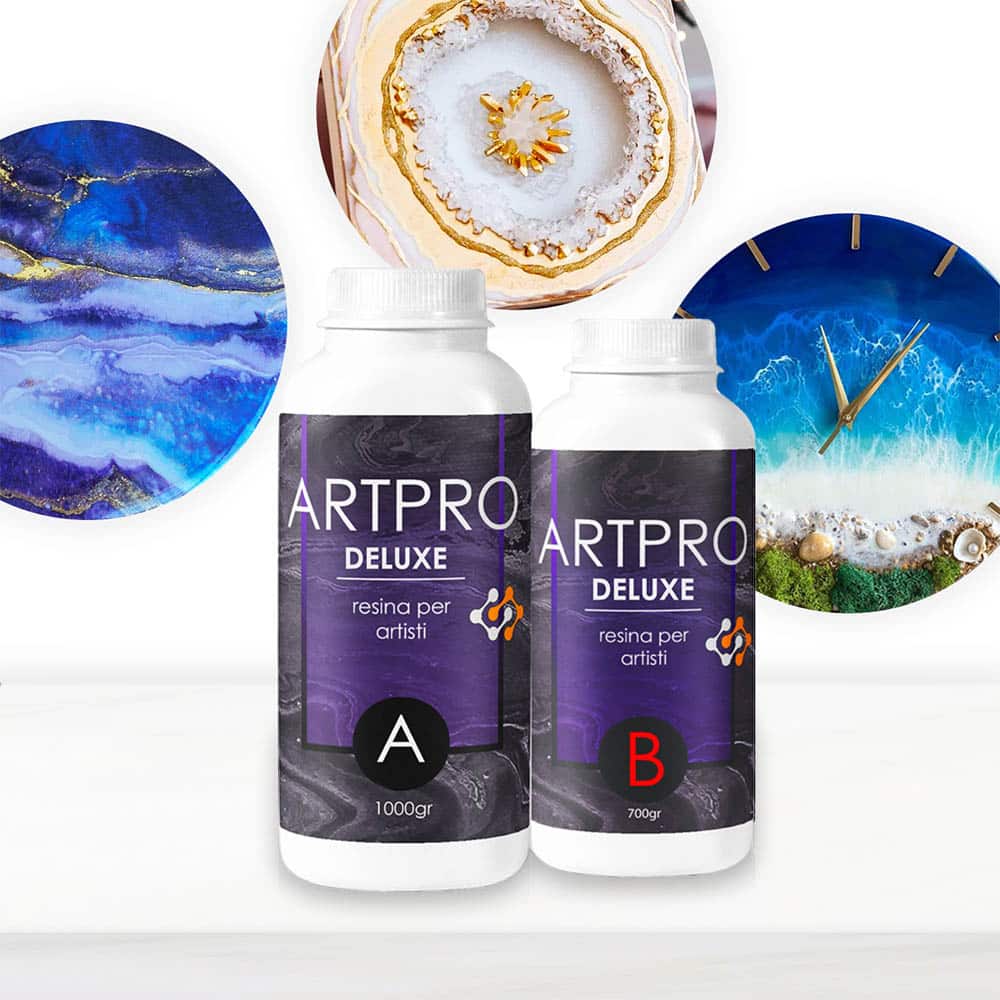 "Art Pro Deluxe" – Ultra-High Viscosity Epoxy Resin for ArtistsPrice range: £35.95 through £302.45"Art Pro Deluxe" ultra-high viscosity epoxy resin is suitable for artists requiring precise control and a glossy, clear finish.
Frequently Asked Questions
Why does my resin remain soft or sticky after curing?
Common causes are inaccurate mixing ratios, insufficient mixing, low temperatures, or lack of proper UV exposure for UV resins.
How can I fix resin that will not harden?
Try warming the piece gently or, for UV resin, give more UV exposure. If it stays soft, remove it and re-pour with properly mixed resin.
Does environmental temperature affect resin curing?
Yes, low temperatures slow the curing process or can prevent hardening altogether. Work at 20–25°C for best results.
Can I use water-based dyes in epoxy resins?
No, water-based dyes can interfere with curing and prevent proper hardening, especially with high viscosity epoxy resins.
Should I measure resin by weight or by volume?
It depends on the product. For example, One-2-One uses a 1:1 ratio by volume. Always check your resin’s instructions.
Are some resins better suited for beginners?
Yes, resins with a simple 1:1 mixing ratio by volume are easier to use and reduce errors for those new to crafting with resin.
Can I pour thick layers with UV resin?
No, UV resin should be used in thin layers (up to 3 mm) to ensure the UV light reaches all areas for complete curing.