 Free shipping on orders over £29,85
  Shipping Tracking!


 Google
 Facebook
How long does resin without catalyst take to dry?
Understand resin curing, catalyst impact, and select the right products
If you are involved in crafts, jewellery making, or larger resin projects, understanding how resin cures—and specifically what happens without a catalyst—can help you achieve consistent results. This page is for anyone wondering about resin drying times when the catalyst is omitted, the importance of correct mixing, and how to choose the right resin product to fit your creative needs.
Understanding Resin Drying Times and the Role of Catalyst
In two-part resins, the catalyst (also known as hardener) initiates a chemical reaction essential for curing. Without it, epoxy resins simply do not set properly, remaining sticky or liquid for days—or indefinitely. UV-curable resins, conversely, begin curing only when exposed to UV light, as these are formulated differently. If you try to let any resin dry without its catalyst or proper activation, it will either never cure or take so long as to render the project unusable. For success, it is crucial to use the correct resin type and curing process according to your project’s requirements.
Comparing Cure Mechanisms: Epoxy vs UV Resin
Epoxy resins need both resin and catalyst combined in the right proportions to start curing; without the catalyst, the mixture will not harden, even after several days. UV resins differ—they consist of one component and require activation by UV light to cure, not a chemical catalyst. Always follow manufacturer instructions for best outcomes.
“ICreation” – Fast Epoxy Resin for Quick Projects
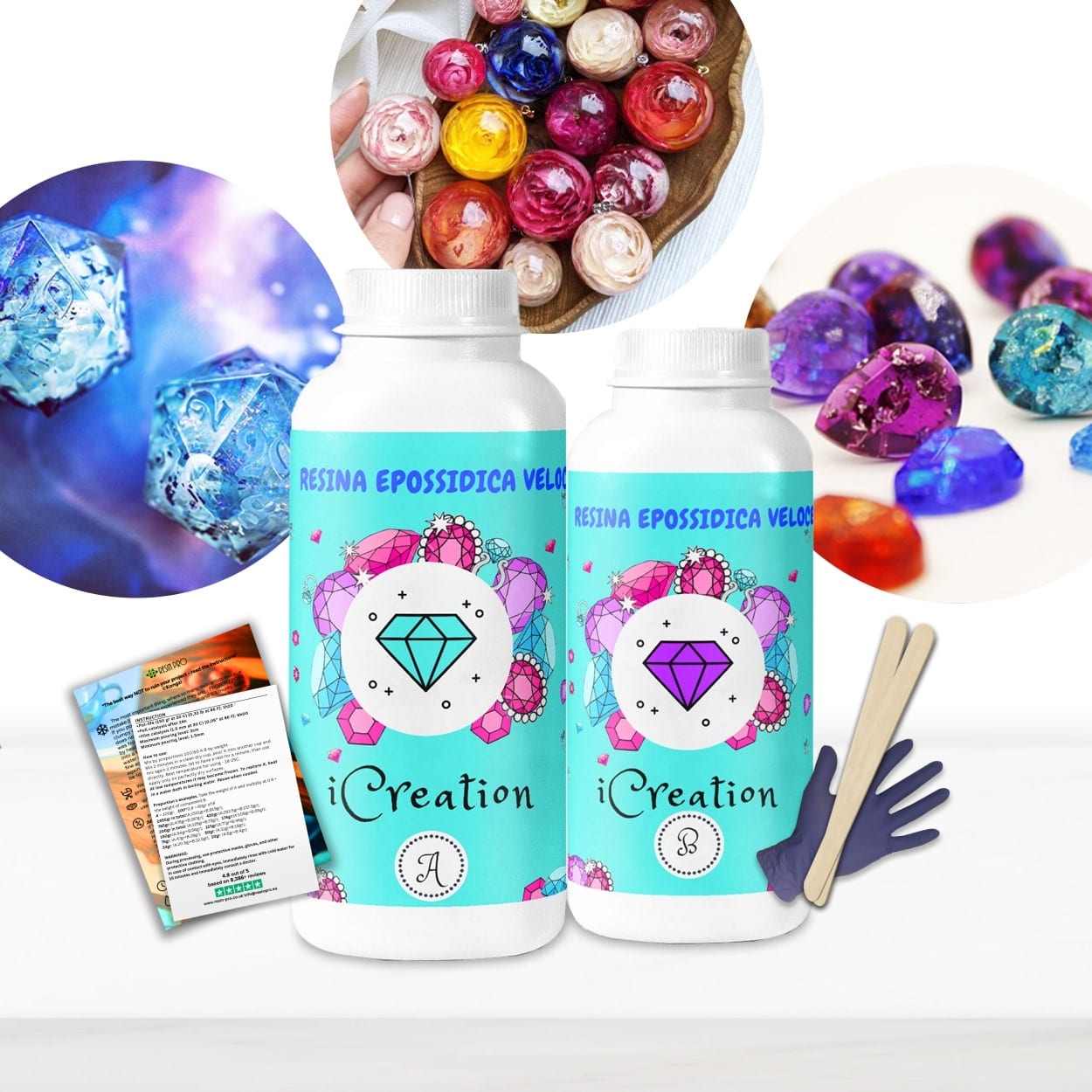
ICreation – Fast Epoxy Resin, 6h Demoulding, Transparent Gloss Finish is designed for rapid results thanks to its 6-hour demoulding time. This two-part resin requires proper mixing of resin and catalyst in a 2:1 ratio; without catalyst, it will not cure. It delivers a crystal-clear, self-levelling finish ideal for art, jewellery, or decorative crafts. UV filter protection prevents yellowing, making it well-suited for time-sensitive or professional applications.
“UV–Creation” – Fast Acrylic Resin for Ultra-Quick Curing
The UV–Creation – Fast Acrylic Resin, 3 Minute UV Cure is a single-component resin that cures under UV light in just 2–3 minutes. No catalyst mixing is required, but without adequate UV exposure, this resin will remain liquid and unusable. UV–Creation is perfect for jewellery artists and crafters who need fast, glossy, and transparent finishes with minimal wait time. It also offers a safe & vegan-friendly formulation.
“Liquidissima” – Epoxy Resin for Intricate Creations
For more complex pieces, Liquidissima – Epoxy Resin For Creations & Jewellery offers high transparency and a long working time, which is ideal for detailed work. Like all two-component epoxies, the absence of catalyst means the resin will not cure. Its low viscosity allows for excellent flow into complex moulds and minimises bubbles.
“Epoxytable 10-Ten” – Deep Pour Epoxy for Large Projects
“Epoxytable 10-Ten” – Deep Pour Epoxy Resin for Tables, Up to 10cm Casting is suited for substantial applications like river tables and artistic castings. Formulated to be poured up to 10cm thick, it offers low exothermic reactions for large projects and robust UV protection. However, the two-component technology again means it cannot dry or cure without the catalyst. Its slower setting time makes it workable for longer periods, while guaranteeing professional results when used as directed.
Tips for Successful Resin Projects: Why Catalyst Matters
To avoid sticky, soft, or uncured resin, always follow the product’s instructions and measure accurately. The catalyst is indispensable for achieving a durable, fully-cured finish—it cannot be skipped or replaced. Some resins, such as UV–Creation, require UV light instead. Incorrect ratios or missing catalyst leads to incomplete reactions and failed projects. Ensure the correct curing environment—temperature, mixing, and method—for your chosen resin type.
Avoiding Common Mistakes with Resin Curing
Always mix resin and catalyst thoroughly for two-part systems—insufficient mixing or missing catalyst leads to incomplete curing. For UV resin, ensure every area is adequately exposed to UV light. Poor environmental conditions or incorrect ratios are frequent causes of sticky, failed results.
- "ICreation" – Fast Epoxy Resin, 6h Demoulding, Transparent Gloss FinishPrice range: £15.95 through £55.95ICREATION fast epoxy resin offers rapid curing with a 6-hour demoulding time and clear glossy finish suitable for creative projects.
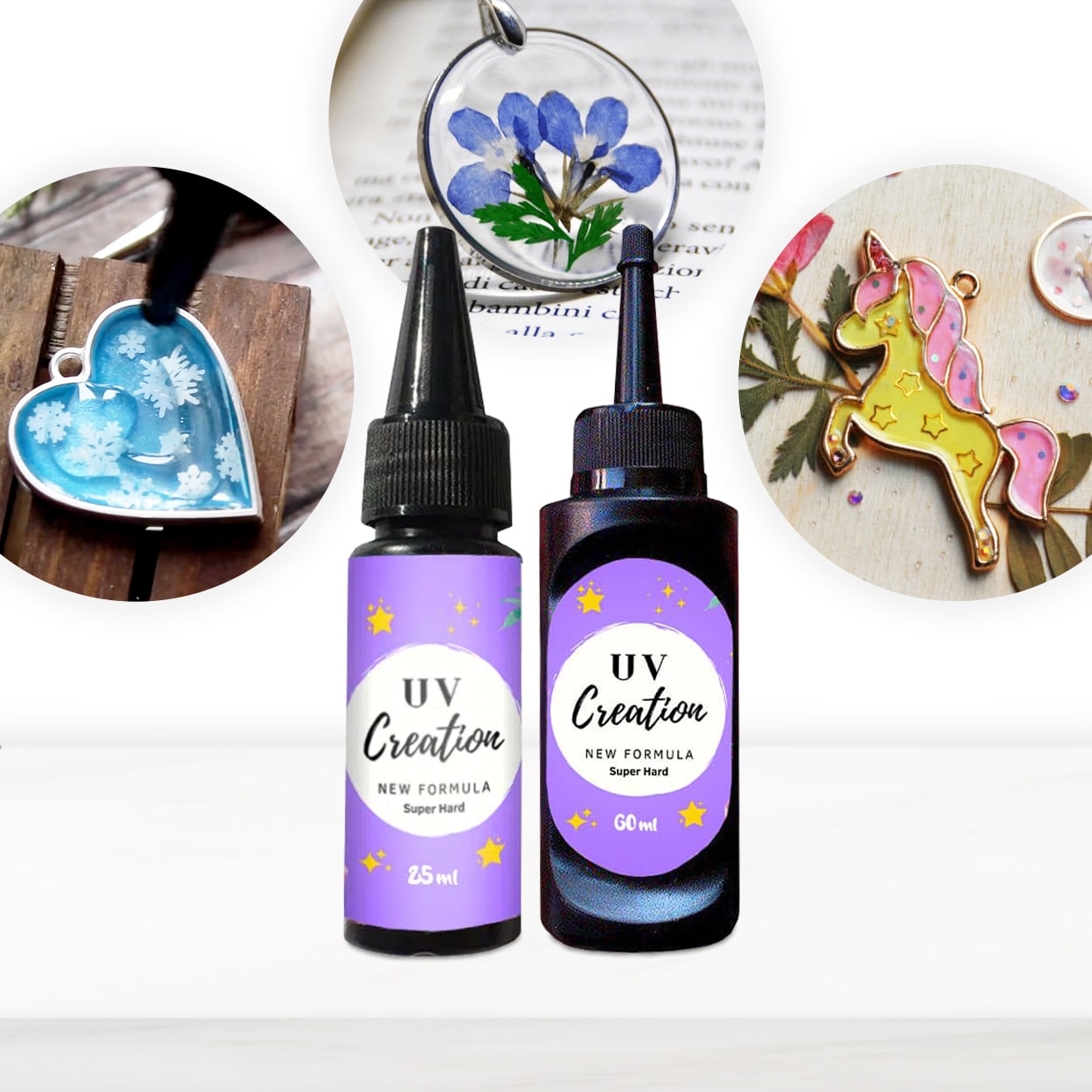 "UV–Creation" – Fast Acrylic Resin, 3 Minute UV CurePrice range: £8.45 through £62.95UV–Creation resin cures quickly under UV light and is designed for jewellery makers and crafters seeking fast, clear finishes.
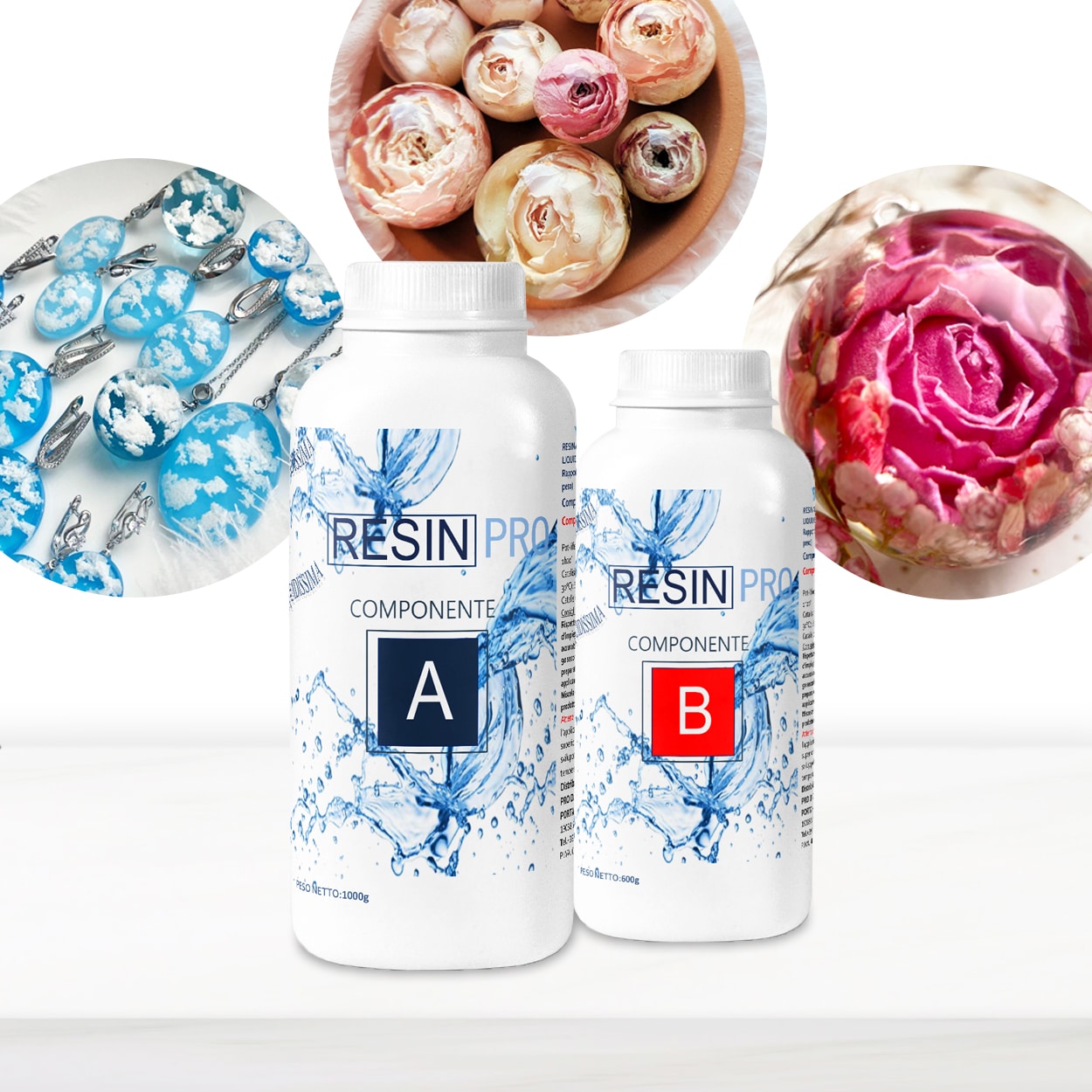 "Liquidissima" – Epoxy Resin For Creations & JewelleryPrice range: £12.85 through £31.85A transparent epoxy resin designed for jewellery and creations, offering longer working time and a self-levelling finish.
 “Epoxytable 10-Ten” – Deep Pour Epoxy Resin for Tables, Up to 10cm CastingPrice range: £35.95 through £351.95“Epoxytable 10-Ten” is designed for creating deep pour tables with casting thicknesses up to 10cm, suitable for detailed artistic projects.
Frequently Asked Questions
Will resin cure at all if I forget to use catalyst?
No, epoxy resin will not cure or harden without the catalyst; it will remain sticky or liquid indefinitely.
What if I leave UV resin in the dark to dry?
UV resin will stay liquid unless it is exposed to UV light; darkness prevents it from curing entirely.
Can I speed up epoxy resin drying by adding heat if no catalyst?
No, heat alone cannot cure epoxy resin without catalyst. The correct hardener is essential.
What happens if I use the wrong ratio of resin to catalyst?
Incorrect ratios often result in tacky, soft, or partially cured resin. Accurate measuring is crucial.
How is UV resin different from two-part epoxy when it comes to curing?
UV resin cures with UV light and needs no catalyst, while two-part epoxy requires a resin plus hardener mix.
Can a sticky resin piece be saved if I forgot catalyst?
Unfortunately, it can't be properly fixed. It's best to start over with fresh, correctly mixed resin.
How long does epoxy resin take to dry without catalyst?
Epoxy resin will not dry or cure without its hardener. Air exposure does not set off the curing process.
Which resin type should I use if I want fast cure?
Choose fast-curing two-part resins or UV-curable acrylic resins for quick, reliable setting.