 Free shipping on orders over £29,85
  Shipping Tracking!


 Google
 Facebook
How much resin per square metre for floors?
Find the ideal resin quantity for every floor type and finish
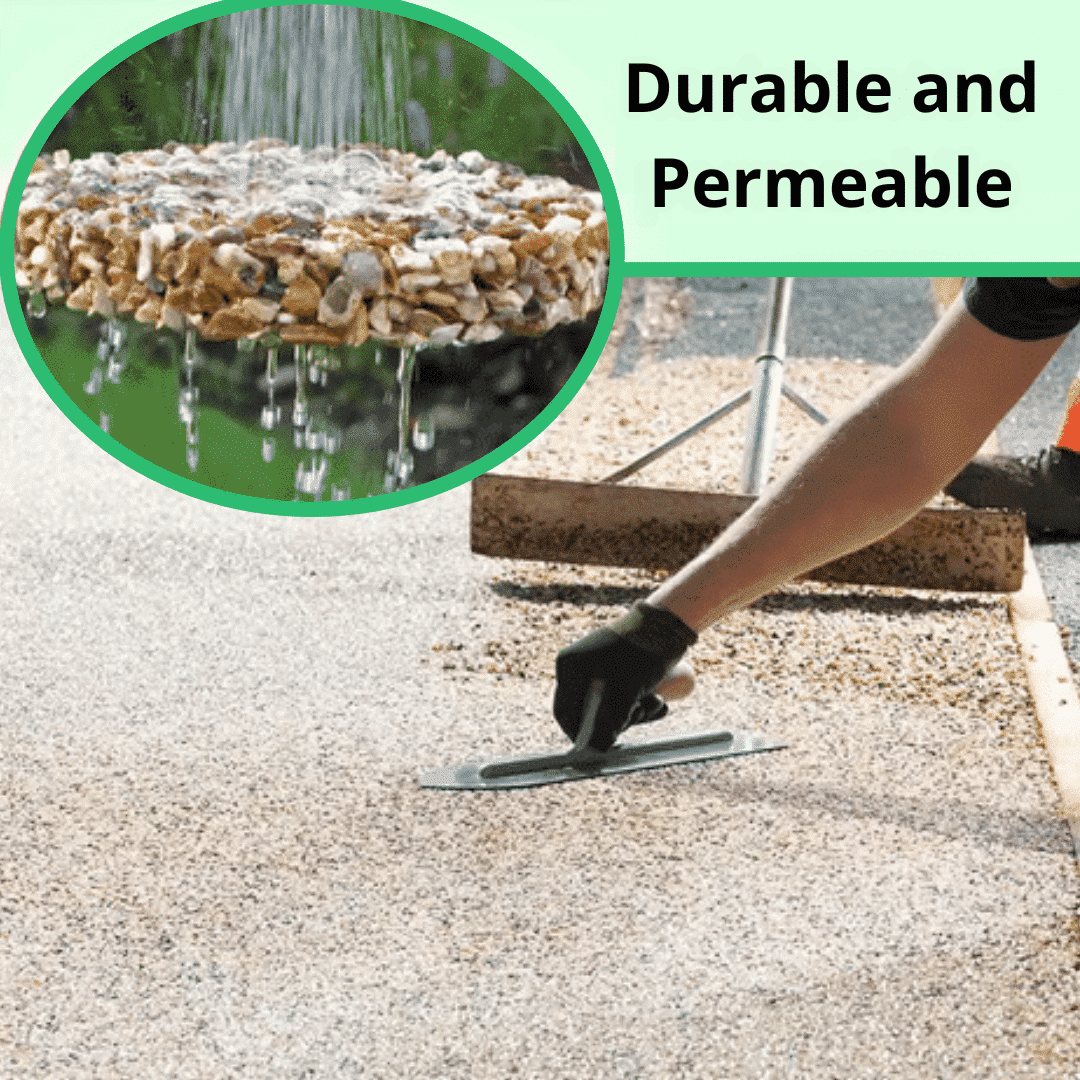
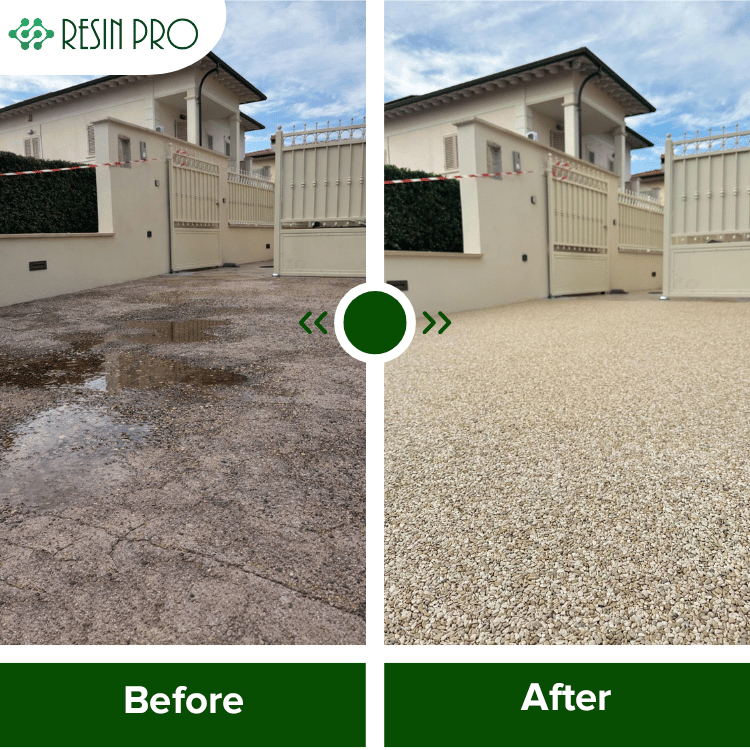
Knowing exactly how much resin you need per square metre is essential for creating durable, long-lasting resin floors—whether for driveways, patios, or decorative indoor spaces. This guide compares the most suitable floor resins for different substrates and explains the key differences between resin types, helping homeowners, installers, and project managers order the right amount for effective coverage and outstanding results.
Calculating Resin Quantities Per Square Metre: An Overview
The quantity of resin required per square metre of flooring hinges on several factors: surface type (concrete, pebble, or aggregate), targeted thickness, and whether you are installing a new permeable layer or sealing an existing one. Epoxy, polyurethane, and methacrylic resins all have specific consumption rates designed for their respective use cases. For pebble floors, the blend ratio of resin to aggregate is crucial, while for coatings or sealers, light application is often sufficient. Below, you’ll find a summary of what to expect for common flooring projects, including the exact products designed for each scenario.
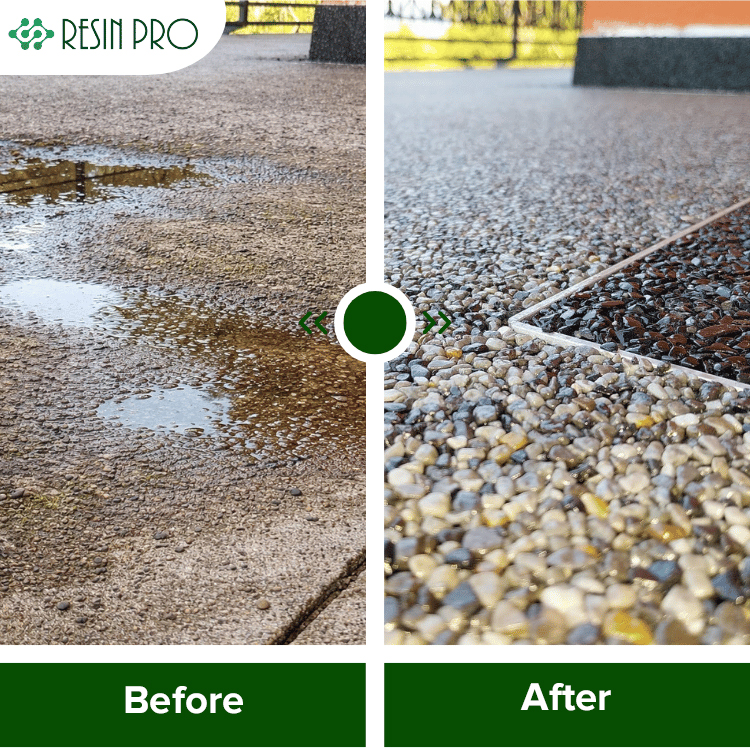
Visualising Coverage: How Much Resin and Pebble Per m²
To achieve an even, robust floor, consider both the amount of resin and the type of aggregate. For pebble or grit surfaces, a typical ratio is around 10 kg of aggregate to every 1 kg of resin per square metre at 20 mm thickness. For concrete sealers or primers, usage is often far lower—between 40–300 grams per m², depending on absorption and layering. Always refer to individual product guidance to avoid over- or under-ordering and to ensure durable results.
“Flowstone” – Complete Permeable Floor Kit with Pebbles and Resin
If you are planning an outdoor permeable surface, the “Flowstone” – Complete Permeable Floor Kit with Pebbles and Resin combines the right quantities of washed, dried pebbles and resin for each square metre. The kit is supplied with full instructions and clear guidance on which binder to use:
- Non-yellowing polyurethane is recommended for white pebbles to preserve their bright appearance.
- Low-yellowing epoxy, like the “Trasparente” binder below, works with coloured aggregates for stability and lasting results.
As a practical example, for a typical installation at 20 mm thickness, you will need around 9–10 kg of dry aggregate plus approximately 1 kg of binder resin per square metre. The kit takes the guesswork out of ordering and is designed for driveways, footpaths, patios, and similar British climate settings. Find details in our Pebble Floors category.
“Trasparente” – Epoxy Binder for Coloured Pebbles and Grits
For vibrant, coloured, or dark aggregates in decorative flooring, the “Trasparente” – Epoxy Binder for Coloured Pebbles and Grits is tailored to provide maximum clarity and UV resistance. It is especially suited for custom blends where clarity and colour stability are priorities. For a standard 1.44 m² area at 20 mm thickness, you typically require about 432 kg aggregate plus 13 kg of binder—this equates to nearly 9 kg aggregate and 0.9 kg resin per square metre. The binder’s low viscosity ensures even coverage and structural strength throughout the floor.
“Resinstone” – One-Component Methacrylic Resin for Concrete Floors and Driveways
If your project involves sealing and protecting concrete, the “Resinstone” – One-Component Methacrylic Resin for Concrete Floors and Driveways delivers deep penetration and superior waterproofing. The theoretical resin consumption ranges from 40–60 grams per square metre, depending on how porous the surface is. One can easily cover large garage, yard, or outdoor areas with minimal material wastage. This resin is designed to protect against moisture, de-icing salts, and chemicals—making it ideal for high-traffic residential and commercial floors.
“Epoxyprimer” – Universal Water-Based Two-Component Epoxy Floor Primer
No matter which resin finish you choose, proper priming is key for adhesion and durability. The “Epoxyprimer” – Universal Water-Based Two-Component Epoxy Floor Primer is suitable for concrete, timber, tiles, and screed. Its coverage ranges from 100–300 g per square metre, based on the absorbency and texture of the substrate. Consistent substrate preparation helps avoid uneven coating and ensures a professional, long-lasting outcome.
Application Tips and Surface Considerations
The best resin system and precise material quantities depend on your intended finish, the base surface, and whether water drainage or colour stability is necessary. Always check the recommended consumption for both the resin and the aggregate or substrate. Surface porosity and temperature can affect coverage and resin flow. For pebble floors, using a cement mixer on large projects saves time and ensures uniform mixing; on smaller jobs, thorough hand-mixing works well. Always follow instructions supplied with each product for curing times, weather suitability (generally 10–40°C), and safety precautions.
Pro Tips for Estimating and Applying Resin
Measure your floor accurately, factor in surface texture, and mix thoroughly for a consistent finish. For best coverage and performance, prepare your floor carefully before resin application, and use the recommended mixing ratio for resin and aggregate. Ambient temperature and humidity can also influence curing and finish quality, so plan your installation for mild, dry conditions when possible.
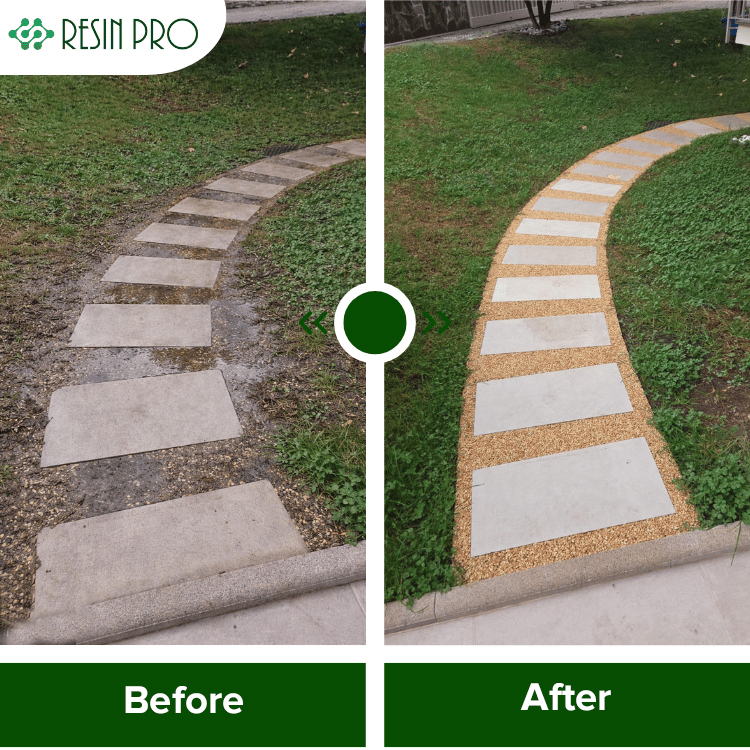
- "Flowstone" – Complete Permeable Floor Kit with Pebbles and ResinPrice range: £49.95 through £3,915.45The Flowstone kit offers a permeable, durable pebble and resin system for driveways, footpaths and patios with detailed guidance for application.
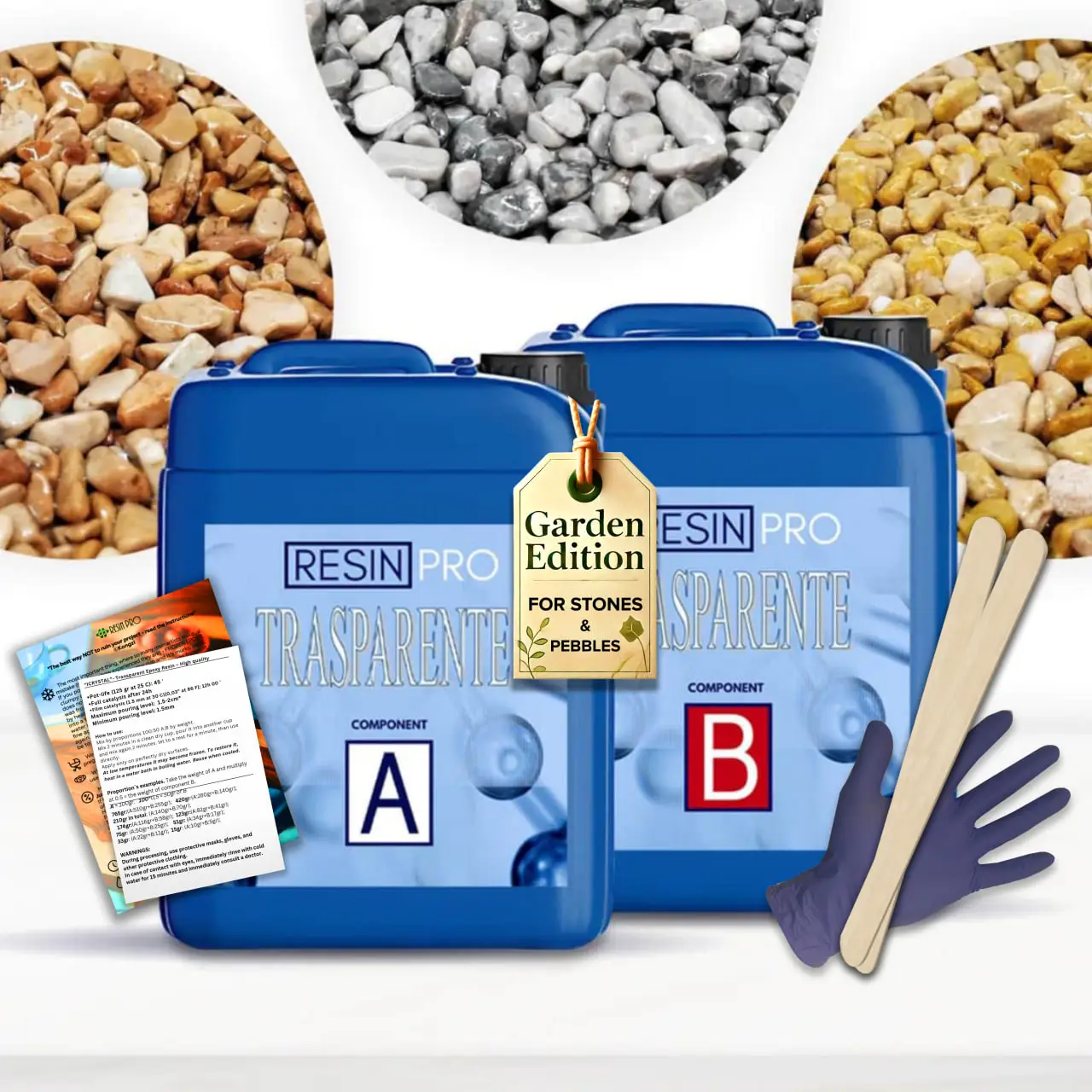 "Trasparente" – Epoxy Binder for Coloured Pebbles and GritsPrice range: £33.45 through £397.95Suitable transparent epoxy binder for coloured pebbles and grits, offering UV resistance and a clear finish for flooring projects.
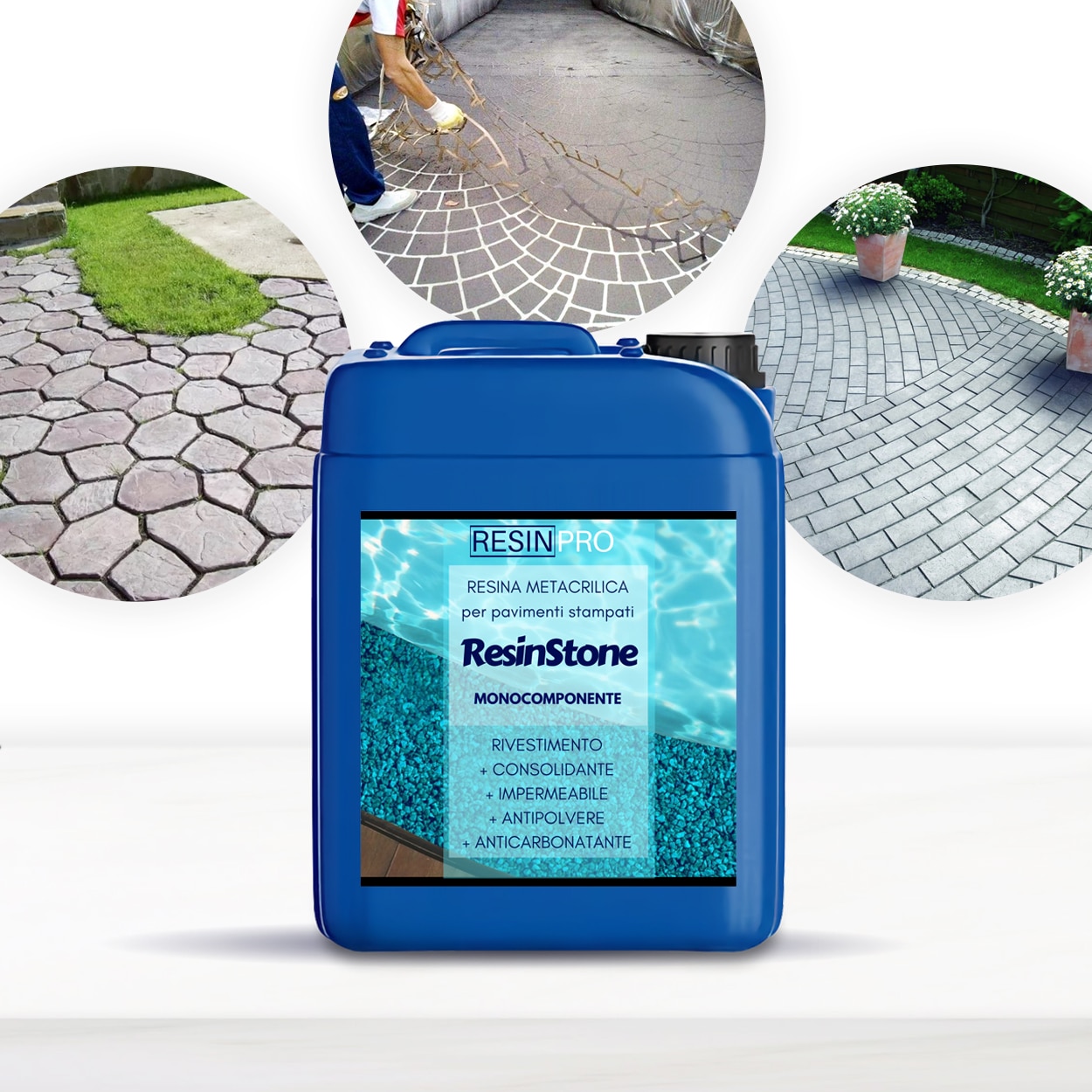 "Resinstone" – One-Component Methacrylic Resin for Concrete Floors and DrivewaysPrice range: £36.71 through £336.48Resinstone is a one-component methacrylic resin designed for protecting concrete floors and driveways with durable, breathable sealing.
 "Epoxyprimer" – Universal Water-Based Two-Component Epoxy Floor PrimerPrice range: £156.45 through £286.45Epoxyprimer is a universal water-based floor primer designed for reliable adhesion and durability in epoxy flooring applications.
Frequently Asked Questions
Which resin should I use for pebble floors?
Use a dedicated kit like "Flowstone" for permeable, outdoor applications or "Trasparente" for coloured aggregate floors. Choose polyurethane resin for light stones to prevent yellowing.
How much epoxy binder do I need per m²?
For pebble floors at 20 mm thickness, plan on using about 9–10 kg aggregate and roughly 1 kg binder per square metre for robust, fully bonded surfaces.
What is the best primer for epoxy resin floors?
"Epoxyprimer" is ideal for maximising adhesion on concrete, wood, or tiled floors before applying resin coatings.
How much methacrylic resin do I need for concrete?
Estimate 40–60 grams of "Resinstone" per square metre, adjusted for porosity. One 5 kg container covers up to 125 m².
Are resin floor systems suitable for DIY?
Most systems offer simple application steps and full instructions, making them suitable for both DIYers and professionals.
What weather conditions are best for applying resin?
Apply resin between 10°C and 40°C. Avoid high humidity, rain, or extreme conditions for reliable curing and adhesion.
Which surfaces are not suitable for these resins?
Loose, unbound gravel and non-absorbent or poorly prepared surfaces should not be treated with these resins for best results.