 Free shipping on orders over £29,85
  Shipping Tracking!


 Google
 Facebook
How many times can thermosetting resins be moulded?
Understand resin reusability and choose the right moulding products.

Understanding how often thermosetting resins can be moulded is crucial for artists, craftspeople, and small manufacturers aiming for efficient, high-quality production. This guide explores the nature of thermosetting resins, their typical reuse limits, and helps you select the right moulding products for repeated professional or hobbyist use.
Choosing and Comparing Reusable Moulding Products
Thermosetting resins, such as epoxy and polyurethane, are designed to cure into a solid form that cannot be remoulded once set. The durability of your moulding process relies not on the resin’s reuse, but on the selection of appropriate moulds—namely silicone rubbers—capable of enabling multiple castings. While the resin casting itself is a single-use event, professional-grade silicone rubber moulds allow for several or even many replications, making them invaluable for batch production or elaborately detailed work. Key differences among available products include the number of uses per mould, level of detail captured, resistance to shrinkage, and compatibility with different resin types.
Understanding Thermosetting Resin Moulding
Thermosetting resins undergo a chemical reaction during curing, which makes them set permanently with heat or a catalyst. Once cured, they cannot be remoulded or reshaped. The success of repeated casting depends on the quality and properties of the silicone rubber moulds used, not the resin itself. For multiple castings, choosing a reliable silicone rubber mould is crucial for best results and longevity.
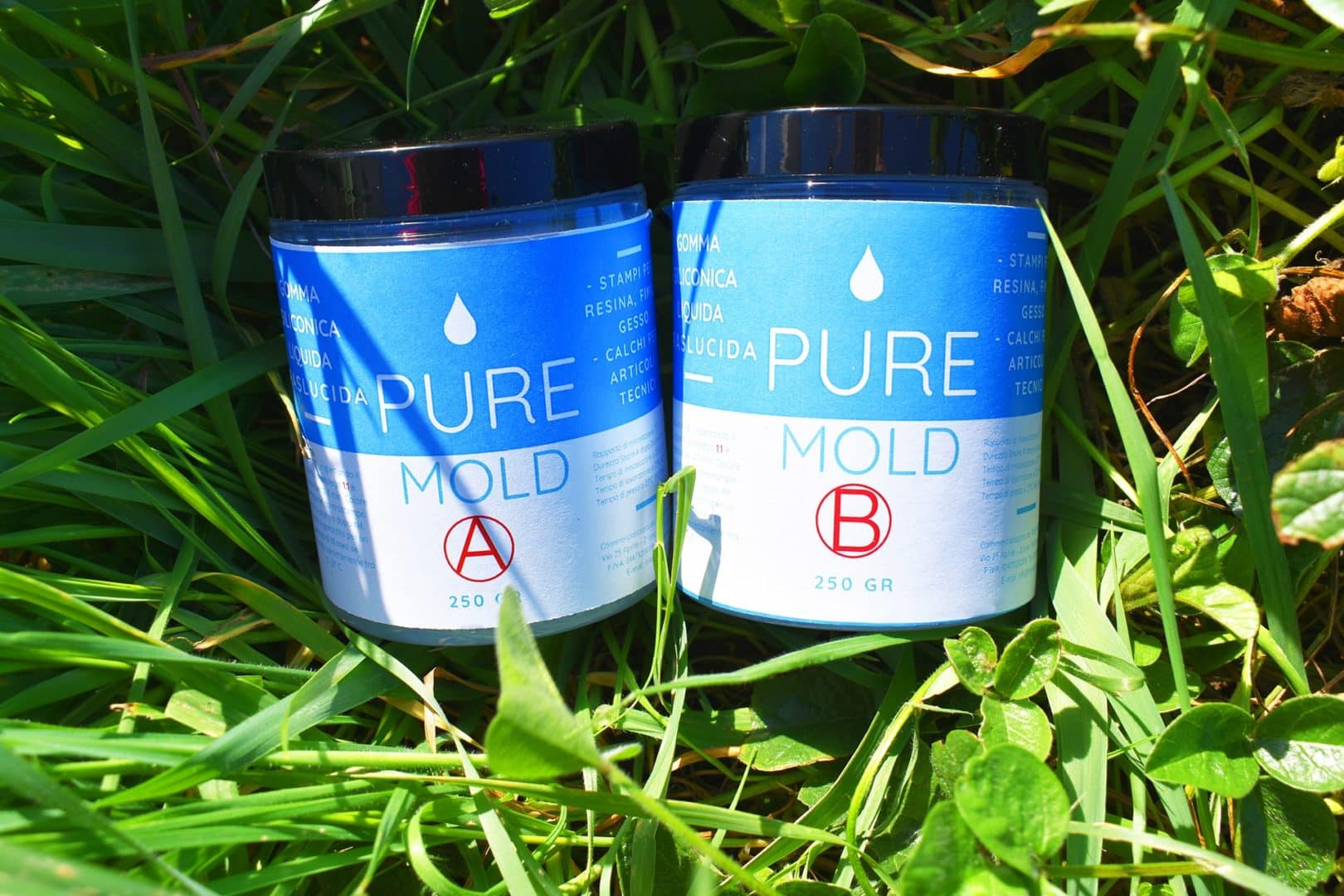
“Pure Mould” – Translucent Liquid Silicone Rubber for Mould Making
The “Pure Mould” – Translucent Liquid Silicone Rubber for Mould Making stands out for its platinum-based, translucent composition, making it excellent for hot wax, resins, plasters, and cements. Its mechanical strength ensures resistant and detailed moulds that can be reused multiple times. The high transparency also helps monitor the casting process, and this product is suitable for both hobby and professional applications. Being vegan-friendly and non-toxic, it offers peace of mind along with easy mixing (1:1 ratio), less shrinkage, and rapid curing within 3–8 hours.
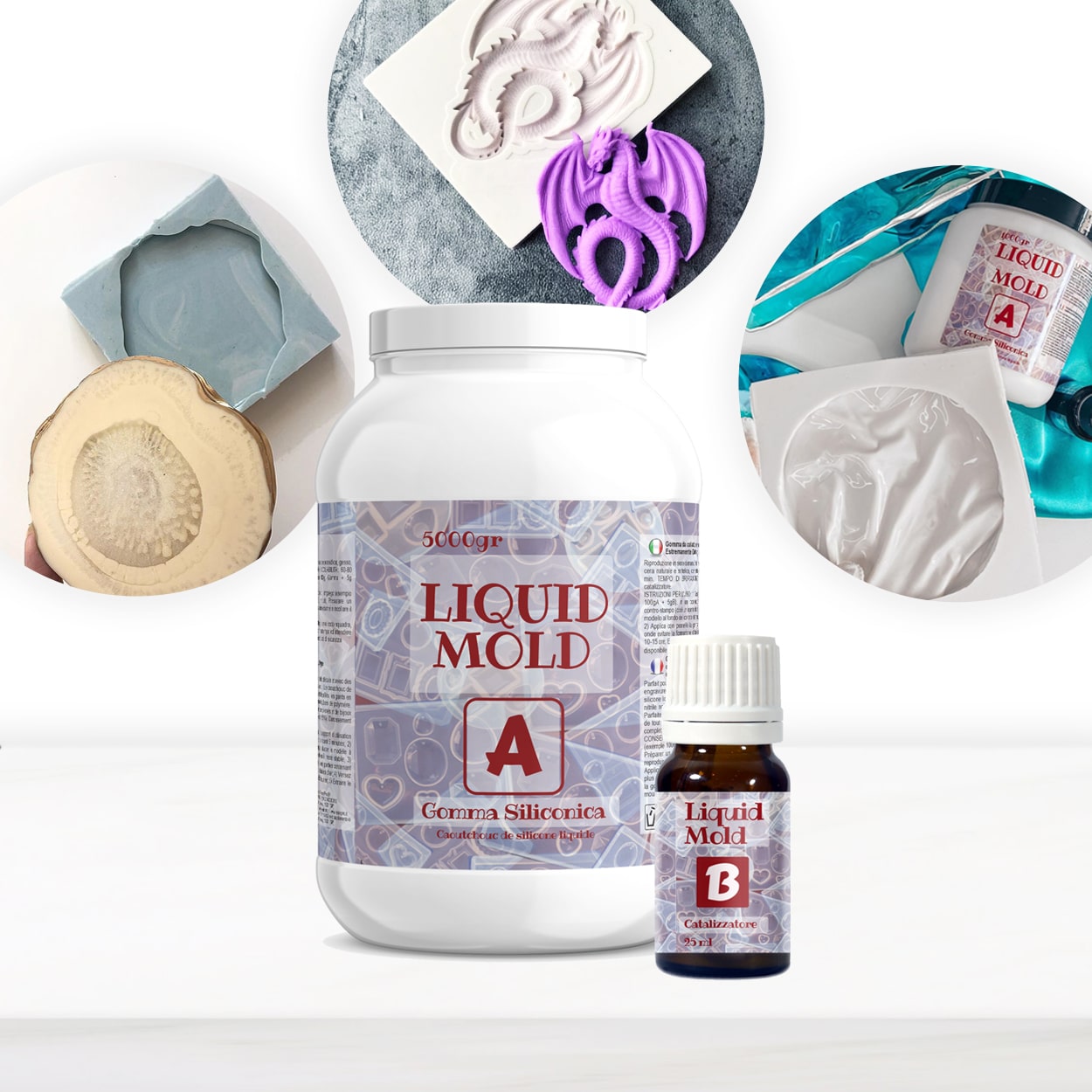
“Liquid Mould” – Casting Liquid Silicone Rubber, 5-40 Shores, Bi-Component A+B
For intricate details or complex undercuts, the “Liquid Mould” – Casting Liquid Silicone Rubber, 5-40 Shores, Bi-Component A+B is a top choice. It has superior penetration abilities, capturing small features in artistic objects, jewellery, and prototypes. With a higher flexibility range, this bi-component silicone enables multiple reproductions of technical or artistic models, especially for serial production in resin, wax, concrete, or soap. The robust mechanical properties of this product make it ideal for repeated casts without loss of detail.
“Polyform” – Polyurethane Casting Resin, Beige, Fast-Setting for Prototyping
If your focus is on rapid prototyping and you require a resin that matches efficiency with durability, “Polyform” – Polyurethane Casting Resin is the answer. Although the thermosetting resin itself can only be cast once per item (it cannot be reheated and reformed after curing), its fast-setting nature makes it perfect for using with reusable silicone moulds. You can cast multiple parts quickly, thanks to a 5-minute set time and ready-to-demould castings in just 30 minutes; ideal when speed and productivity matter for small batches or prototypes.
“Liquidissima” – Epoxy Resin For Creations & Jewellery
For clear, detailed jewellery and artistic work, “Liquidissima” – Epoxy Resin For Creations & Jewellery provides high transparency and low viscosity, ensuring excellent results in fine, elaborate moulds. Like all thermosetting resins, it can only be moulded once per casting. However, it works exceptionally well with premium silicone moulds designed for repeat use, enabling you to reproduce multiple unique items without compromising on clarity or surface finish.
How Many Times Can You Use Silicone Moulds for Thermosetting Resins?
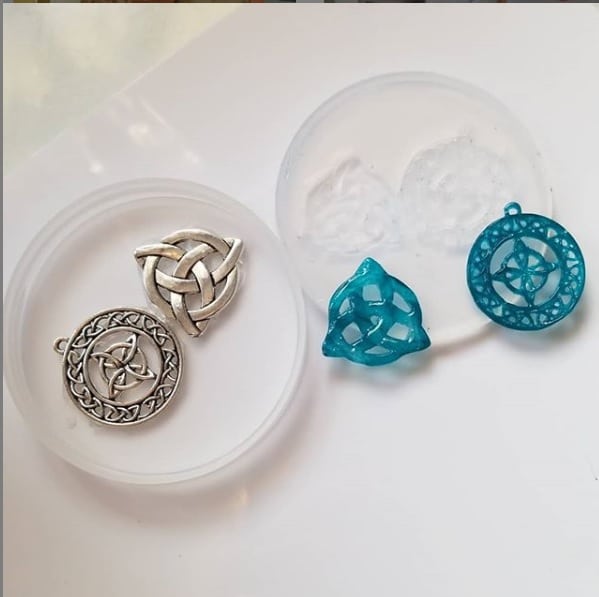
The lifecycle of a mould is central to repeated use. Premium silicone moulds—such as those made using “Pure Mould” or “Liquid Mould”—are engineered to provide numerous replications, sometimes lasting for dozens or even hundreds of cycles, depending on resin type, mould complexity, and handling care. To maximise reuse, always select a silicone designed for your specific application and clean your moulds gently between each casting. For intricate or high-volume projects, investing in a resilient silicone rubber can mean consistent quality outcomes across multiple pours.
Maximising Mould Longevity and Reuse
To extend the lifespan of your silicone moulds, always demould gently and clean promptly after each use. Avoid aggressive tools, ensure the mould is dry before storage, and use a suitable release agent if required. Proper care can enable premium silicone moulds to deliver many successful casting cycles with either polyurethane or epoxy thermosetting resins.
- "Pure Mould" – Translucent Liquid Silicone Rubber for Mould MakingPrice range: £23.95 through £166.95"Pure Mould" is a platinum-based translucent silicone rubber designed for mould making with good mechanical properties and compatibility with various…
- "Liquid Mould" – Casting Liquid Silicone Rubber, 5-40 Shores, Bi-Component A+BPrice range: £14.45 through £387.45"Liquid Mould" is a casting liquid silicone rubber suitable for making highly detailed moulds, supporting fine detail reproduction and multiple…
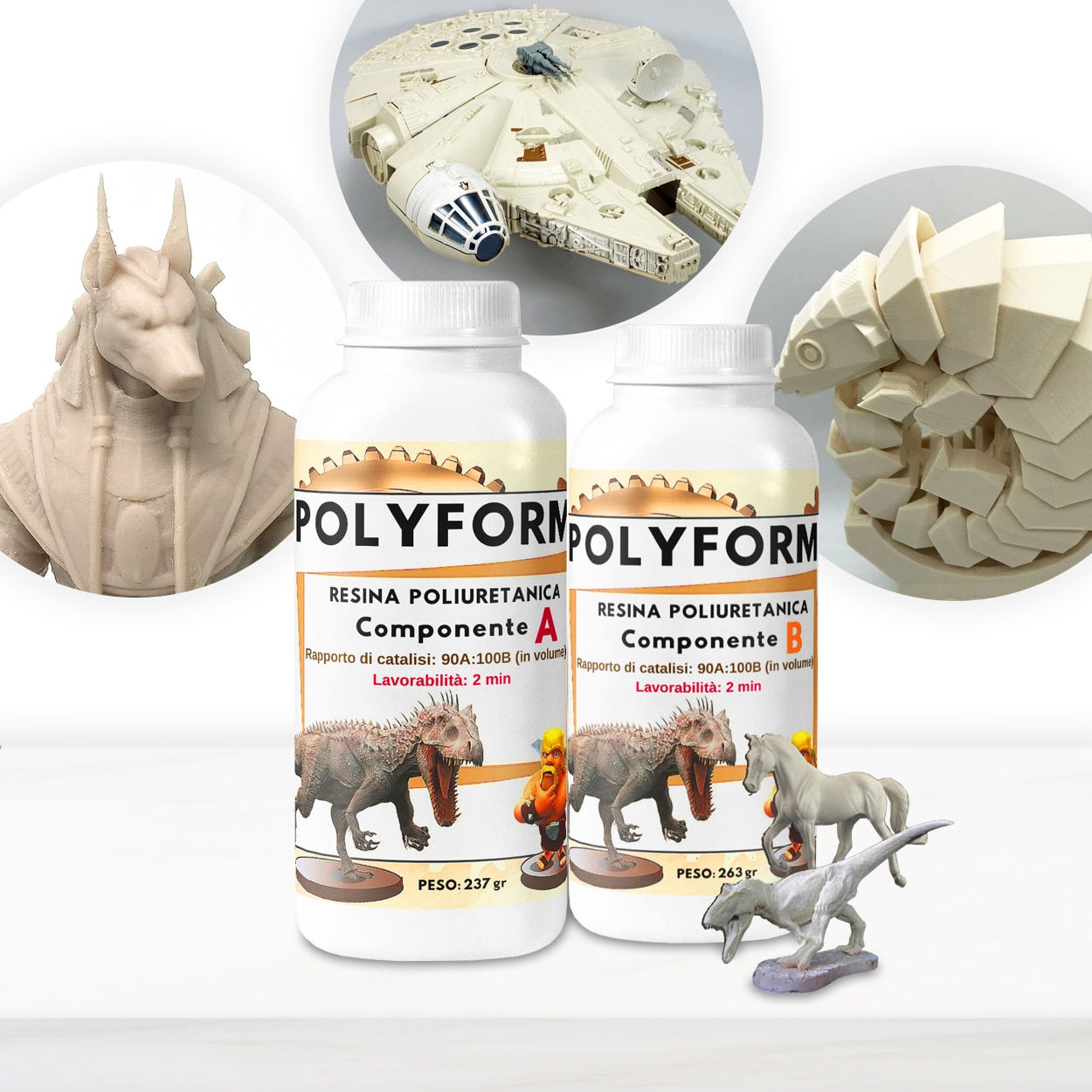 “Polyform” – Polyurethane Casting Resin, Beige, Fast-Setting for PrototypingPrice range: £15.95 through £141.95Polyform polyurethane casting resin is a fast-setting beige material suitable for prototyping and small batch production with good detail and…
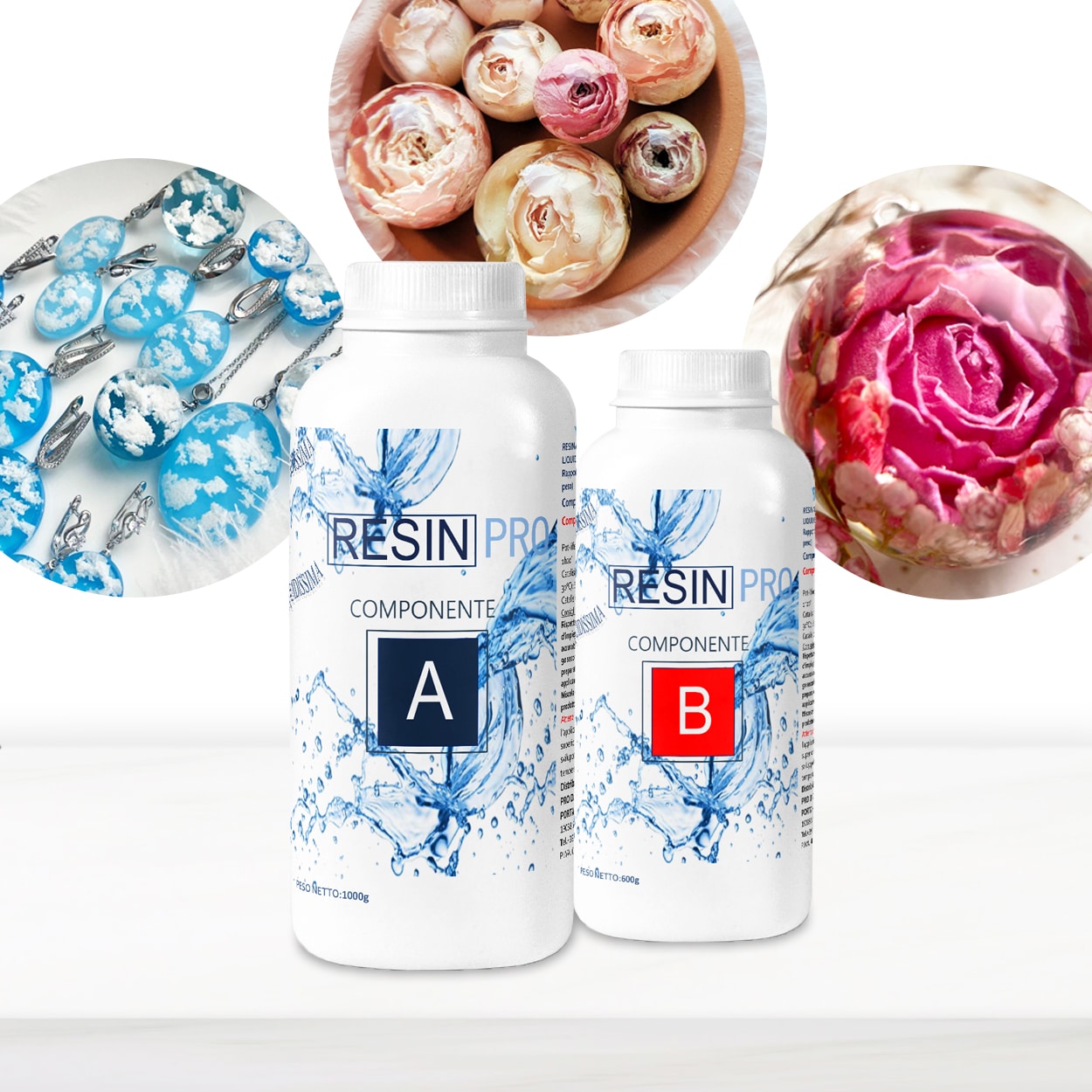 "Liquidissima" – Epoxy Resin For Creations & JewelleryPrice range: £12.85 through £31.85Liquidissima epoxy resin offers high transparency and low viscosity, suitable for intricate jewellery moulds and creative projects.
Frequently Asked Questions
Can thermosetting resins be remoulded after curing?
No, once thermosetting resins cure, they form a permanent solid that cannot be melted and remoulded.
How many times can I use a silicone mould with thermosetting resins?
High-quality silicone moulds can typically be reused many times, sometimes dozens or even hundreds, depending on care and resin type.
What makes a silicone rubber mould suitable for multiple uses?
Mechanical strength, flexibility, minimal shrinkage, and chemical compatibility with your resin all affect a mould’s reusability.
Is the resin or the mould reusable in casting?
The thermosetting resin is single-use per casting, but the silicone mould can often be reused for multiple castings if cared for properly.
How can I extend the life of my silicone mould?
Always demould carefully, keep moulds clean, avoid sharp objects, and store them in a cool, dry place to increase their reusability.
What thermosetting resins work best with silicone moulds?
Epoxy and polyurethane resins both work well with high-quality silicone moulds. Always check compatibility for best results.
Does mould shrinkage reduce how often it can be reused?
Premium silicone rubbers are formulated to minimise shrinkage, supporting many repeated uses without losing detail.