 Free shipping on orders over £29,85
  Shipping Tracking!


 Google
 Facebook
Epoxy resin: which applications should be avoided?
Know when not to use epoxy for safety and quality results
Epoxy resin is celebrated for its durability, clarity, and versatility, but it is not a one-size-fits-all solution. Knowing which applications to avoid is vital for creators, makers, and professionals who want lasting, safe results. This page explores the common limitations and inappropriate uses of epoxy resins, guiding you on how to select the right type for your project and when to consider alternatives.
Essential Epoxy Resin Limitations – What to Avoid
Epoxy resins vary widely in formulation and intended application. While they offer superb performance for art, wood, and certain food-safe coatings, there are specific situations you should actively avoid:
- Excessive Heat: Most epoxy resins lose structural integrity above 70°C and may become soft or discoloured. Avoid surfaces exposed to hot pans, ovens, or boiling liquids unless specified as heat-resistant.
- Direct Food Contact Without Certification: For safety, only use certified food-contact resins on kitchenware. Non-food-safe variants should never be used on plates, boards, or dining surfaces.
- Alcohol and Acids: Standard epoxy resins can be damaged or stained when exposed to alcohol, acidic foods, or strong cleaning agents, leading to deterioration and reduced lifespan.
- Moist or Dirty Surfaces: Wood or materials must be dry and clean for epoxy to bond. Application over damp or dirty surfaces leads to poor adhesion and failure.
- Thick Castings: Not all resins are suitable for deep pours. Some, like Liquidissima, perform best in thin layers and may crack or overheat if used too thickly.
- Mixing with Incompatible Pigments or Paints: Water-based dyes or acrylic paints can interfere with resin curing, so only use additives recommended for your epoxy type.
Always read product guidelines and adhere to recommended use cases. Using epoxy resin in the wrong context can result in safety risks, failed projects, and wasted materials.
When Not to Use Epoxy Resin
Epoxy resin is versatile but not invincible. Avoid using it on surfaces exposed to continuous heat, strong chemicals, or direct and regular contact with food unless specifically certified. Choose a resin formulated for your specific application to ensure both safety and lasting performance.
Epoxy Resins by Application – Where They Excel and Their Boundaries
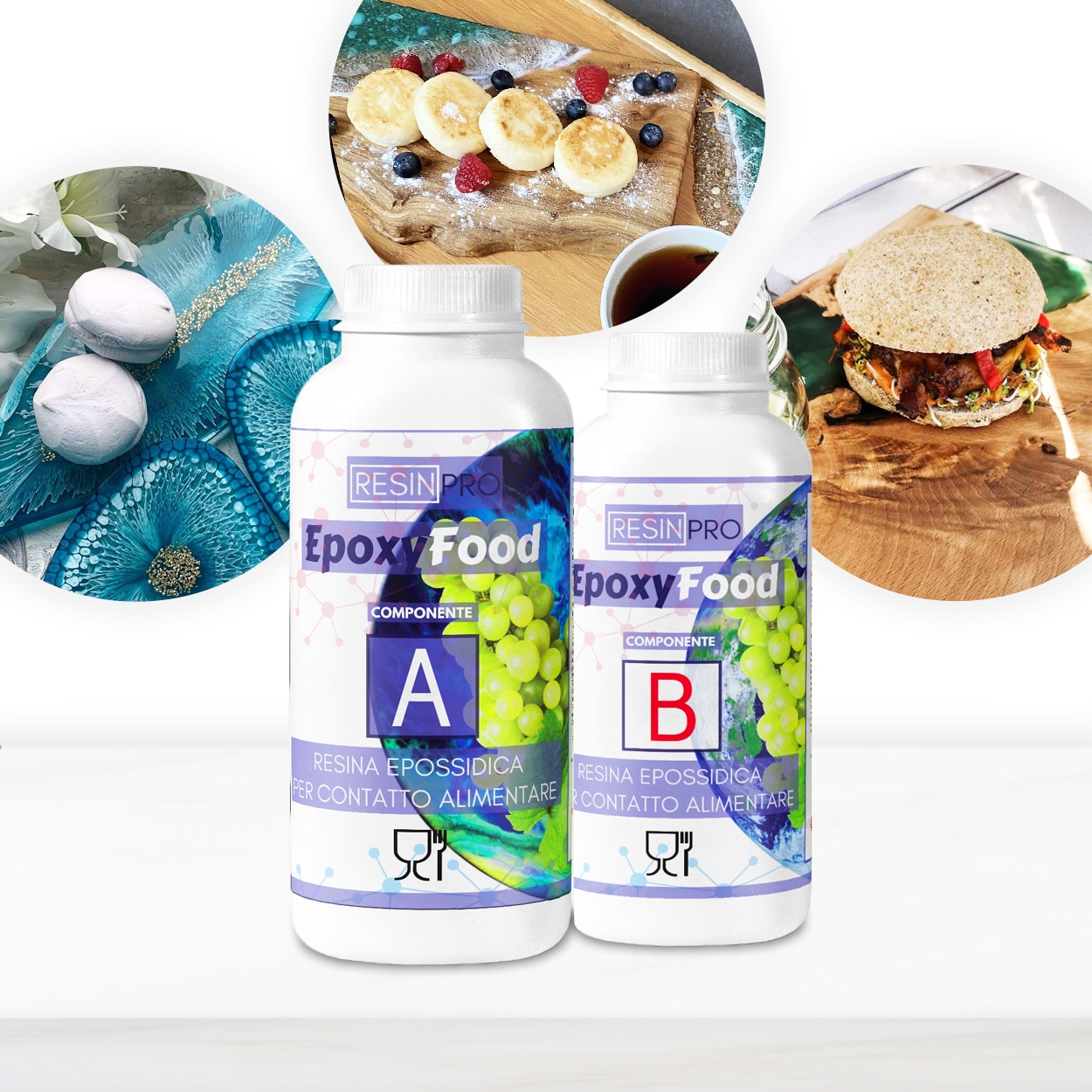
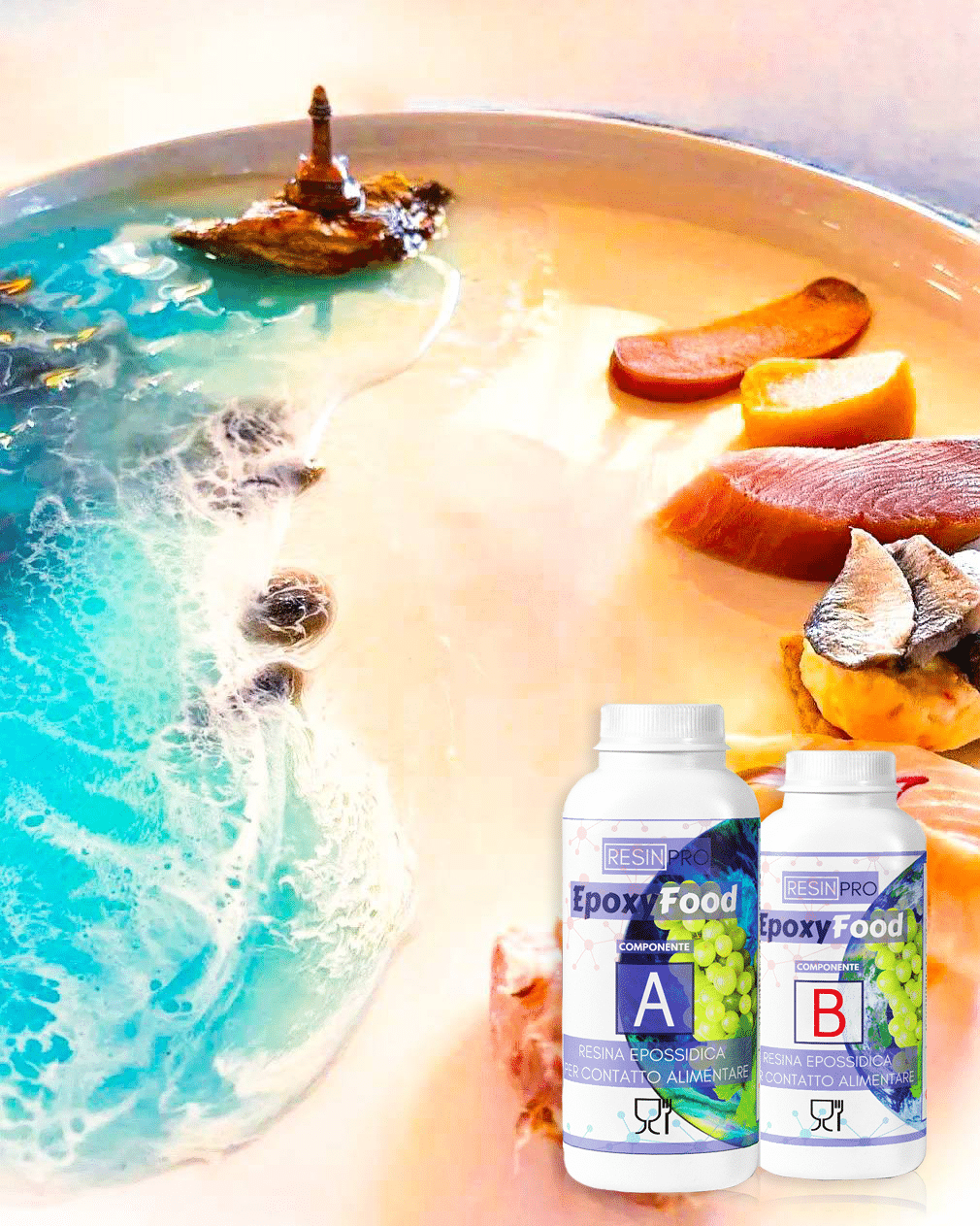
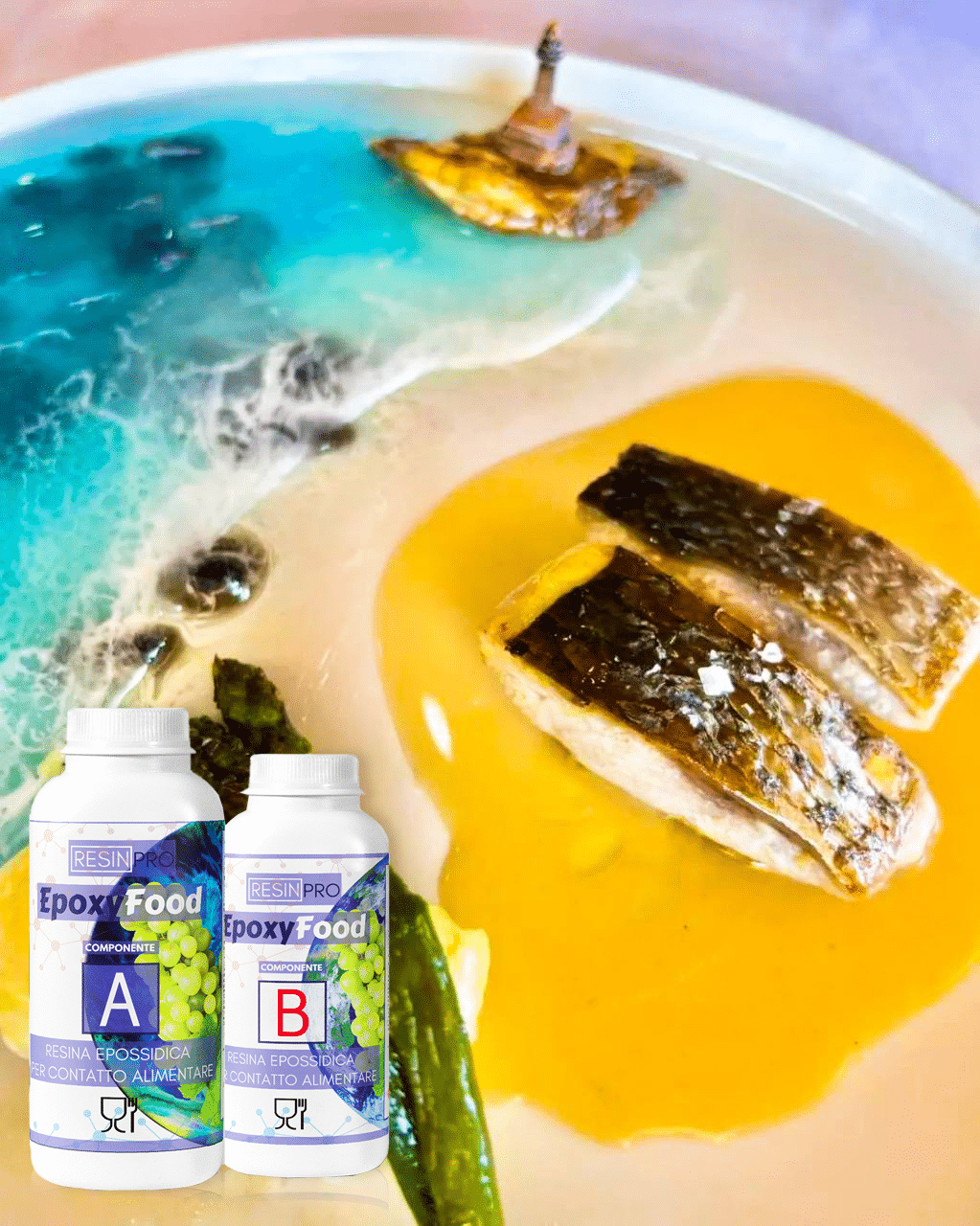
“EpoxyFood” – Certified Clear Food Contact Epoxy Resin for Coating
EpoxyFood is your go-to solution for food-safe finishes on kitchenware. Its independent certification under EU Regulation No. 10/2011 ensures it is safe for direct contact with both solids and liquids. The resin boasts a crystal-clear, glossy finish and 10-year UV protection against yellowing. Food Safe: Certified for contact with food items.
However, it is not suitable for surfaces that regularly encounter high heat (above 70°C), beverages containing alcohol, or hot foods. Always check if dyes or additives may affect its certification status before use.
“EpoxyWood” – Wood Restoration Epoxy Resin for Deep Penetration and Waterproofing
For deep wood penetration and lasting waterproofing, EpoxyWood excels. It is solvent-free, vegan-friendly, and perfect for rejuvenating furniture and boat hulls. Its Waterproofing and Reinforcement features make wood surfaces resilient and structurally sound.
This resin is not intended for thick castings or for application on moist, dirty, or unsanded wood. For best results, always apply to dry, clean, and well-prepared surfaces. Overlooking preparation risks poor adhesion and long-term failure.
“Art Pro Deluxe” – Ultra-High Viscosity Epoxy Resin for Artists
Art Pro Deluxe stands out for artistic projects needing crisp line definition and superb clarity. The Ultra-high viscosity helps prevent colour mixing, making it perfect for coasters, trays, resin pour artworks, or finish layers that must remain smooth and glossy.
Avoid combining it with water-based dyes or acrylic paints, as these will impair curing and reduce surface quality. This formula is not suitable for projects where extensive working time is needed or on damp surfaces.
“Liquidissima” – Epoxy Resin For Creations & Jewellery
For intricate jewellery and creative casting, Liquidissima provides outstanding clarity and a flawless, self-levelling finish. Its low viscosity is ideal for filling detailed moulds, minimising air bubbles and supporting elaborate designs.
This resin should be avoided for thick pours above 1 cm; it is not designed for large, deep castings or uses outside the field of creative or jewellery applications.
Additional Tips – Recognising Proper and Improper Epoxy Use
To maximise your results, identify the right resin for each task and remain aware of their limitations. For projects involving heat and food, always select certified materials. Wood restorations require surface preparation for safety and lasting durability. For thick pours, select resins rated for deep castings.
When uncertain, refer to the Multipurpose epoxy resins category or consult specific product guidance. Avoid shortcuts: proper procedures help you sidestep common issues such as unwanted yellowing, cracking, or surface contamination.
Pro Tips for Epoxy Resin Success
Proper preparation and matching your resin to the application are key to success. Always check surface cleanliness and dryness, stick to recommended layer thicknesses, and avoid incompatible additives. Follow product guidance and reach out for support when working on unique or demanding projects.

- "EpoxyFood" – Certified Clear Food Contact Epoxy Resin for CoatingPrice range: £20.95 through £146.95EpoxyFood provides a transparent, food-safe coating resin designed for clear, durable surfaces in food-contact applications under the stated theme.
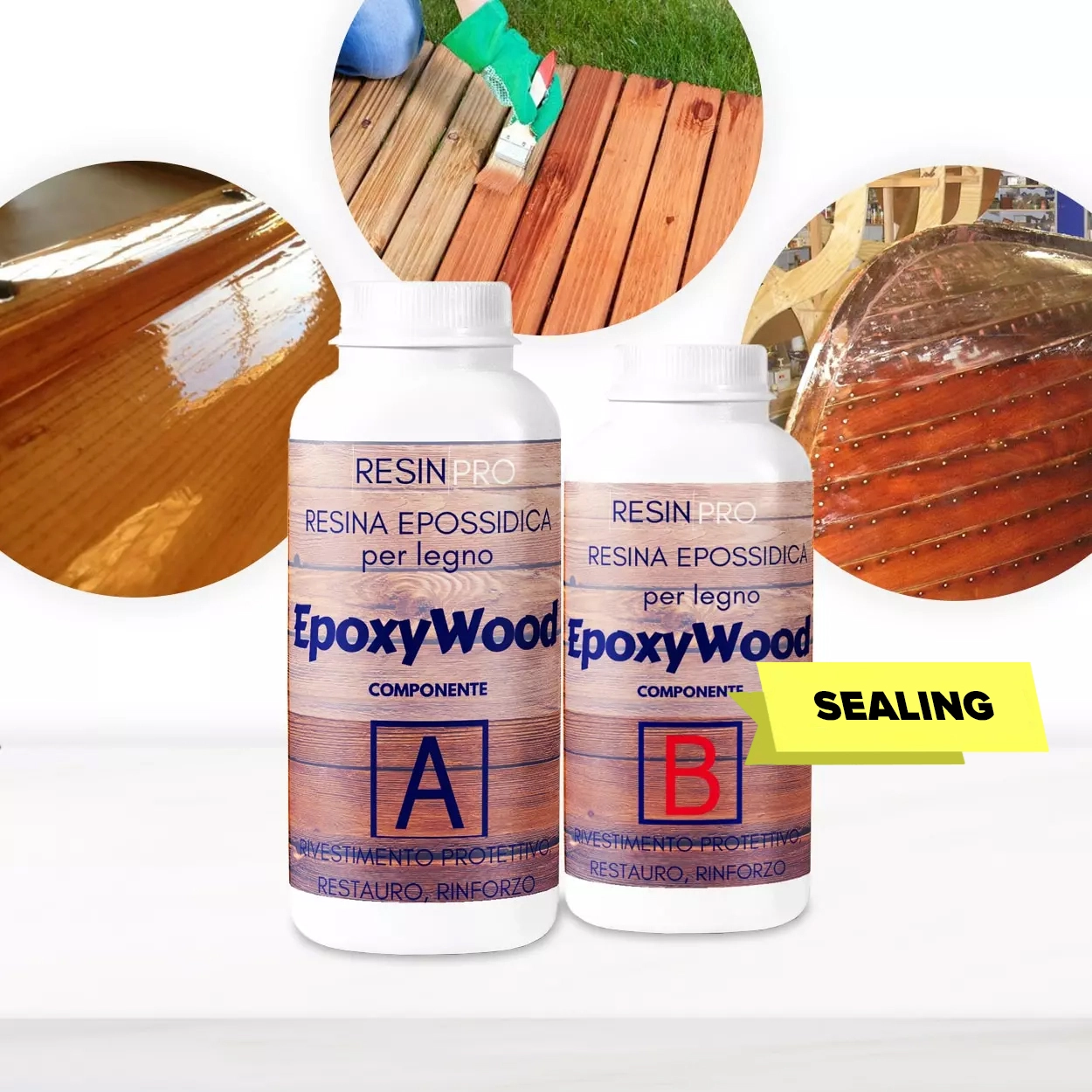 "EpoxyWood" – Wood Restoration Epoxy Resin for Deep Penetration and WaterproofingPrice range: £27.95 through £41.95EpoxyWood is designed for wood restoration with deep penetration and waterproofing, suitable for use on wooden surfaces aligned with the Epoxy resin:…
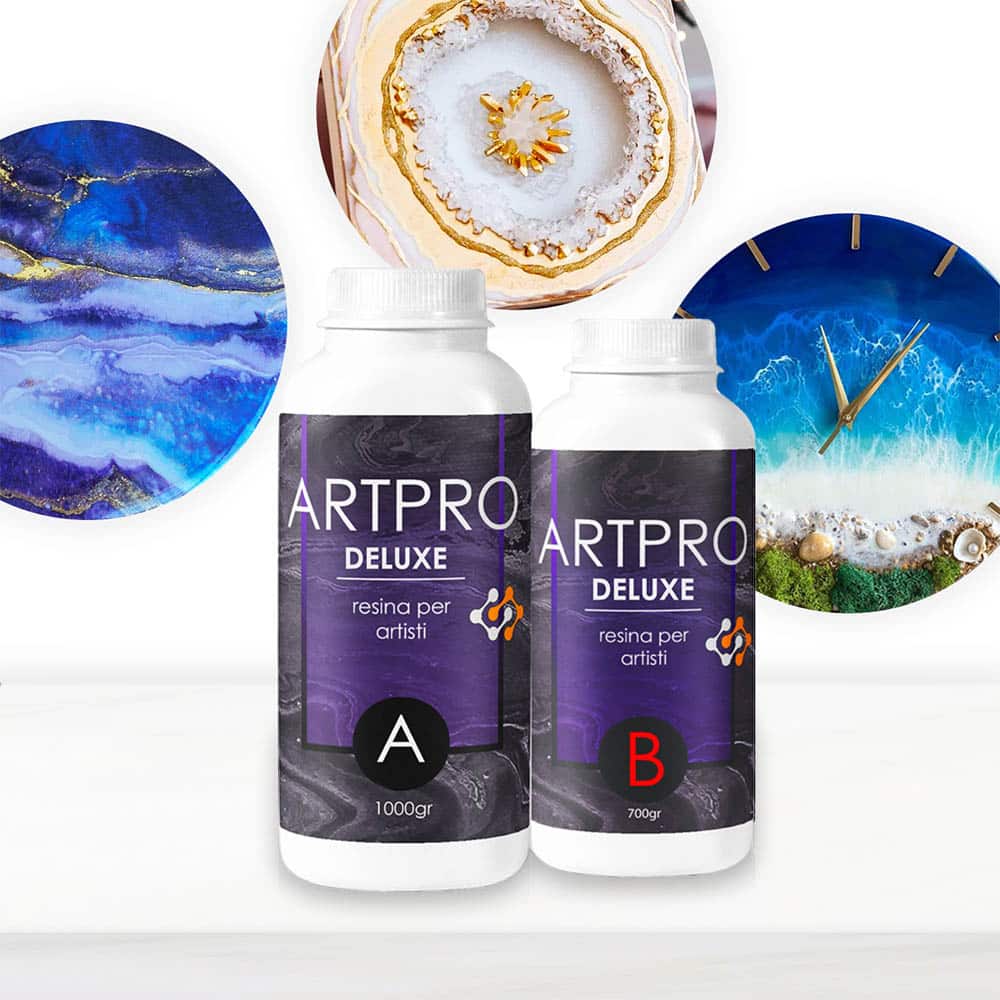 "Art Pro Deluxe" – Ultra-High Viscosity Epoxy Resin for ArtistsPrice range: £35.95 through £302.45Art Pro Deluxe offers ultra-high viscosity resin for precise line control and a clear, scratch-resistant finish in artistic epoxy applications.
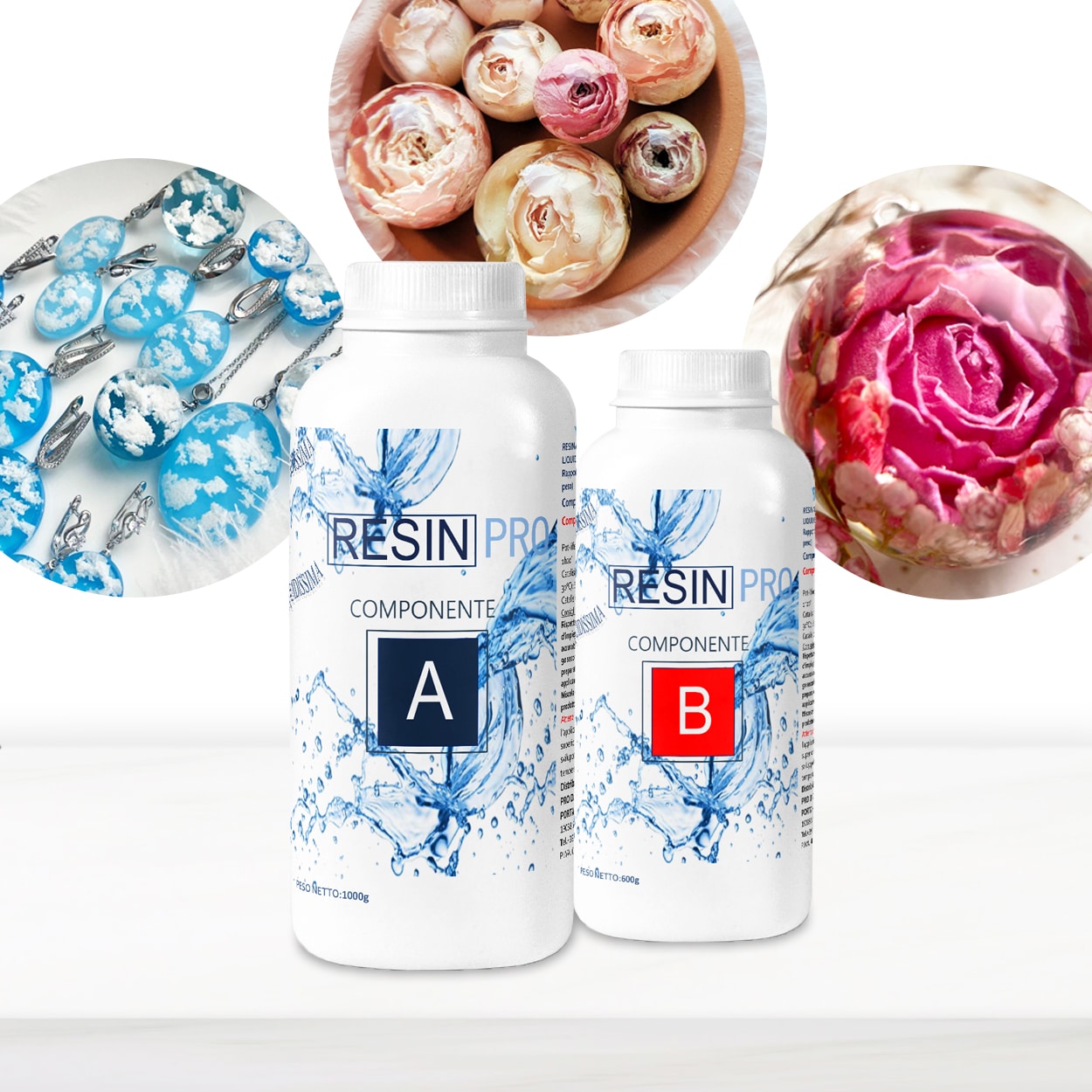 "Liquidissima" – Epoxy Resin For Creations & JewelleryPrice range: £12.85 through £31.85"Liquidissima" epoxy resin offers clear, low-viscosity casting suitable for detailed jewellery and creative moulds within the theme of epoxy…
Frequently Asked Questions
Can epoxy resin be used on hot surfaces?
Most epoxy resins should not be exposed to temperatures above 70°C as this can cause softening, discolouration, or surface damage.
Is epoxy resin safe for food contact applications?
Only specific products like EpoxyFood are independently certified for direct food contact. Always check certification before use.
Which epoxy resin should I use for thick casting projects?
Not all epoxy resins are suitable for thick pours. Use products specifically formulated for deep casting to prevent overheating or cracking.
Can I mix epoxy resin with water-based paints?
Water-based dyes and acrylic paints should not be mixed with most epoxy resins as they interfere with curing and finish.
Is wood preparation important before applying epoxy?
Yes, wood must be dry, clean, and well-sanded before epoxy application to ensure strong adhesion and a lasting result.
Can I use any epoxy on jewellery and creative projects?
Jewellery projects require clear, low-viscosity resins like Liquidissima. Not all epoxies are suitable for small moulds or intricate designs.
Can I use epoxy resin on moist or dirty surfaces?
No, applying epoxy to moist or dirty surfaces leads to poor adhesion and possible long-term failure.