 Free shipping on orders over £29,85
  Shipping Tracking!


 Google
 Facebook






How to Compact Gravel Pathways
To effectively and durably compact gravel pathways, it is essential to follow some key steps:
- Ground Preparation:
- Remove weeds, roots, and debris from the underlying soil.
- Level the surface with a shovel or rake to ensure a uniform base.
- Gravel Selection:
- Use gravel of suitable sizes, typically between 1/4 inch and 3/4 inch, for good drainage and enhanced stability.
- Spread a uniform layer of gravel on the prepared surface.
- Gravel Compaction:
- Utilize a compaction roller or vibrating plate to compact the gravel.
- Pass repeatedly over the pathway in different directions to ensure even compaction.
- Leveling and Finishing:
- Re-level the gravel with a rake after compaction to eliminate any irregularities.
- Add more gravel if necessary to achieve the desired thickness.
- Periodic Maintenance:
- Regularly check the gravel pathway for depressions or erosion.
- Add gravel and recompact damaged areas to maintain a uniform surface.
By carefully following these steps and paying attention to preparation and compaction, a durable and well-consolidated gravel pathway can be achieved over time.
Process for Compacting a Gravel Pathway
To compact a gravel pathway effectively, it is crucial to follow a precise process that ensures a solid and resistant surface. Here are the steps to follow:
- Ground Preparation:
- Remove weeds, roots, and debris from the area.
- Level the ground and ensure proper drainage to prevent water stagnation.
- Application of Gravel Layer:
- Evenly distribute a suitable thickness of gravel, typically between 5 and 10 cm.
- Level the gravel with a rake to ensure a smooth surface.
- Initial Compaction:
- Use a compaction roller for preliminary gravel compaction.
- Ensure the roller covers the entire area and pass multiple times on each section.
- Moistening and Final Compaction:
- Lightly wet the gravel to improve compaction.
- Recompact the gravel with the compaction roller in different directions for even compaction.
- Finishing:
- Verify the surface is uniform and leveled.
- Add more gravel if needed to fill any holes or depressions.
- Repeat the compaction process if the surface appears unstable.
Following these steps meticulously will result in a well-compacted and durable gravel pathway over time.
Tools Needed for Compacting a Gravel Pathway
To effectively compact a gravel pathway, specific tools are required. Here's what you need:
- Vibrating Plate: Essential for uniform and solid gravel compaction, eliminating air gaps between stones.
- Rake or Leveler: Before using the vibrating plate, it's vital to level the gravel with a rake or leveler to ensure even distribution.
- Wheelbarrow or Transport Means: Necessary for transporting gravel onto the pathway and moving tools during the compaction process.
- Soil Density Meter: To ensure adequate compaction, you can use a soil density meter to verify proper gravel compaction.
- Personal Protective Gear: Always wear personal protective gear like gloves, protective eyewear, and appropriate clothing for safety.
Be sure to follow the manufacturer's instructions for the safe and correct use of each tool, compacting the gravel in thin layers to achieve a resilient and long-lasting pathway.
How Often Should I Compact My Gravel Pathway?
To maintain a gravel pathway in good condition and ensure a stable and uniform surface, regular compaction is advisable. The frequency of compacting your pathway depends on factors such as the gravel type, vehicular traffic, and local climatic conditions. Here are some guidelines to determine how often to compact a gravel pathway:
- New Installation: For newly installed pathways, more frequent compaction in the initial weeks ensures a solid and resilient base.
- Regular Use: Pathways subject to heavy vehicular traffic or frequent rainfall leading to erosion may require more frequent compaction, such as every 1-2 months.
- Visual Inspection: Regularly check the gravel pathway's condition. If you notice surface irregularities like holes or gravel accumulations, it's time to compact it again.
- Seasonality: In some regions, more frequent compaction may be needed after winter to restore its shape and stability post freezing and thawing of the ground.
Compact the gravel pathway with a compaction roller or vibrating plate to stabilize the ground, reduce erosion, and maintain a uniform and safe surface. Remember always to follow the manufacturer's instructions for the safe use of compaction tools.
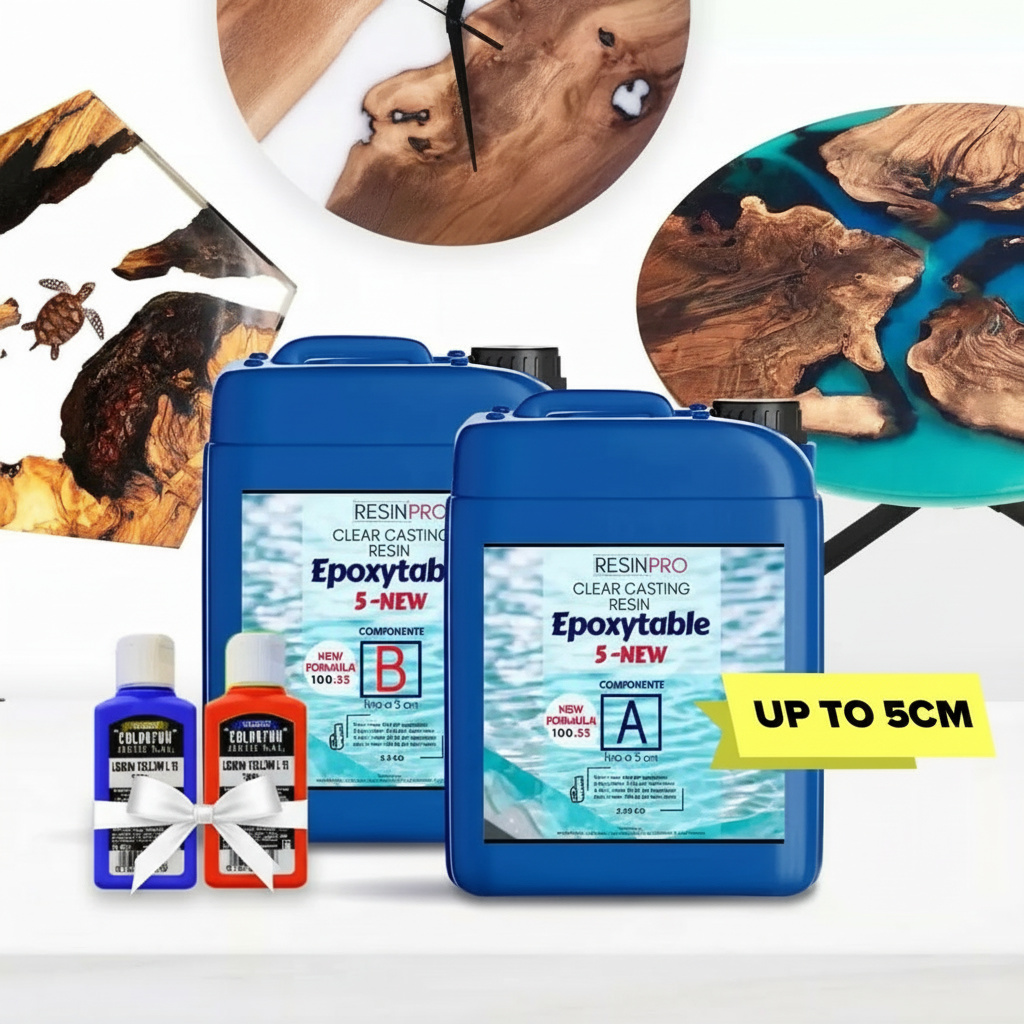
ResinPro: one supplier for all your needs
15 years of experience at your complete disposal, supplying resins and accessories for creativity, industry, DIY, flooring and marine applications.
At your home, directly from the manufacturer!
ResinPro is the direct manufacturer of our resin range for companies and hobbyists, guaranteeing the lowest prices on the market.
Learn more


The widest range of resins in the UK!
We offer resins for every need, from artistic creations to marine and construction applications, far beyond the “limited” selection typically found in local DIY stores.


Expert technical support!
Our technicians provide free remote consulting to help you avoid mistakes and ensure you achieve the result you want — unlike “generic retailers” who sell 1,000 different products.
get a free consultationRESIN PRO is a leader in resin production and distribution!
24-hour delivery: We ship across the UK on the same day. Enjoy convenient home delivery with our appointment service—our courier will contact you in advance and deliver the package to your preferred location, or leave it at an alternative address of your choice.


Full support!
We provide continuous support from preparation to final application, including remote technical assistance, ensuring a smooth experience.
Talk with a specialist and place a phone order without registration and without credit cards!


