 Free shipping on orders over £29,85
  Shipping Tracking!


 Google
 Facebook

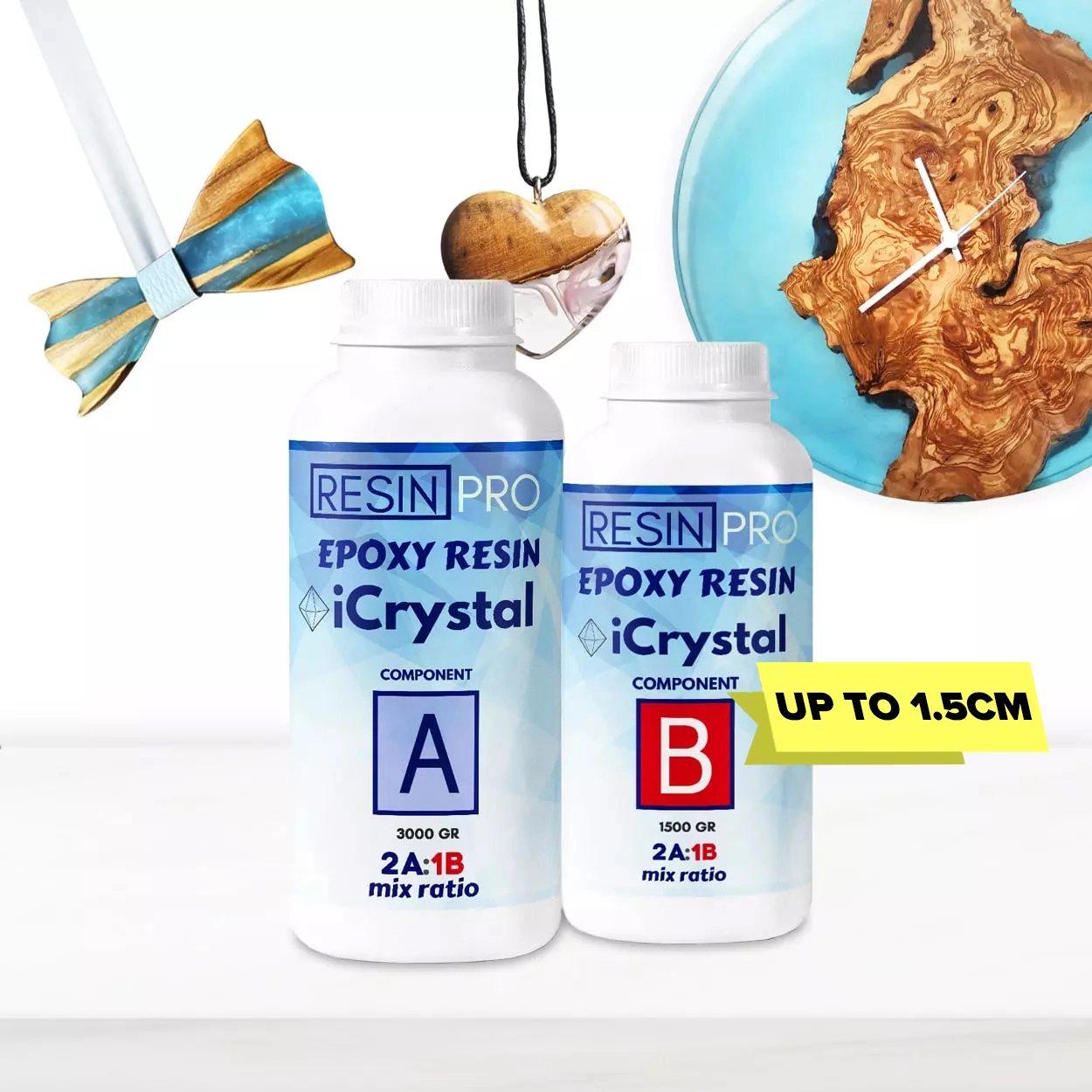





Minimum and Maximum Thickness for Epoxy Resin, Polyurethane Resin, and Liquid Silicones
The minimum and maximum thicknesses applicable for coatings with RESINPRO's transparent epoxy resin or silicone depend on various factors, including the type of product used and the application method. Here are some general guidelines to keep in mind:
- Epoxy Resins
- The recommended minimum thickness for effective application is about 2-3 millimeters.
- The maximum thickness depends on the specific resin formulation and environmental conditions; generally, it should not exceed 5-6 millimeters in a single coat.
- Polyurethane Resins
- The recommended minimum thickness ranges from 1-2 millimeters.
- The maximum thickness depends on the brand and product formula but typically should not exceed 4-5 millimeters.
- Liquid Silicones
- Minimum and maximum thicknesses depend on the type of silicone and the application area.
- Thickness usually ranges from 0.5 to 3 millimeters, although some products allow for thicker layers.
Always remember to consult the manufacturer's specifications for the coating you are using, as they may provide precise indications on recommended thicknesses for optimal performance and longevity of the coating.
Determining Minimum and Maximum Applicable Thickness
To determine the minimum and maximum thicknesses applicable for resin or silicone coatings, several important factors need to be considered:
- Type of Coating: Each coating type has specific technical specifications indicating the recommended thickness for optimal application. It is essential to consult the product datasheets for precise guidance.
- Substrate to be Coated: The surface to be coated will influence the thickness to be used. Irregular or imperfect surfaces may require a thicker coat to ensure uniform coverage.
- Purpose of the Coating: Depending on whether the coating is for protection or decoration, the required thickness may vary.
- Environmental Conditions: Factors like humidity, temperature, and UV exposure can impact the choice of coating thickness. Aggressive environments may necessitate a thicker coating for enhanced protection.
- Technical Consultation: When in doubt about thickness selection, it is advisable to seek advice from a specialized coating technician for specific project requirements.
Considering these factors and following manufacturers' and industry professionals' recommendations, it is possible to determine the minimum and maximum thicknesses applicable for optimal results with resin or silicone coatings.
Variation in Minimum and Maximum Thickness Based on Material
The minimum and maximum thicknesses of coatings can vary depending on the material used. Here are some key points to consider:
- Resins: Epoxy or polyurethane resins have recommended minimum and maximum thicknesses to ensure proper adhesion and optimal performance. Minimum thickness usually ranges from 50 to 100 microns, while maximum thickness depends on product specifications and can extend to several millimeters.
- Silicones: Silicone coatings may require different thicknesses based on application and silicone type. Minimum thickness is generally around 25-50 microns but can be higher for specific properties like electrical insulation or high-temperature resistance.
- DIY Coatings: In DIY applications such as wood or metal sectors, coating thickness often depends on personal preferences and artisan skills. However, following manufacturer's instructions is crucial for correct and durable application.
In conclusion, minimum and maximum coating thicknesses can vary based on the material used, application specifications, and desired performance. It is always advisable to follow the manufacturer's guidelines to achieve the best possible results.
Industrial Standards for Minimum and Maximum Thickness
There are industrial standards that define the minimum and maximum thicknesses for applying resin and silicone coatings. These standards are critical for ensuring proper protection and durability of materials used in various industrial sectors. Here are some key points to consider:
- ASTM Standards: ASTM International publishes internationally recognized standards for specifying coating thickness. For example, ASTM D7091 provides guidelines for measuring the thickness of liquid coatings applied on metal surfaces.
- SSPC Standards: The Society for Protective Coatings (SSPC) develops standards for the protective coatings industry. SSPC-PA 2 standard offers detailed guidelines for measuring dry film thickness on metal surfaces.
- ISO Standards: The International Organization for Standardization (ISO) has also developed standards related to coating thickness. For instance, ISO 2808 provides guidelines for measuring the thickness of non-metallic coatings.
- Manufacturer's Specifications: In addition to industrial standards, following the manufacturer's specifications for the coating material or resin/silicone used is crucial. These guidelines can provide specific details on recommended thicknesses for optimal product performance.
Adhering to standards and specifications for minimum and maximum thickness is essential to ensure the quality and effectiveness of industrial coatings, contributing to surface protection and long-term material durability.
ResinPro: one supplier for all your needs
15 years of experience at your complete disposal, supplying resins and accessories for creativity, industry, DIY, flooring and marine applications.
At your home, directly from the manufacturer!
ResinPro is the direct manufacturer of our resin range for companies and hobbyists, guaranteeing the lowest prices on the market.
Learn more


The widest range of resins in the UK!
We offer resins for every need, from artistic creations to marine and construction applications, far beyond the “limited” selection typically found in local DIY stores.


Expert technical support!
Our technicians provide free remote consulting to help you avoid mistakes and ensure you achieve the result you want — unlike “generic retailers” who sell 1,000 different products.
get a free consultationRESIN PRO is a leader in resin production and distribution!
24-hour delivery: We ship across the UK on the same day. Enjoy convenient home delivery with our appointment service—our courier will contact you in advance and deliver the package to your preferred location, or leave it at an alternative address of your choice.


Full support!
We provide continuous support from preparation to final application, including remote technical assistance, ensuring a smooth experience.
Talk with a specialist and place a phone order without registration and without credit cards!


