 Free shipping on orders over £29,85
  Shipping Tracking!


 Google
 Facebook
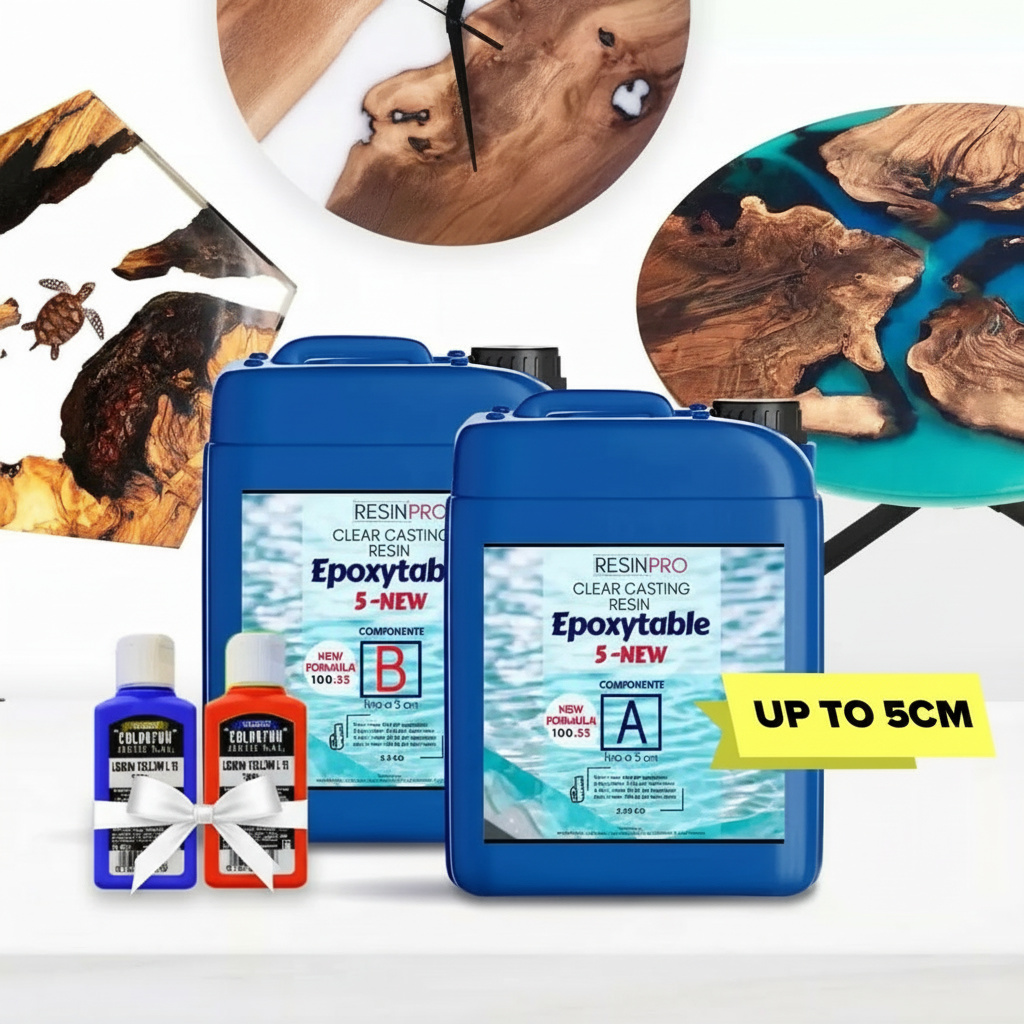






Preparing Microcement for Painting: Essential Steps
Before painting microcement, it is crucial to follow a proper preparation process to ensure an optimal and long-lasting result. Here's what to do:
- Cleaning: Ensure the surface is clean, dry, and free from dust, grease, or dirt. Use specific detergents and rinse thoroughly.
- Sanding: If the surface is rough or has imperfections, it's advisable to sand it to achieve a smooth and uniform finish. Use fine-grit sandpaper.
- Primer: Apply a specific microcement primer to enhance paint adhesion and ensure a longer coating lifespan.
- Paint Application: Choose a suitable paint for microcement, such as acrylic paint or RESINPRO's epoxy resin, and apply it evenly following the manufacturer's instructions.
- Protective Coat: After painting, it's recommended to apply a sealer or RESINPRO's two-component epoxy resin coating to enhance resistance to wear, stains, and moisture.
By following these steps and using the right products, you can achieve a high-quality final result and ensure the longevity of your painted microcement.
Steps to Prepare Microcement Before Painting
To prepare microcement before painting, it's essential to follow a series of steps to ensure an optimal and durable outcome. Here's what to do:
- Cleaning: Thoroughly clean the microcement surface to remove dust, dirt, grease, or residues from previous products. Use neutral detergents and rinse with clean water.
- Sanding: After cleaning, lightly sand the surface with fine sandpaper to eliminate any irregularities and create a uniform surface.
- Repairs: Inspect the microcement for cracks, holes, or imperfections. Fill them with a specific microcement paste and level them carefully.
- Primer: Apply a microcement-specific primer to the prepared surface to improve paint adhesion and ensure a homogeneous finish.
- Drying: Allow the primer to dry for the manufacturer's recommended time, usually a few hours. Ensure the surface is completely dry before proceeding with painting.
By carefully following these steps, you will adequately prepare the microcement for painting, ensuring a professional and durable result over time.
Sanding Microcement Before Painting: Important Considerations
Sanding microcement before painting is crucial to ensure good adhesion and durability of the final coating. Here's why it's important to follow these steps:
- Surface Preparation: Ensure the microcement is completely dry and clean before starting the sanding process. Remove any residues, dust, or dirt from the surface.
- Choice of Sandpaper: Use fine sandpaper to gently sand the microcement. Avoid using too rough sandpaper that could damage the coating.
- Sanding Technique: With gentle and consistent movements, pass the sandpaper over the microcement surface. The goal is to create a slightly rough surface that promotes paint adhesion.
- Cleaning: Once sanding is complete, make sure to thoroughly remove any dust. You can use a vacuum cleaner or a damp cloth to clean the surface.
Following these steps will result in a well-prepared surface ready for painting, ensuring a more resistant and durable final outcome.
Essential Products for Preparing Microcement for Painting
To prepare microcement for painting, specific products are necessary to guarantee an optimal result. Here's what you'll need:
- Primer: Applying a specific microcement primer before painting is essential. This product enhances coating adhesion and ensures long-term durability.
- Microcement Paint: After applying the primer, using a specific paint for microcement is crucial. This protective paint will help make the surface resistant to wear, stains, and moisture.
- Roller and Brush: For applying the primer and paint on microcement, you'll need a quality short-haired roller and a suitable-sized brush. Ensure you choose quality tools for a uniform application.
- Masking Tape: To protect surrounding areas when painting microcement, it's advisable to use masking tape to precisely delineate the treatment area.
- Sandpaper: Before applying the primer and paint, you may need to lightly sand the microcement surface to ensure better adhesion of subsequent products. Use fine sandpaper to avoid damaging the coating.
By carefully following these steps and using the right products, you can effectively prepare microcement for painting and achieve a high-quality final result.
ResinPro: one supplier for all your needs
15 years of experience at your complete disposal, supplying resins and accessories for creativity, industry, DIY, flooring and marine applications.
At your home, directly from the manufacturer!
ResinPro is the direct manufacturer of our resin range for companies and hobbyists, guaranteeing the lowest prices on the market.
Learn more


The widest range of resins in the UK!
We offer resins for every need, from artistic creations to marine and construction applications, far beyond the “limited” selection typically found in local DIY stores.


Expert technical support!
Our technicians provide free remote consulting to help you avoid mistakes and ensure you achieve the result you want — unlike “generic retailers” who sell 1,000 different products.
get a free consultationRESIN PRO is a leader in resin production and distribution!
24-hour delivery: We ship across the UK on the same day. Enjoy convenient home delivery with our appointment service—our courier will contact you in advance and deliver the package to your preferred location, or leave it at an alternative address of your choice.


Full support!
We provide continuous support from preparation to final application, including remote technical assistance, ensuring a smooth experience.
Talk with a specialist and place a phone order without registration and without credit cards!


