 Free shipping on orders over £29,85
  Shipping Tracking!


 Google
 Facebook
← Back to Which is better for stones: acrylic or epoxy?
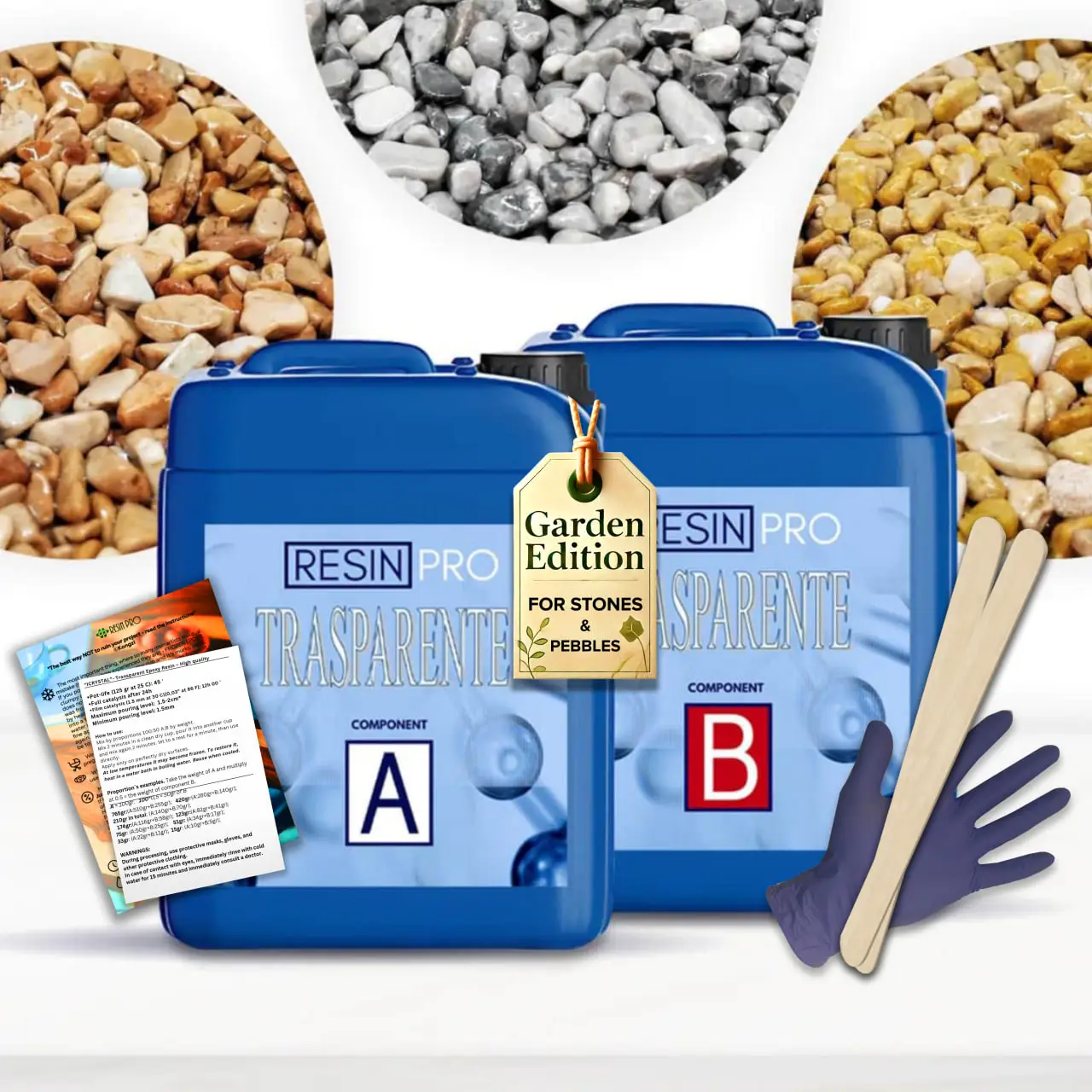

If you’re weighing up binder options for creating outdoor stone or aggregate surfaces, it’s important to know how acrylic compares to more robust alternatives like epoxy and polyurethane. The right choice impacts long-term durability, especially when exposed to British weather.
Acrylic Binders and Weather Resistance
Acrylic-based binders can be used in some decorative indoor settings, but they aren’t well-suited to outdoor stone or aggregate surfaces. This is primarily due to their lower resistance to rain, UV exposure, temperature swings, and mechanical wear compared to modern epoxy or polyurethane systems. Outdoor surfaces require structures that can withstand regular cycles of wet and dry, as well as physical stresses from foot or vehicle traffic.


Better Choices: Epoxy and Polyurethane for Outdoors
For outdoor projects like driveways, patios, or permeable paths, epoxy and polyurethane binders are favoured for their superior resilience. Products such as “Trasparente” epoxy binder provide a crystal-clear, UV-resistant finish ideal for coloured stones and pebbles. Polyurethane options, like “Polirock”, excel with white or light aggregates because they remain clear and resist yellowing. Both alternatives are designed to deliver long-lasting results even under challenging weather conditions.
Practical Guidance for Binder Selection
When selecting a binder for your outdoor aggregate surface, consider the type of aggregate (colour and composition) and the level of traffic the surface will bear. For vibrant, coloured aggregates, opt for a UV-stable, transparent epoxy. For white or pale stones, a non-yellowing polyurethane is often best. Application generally involves mixing the resin thoroughly with the aggregates before laying to ensure encapsulation and lasting stability. Complete kits like “Flowstone” are available for larger projects and provide all essential materials and clear guidance.
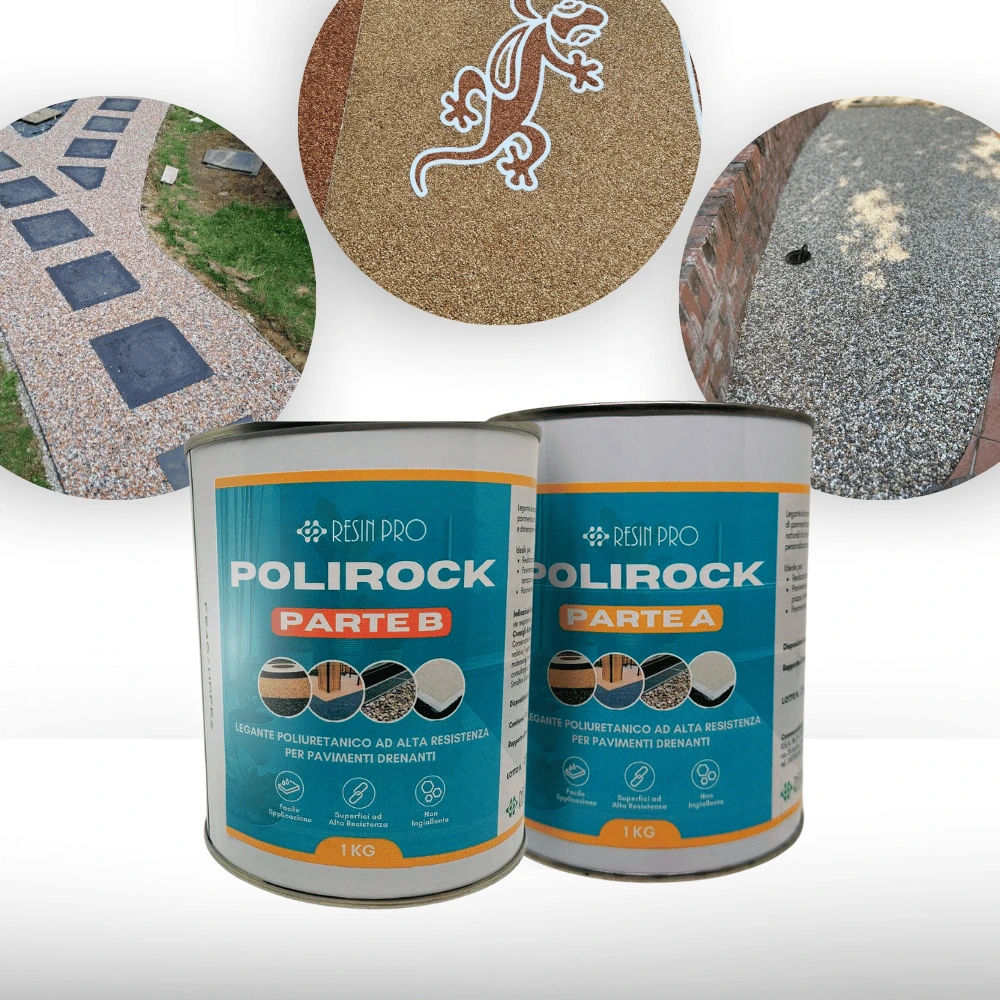
When Choosing the Right Binder Matters
Selecting a suitable binder is critical for surfaces that will face year-round weather, heavy use, or where you want the stones’ colours and structure to stay looking fresh for years. Using a less robust acrylic option outdoors can lead to premature wear, loss of grip, and fading, which can be avoided with the right epoxy or polyurethane system.
Related products
Related guides
Understanding the differences between binder types ensures your outdoor stone surfaces look great and remain safe with lasting durability. For a broader comparison on acrylic versus epoxy for stone applications, explore our main guide: Which is better for stones: acrylic or epoxy?