 Free shipping on orders over £29,85
  Shipping Tracking!


 Google
 Facebook
← Back to How long do the resin beads in a water softener last?
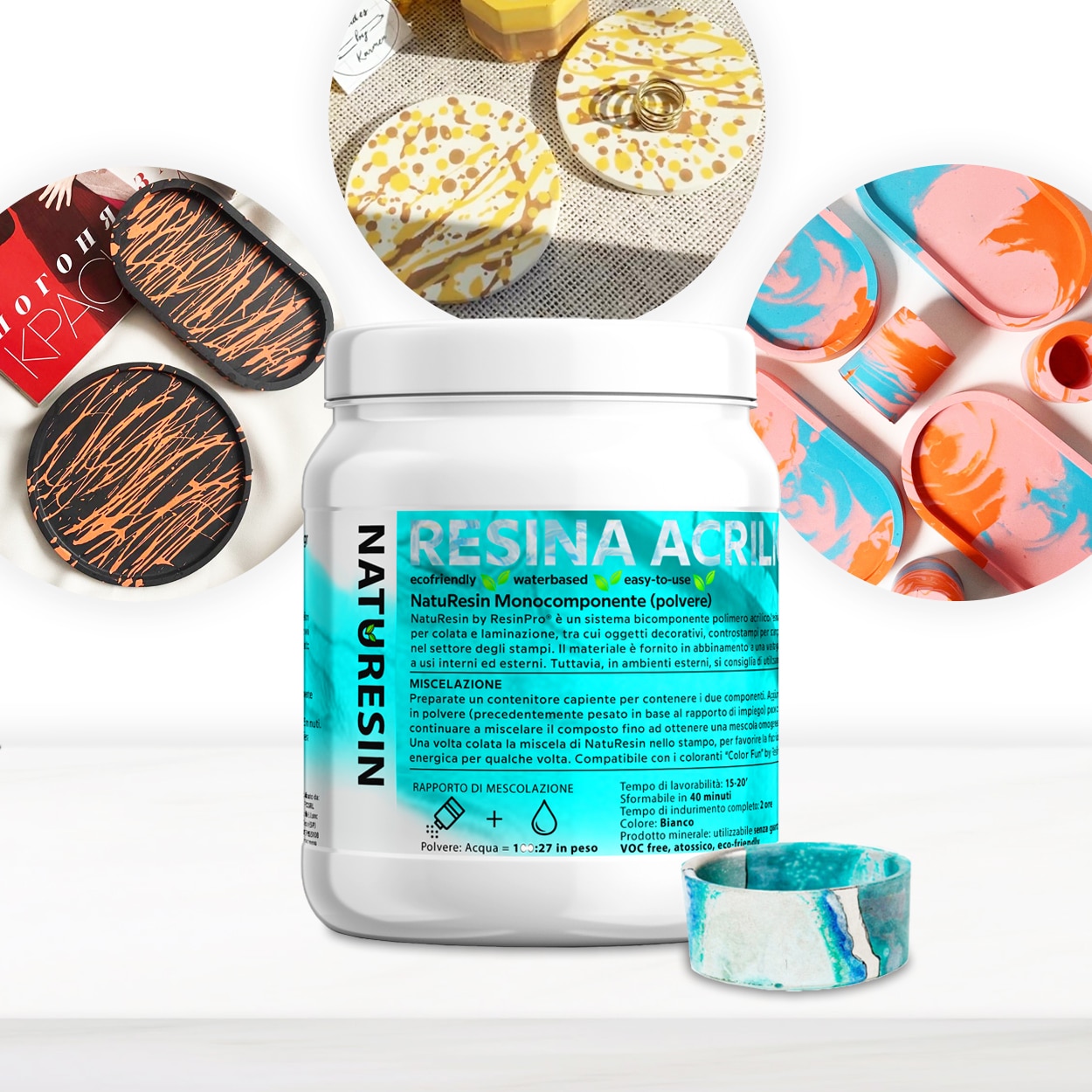
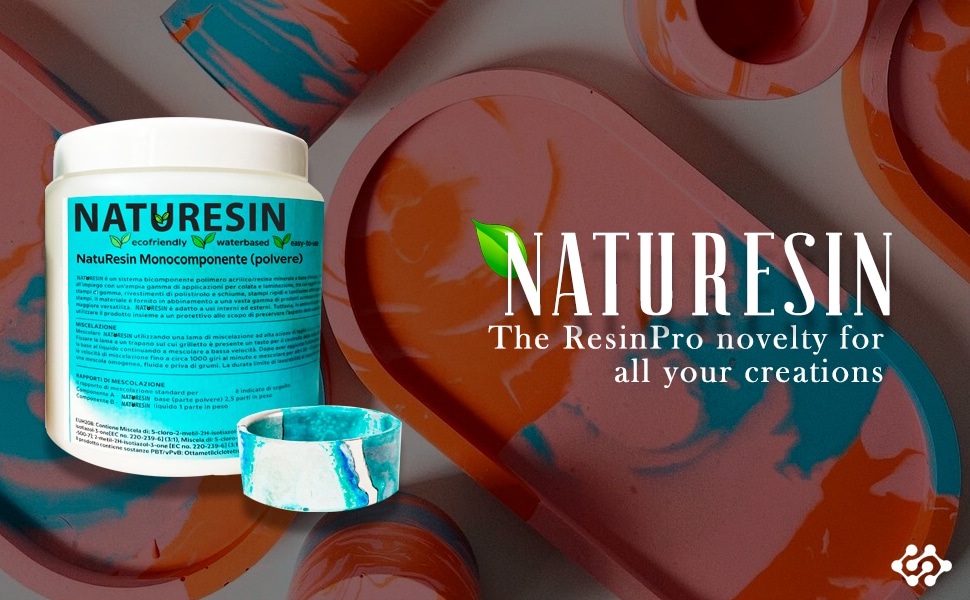
If you’re considering using decorative or floor resins as a replacement for the resin beads in a water softener, it’s important to understand why this is not recommended. Not all resins serve the same purpose, and choosing the wrong type can compromise your water quality and system performance.
What Makes Softener Beads Unique?
Resin beads used in water softeners are designed specifically for ion exchange. Their composition and structure enable them to attract and hold hardness minerals (like calcium and magnesium) from water, swapping them for sodium or potassium ions. This is a specialised chemical function that decorative or floor resins simply do not perform.
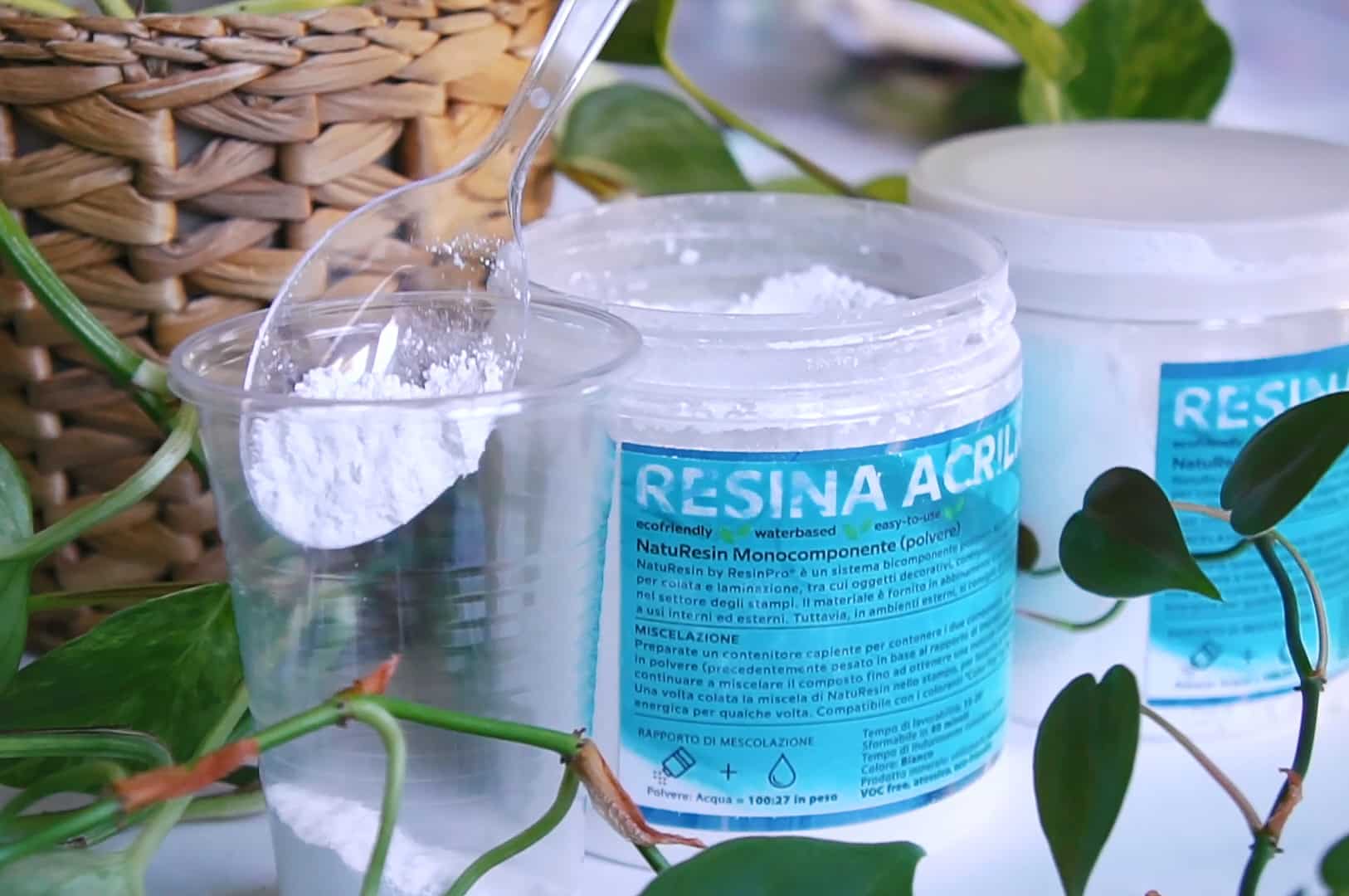
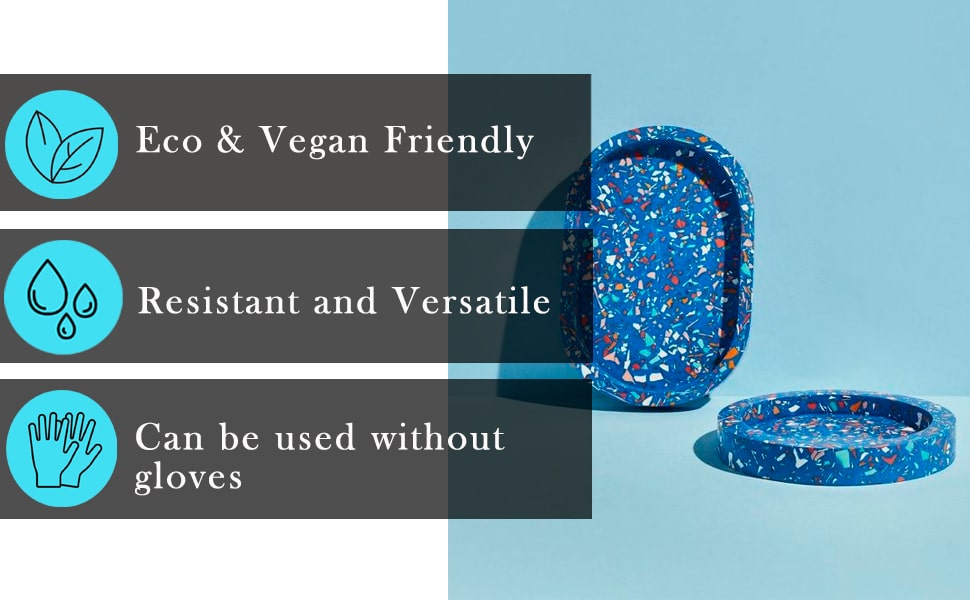
Why Decorative and Floor Resins Aren’t Suitable
Resins formulated for crafts or flooring—such as NatuResin—are engineered to provide aesthetic finishes, durability, or permeability for artistic pieces and surfaces. They lack the necessary ion exchange properties required for effective water softening, so substituting them in a softener will leave your water hard and the appliance ineffective.
When This Matters
Choosing the right type of resin is crucial any time you’re maintaining, repairing or replacing parts in a water softener. Using unsuitable materials may cause not only poor water quality but also potential damage to your softener or plumbing system.
Related products
Related guides
In summary, only specialist ion exchange resin beads should be used in water softeners. Decorative and floor resins have their place—such as in crafts or permeable flooring—but are not a substitute for softener beads. For more insights on resin types and longevity, visit our main guide on how long resin beads last in water softeners.