 Free shipping on orders over £29,85
  Shipping Tracking!


 Google
 Facebook
← Back to How to Use Silicone Rubber for Molds?
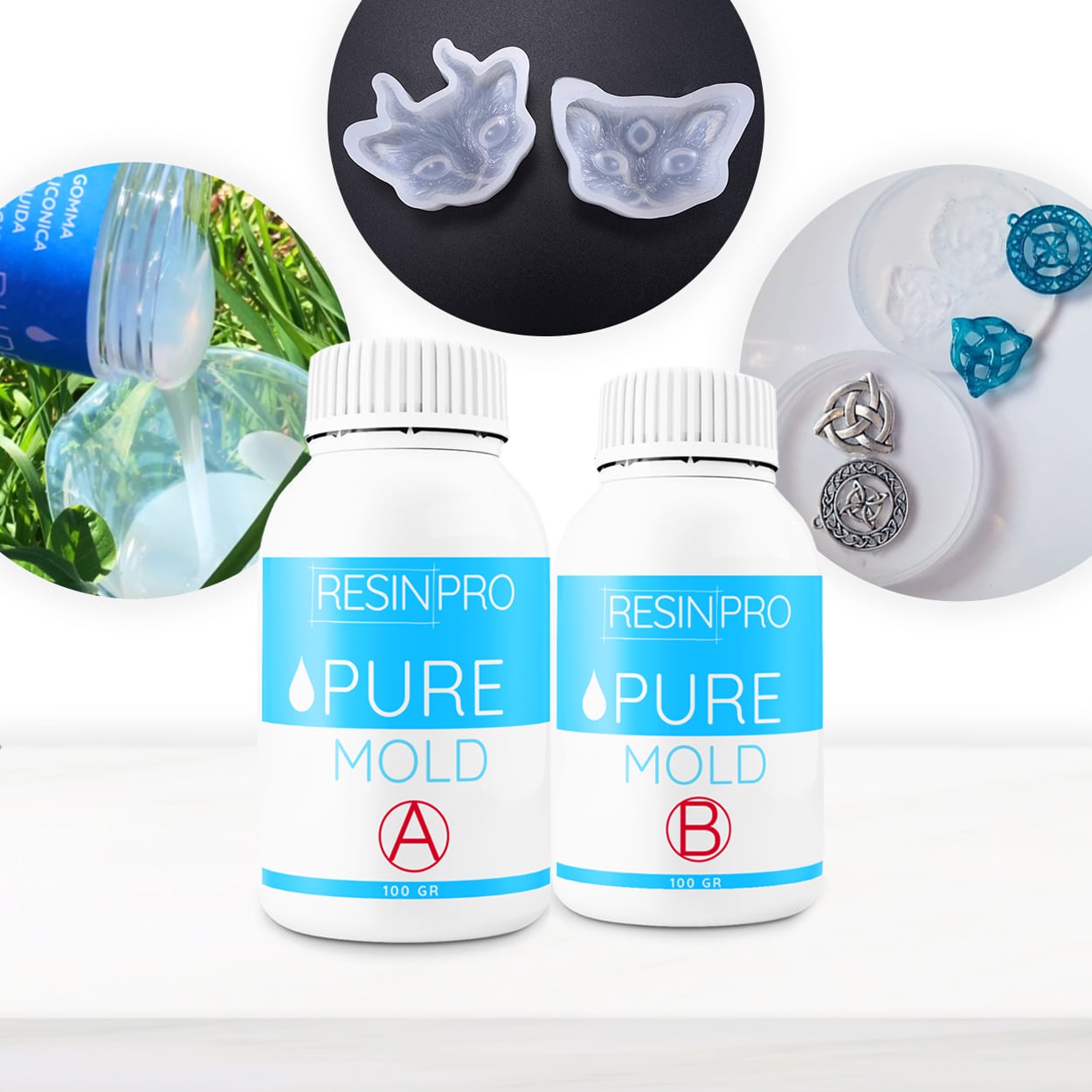
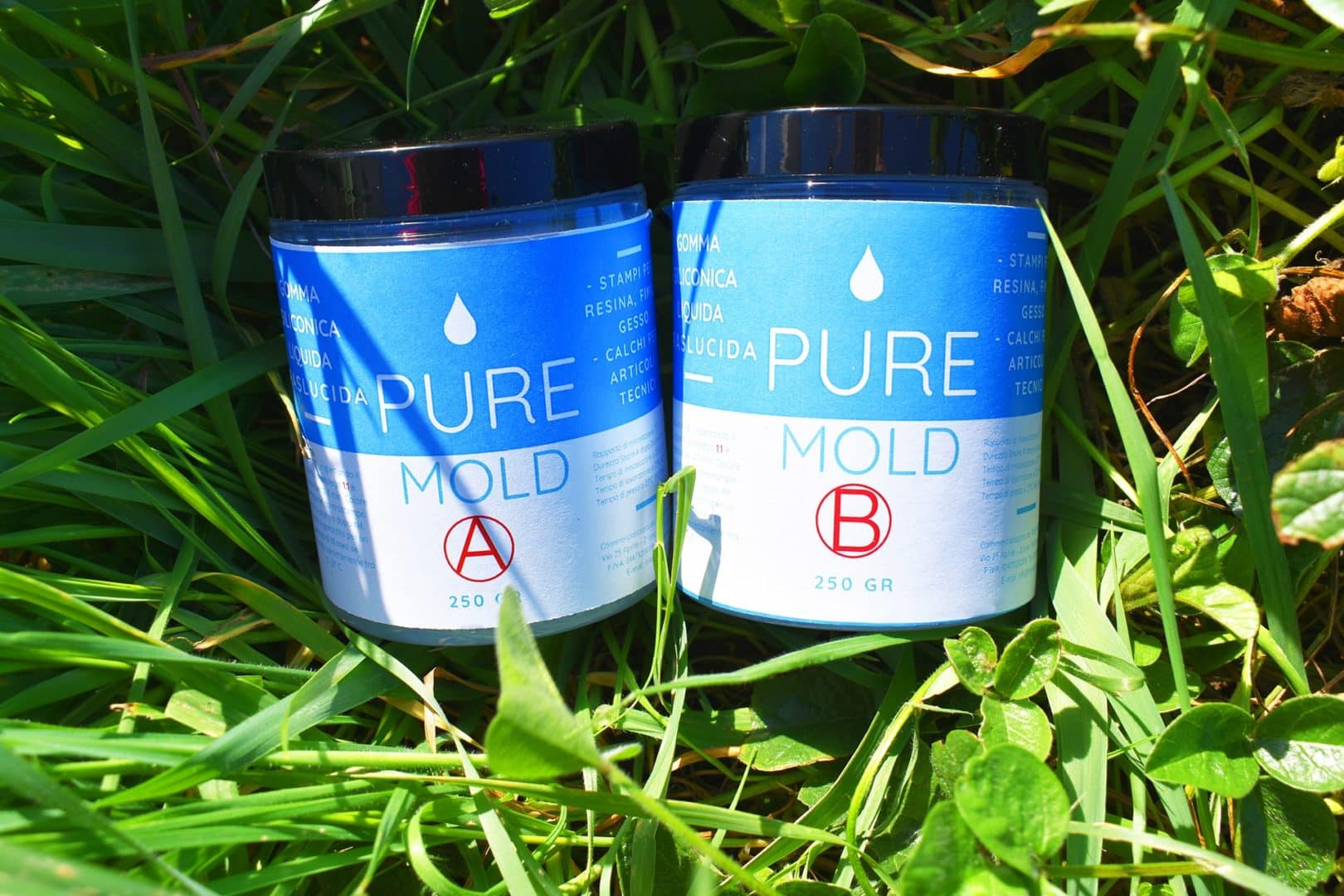
When working with silicone rubber, one common question is whether it’s possible to cast moulds directly from porous models. Getting this right means achieving clean mould releases and precise detail.
Understanding Porosity in Master Models
Porous models—such as those made from wood, plaster, or unsealed 3D prints—can absorb silicone or allow it to bond with the surface. This may result in sticking, rough textures, or damage to your master. For reliable results, it’s important to consider the nature of your model before pouring silicone.
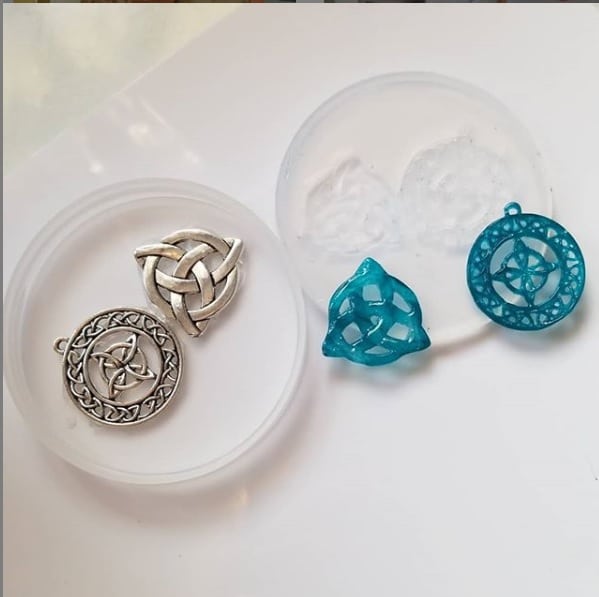
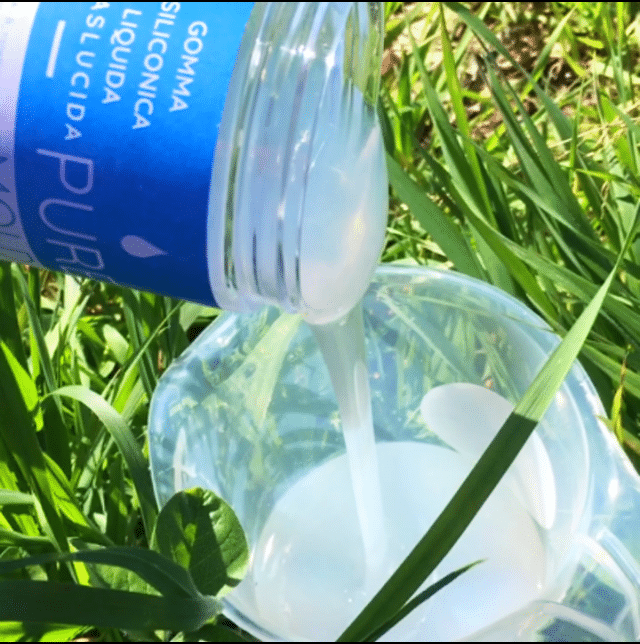
How to Prepare Porous Models for Silicone Casting
To avoid issues, always seal or treat porous models before making a mould. Application of a suitable release agent or sealant ensures silicone does not adhere permanently to the model. Lightly brush on a sealing layer compatible with your master material, allow it to cure, and then apply a release agent. For instance, when using a product such as “Pure Mould” Translucent Liquid Silicone Rubber, these preparatory steps will help prevent surface defects and mould damage.
When This Matters Most
- If you are casting from delicate or intricate originals that can be damaged by sticking.
- When using absorbent materials like plaster, stone, or unfinished wood.
- If you plan to re-use your master for multiple moulds.
Related products
Related guides
While casting silicone moulds from porous models is possible, proper surface preparation makes all the difference. For more tips and techniques, see our main guide on how to use silicone rubber for moulds.