 Free shipping on orders over £29,85
  Shipping Tracking!


 Google
 Facebook
Can molds be made with resin?
Understand the practical options for mould making and casting
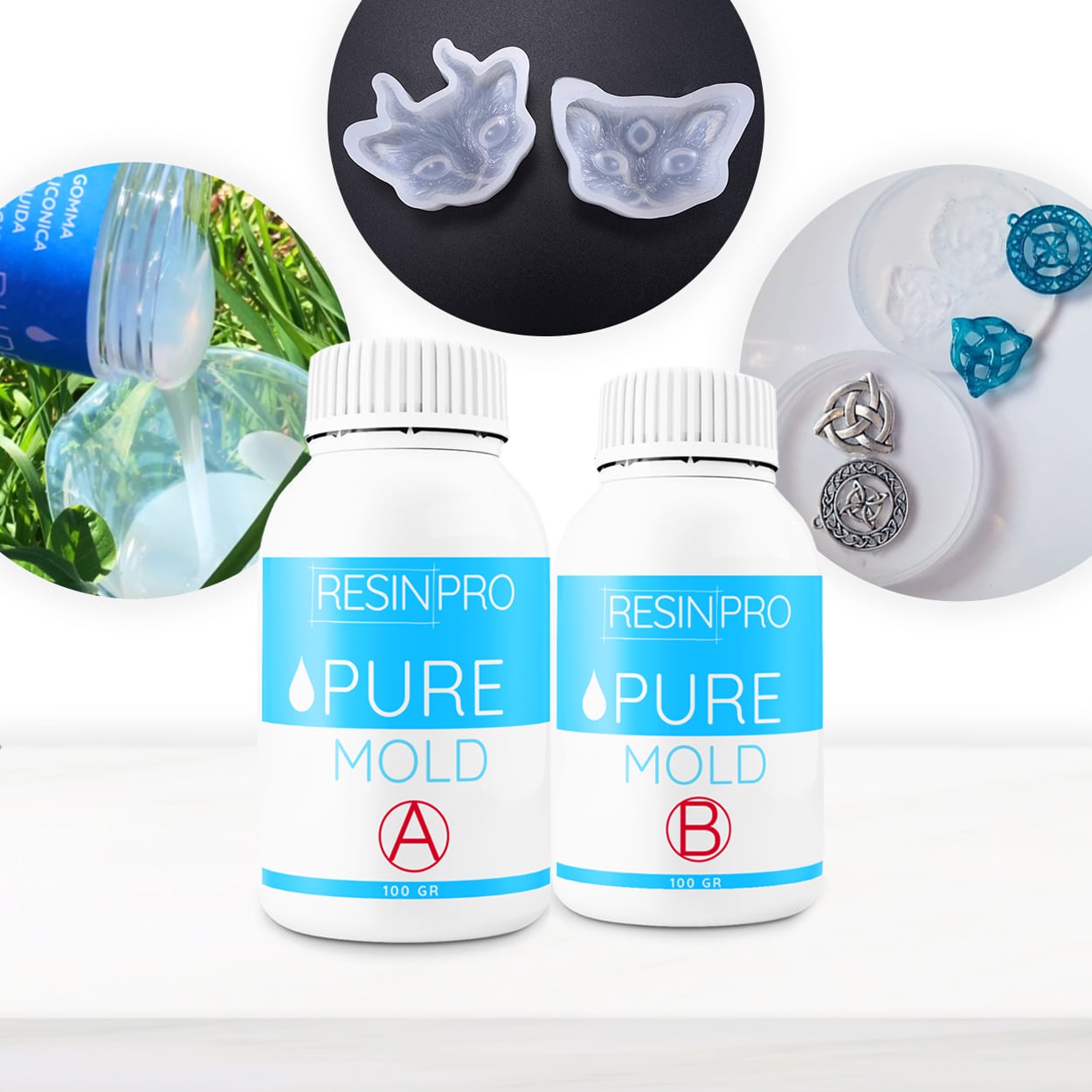
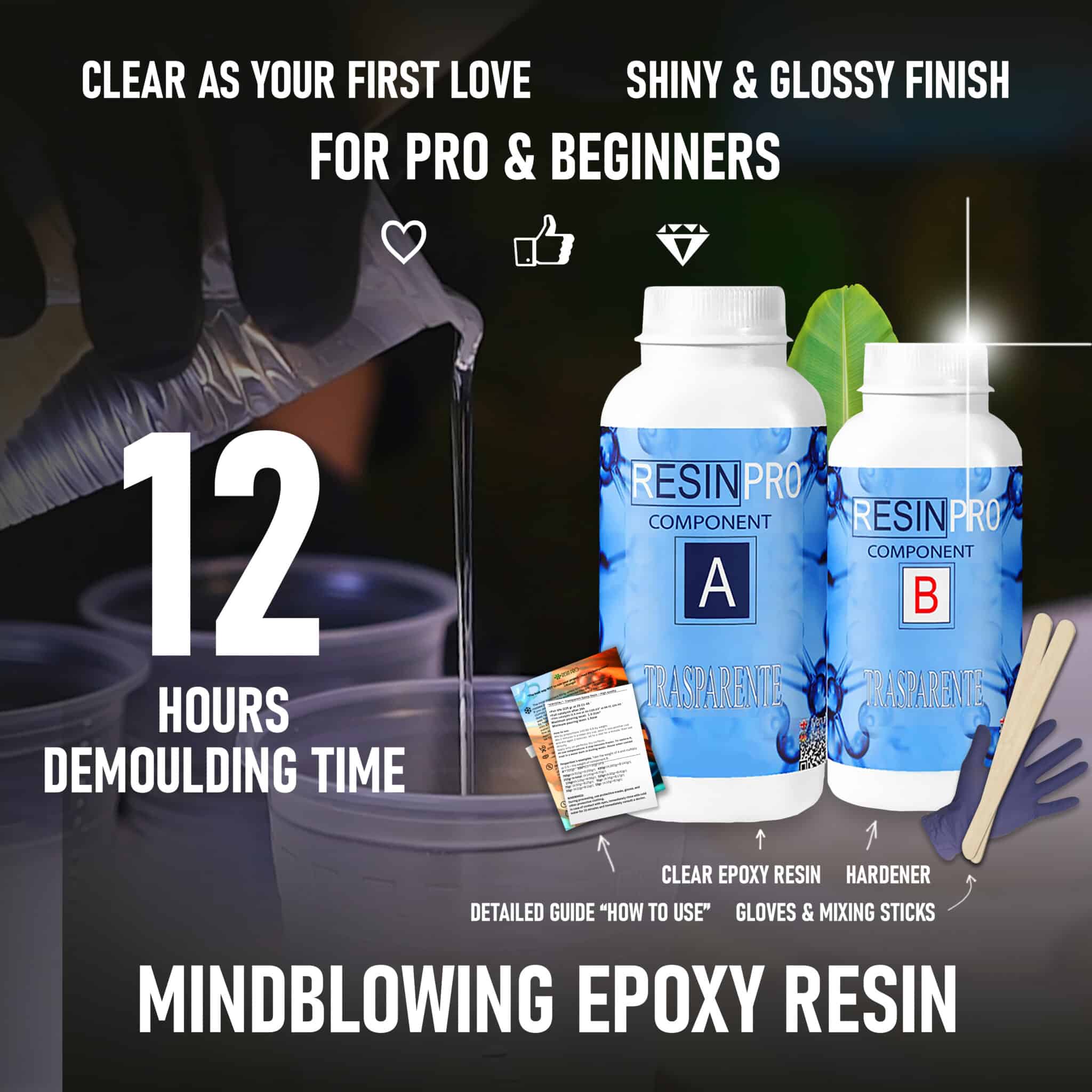
Many makers and artists wonder if they can use resin to create their own moulds, or if other materials are more suitable for this purpose. This guide offers a clear comparison between resin and dedicated mould-making products, helping hobbyists, DIYers, and professionals select the best solution for their creative casting projects—be it jewellery, art, woodworking, or decorative crafts.
Overview: Resin vs. Silicone for Mould Making
The process of mould making is essential for anyone wanting to cast objects in resin, plaster, cement, and beyond. While it might sound appealing to make a mould out of resin itself, there are important technical challenges to consider. Epoxy resins, such as those suited for casting, are rigid once cured, making them difficult to demould and prone to breaking or sticking to cast objects. On the other hand, specialised liquid silicone rubber products are designed to provide high flexibility, release properties, and durability over numerous uses.
Silicone moulds offer remarkable detail and are easy to use for both hobbyists and more experienced creators. Epoxy resin, while excellent for casting into prepared moulds, is best left for the casting process, whereas silicone is the gold standard for creating the mould itself. Dedicated silicone options like those available in our Silicone Rubbers category are formulated for safe, effective, and repeatable results.
Comparing Mould Making Materials
Silicone and epoxy resin serve very different roles in the casting process. Choose platinum silicone rubber when you want detailed, reusable moulds; select clear epoxy resin for creating transparent or decorative casts inside those flexible moulds.
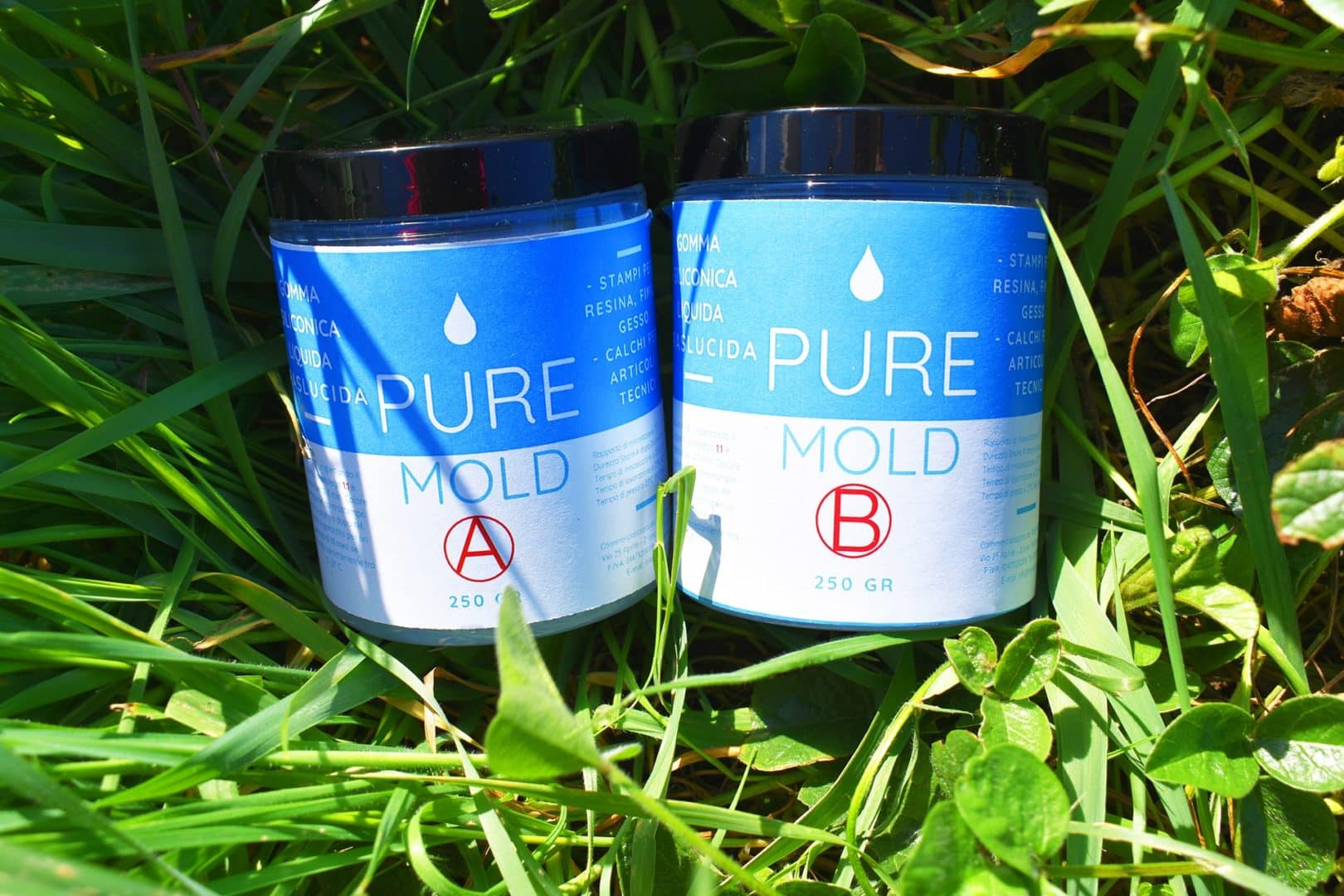
“Pure Mould” – Liquid Silicone Rubber for Professional Moulds
If your goal is to make your own detailed, reusable moulds—especially for casting resin—“Pure Mould” – Translucent Liquid Silicone Rubber for Mould Making is a top choice. This platinum-based translucent silicone offers a simple 1:1 mix ratio and cures rapidly in 3–8 hours. Its flexibility and resistance make demoulding a breeze, and its clarity allows for precise alignment and visual inspection.
PLATINUM BASED TRANSLUCENT AND FAST CASTING LIQUID SILICONE RUBBER FOR MOULDS ensures you get highly detailed and robust moulds that support repeated use, compatible with a wide range of casting materials—including all common resins, plaster, concrete, and more. It’s odourless, non-toxic, and made in Italy to strict safety standards, so it’s suitable for both professional and hobby use.
Epoxy Resins: Casting Into, Not Making the Mould
When it comes to actually casting your piece, rather than making the mould, epoxy resin shines. For most DIY and art projects, we recommend “Trasparente” – Multipurpose Clear Epoxy Resin for Casting – Up to 2cm, which delivers an ultra-clear, self-levelling finish and is perfect for layers up to 2cm thick. Its scratch resistance and built-in UV filter ensure your creations are both beautiful and durable. For finer, more intricate work—such as jewellery—“Liquidissima” – Epoxy Resin For Creations & Jewellery offers high transparency, easy flow into minute details, and reduced air bubbles.
It is important to note that attempting to make a mould solely from resin is not recommended: epoxy is too rigid and does not provide the essential flexibility needed for frequent demoulding or for capturing undercuts.
Best Practice: Use Silicone Moulds For Reliable Results
For those eager to explore the creative potential of resin casting, using a durable silicone mould is strongly advised. Products such as the “Silicone Hexagons Mould” – For Creating with Epoxy Resin – 24x21cm provide flexible, professional-grade moulds ready for immediate use. These silicone moulds are perfect for quickly producing coasters, keepsake art, decorations, and more—while avoiding sticking, cracking, or difficult demoulding encountered with rigid mould materials.
Creative Applications & Ideas
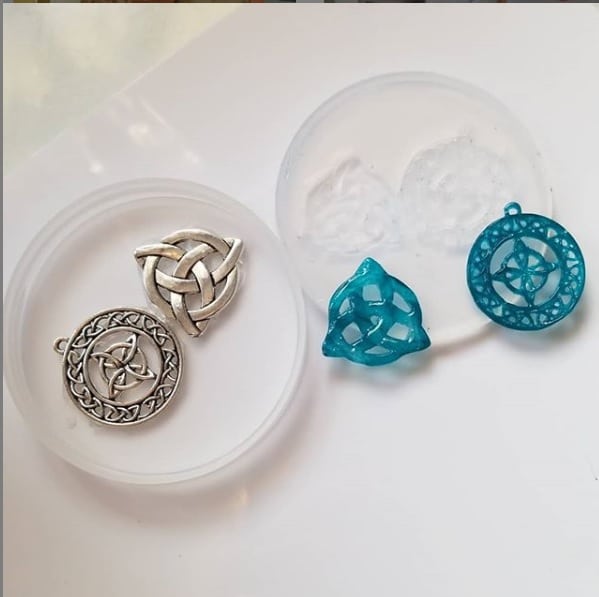
Pairing the right resin and silicone mould opens up endless creative possibilities: from unique jewellery and keepsakes to decorative coasters, art objects, and functional DIY items—all with professional-level detail and finish.
Tips for Successful Mould Making and Resin Casting
For best results, always match your mould-making material to your casting resin and project requirements. Silicone is ideal for complex shapes and frequent use due to its non-stick, reusable and highly flexible qualities. Ensure your mould surface is free from contaminants, and avoid sharp undercuts unless using very soft silicone. If creating your own mould, mix silicone rubber carefully as instructed to match the exact 1:1 ratio, and allow the full cure time for dimensional stability. For resin casting, pour slowly to reduce bubbles and allow adequate curing as per manufacturer instructions. Remember, well-made silicone moulds can be used repeatedly, making them a practical investment for creative hobbyists and professionals alike.
- "Pure Mould" – Translucent Liquid Silicone Rubber for Mould MakingPrice range: £23.95 through £166.95"Pure Mould" is a translucent liquid silicone rubber designed for mould making compatible with various materials including resins and plaster.
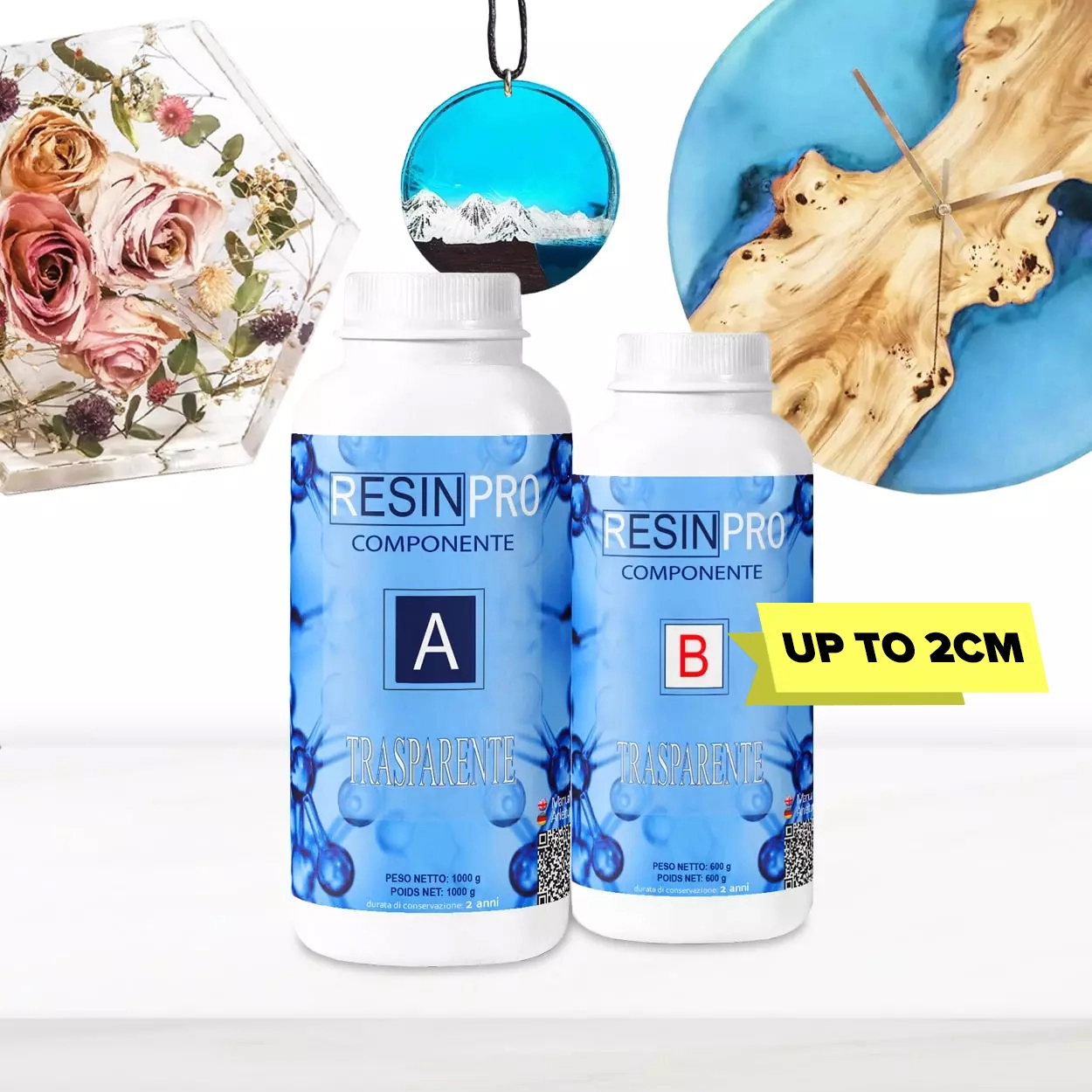 "Trasparente" – Multipurpose Clear Epoxy Resin for Casting – Up to 2cmPrice range: £8.95 through £397.95"Trasparente" is a multipurpose clear epoxy resin suited for detailed castings and table projects, offering a self-levelling, glossy finish up to 2cm…
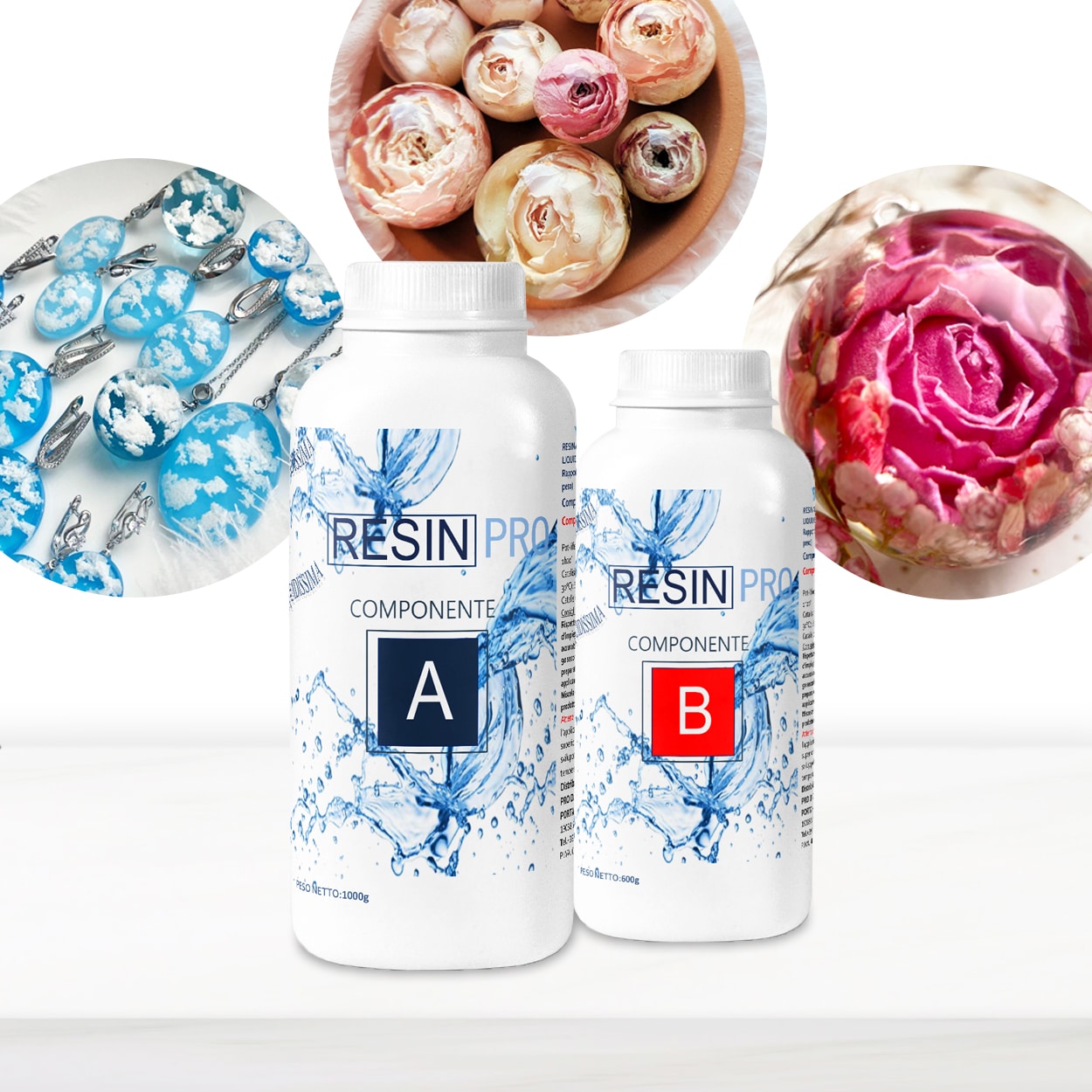 "Liquidissima" – Epoxy Resin For Creations & JewelleryPrice range: £12.85 through £31.85Liquidissima epoxy resin is designed for intricate moulds, offering high transparency and a self-levelling finish suitable for resin jewellery.
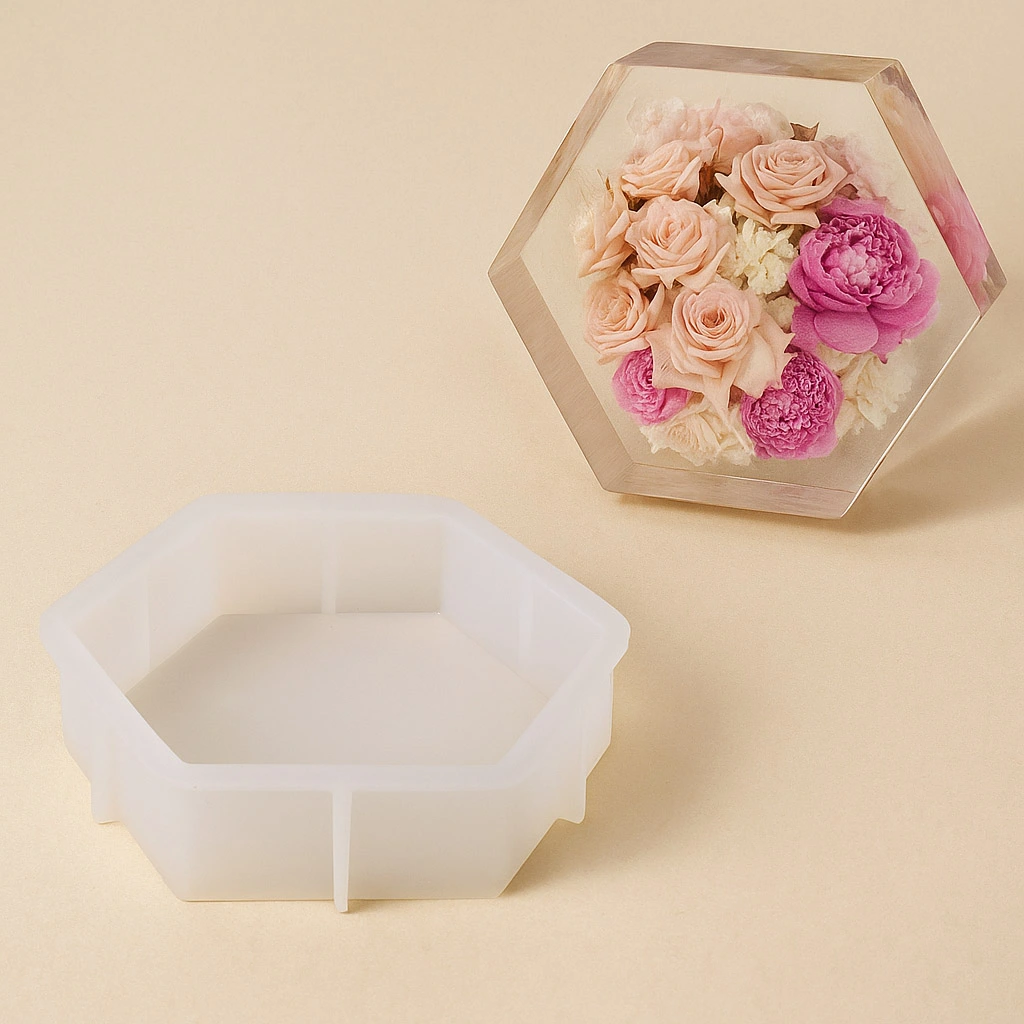 "Silicone Hexagons Mould" – For Creating with Epoxy Resin – 24x21cmOriginal price was: £13.95.£11.85Current price is: £11.85.Flexible silicone hexagon mould designed for making decorative objects and coasters with epoxy resin.
Frequently Asked Questions
Can I use curing resin as the actual mould?
Epoxy resin becomes very rigid when cured, making it hard to demould objects and unsuitable for detailed or reusable moulds. Silicone is better suited.
What is the best material for making moulds for resin casting?
Platinum-cure silicone rubber is ideal due to its flexibility, release properties, and ability to capture fine details for repeated use.
Are silicone moulds reusable for resin casting?
Yes, high-quality silicone moulds can be used many times as long as they are cared for and cleaned between uses.
Is epoxy resin recommended for making moulds?
No, epoxy resins are intended for casting objects, not for making the mould itself. Silicone offers much better performance as a mould-making material.
What type of epoxy is best for use with silicone moulds?
"Trasparente" is great for clear casts up to 2cm thick. For fine details, "Liquidissima" epoxy resin gives maximum clarity and flow.
What can I do if my resin sticks to the mould?
Ensure you use a high-quality silicone mould and that it is clean. Avoid using resin as a mould material because it lacks the needed release properties.