 Free shipping on orders over £29,85
  Shipping Tracking!


 Google
 Facebook
← Back to How do you colour silicone rubber?
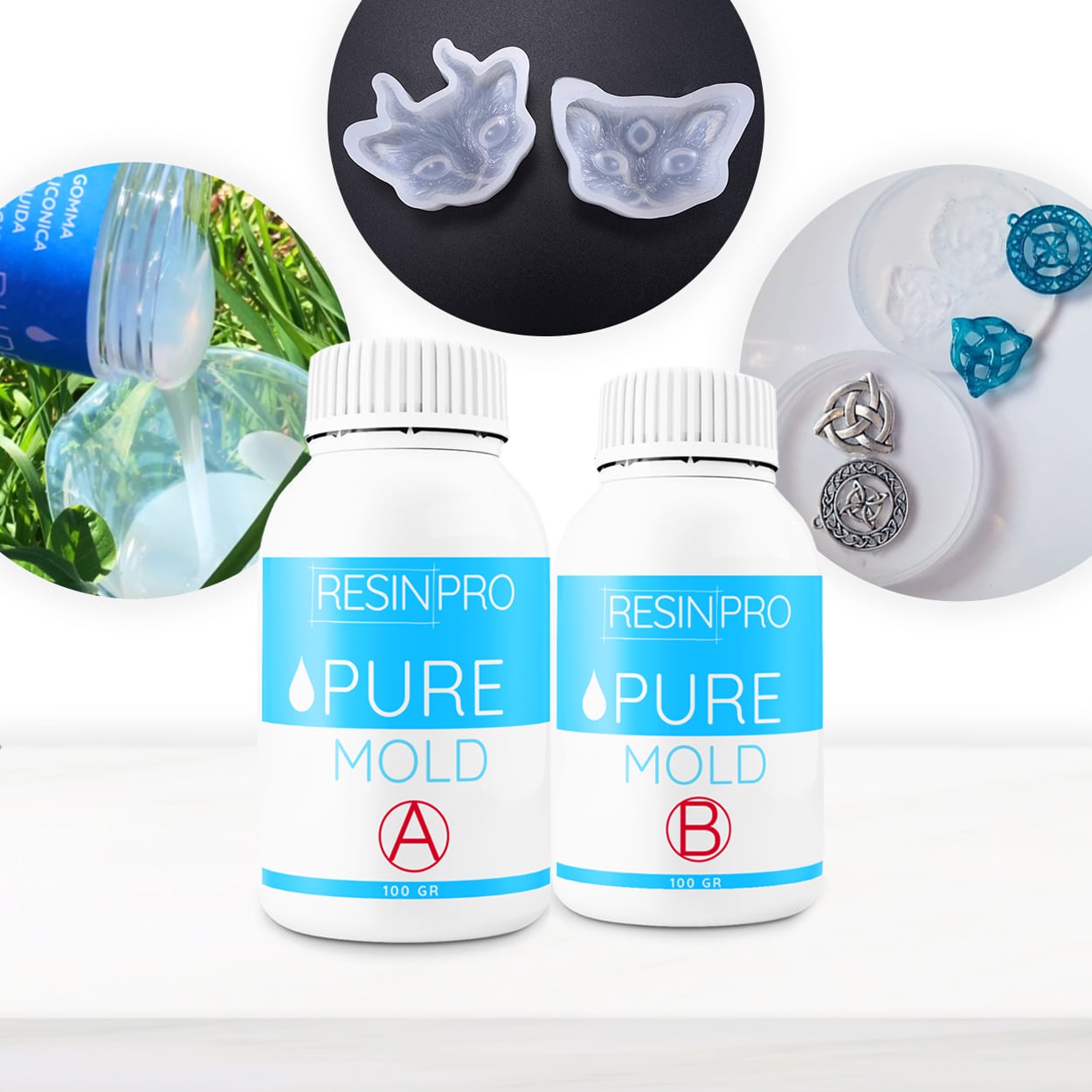
If you’re considering adding colour to your silicone rubber creations, you might wonder whether ordinary acrylic paint will do the trick. Let’s explore the best ways to achieve long-lasting, vibrant colours with silicone rubber.
Why Acrylic Paint Isn’t Suitable for Silicone
Although acrylic paint offers versatility across many surfaces, it’s not recommended for colouring silicone rubber. Acrylic and other water-based paints do not mix well with silicone and may even interfere with the curing process. This incompatibility can lead to soft or sticky results and poor colour fastness, meaning your project won’t achieve the durability or vibrancy you might expect.
The Right Way to Colour Silicone Rubber
For the best results, always use silicone-based pigments or dyes. These are specifically formulated to blend with the silicone material during mixing and won’t affect how the silicone cures. If you’re starting out, look for transparent products such as “Pure Mould” translucent silicone rubber, which allow pigments to show through clearly. Simply add the pigment to the mixed silicone before pouring into your mould for an even, consistent tone.
When This Advice Matters
Choosing the correct colouring method is crucial for projects where quality, detail, and durability count. Whether crafting detailed moulds, artistic reproductions, or functional items, using the right pigments ensures your silicone retains its structure and attractive appearance over time.
Related products
Related guides
In summary, skip the acrylics and opt for silicone-based pigments when colouring your silicone rubber projects. This approach helps preserve the quality of your moulds and links directly to broader advice on how to colour silicone rubber for the best results.