 Free shipping on orders over £29,85
  Shipping Tracking!


 Google
 Facebook
← Back to How to make an eraser using silicone?
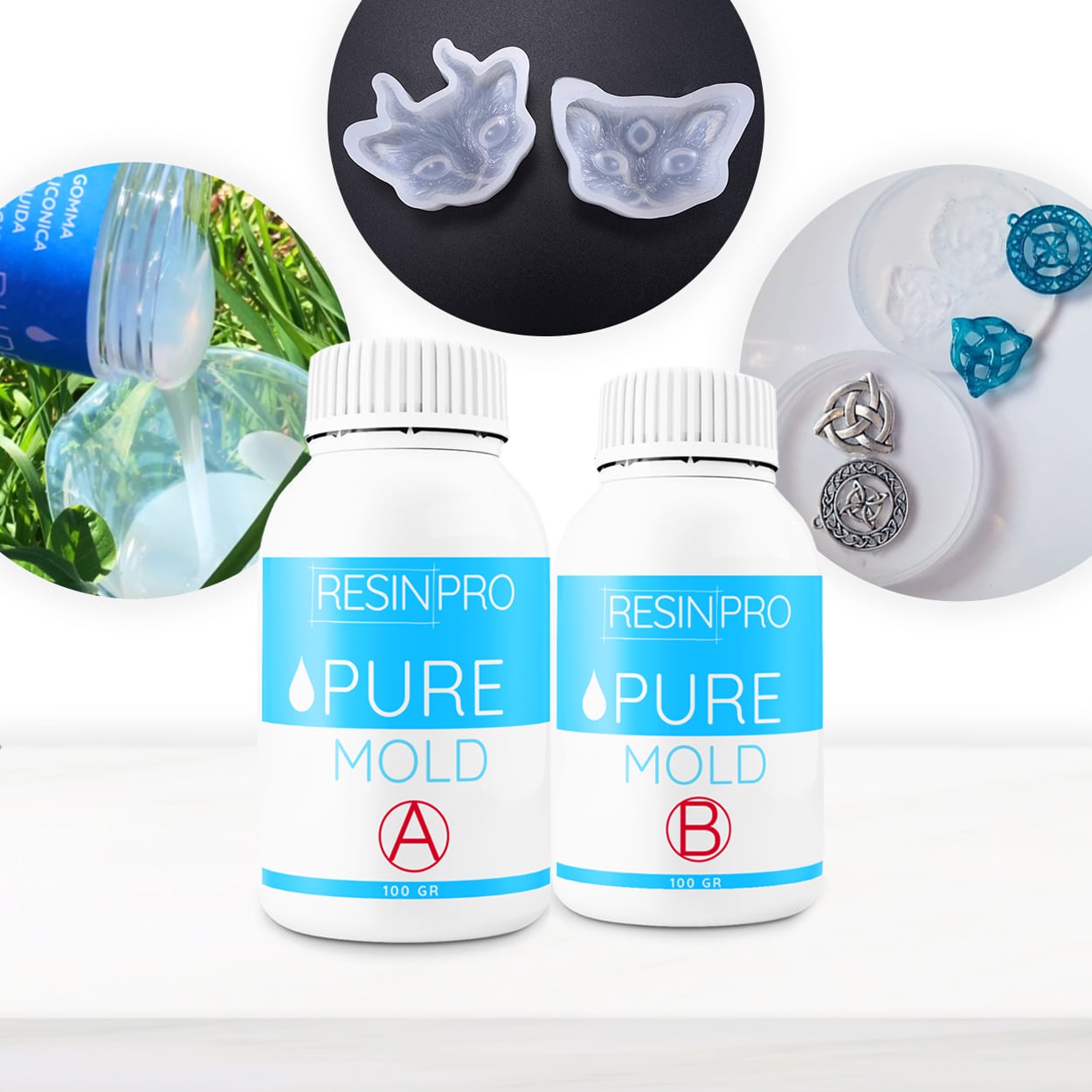
When making DIY erasers with silicone, selecting a non-toxic, skin-safe formulation is essential. The right product ensures safety during creation and peace of mind when handled regularly.
Understanding Non-Toxic and Skin-Safe Silicone
Non-toxic silicone is manufactured to limit harmful substances and unpleasant odours, making it more comfortable and safer to use at home or in workshops. For eraser making, always check that the silicone is labelled as non-toxic and, ideally, certified by relevant standards. Skin-safe means you can confidently handle the material without gloves, reducing irritation risks for most users.
Selecting the Best Silicone for Eraser Creation
For small-scale eraser projects, ease of use and fast curing can simplify the process. “Pure Mould” – Translucent Liquid Silicone Rubber offers a fast curing time, translucency, and is certified non-toxic and solvent-free, making it a reliable choice. Alternatively, “I–Gum” Non-Toxic Silicone Putty provides a hands-on approach, mixing easily without unpleasant smells and can be shaped directly around your model. Both options help you avoid unnecessary exposure to potentially unsafe chemicals while still achieving detailed moulds.
When This Matters Most
- Projects for children or schools, where safety is a prime concern
- Repeated skin contact with erasers or leftover material
- Indoor crafting, particularly where ventilation is limited
Related products
Related guides
Choosing a non-toxic, skin-safe silicone lays a strong foundation for making erasers at home with confidence. Explore the full process in our main guide on how to make an eraser using silicone.