 Free shipping on orders over £29,85
  Shipping Tracking!


 Google
 Facebook
← Back to How to make silicone rubber at home?
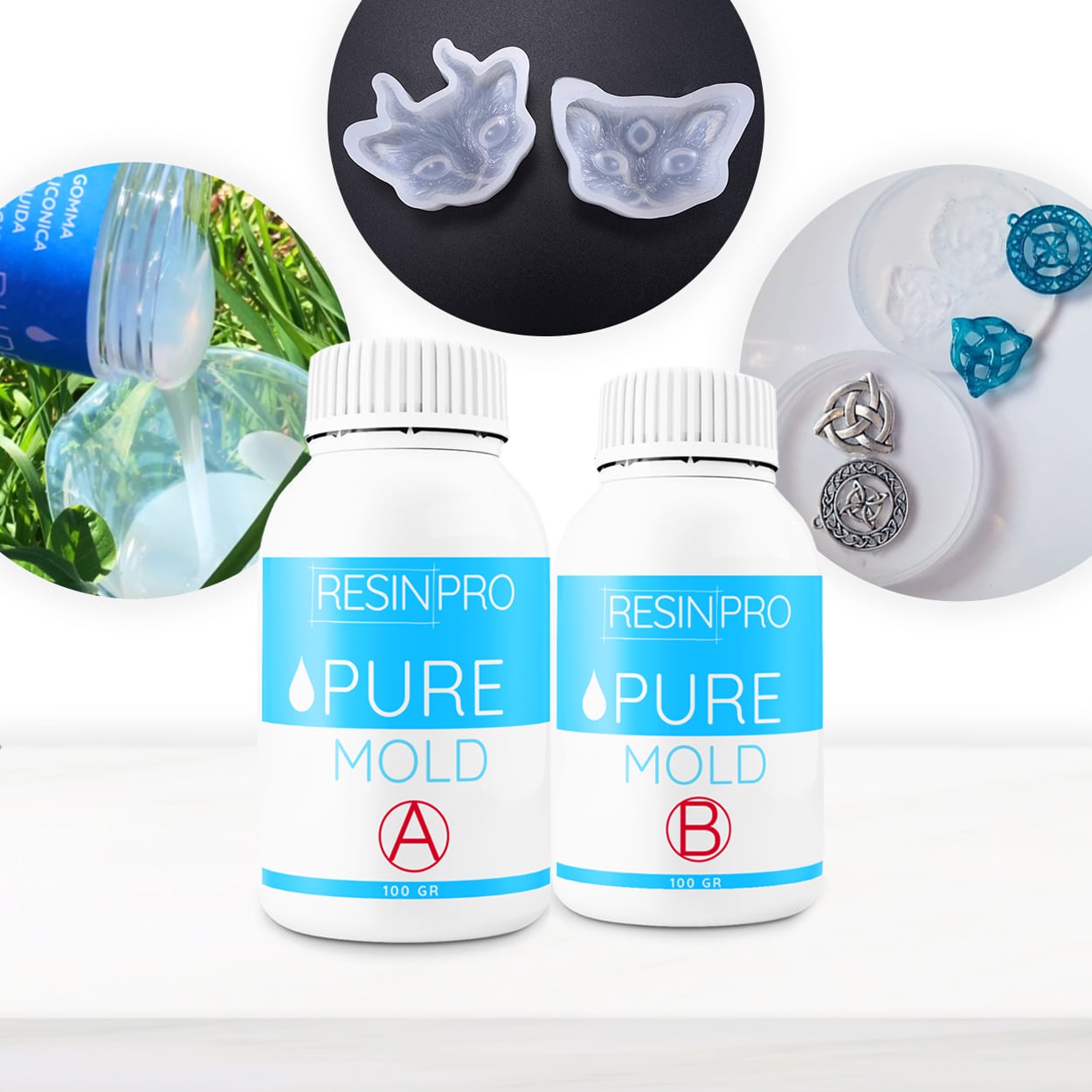
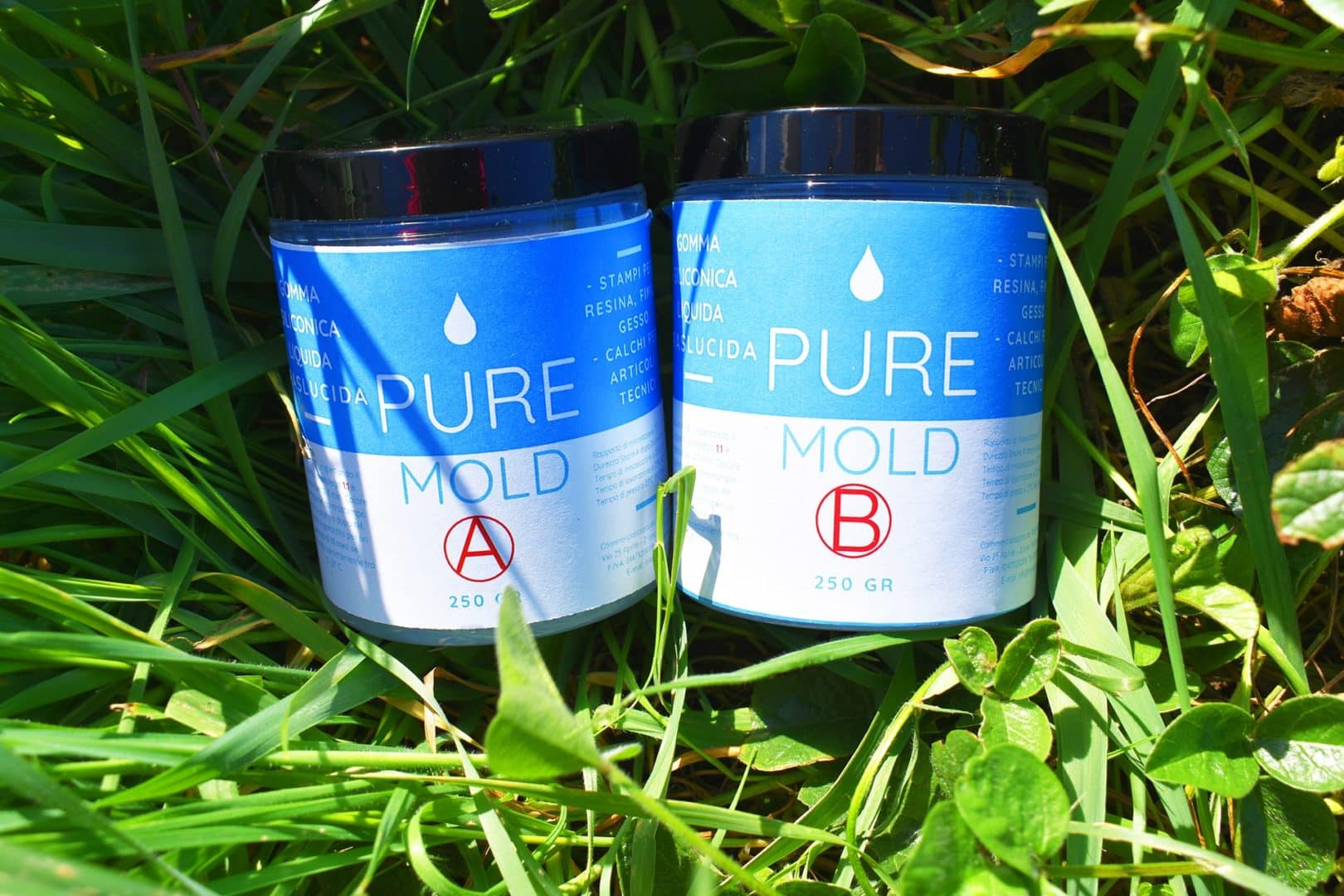
When creating silicone moulds at home, the type of silicone you select makes all the difference. The complexity of your project, from basic casts to fine, detailed or multi-part moulds, should dictate your choice of material for the best results.
Understanding Project Complexity
The first step in choosing silicone rubber is assessing your project’s demands. Simple shapes without intricate features can use basic putty silicones, while highly detailed or undercut models require casting liquid silicones capable of capturing fine details and replicating complex geometry.
- Simple shapes: Coasters, plaques, or flat objects.
- Medium complexity: Decorative pieces with surface detail.
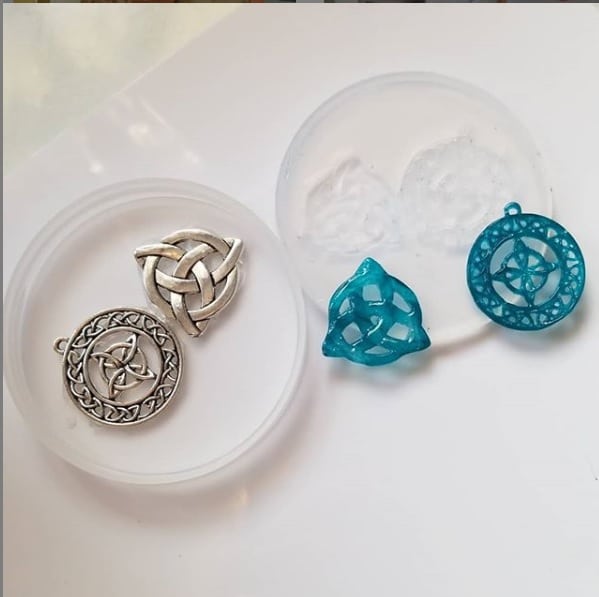
- High complexity: Jewellery, figurines, or items with noticeable undercuts.
Choosing the Best Silicone Type
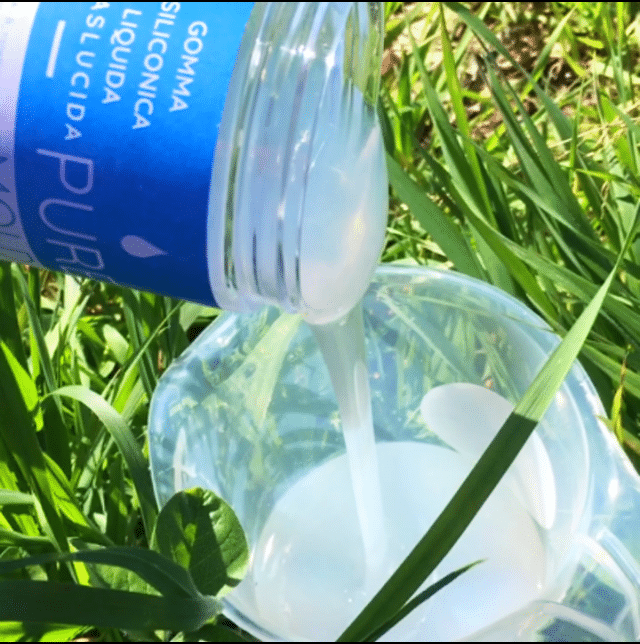
Silicone rubber products vary in consistency and formulation. For quick and straightforward moulds, silicone putty like “I–Gum” Putty offers a 1:1 mix and easy hand shaping. Liquid silicones, such as “Pure Mould”, suit larger or complex moulds thanks to their ability to flow into fine details and minimise shrinkage. For highly intricate work with complex undercuts, a bi-component casting silicone like “Liquid Mould” is ideal, as it captures precise textures and can handle repeated use.
When Project Complexity Really Matters
Choosing an unsuitable silicone can result in lost detail, mould tearing, or extra finishing work. Opt for a product matched to your design’s complexity—especially if you need to recreate sharp details or complex shapes repeatedly. Hobbyists and professionals alike benefit from spending the time to match material to task.
Related products
Related guides
Your project’s success starts by pairing complexity with the right silicone type. For more in-depth guidance on making silicone rubber at home, visit our main guide on How to Make Silicone Rubber at Home.