 Free shipping on orders over £29,85
  Shipping Tracking!


 Google
 Facebook
← Back to How to make moulds for epoxy resin?
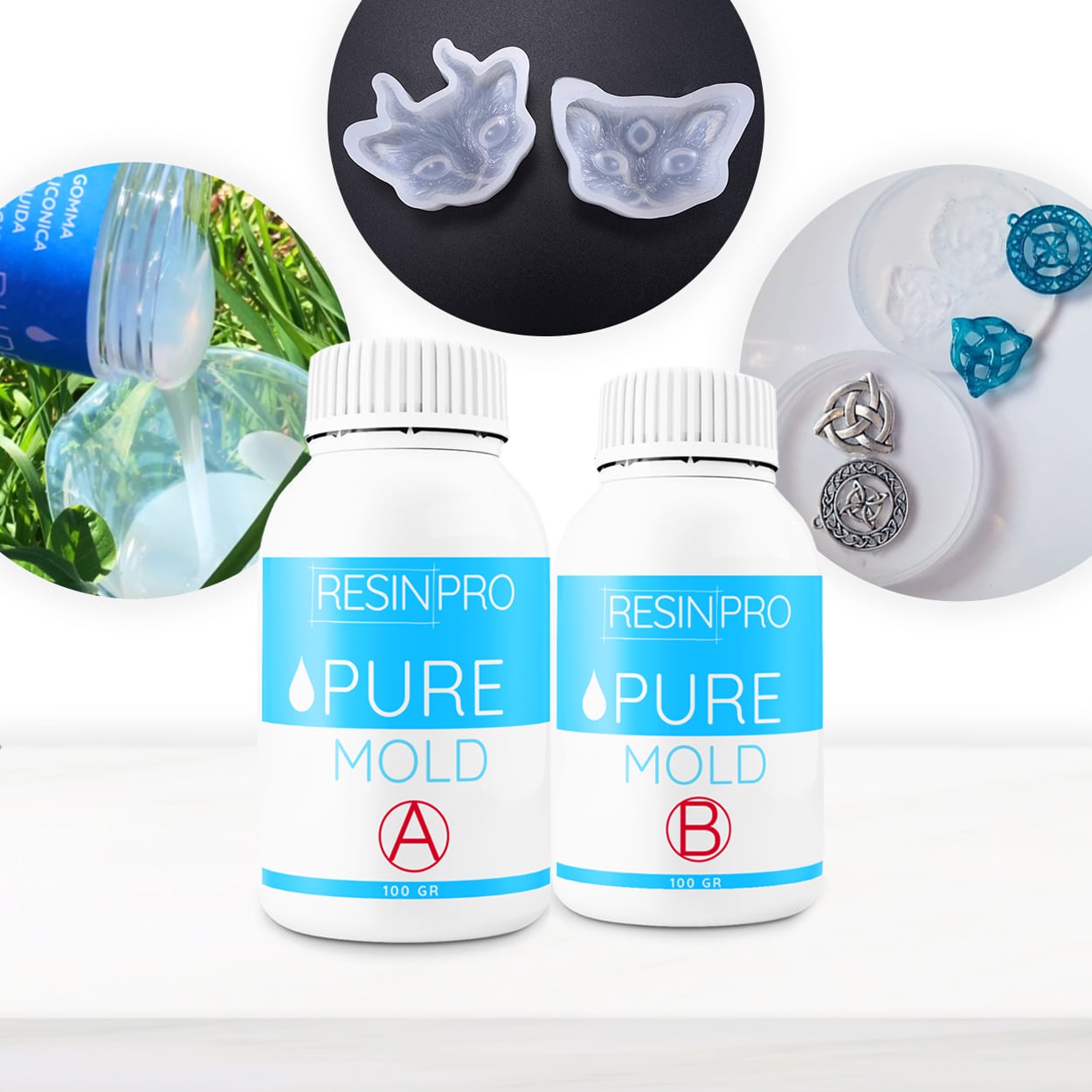
Choosing the right silicone for creating moulds is key to the success of any epoxy resin casting project. The size and intricacy of your piece will shape which silicone type fits best, ensuring clean releases and sharp detail.
Understanding the Influence of Project Size
Larger resin projects generally require mould silicones that provide structural integrity while still maintaining some flexibility for easy demoulding. Opt for silicones with a balanced shore hardness — not too soft, but not rigid — to prevent distortion in big casts. For small items, especially those with intricate patterns, softer and more fluid silicones like “Pure Mould” liquid silicone rubber can flow around fine details with ease.
Detail and Shore Hardness: Choosing a Match
The “shore” rating of a silicone refers to its hardness. Lower shore numbers (softer silicones) are perfect for capturing tiny textures and making it simple to pull out objects with undercuts. Products like “Liquid Mould” casting liquid silicone, which come in a range of shore ratings, make it easier to find a suitable match for your project’s level of detail. If working with even the smallest motifs, selecting a silicone specifically designed for fine detail, such as shore 20 or lower, is often best.
Practical Buying and Usage Tips
- Evaluate whether you need a pourable liquid (for high-detail, complex shapes) or a putty (for quick, smaller moulds).
- Always check the recommended mixing ratios and curing times to fit your schedule and experience.
- For most creative resin work, a translucent silicone like “Pure Mould” helps you monitor the moulding process and spot issues early.
When This Matters Most
Pay special attention to silicone choice if you’re making jewellery, miniatures, or pieces with deep undercuts. The right product ensures retention of every feature and easier, safer demoulding without damage to your work or the mould.
Related products
Related guides
Selecting your mould making silicone with project size and detail in mind brings reliable results and fewer casting frustrations. For more expert guidance and mould making solutions, visit our full guide on how to make moulds for epoxy resin.