 Free shipping on orders over £29,85
  Shipping Tracking!


 Google
 Facebook
← Back to How to Make DIY Silicone Rubber
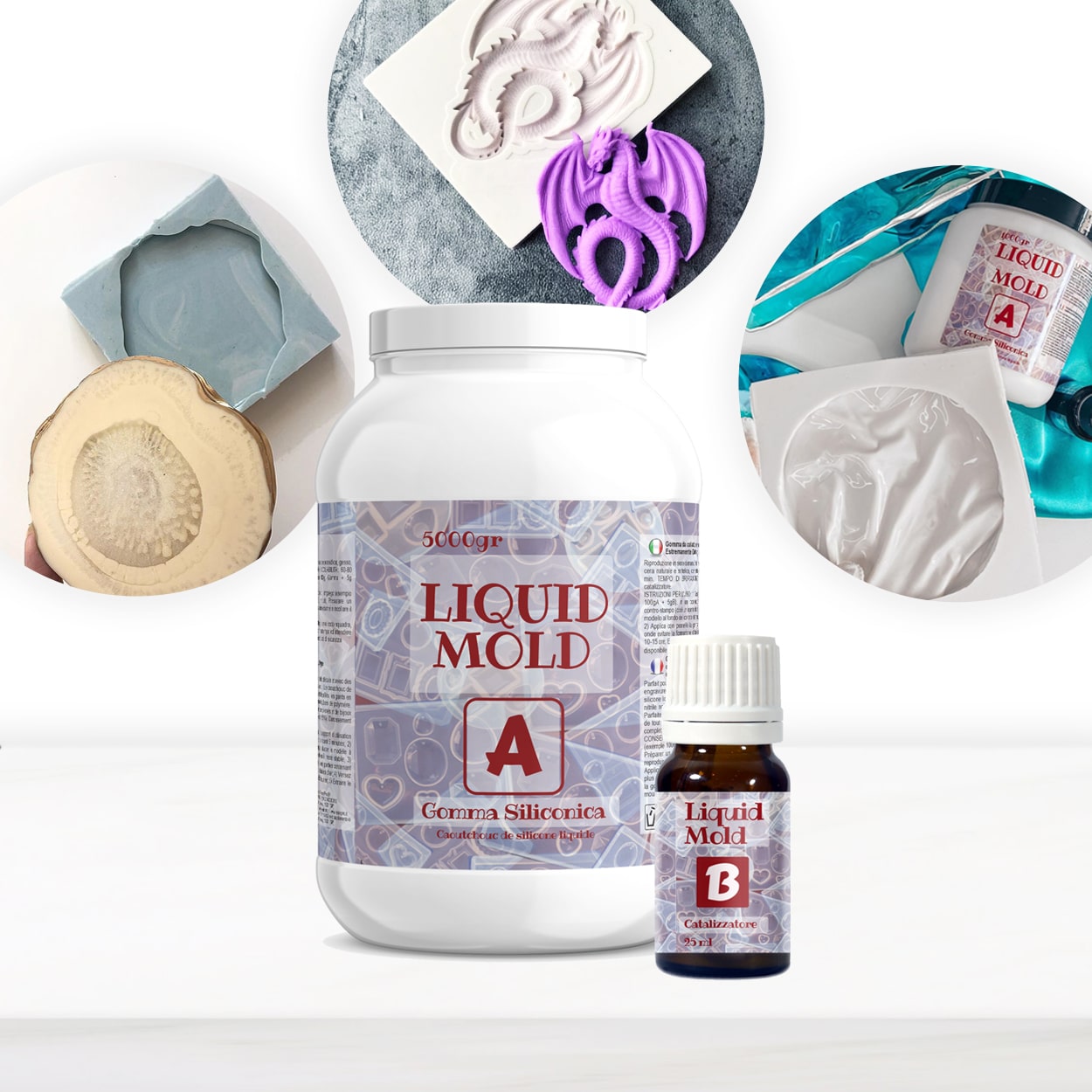
Selecting the right silicone rubber is essential for getting the best results from your DIY moulding projects. The ideal type depends on what you are casting and how much detail or speed you require.
Liquid Silicone Rubber for Fine Detail
If you are looking to replicate intricate or highly detailed items, liquid silicone rubber is usually the best choice. Its flowability enables it to penetrate crevices and capture every small feature. For example, products like “Liquid Mould” – Casting Liquid Silicone Rubber and “Pure Mould” – Translucent Liquid Silicone Rubber are excellent for making moulds with noticeable undercuts or fine details, and are suitable for jewellery, resin pieces, wax models, or complex figurines.
Silicone Putty for Speed and Simplicity
For quick impressions and less intricate subjects, silicone putty offers a practical solution. It is easy to mix and shape directly onto your object, making it well-suited for coasters, decorative frames or where speed is important. An option like “I–Gum” Non-Toxic Silicone Putty provides a convenient 1:1 mix ratio and can be handled without gloves due to its non-toxic properties.
When Detail and Reproduction Matter
Choosing the correct silicone rubber becomes especially important when your project requires repeated use, high durability, or accurate reproduction of complex shapes. For long-lasting moulds and reliable results, opt for a liquid variety with suitable mechanical properties and compatibility with your casting material.
Related products
Related guides
By matching silicone rubber type to your project needs, you ensure the quality and reliability of your moulds. Discover more ways to make your own DIY silicone rubber by visiting our main guide to How to Make DIY Silicone Rubber.