 Free shipping on orders over £29,85
  Shipping Tracking!


 Google
 Facebook
← Back to How to use two-component resin for artists?
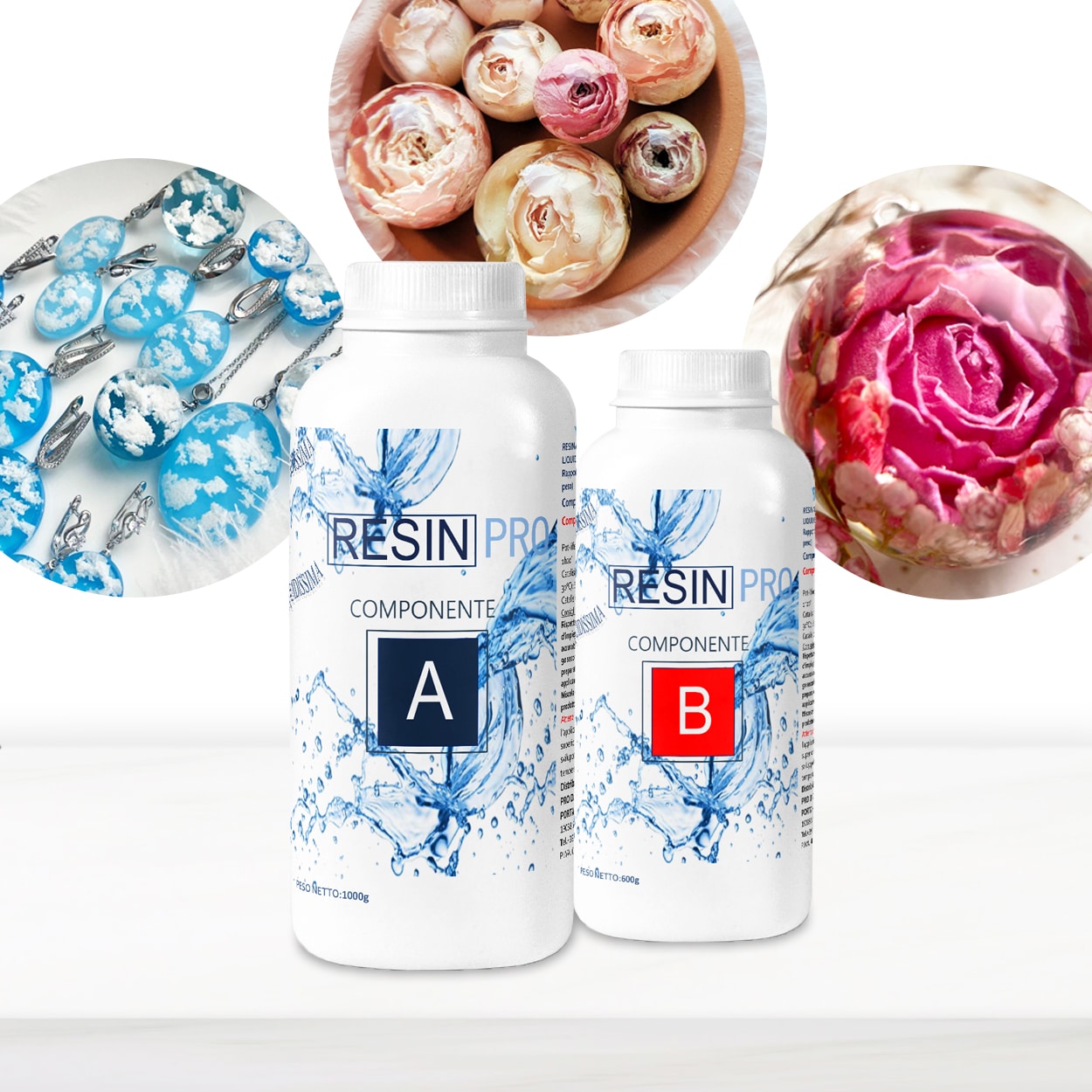
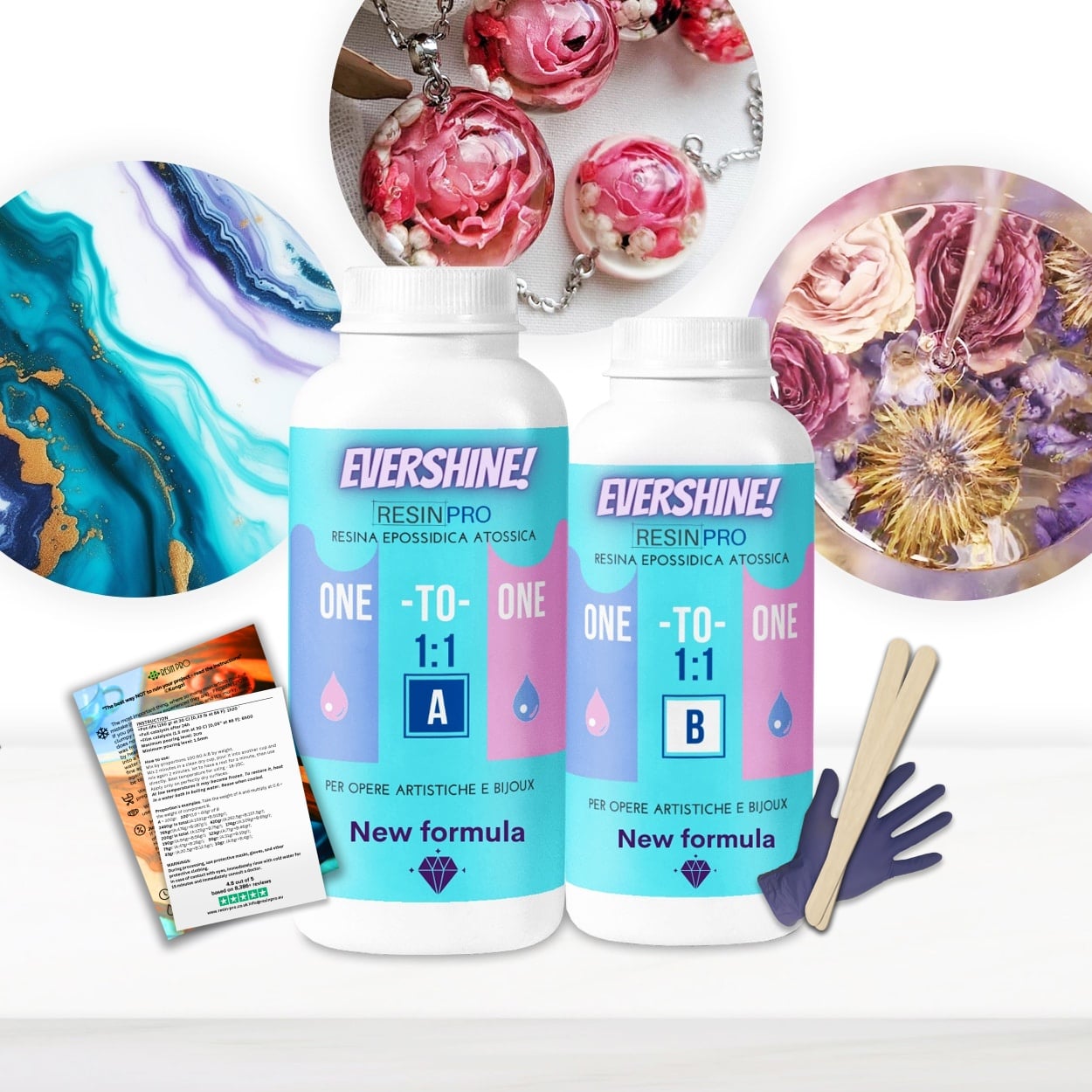
Choosing the right two-component resin is key to achieving the best results in your art or jewellery project. With numerous options available, understanding their properties will help you make an informed decision tailored to your creative vision.
Understanding Resin Viscosity and Purpose
Viscosity, or the thickness of the resin, is one of the most important factors to consider. Lower viscosity resins are ideal for casting and filling intricate moulds. Their fluidity allows them to flow easily and capture fine details, making them perfect for jewellery or detailed decorative pieces. In contrast, higher viscosity resins are better suited for surface coatings and techniques where controlled application and line definition are important, such as geode art or layered paintings.
- If you are working with detailed moulds or wish to create transparent pendants, a low-viscosity resin like Liquidissima is recommended.
- For surface art requiring crisp lines and minimal colour blending, a thicker formula such as Art Pro Deluxe may provide the control you need.
Mixing Ratios and Application Tips
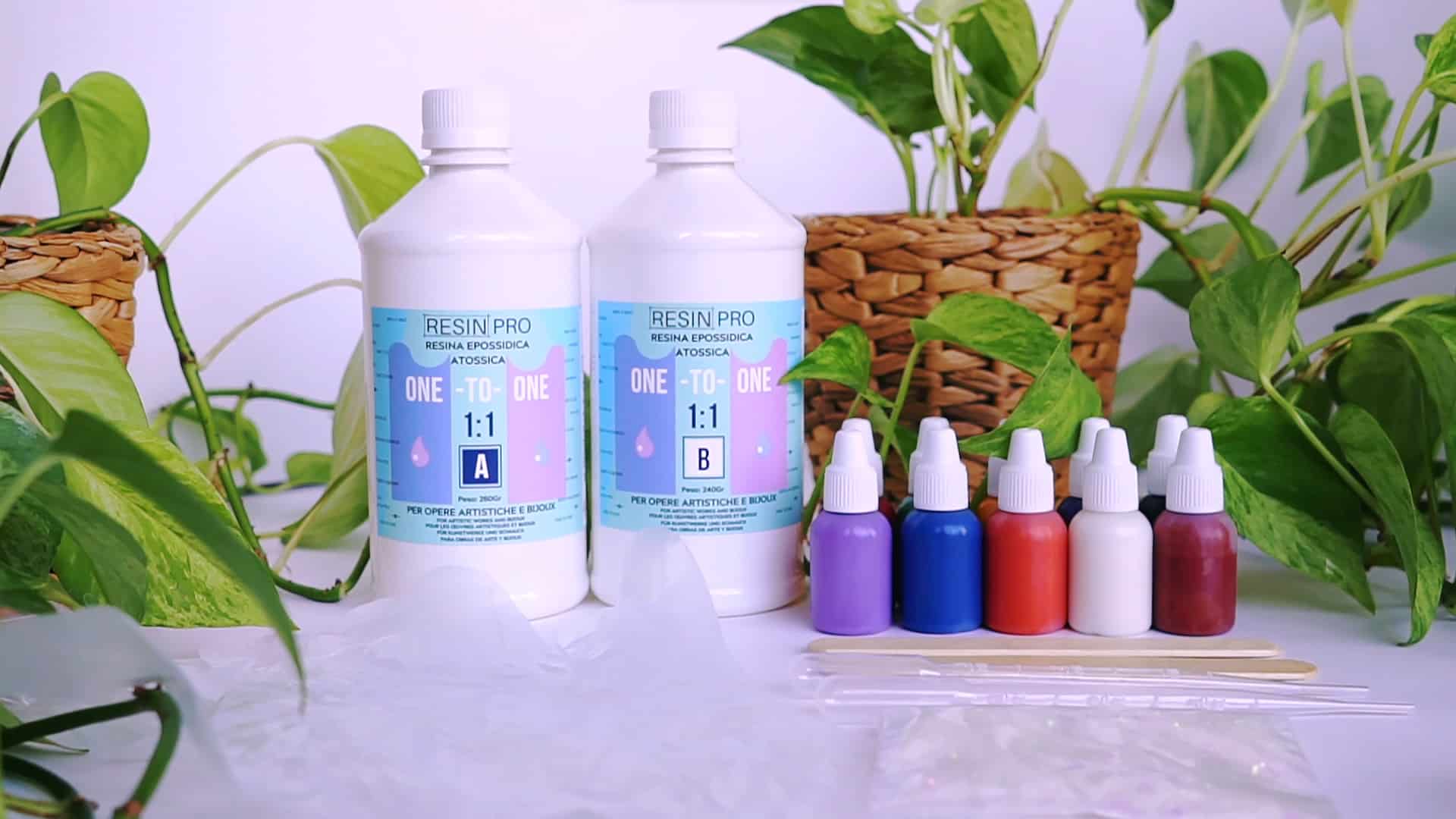
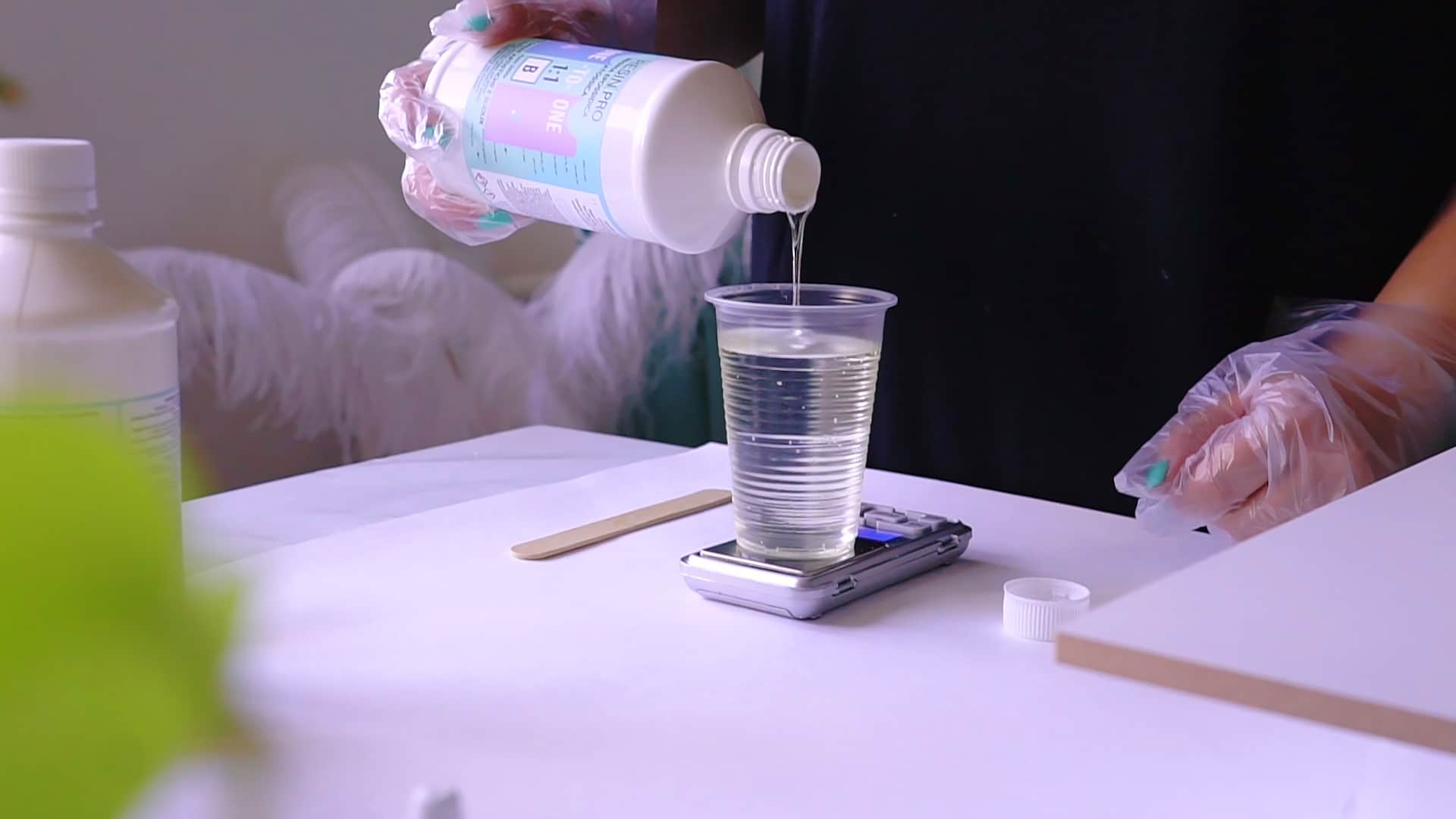
It is crucial to follow the specific mixing ratio set by each resin. Some products require mixing by weight, while others—such as One-2-One—are mixed by equal parts volume, simplifying preparation for beginners. Always use clean tools and measure ingredients accurately to ensure a proper cure. If working with surface designs, consider a medium to high viscosity resin for more line control and reduced risk of colours blending unintentionally.
When Viscosity and Selection Matter Most
Carefully selecting your resin type becomes especially important when you need to avoid bubbles, achieve high clarity, or when working with detailed forms. A low-viscosity resin will allow fine details to show through, while high-viscosity options are best when layering colours or achieving a pronounced texture on art surfaces.

Related products
Related guides
Understanding the purposes and properties of different resins ensures that your project, whether an intricate piece of jewellery or a bold artwork, achieves the finish and quality you desire. For more expert tips and guidance, return to our hub on how to use two-component resin for artists.