 Free shipping on orders over £29,85
  Shipping Tracking!


 Google
 Facebook
← Back to Which substances inhibit the catalysis of addition-cure silicone rubber?
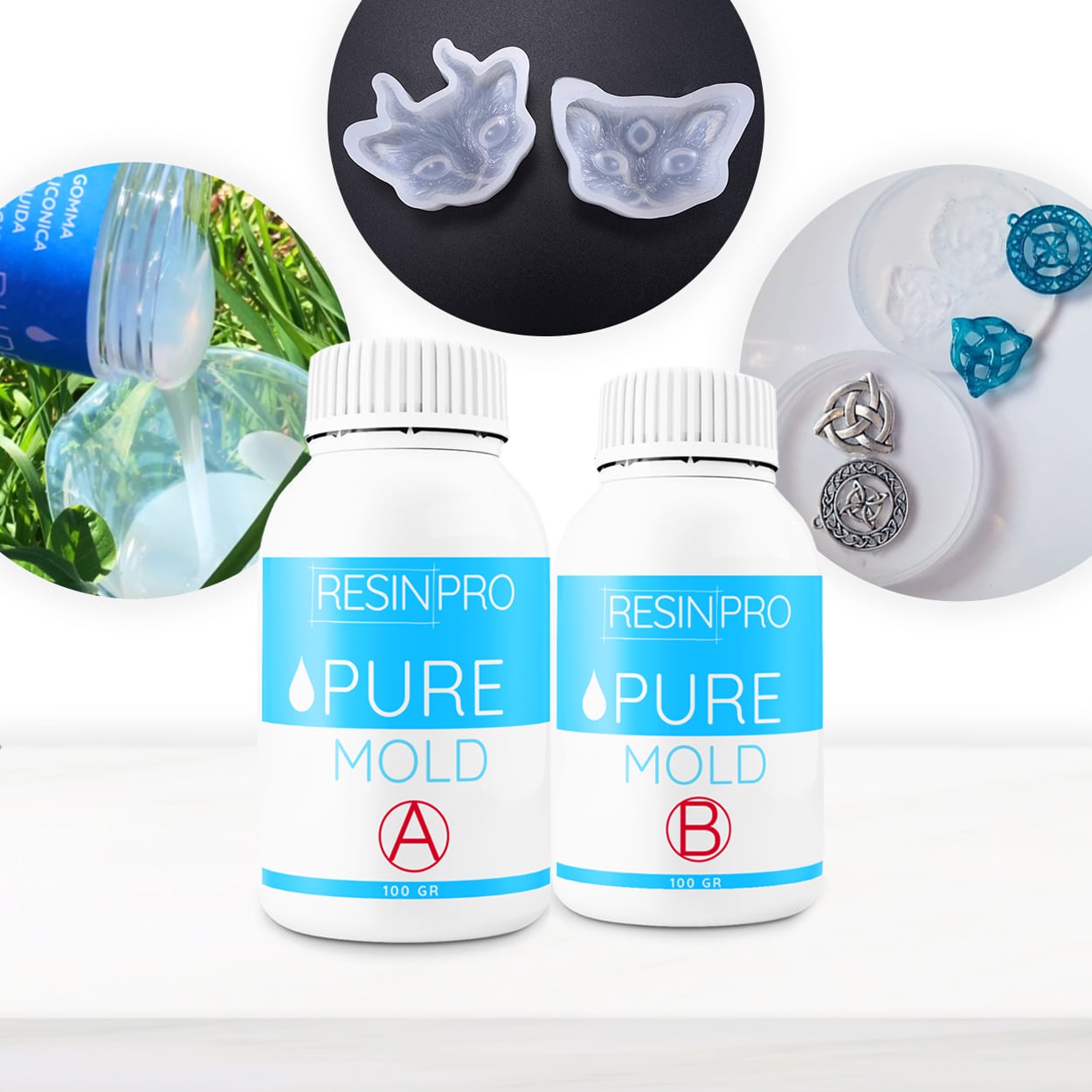
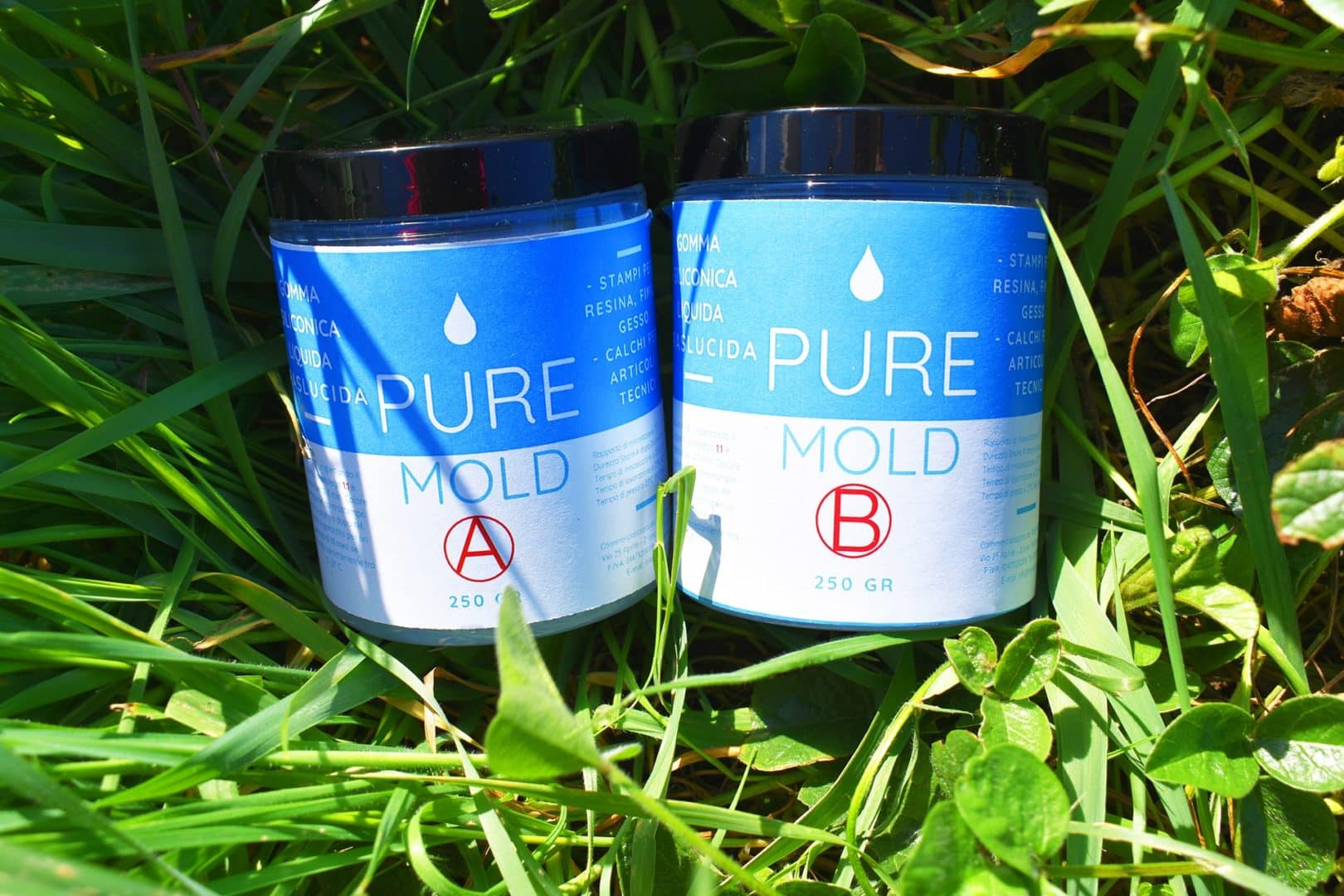
Addition-cure silicone rubber is reliable and versatile for mould making, but its curing process can be disrupted by contact with certain substances. Understanding these inhibitors is key for successful results.
Which Substances Act as Inhibitors?
Several common materials are known to interfere with the cure of addition-cure silicone rubber. These include:
- Sulphur compounds, such as those found in natural rubber or some modelling clays
- Tin-cure (condensation-cure) silicone residues
- Latex, which contains natural proteins and other chemicals
- Certain waxes, adhesives, and release agents containing sulphur or amines
- Silicone oils and greases
- Some natural rubbers and neoprene
Even trace amounts of these inhibitors on your model or in your workspace can prevent the silicone from fully curing. Always inspect surfaces and tools before use.
Practical Tips to Prevent Inhibition
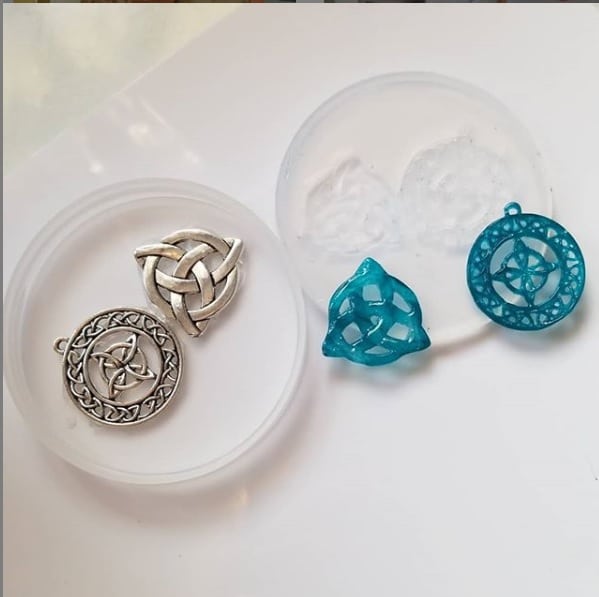
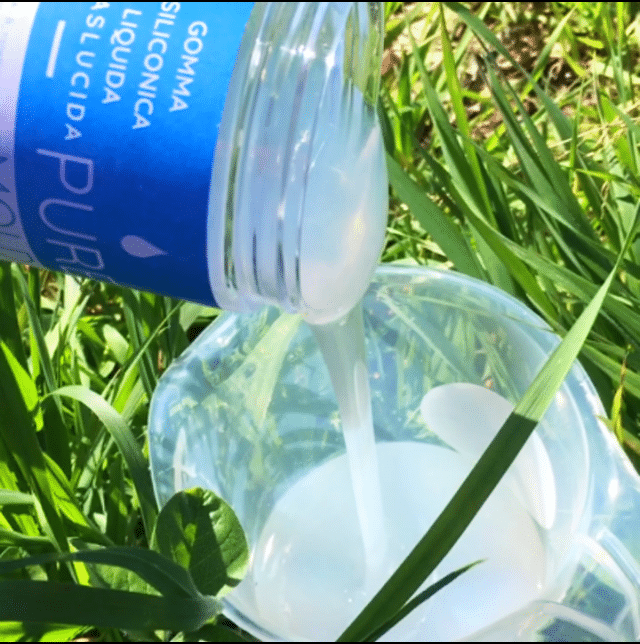
To avoid curing problems, keep your workspace, tools and models free from incompatible materials. If you’ve previously used tin-cure silicone or latex, clean surfaces thoroughly and consider using a barrier or sealant. When experimenting with unknown materials, test your silicone on a small area first.
Choose a compatible addition-cure product, such as the “Pure Mould” – Translucent Liquid Silicone Rubber, which is formulated for reliable catalysis if used correctly.
When This Matters Most
Curing inhibition is especially important for intricate or detailed moulds where full setting is critical. It also matters when you’re moulding over models made of clay, rubber, or any unknown material—always check for compatibility to avoid waste and disappointment.
Related products
Related guides
Knowing which substances inhibit the cure of addition-cure silicone rubber helps ensure flawless mould making. For further tips and deeper insights on catalysis and compatible materials, revisit our main guide on addition-cure silicone rubber inhibitors.