 Free shipping on orders over £29,85
  Shipping Tracking!


 Google
 Facebook
Which substances inhibit the catalysis of addition-cure silicone rubber?
Understand inhibitors to achieve reliable silicone mould curing

When working with addition-cure (platinum-cure) silicone rubber for mould making, avoiding catalyst inhibition is essential for reliable results. This page is for professional makers, hobbyists, and anyone selecting a silicone rubber who needs to understand catalyst sensitivity and ensure proper curing of detailed and durable moulds.
Understanding and Comparing Inhibitor Sensitivity in Addition-Cure Silicones
Addition-cure silicone rubbers are highly sensitive to contamination, and a variety of substances can inhibit or completely prevent their curing process. For successful projects, it is crucial to know which materials and conditions will reliably allow addition-cure silicones to set perfectly, and which will cause costly failures. The primary differences between available products come down to compatibility with base materials, cure timing, and resistance to common contaminants—including various resins, adhesives, pastes, and even residues on casting forms.
The main inhibiting substances typically include certain plastics, adhesives, sulphur-rich clays, tin-cure (condensation) silicone residues, some lubricants, and traces of latex. Even residue from day-to-day handling such as hand creams, industrial solvents, and some natural rubbers can stop catalysis. Professional-grade addition-cure silicone rubbers, such as those from ResinPro, are formulated to minimise this risk, but strict surface cleaning and material choice remain vital for complete curing. By comparing the specific product’s application range and focusing on their inhibitor resistance, users can match the right silicone for their needs and avoid common pitfalls.
Key Factors Affecting Addition-Cure Silicone Catalysis
Successful curing depends on both product selection and surface preparation. Platinum-based addition-cure silicones offer reliable performance when models are free from inhibitor residues. These rubbers are formulated to deliver precise results—even fine details—if cleanliness is observed.
“Pure Mould” – Translucent Liquid Silicone Rubber for Mould Making
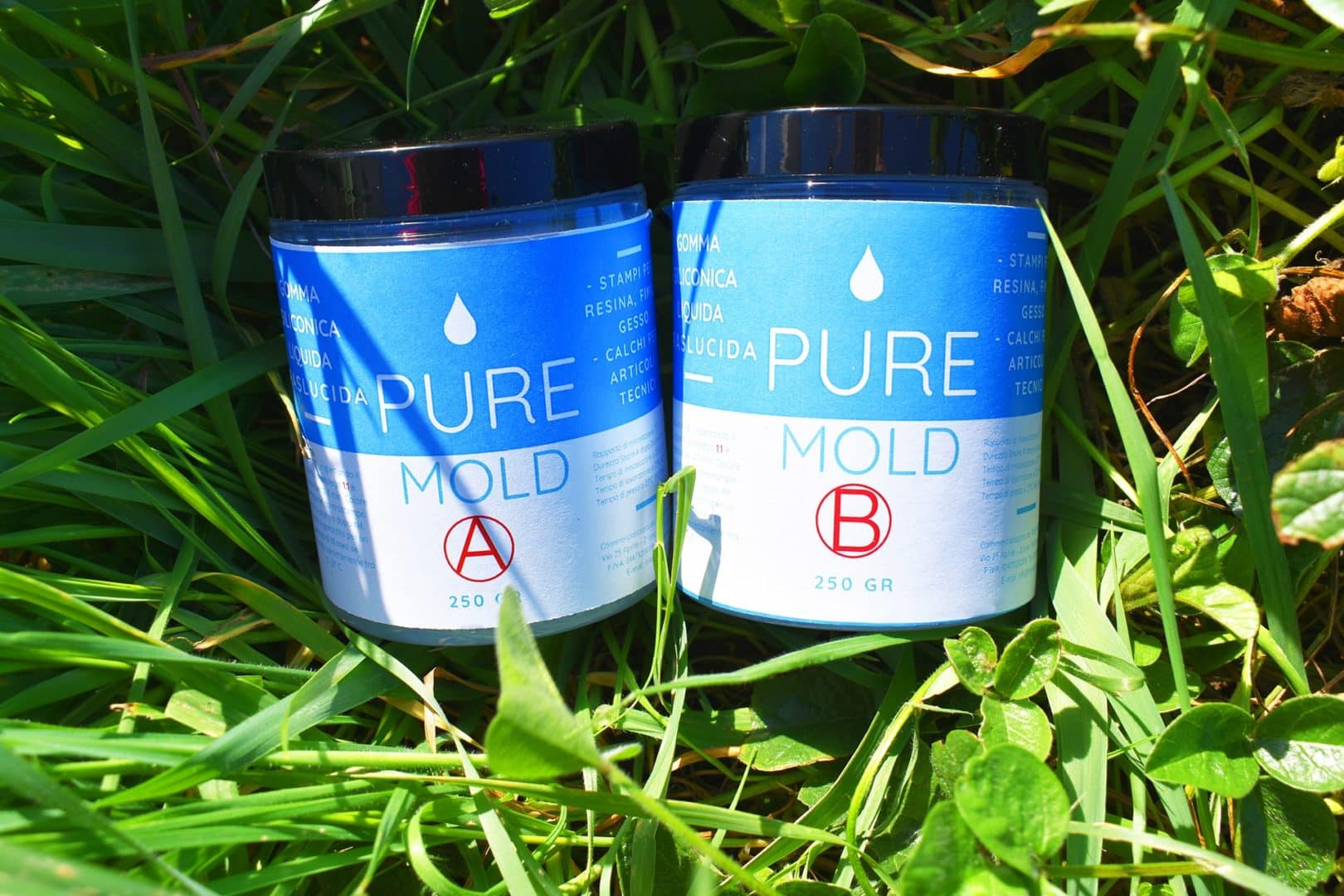
The “Pure Mould” – Translucent Liquid Silicone Rubber for Mould Making is a platinum-based addition-cure silicone. Its innovative formulation is designed to resist standard inhibitors when used with properly cleaned forms and compatible materials. With a 1:1 mixing ratio, fast catalysis (3–8 hours), and high mechanical resistance, it is ideal for professional and hobby applications, such as detailed resin and wax casts. Users should still ensure that surfaces are free from sulphur, latex, and oily residues before application.
“Liquid Mould” – Casting Liquid Silicone Rubber, 5–40 Shores, Bi-Component A+B
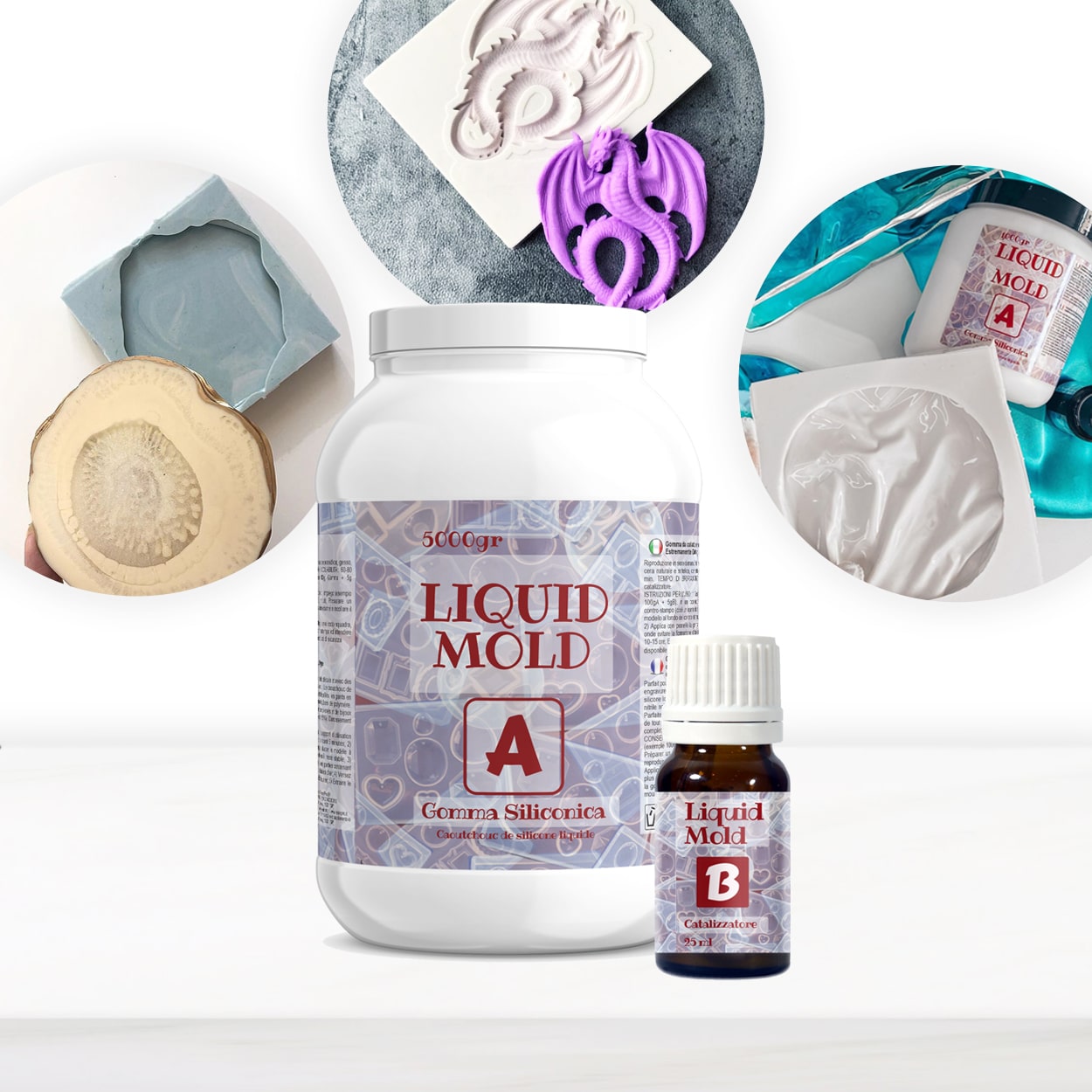
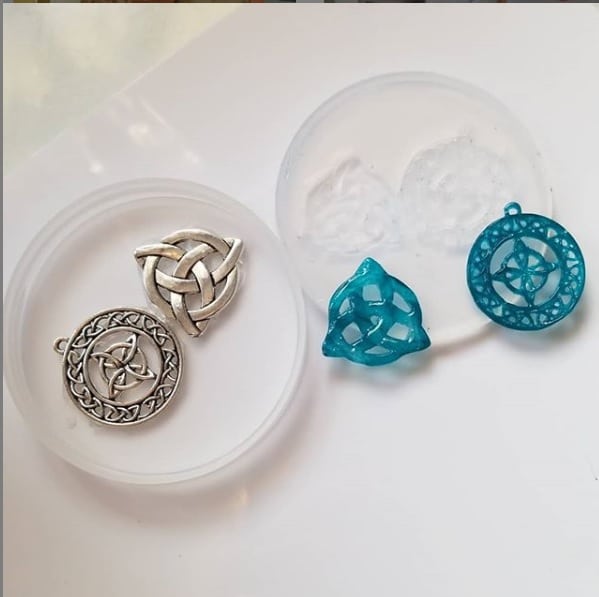
Perfect for intricate models and technical reproductions, the “Liquid Mould” – Casting Liquid Silicone Rubber is highly suited to casting objects with fine details and notable undercuts. This bi-component system needs careful mixing and catalyst addition. Like all platinum-cure systems, it is important to avoid using on surfaces contaminated with waxes, sulphur, or old tin-cure silicone means. Pay particular attention when using custom models or recycled mould boxes—ensure full cleaning and degreasing to maintain reliable catalysis.
“Liquid Mould” – Casting Liquid Silicone Rubber, 15 Shores 20.8 kg
Engineered for larger-scale or commercial casting, “Liquid Mould” – Casting Liquid Silicone Rubber (15 Shores, 20.8 kg) shares its core mode of inhibition as the smaller format. Both versions are vulnerable to the same contaminants, so proper model preparation—removing dust, solvent, or polymer residues—ensures consistent and reliable curing. Failure to address surface residues is a common cause of catalyst blocking.
“I–Gum” – Non-Toxic Silicone Putty for Mould Making
The “I–Gum” – Non-Toxic Silicone Putty for Mould Making offers a safer alternative for quick, hand-formed moulds, combining a non-toxic composition with easy 1:1 mixing. Although less susceptible to common inhibitors due to its putty form, surface cleanliness is still essential—ensure that no oils, sulphur, or previously used substances are present before mould application for the best results.
Surface Precautions and Practical Tips for Preventing Cure Inhibition
Surface preparation is crucial to reduce inhibition risk. Clean all master models thoroughly, avoiding wooden or polymer surfaces that may retain traces of sulphur, waxes, or old condensation-cure silicones. Where possible, conduct patch tests before full-scale moulding. Choose tools, containers, and release agents specified as platinum-cure safe. If you have previously cast with tin-cure silicone or used unknown substances on your master, consider a sealing coat or gentle abrasive cleaning before proceeding. Avoid latex gloves during mixing and application, as latex is a powerful inhibitor for platinum-based silicone rubbers.
Best Practices for Inhibition-Free Silicone Moulding
Choose suitable addition-cure silicones for your task and always prepare models and workspaces meticulously. Testing on a small area before full pours can prevent waste and ensure your chosen resin or model material is fully compatible with catalyst curing.
- "Pure Mould" – Translucent Liquid Silicone Rubber for Mould MakingPrice range: £23.95 through £166.95"Pure Mould" is a translucent liquid silicone rubber for mould making, suitable for various materials including resins, plaster and cement.
- "Liquid Mould" – Casting Liquid Silicone Rubber, 5-40 Shores, Bi-Component A+BPrice range: £14.45 through £387.45"Liquid Mould" casting liquid silicone rubber is designed for making highly detailed moulds suitable for complex shapes and fine details.
- "Liquid Mould" – Casting Liquid Silicone Rubber, 15 Shores 20.8 kg£348.85"Liquid Mould" is a casting liquid silicone rubber suited to making detailed moulds of small objects, compatible with resin and polymer pastes.
 "I–Gum" – Non-Toxic Silicone Putty for Mould MakingPrice range: £24.00 through £104.95"I–Gum" is a two-component non-toxic silicone putty designed for mould making with a 1:1 mix ratio and suited for resin, polyurethane and other…
Frequently Asked Questions
What are common inhibitors for addition-cure silicone rubber?
Sulphur, tin-cure silicone residues, latex, certain waxes and adhesives, silicone oils, and some natural rubbers are known inhibitors.
How should I clean models to avoid inhibition?
Ensure all surfaces are free from oil, dust, traces of latex, and soap residues. Use isopropyl alcohol or mild detergent and rinse thoroughly.
Can I use latex gloves when moulding with addition-cure silicone?
No, latex is a strong inhibitor of platinum-cure silicone. Use vinyl or nitrile gloves instead when handling these materials.
What is the difference between tin-cure and platinum-cure silicone in terms of inhibition?
Platinum-cure silicones are much more sensitive to contaminants. Tin-cure types are generally less prone to inhibition from materials like sulphur and latex.
What should I do if my addition-cure silicone does not cure?
First, check for the presence of contaminants or incompatible materials on your model or workspace. Re-clean and re-cast if necessary.
Are all release agents safe for platinum-cure silicone?
No, only use release agents that are specified as compatible with platinum addition-cure silicones to avoid inhibition.
Which ResinPro product is best for avoiding inhibition?
"Pure Mould" is formulated to give reliable results on clean, properly prepared surfaces with minimal risk of inhibition.