 Free shipping on orders over £29,85
  Shipping Tracking!


 Google
 Facebook
← Back to How to make Capodimonte-effect resin statues?
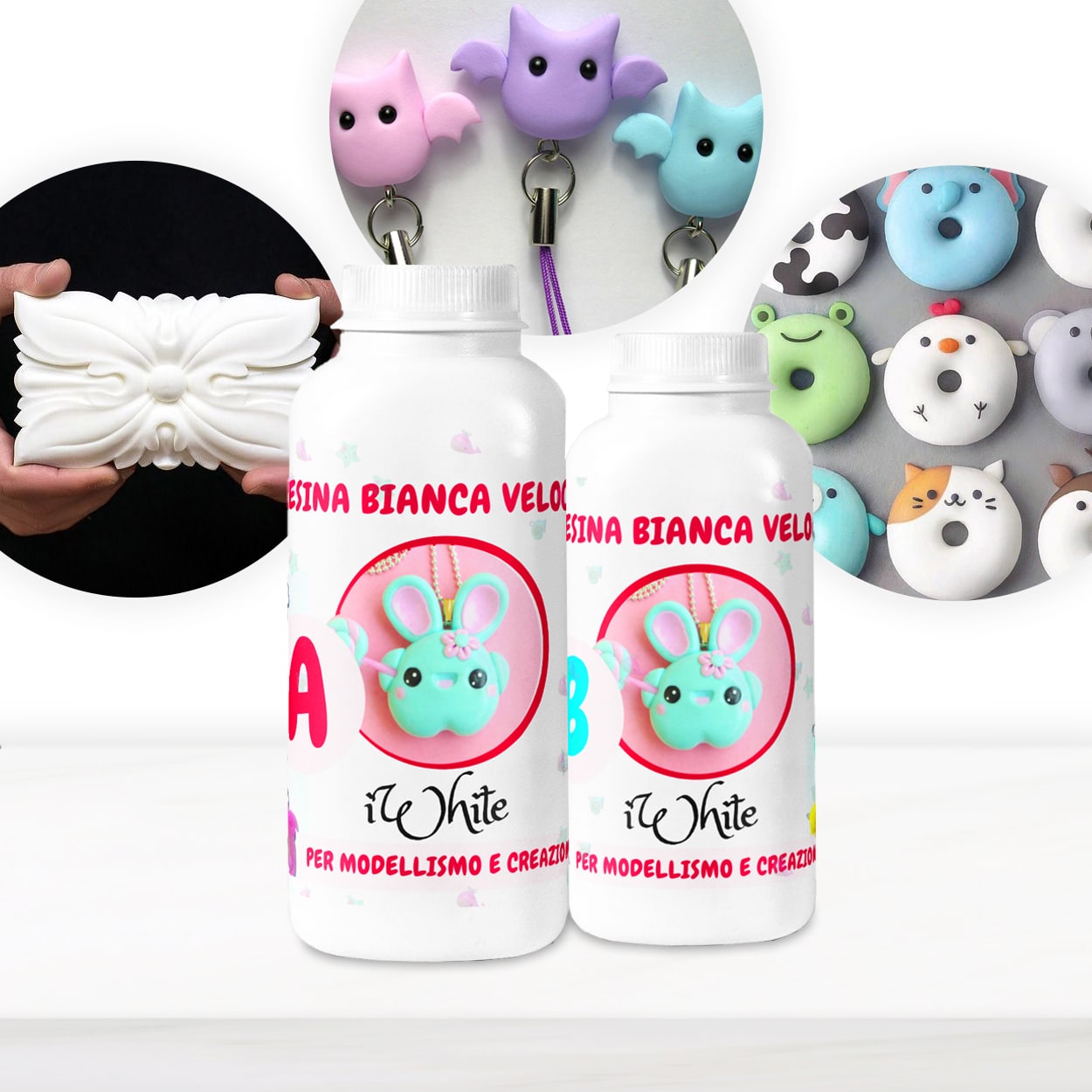
Resin casting for Capodimonte-effect statues provides impressive results, but avoidable mistakes can compromise detail, durability and overall finish. Here’s a practical guide to help you get it right first time.
Getting the Mix Right
One of the most frequent missteps is inaccurate mixing of resin components. Always measure both parts with precision, following the manufacturer’s recommended ratio. Inaccurate ratios can lead to soft, tacky, or brittle castings, ruining fine details—something especially crucial for Capodimonte-style statues. Stir the two parts thoroughly and consistently to ensure a reliable set and finish.
Patience in Demoulding
Rushing the demoulding step is a common issue—removing your piece before it’s fully cured risks distortion or breakage, especially with intricate moulds. It’s often tempting to check on your progress, but always wait the recommended time, and consider a slightly longer cure for pieces with fine features. Using a quality polyurethane resin, such as IWhite Polyurethane Casting Resin, can speed up your process without compromising results, but always follow guidance on cure times.
Personal Safety and Protective Equipment
Resins and hardeners can be irritants, and working with fine powders or liquids brings contact and inhalation risks. Never skip gloves, eye protection, and suitable working conditions. Good PPE ensures a safer, more controlled crafting experience—essential when handling intricate or detailed casts.
When This Matters
- Working on commission or gifts where quality is critical
- Casting statues with delicate, high-relief detail
- Replicating true Capodimonte-style finishes and contours
Related products
Related guides
By steering clear of these common pitfalls, you’ll unlock the full potential of your Capodimonte-effect resin statues. For more tips and step-by-step guidance, visit our full guide on how to make Capodimonte-effect resin statues.