 Free shipping on orders over £29,85
  Shipping Tracking!


 Google
 Facebook
← Back to What can be used instead of silicone rubber?
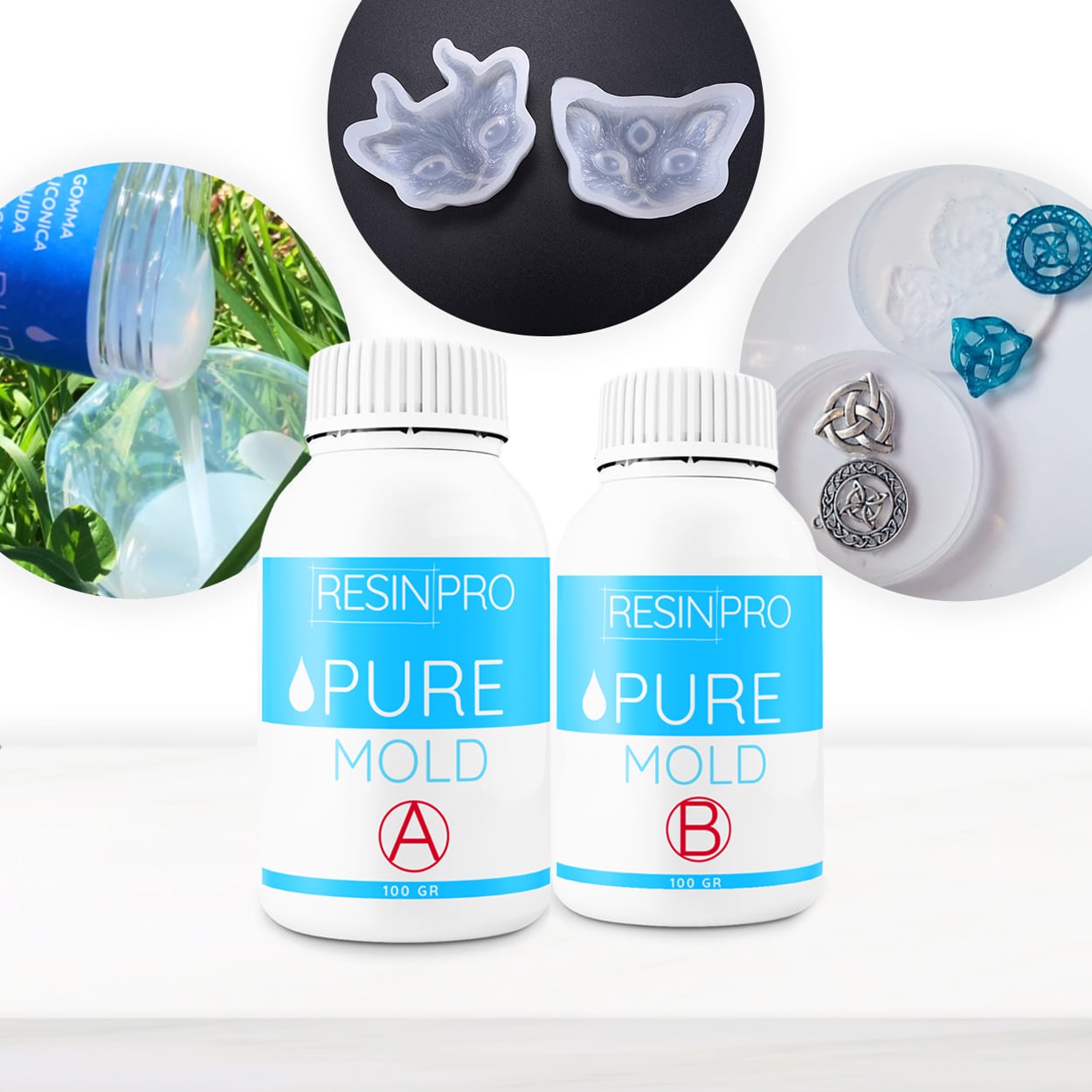
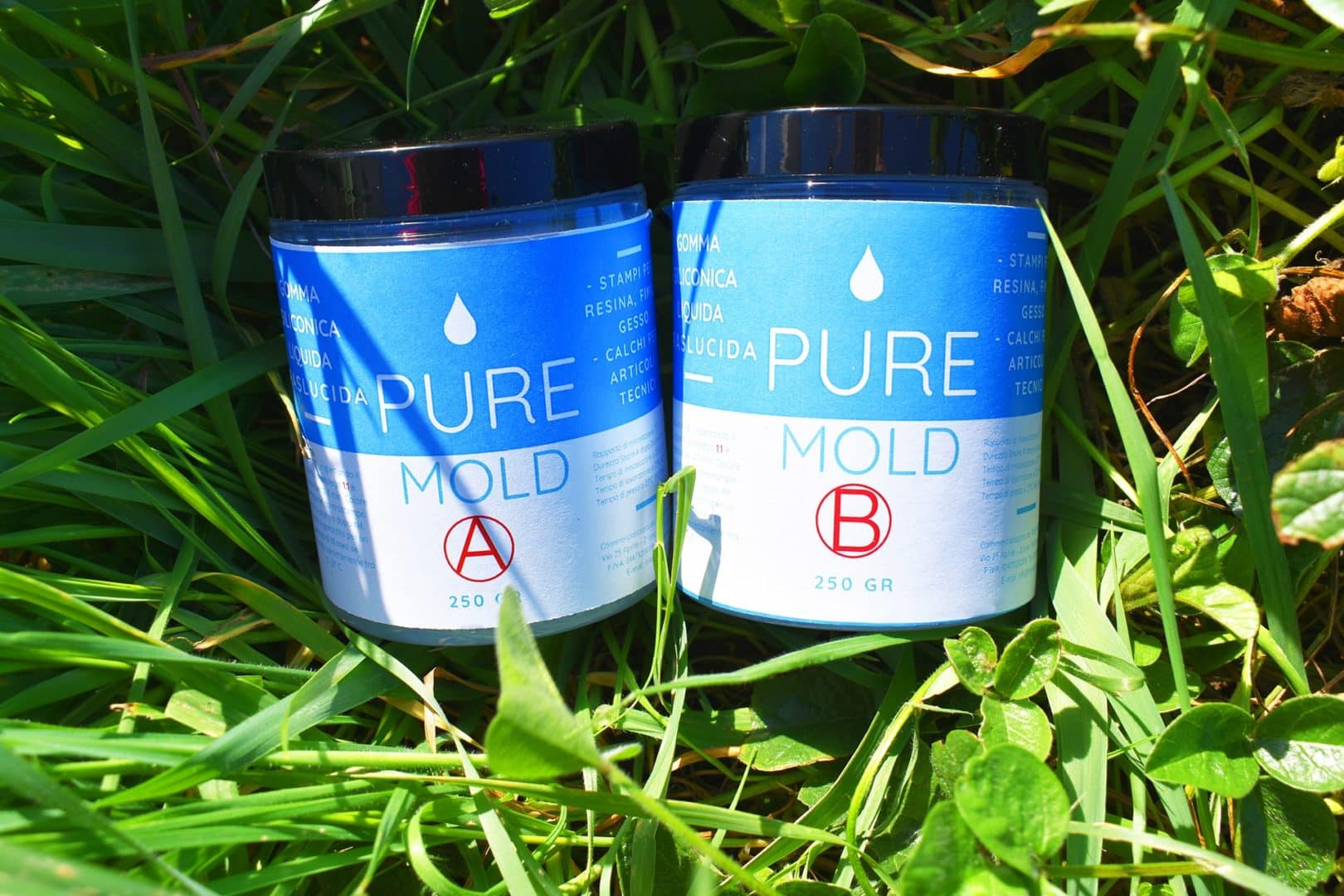
When considering what to use instead of silicone rubber, one common question is whether every alternative material needs a catalyst or hardener to fully cure. Understanding this aspect is essential for anyone working with mould making or casting materials.
How Catalysts Work in Silicone Alternatives
Most liquid silicones and their alternatives require a catalyst or hardener, which is vital for triggering the chemical curing reaction. This typically involves mixing two separate components—often referred to as part A (base) and part B (catalyst or hardener)—in a specific ratio. Common silicone alternatives, such as platinum-based rubbers or silicone putties, follow this two-part system. Precise mixing not only ensures proper curing but also affects the mould’s flexibility and strength. Working with alternatives like liquid silicone rubbers will always require care to get the ratios right, whether for small casts or more detailed designs.

Mixing Processes and Best Practices
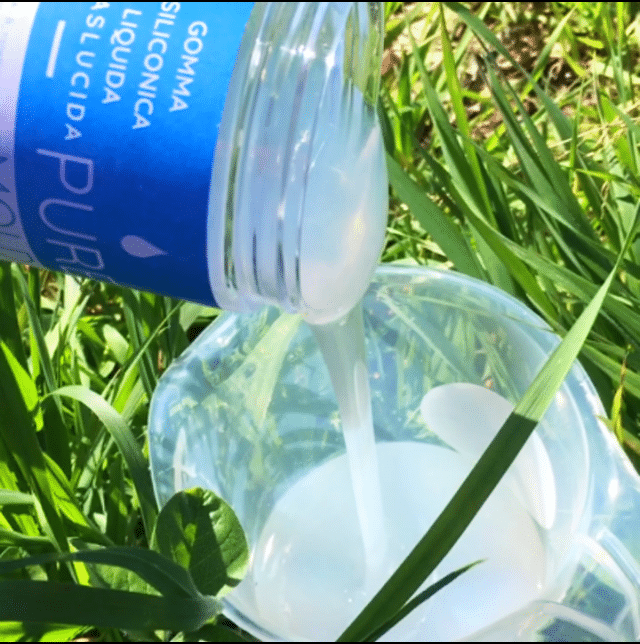
Each alternative to silicone rubber comes with its unique mixing and curing instructions. For example, some silicone putties need combining equal parts of base and catalyst, while liquid varieties can require anything from a 1:1 to a more complex ratio. Accurate measurement is essential, as incorrect mixing may result in a mould that fails to set or never reaches maximum durability. Using catalyst-driven alternatives, ensure tools are clean and compatible, and always mix thoroughly until a uniform colour and texture are achieved.
When This Matters
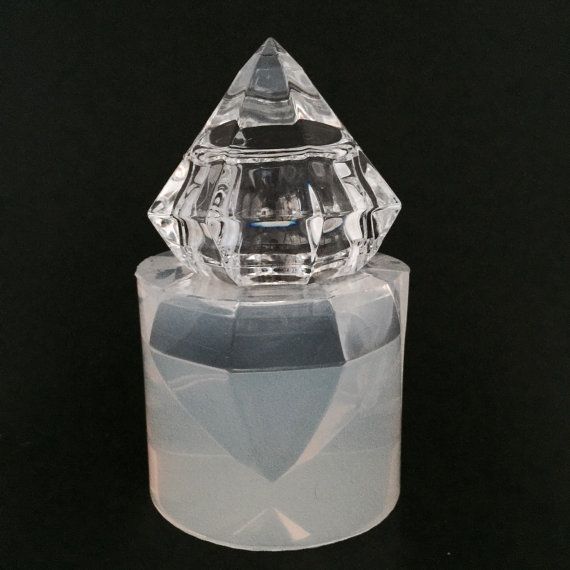
The need for a catalyst matters most when timing, flexibility, and detailed replication are crucial, such as in jewellery, prototype, or candle mould making. For those seeking ready-to-use, single-component systems, these are far less common for professional-grade results, so understanding catalyst requirements is important in material selection.
Related products
Related guides
Choosing the right alternative to silicone rubber often centres on how the product cures and what it demands from the maker. For deeper insights or to explore suitable products for your next mould making project, see our guide on what can be used instead of silicone rubber.