 Free shipping on orders over £29,85
  Shipping Tracking!


 Google
 Facebook
What can be used instead of silicone rubber?
Explore alternatives for mould making and detailed casting.
If you are searching for an alternative to traditional silicone rubber for mould making, you are not alone. Many creators and hobbyists want to understand the different options available for capturing fine details, creating reusable moulds, and matching their specific project requirements. This page will help you compare various materials suitable for replacing or enhancing the performance of silicone rubber, guiding you towards the best choice for your next casting project.
Comparing Alternatives to Silicone Rubber for Mould Making
The market offers a range of products that either build upon the benefits of silicone rubber or present unique properties that can better suit certain applications. The differences between liquid silicone rubbers and silicone putties often come down to how they mix, their curing times, ease of use, and the level of detail they can capture. Fast-curing liquid silicones offer exceptional transparency and flexibility, making them ideal for detailed and reusable moulds, while putties such as “I–Gum” provide a non-toxic, easy-mix alternative with rapid set times for smaller or more customised pieces.
Which Alternative is Right for You?
Liquid silicone rubbers offer durability and fine detail for complex shapes, while silicone putties like I–Gum make quick, safe moulds for smaller, high-turnover projects. If you prioritise detail and repeatability, choose a high-quality liquid silicone; for speed and ease, a non-toxic putty could be the way forward.
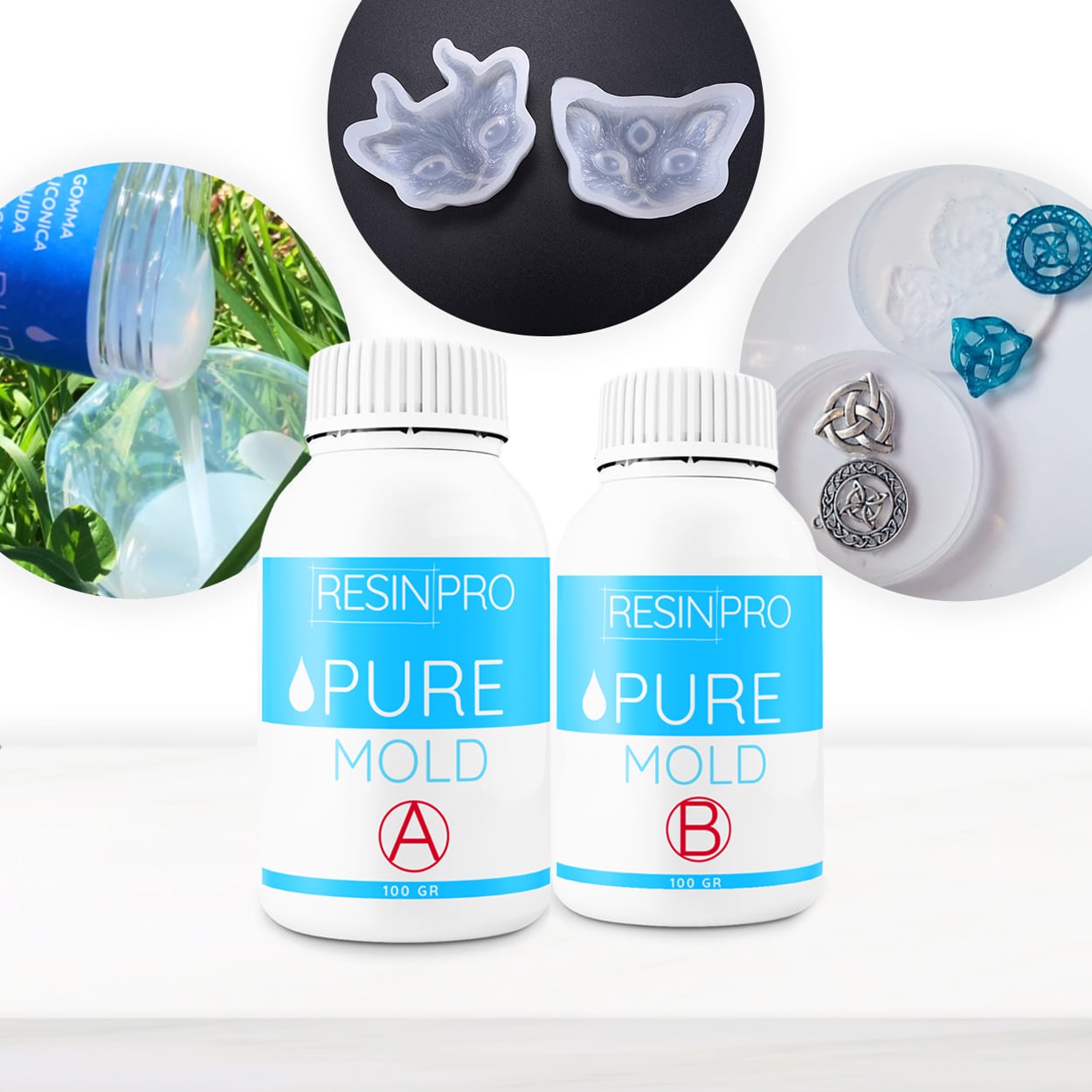
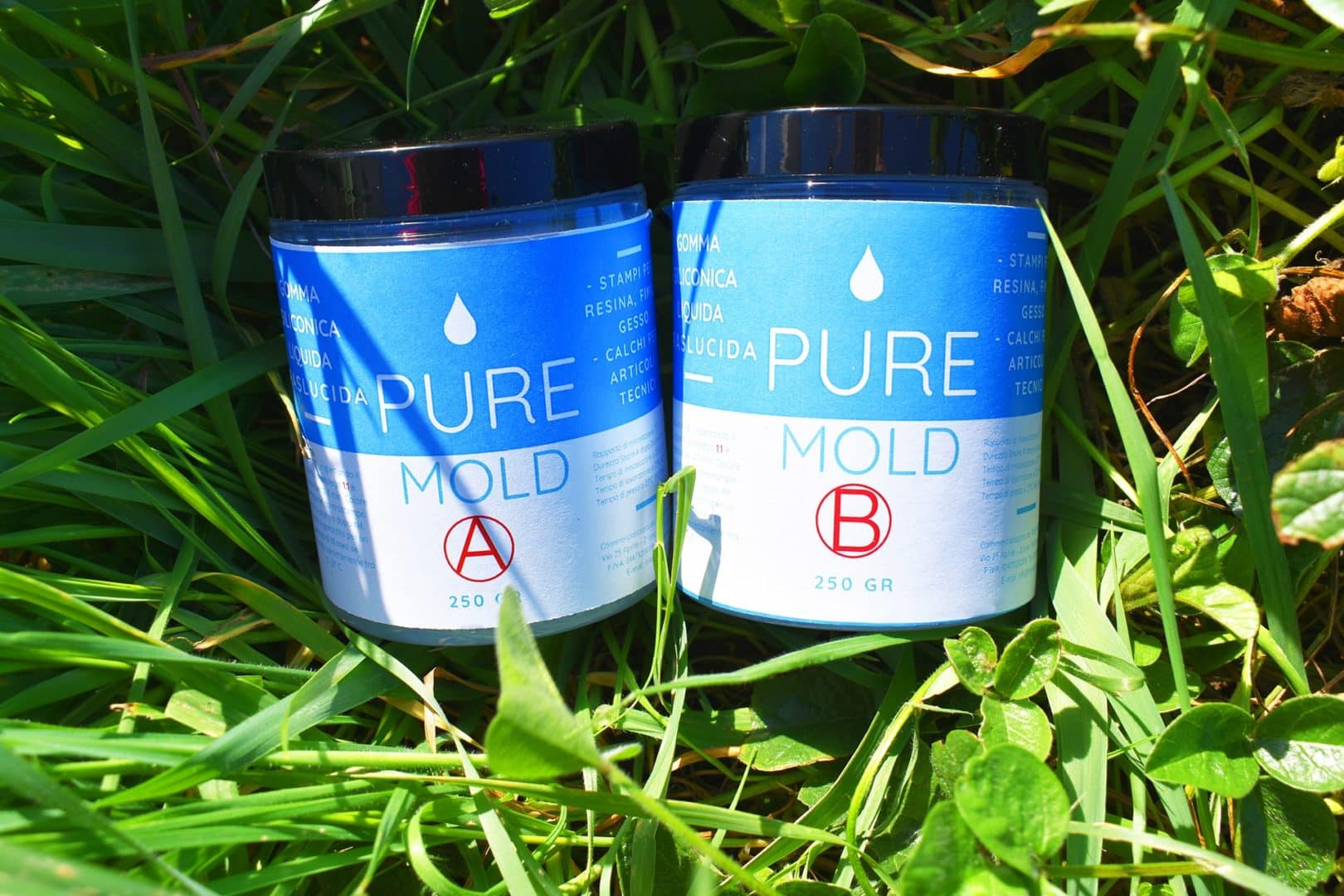
“Pure Mould” – Translucent Liquid Silicone Rubber for Mould Making
Pure Mould stands out for its platinum-based formula, offering a highly translucent and flexible liquid silicone rubber. This product is particularly suited to professionals and hobbyists alike who need to monitor the curing process visually. It features a simple 1:1 mixing ratio, cures within 3–8 hours, and has excellent compatibility with resins, plaster, cement, and hot wax. Compared to traditional silicone rubber, it boasts reduced shrinkage, an extended service life, and can be used multiple times for detailed castings. Its cruelty-free and vegan-friendly status makes it a compelling option for conscious creators.
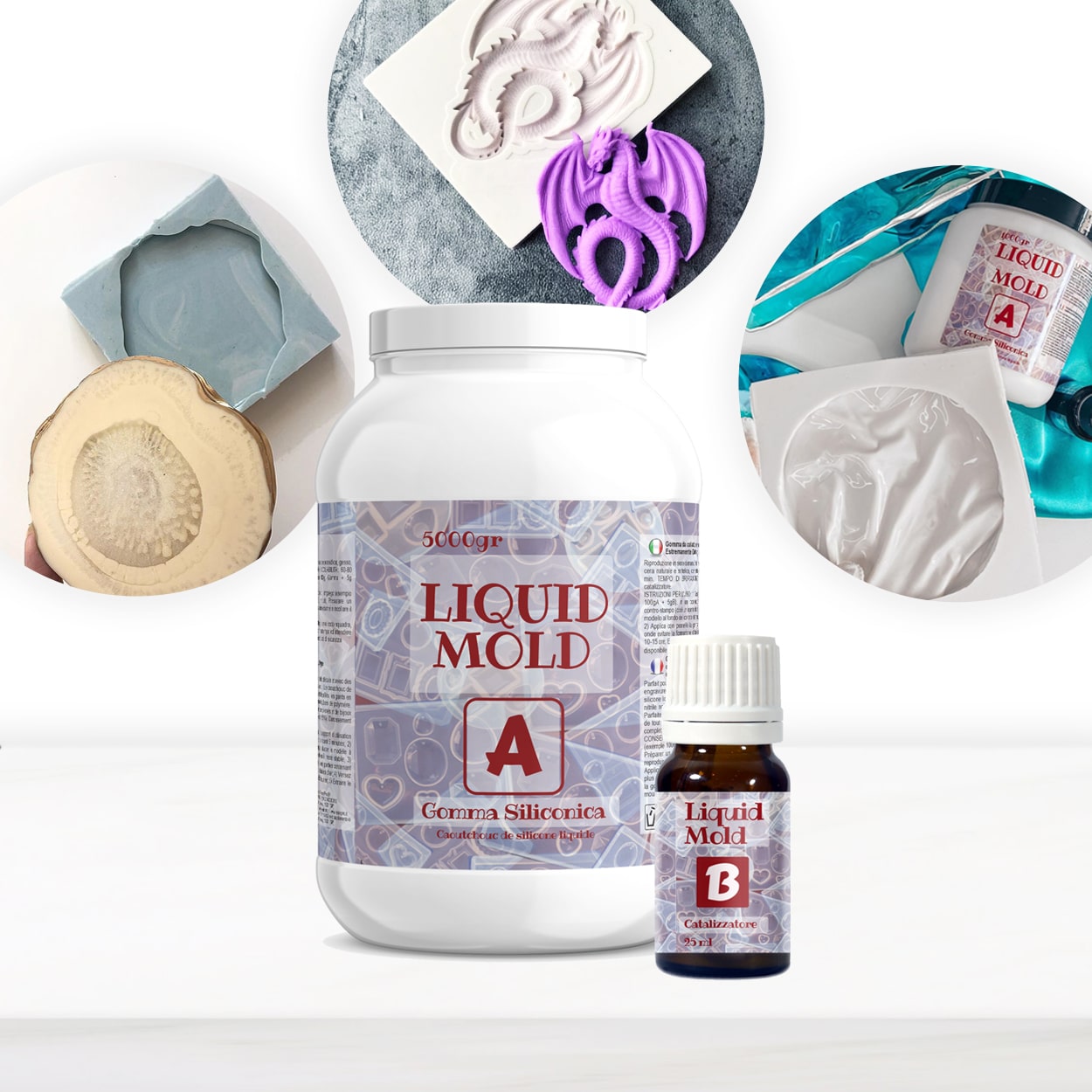
“Liquid Mould” – Casting Liquid Silicone Rubber (5-40 Shores, Bi-Component)
When fine details and intricate undercuts matter most, Liquid Mould in its 5–40 shore variations offers flexibility in hardness and outstanding reproduction of complex shapes. Its liquid nature allows it to penetrate every contour, making it ideal for jewellery, model making, candle casting, and artistic foundry work. With bi-component A+B mixing and a curing time of approximately 10–12 hours, this alternative brings all the mechanical advantages associated with premium-quality silicone, suited for technical and creative projects requiring multiple reproductions.
“Liquid Mould” – Casting Liquid Silicone Rubber, 15 Shores 20.8 kg
For large-scale or highly detailed small-batch mould-making applications, the 15 Shores 20.8 kg variant of Liquid Mould offers the same faithful detail reproduction as its smaller counterparts but in a bulk format. Suitable for users requiring higher volumes for frequent casting, this option maintains the flexibility, mechanical strength, and compatibility with a wide range of casting materials—including resin, soap, wax, and cement. Its focus on perfecting details makes it an industry standard for those seeking consistency and reliability at scale.
“I–Gum” – Non-Toxic Silicone Putty for Mould Making
If ease of use, immediate handling, or safety are your priorities, I–Gum non-toxic silicone putty presents a different approach to mould making. With a straightforward 1:1 paste-to-catalyst mix, odourless formulation, and the ability to work without gloves, this putty is ideal for quick and custom moulds, such as coasters, trays, and decorative objects. Its 20-minute working time, European quality, and vegan credentials cater to both beginner and experienced crafters looking for alternatives to traditional liquid silicone rubber products.
When to Choose Silicone Putty or Liquid Alternatives
Choosing between silicone putty and liquid silicone rubber depends largely on your project’s needs. Liquid silicones, like Pure Mould or Liquid Mould, excel at capturing minute details and making complex, reusable moulds for various casting materials. They remain popular for technical and artistic castings due to their flexibility and endurance. In contrast, silicone putties such as I–Gum are favoured for small, fast projects where non-toxicity, ease of use, and a rapid curing time are essential. Always consider the compatibility of your chosen material with the casting substance, required working time, and volume of moulds to determine the best alternative for your specific use case.
Tips for Getting the Best Results
Always follow precise mixing ratios for both liquid and putty alternatives to avoid improper curing. For liquid silicones, use a slow, careful pour to minimise air bubbles and ensure every fine detail is captured. If using putty, knead thoroughly until a homogeneous colour is achieved, and work swiftly before curing begins.
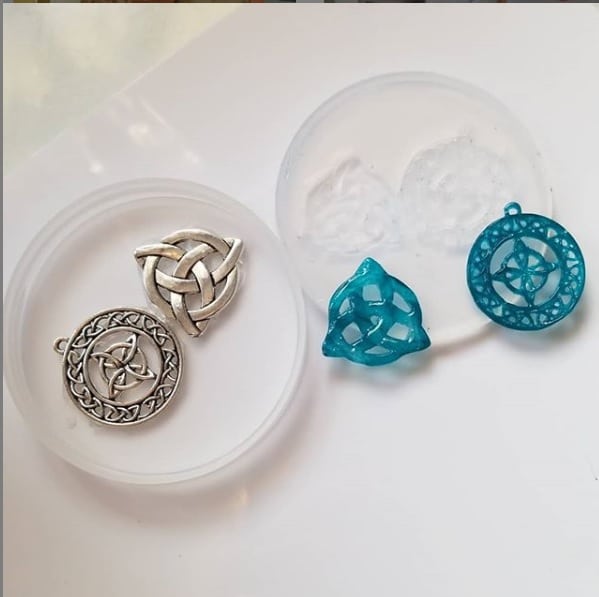
- "Pure Mould" – Translucent Liquid Silicone Rubber for Mould MakingPrice range: £23.95 through £166.95"Pure Mould" is a translucent liquid silicone rubber suitable for mould making with various materials, designed for detailed and professional use.
- "Liquid Mould" – Casting Liquid Silicone Rubber, 5-40 Shores, Bi-Component A+BPrice range: £14.45 through £387.45"Liquid Mould" is a casting liquid silicone rubber designed for detailed mould making and suitable for resin, soap, and polymer pastes within the…
- "Liquid Mould" – Casting Liquid Silicone Rubber, 15 Shores 20.8 kg£348.85"Liquid Mould" is casting liquid silicone rubber suitable for making detailed moulds for small objects, fitting the theme of alternatives to silicone…
 "I–Gum" – Non-Toxic Silicone Putty for Mould MakingPrice range: £24.00 through £104.95"I–Gum" is a two-component non-toxic silicone putty designed for mould making, suitable for use with resin and other materials.
Frequently Asked Questions
What are the main alternatives to silicone rubber for mould making?
Alternatives include liquid silicone rubber formulations, non-toxic silicone putties, and sometimes epoxy or polyurethane-based compounds depending on application.
How do I choose between silicone putty and liquid silicone?
Think about the level of detail, project size, curing time, and whether a non-toxic or rapid solution is higher priority for your task.
Is silicone putty as durable as liquid silicone rubber?
Liquid silicone rubber usually provides longer service life and can withstand repeated use better especially for intricate or high-volume moulds.
Can I use these alternatives with epoxy resin, wax, or cement?
Yes. Most listed alternatives are designed for compatibility with resins, waxes, cements and other casting materials. Always check the product specifics.
Do all silicone alternatives need a catalyst to cure?
Most liquid silicones and putties require a catalyst or hardener, typically mixed in specified ratios for optimal curing and flexibility.
What is the fastest curing alternative to traditional silicone rubber?
Silicone putties generally set faster, often within 20–40 minutes, making them suitable for rapid prototyping and small castings.