 Free shipping on orders over £29,85
  Shipping Tracking!


 Google
 Facebook
← Back to How to create liquid silicone rubber?
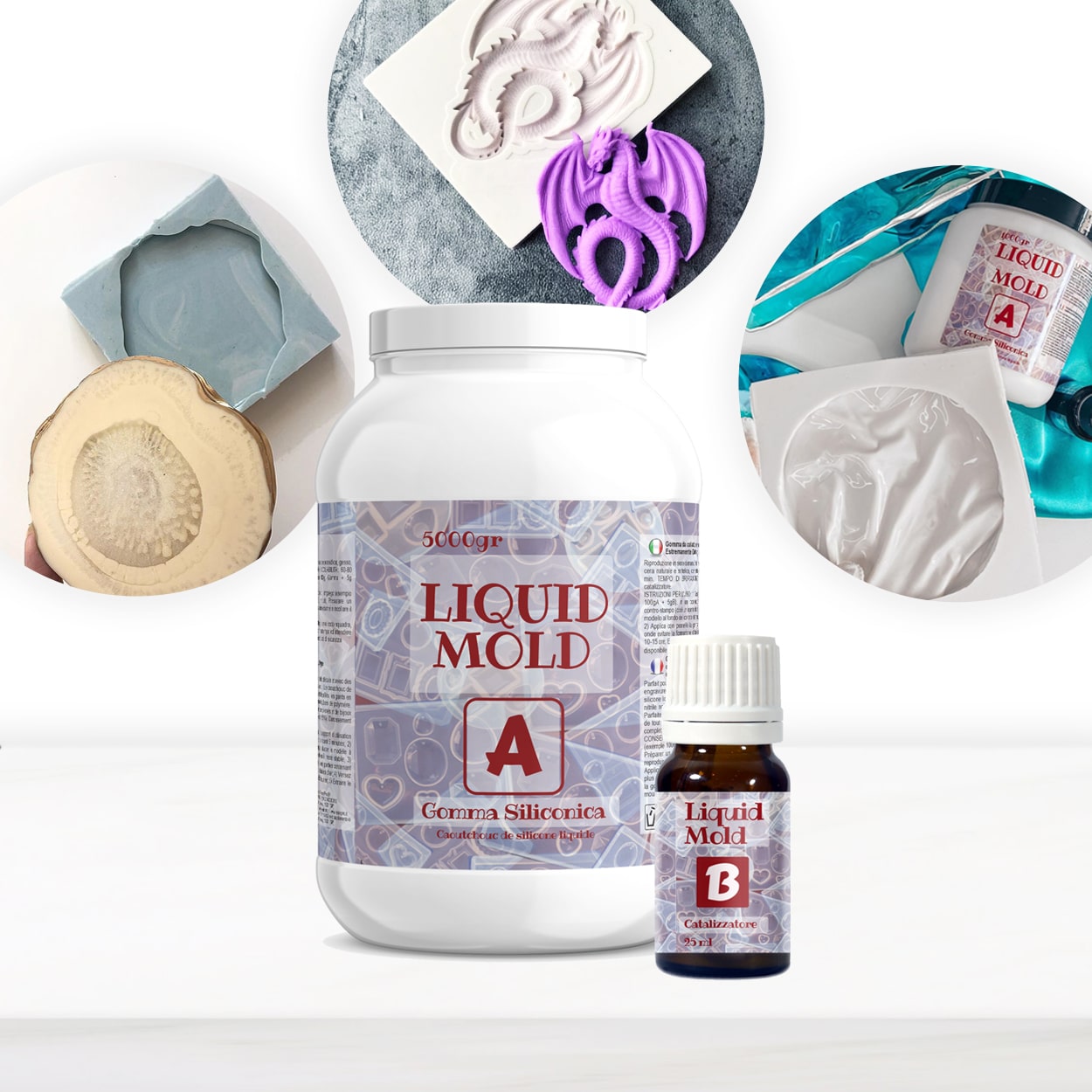
Using a release agent for silicone moulds isn’t always required, but it can make a significant difference depending on your project. Here’s what to consider before you start casting.
When Is a Release Agent Needed?
If you’re casting silicone into a non-porous mould, such as silicone-on-silicone or against smooth plastics, release agents are generally unnecessary. The silicone typically peels away cleanly on its own. However, for highly detailed, intricate, or porous surfaces—like plaster, concrete, or rough models—a release agent can help prevent sticking and ease the demoulding process.
Tips for Application and Better Results
- Always assess the surface of your model before pouring. Porous and absorbent materials may bond with the silicone if untreated.
- Use a small amount of a suitable release agent only on areas at risk of sticking, especially if the mould has deep undercuts or detailed textures.
- For repeated use of the same mould, regular application can help prolong its life and keep detail crisp.
Pairing a suitable product, such as the “Liquid Mould” – Casting Liquid Silicone Rubber, with the right release approach results in cleaner reproductions and less chance of mould damage.
When This Matters Most
Consider a release agent essential when working on complex models, fine art pieces, or moulds that need multiple uses. It becomes especially helpful if your model is irreplaceable or delicate, ensuring you avoid accidental breakages during demoulding.
Related products
Related guides
Choosing whether to use a release agent for your silicone moulds depends on your casting material and mould complexity. For more information on crafting your own moulds, see our guide on how to create liquid silicone rubber.