 Free shipping on orders over £29,85
  Shipping Tracking!


 Google
 Facebook
← Back to What type of silicone rubber is used?
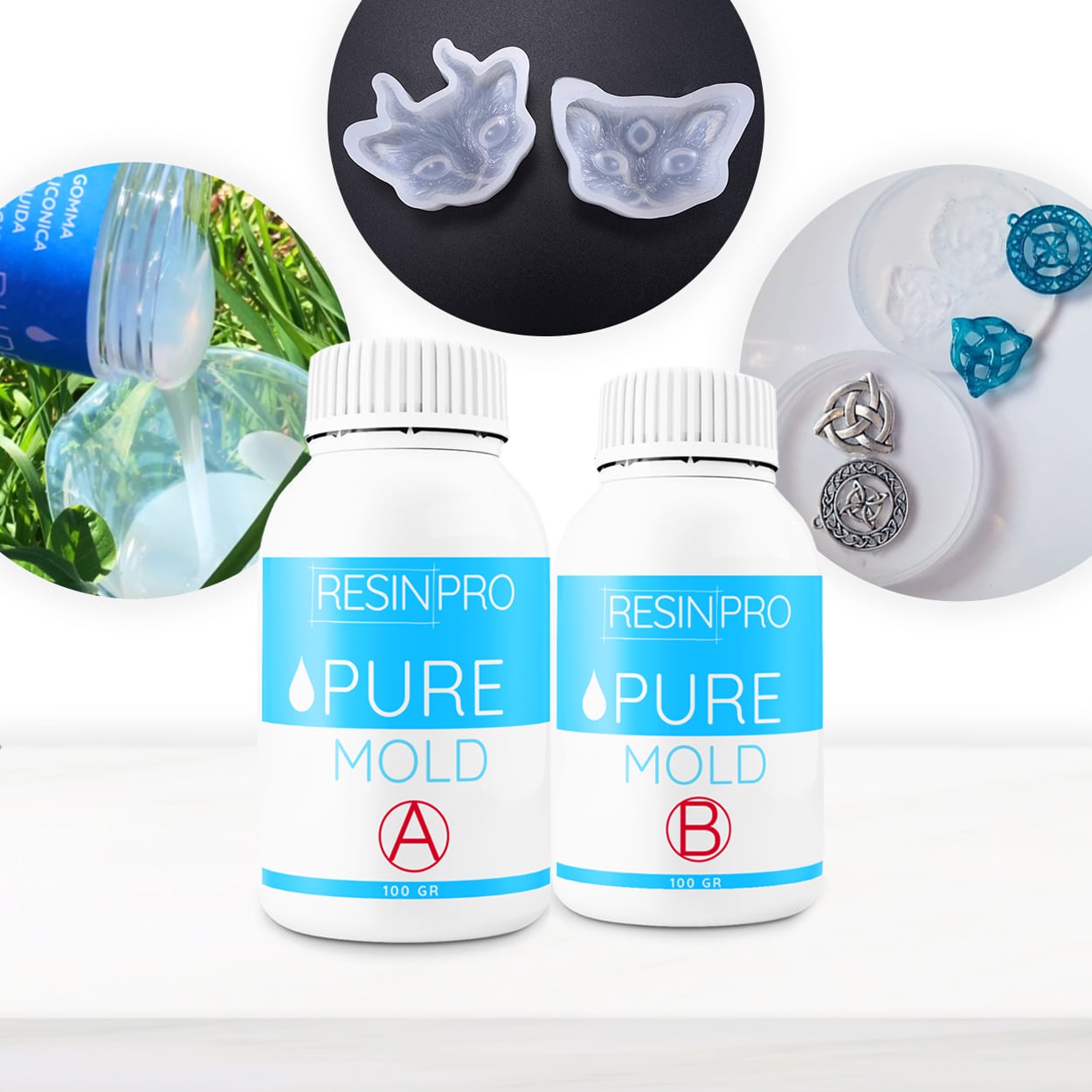
If you’re embarking on silicone mould making with resins or waxes, you may wonder whether a release agent is necessary. Let’s look at when release agents are useful, how to decide, and how to get the cleanest results.
Do Silicone Moulds Always Need a Release Agent?
Most modern silicone rubbers, such as platinum-based or condensation-cure types, are designed with natural non-stick properties when used with common casting materials like resins and waxes. Products such as “Pure Mould” translucent silicone rubber usually do not require any additional release agent for standard casts.
When Should You Use a Release Agent?
Even though release agents aren’t typically required, there are exceptions. If you’re casting with materials that might interact more strongly with silicone, or working with intricate shapes and ultra-fine details, a light release agent may help ensure perfect unmoulding and preserve surface clarity. It’s always wise to run a small trial before starting larger or detailed projects, as silicone rubber types can vary in release performance.
Practical Tips for Resin Casting Success
- Test a small sample if using unfamiliar resins or materials.
- If demoulding proves tricky, apply a minimal release agent only to affected areas.
- For most projects—from jewellery to decorative items—well-chosen silicone rubbers keep the process simple and clean.
When This Matters
If you’re working with highly detailed models, unusual resin formulas, or making repetitive casts, understanding when to use a release agent saves time and frustration.
Related products
Related guides
For most resin and wax casting projects, quality silicone rubbers like those in our guide to silicone rubber types usually need no added release agent—making your moulding process smoother and more efficient.