 Free shipping on orders over £29,85
  Shipping Tracking!


 Google
 Facebook
What type of silicone rubber is used?
Compare silicone rubber types for moulding detail, strength, and ease.
If you’re looking to create accurate, reusable moulds for casting with resin, wax, or other materials, selecting the right type of silicone rubber is crucial. This page explains the major types available for mould making, their key differences, and which is best suited for your specific project—whether you’re a crafts enthusiast or a professional model maker.
Comparing Silicone Rubbers for Mould Making
The main silicone rubber types used in mould making include platinum-based liquid silicone, casting liquid silicone, and non-toxic silicone putty. They differ in mixing methods, workability, finished flexibility, and suitability for certain materials. Choosing the correct type ensures both detail fidelity and mould longevity for your casting process.
Silicone Mould Making in Practice
For best results, always measure components accurately and mix gently to minimise air bubbles. Use a vacuum chamber when working with delicate or highly intricate moulds for professional-level clarity and precision.
“Pure Mould” – Translucent Liquid Silicone Rubber
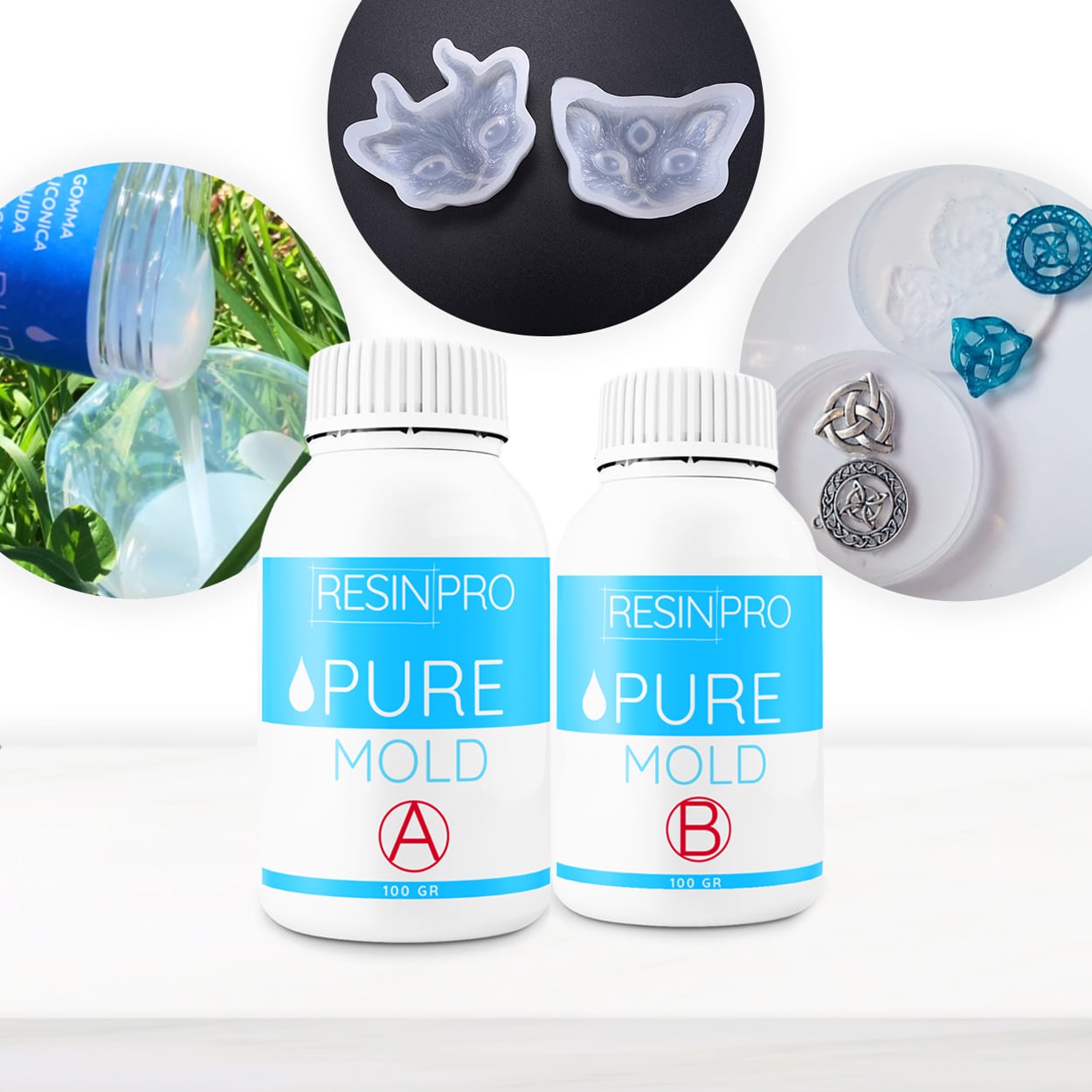
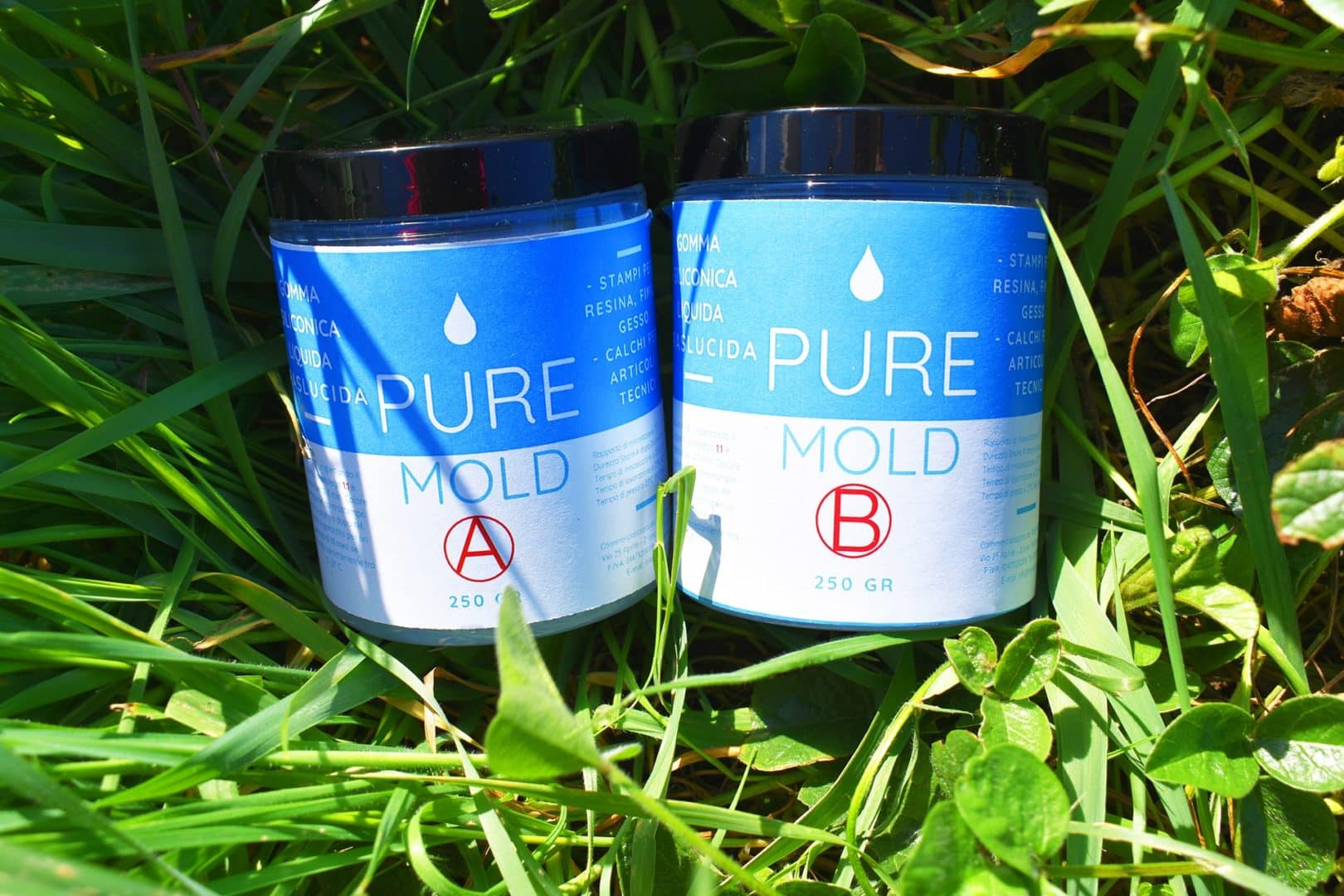
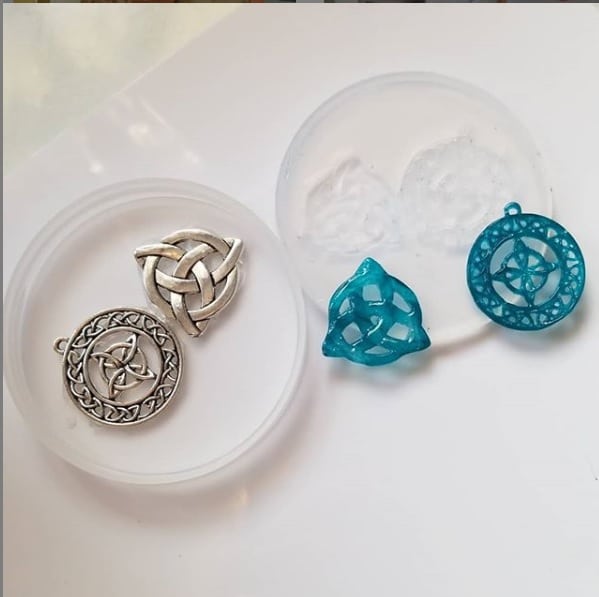
The “Pure Mould” – Translucent Liquid Silicone Rubber for Mould Making is a platinum-based, two-part system designed for those requiring high transparency and accuracy. Its 1:1 mixing ratio makes preparation simple, with a curing time of about 3-8 hours. This silicone rubber is compatible with a broad range of casting materials including epoxy resins, polyester, polyurethanes, acrylics, plasters, cements, and is especially valued when working with hot waxes for candle making.
Thanks to its translucency, you can observe your casting through the mould, ensuring greater control for detailed or layered work. The rubber offers low shrinkage, high mechanical resistance, and is certified non-toxic and solvent-free—making it as safe as it is durable. “Pure Mould” is ideal for artists and engineers requiring repeatedly reusable, long-lasting moulds for professional or hobbyist use.
“Liquid Mould” – Casting Liquid Silicone Rubber, 5-40 Shores
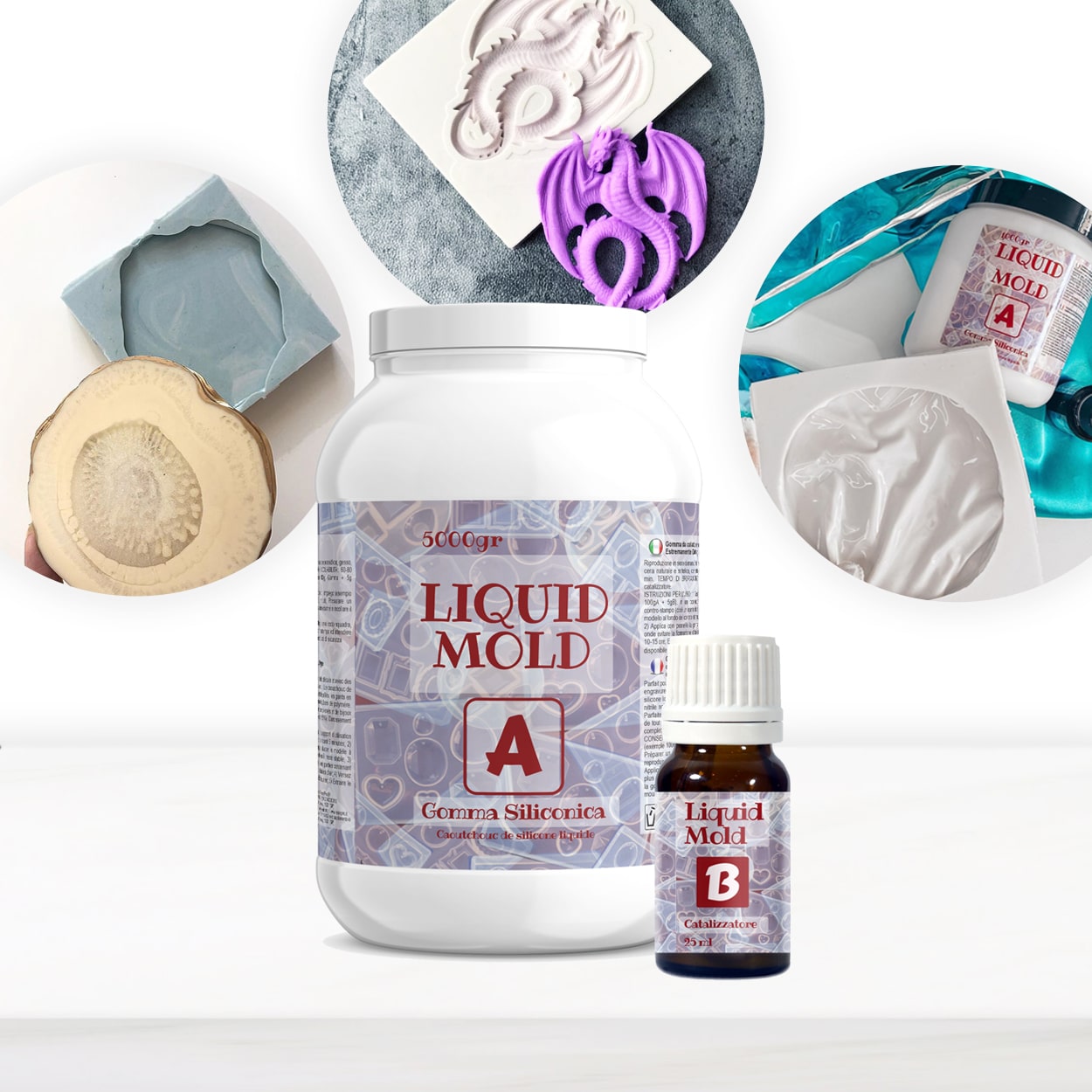
For those focused on maximum detail with intricate undercuts, “Liquid Mould” – Casting Liquid Silicone Rubber, 5-40 Shores, Bi-Component A+B is an excellent choice. This casting liquid silicone rubber is specially formulated to replicate even the finest textures and details in small objects, jewellery, or models. It is a bi-component system requiring careful mixing of base and catalyst, resulting in a highly fluid material that penetrates all crevices before curing over 10-12 hours.
“Liquid Mould” is compatible with resin (epoxy, polyester, and polyurethane), soap, polymer pastes, wax, plaster, and even concrete. Its high mechanical strength makes it suitable for repeated casting or technical applications. This product excels when creating multiple reproductions or complex shapes and is common in both artistic foundries and prototyping workflows.
“I–Gum” – Non-Toxic Silicone Putty for Mould Making
When simplicity and speed are priorities, “I–Gum” – Non-Toxic Silicone Putty for Mould Making stands out. This putty is ideal for hand-moulding around objects, especially when you need to make a quick, custom mould or frame. Mixing at a 1:1 ratio, it’s non-toxic, almost odourless, and does not require gloves during manipulation. The working time of around 20 minutes allows for adjustment before it cures, making it great for capturing small to medium-sized items and gentle details with less mess or setup.
“I–Gum” putty is compatible with epoxy, polyurethane, waxes, and cements. Its flexibility and lack of smell make it especially popular for home studios, schools, and hobbyists looking to safely explore resin casting. It’s a convenient solution for one-off projects and rapid prototyping without the need for specialised equipment.
Tips for Choosing the Right Silicone Rubber for Your Project
When selecting a silicone rubber for mould making, consider the final application, the required level of detail, and your workspace conditions. For technically demanding, high-detail objects, opt for liquid casting silicones like “Pure Mould” or “Liquid Mould”. If convenience and safety are paramount—particularly for children or public workshops—non-toxic silicone putty such as “I–Gum” is often best. Also weigh cure times, reusability, and compatibility with your intended casting materials for the best results.
Matching Silicone Rubber to Your Project Needs
Consider the nature of your objects and materials before selection. Choose liquid silicone for complex, deeply textured items and putty for small, simple forms or quick applications.
- "Pure Mould" – Translucent Liquid Silicone Rubber for Mould MakingPrice range: £22.85 through £158.85"Pure Mould" is a translucent liquid silicone rubber designed for making moulds compatible with various casting materials.
- "Liquid Mould" – Casting Liquid Silicone Rubber, 5-40 Shores, Bi-Component A+BPrice range: £13.45 through £368.85Liquid silicone rubber designed for making detailed moulds, suitable for resin, soap, and polymer pastes.
 "I–Gum" – Non-Toxic Silicone Putty for Mould MakingPrice range: £22.85 through £99.85"I–Gum" silicone putty is designed for creating moulds and forms using a non-toxic, easy to use formula within the given theme.
Frequently Asked Questions
What is the difference between platinum-based silicone and standard casting silicone?
Platinum-based silicone, exemplified by “Pure Mould”, generally offers higher purity, less shrinkage, and greater durability than some standard casting silicone rubbers. This means it produces more accurate, reusable moulds, especially when working with demanding or detailed projects.
When should I use liquid silicone rubber versus silicone putty?
Use liquid silicone rubbers like “Pure Mould” and “Liquid Mould” when high-fidelity detail and flexibility for complex shapes are needed. Silicone putty such as “I–Gum” is best for simpler shapes, rapid prototyping, or when you require a non-toxic, hand-mixed product.
Can these silicone rubbers create food-safe moulds?
Always check the specific certifications provided in the product details. While some silicone rubbers are non-toxic, additional certification is required for direct food contact moulds. Refer to each product’s safety documentation to ensure suitability.
Do I need to use release agents with these products?
Most modern silicone rubbers do not require release agents with resin or wax. However, for certain materials or complex shapes, a light layer may aid demoulding. Always test on a small area before full-scale use.
How do cure times compare between these silicone rubbers?
“Pure Mould” cures in 3-8 hours, giving faster turnaround for detailed work. “Liquid Mould” usually sets within 10-12 hours, ideal when maximum flow and fine detail are required. “I–Gum” putty is ready for demoulding within 20-40 minutes, the quickest option for fast jobs.
What is the best silicone rubber for making jewellery moulds?
For jewellery and small items with intricate details, “Liquid Mould” is often preferred due to its ability to fill undercuts and render very fine patterns accurately. “Pure Mould” is also suitable when a translucent, durable mould is required.
Are these silicones suitable for complex, undercut shapes?
Liquid silicone types such as “Liquid Mould” are specifically designed to penetrate undercuts and reproduce detailed, complex objects. Their fluidity pre-cure ensures that no feature is missed in the mould.
Frequently Asked Questions
What is the difference between platinum-based silicone and standard casting silicone?
Platinum-based silicone typically offers superior purity, less shrinkage, and longer-lasting durability than standard condensation-cure rubbers. It allows for high-accuracy, reusable moulds ideal for professional model making or artistic projects.
When should I use liquid silicone rubber versus silicone putty?
Liquid silicone rubbers are ideal when you need to capture high details or multiple undercuts, as the fluid rubber flows around intricate forms. Silicone putty is great for speedy jobs, simple shapes, or safe use with minimal equipment.
Can these silicone rubbers create food-safe moulds?
You must always check the individual product’s certification and suitability for food contact. While many silicones are labelled non-toxic, not all are certified as food safe. Always follow manufacturer instructions.
Do I need to use release agents with these products?
Most platinum-based and condensation-cure silicone rubbers will not require release agents when casting with resin or wax. For very fine details or certain other materials, a release agent may assist. Small tests are recommended.
How do cure times compare between these silicone rubbers?
Cure times differ by type: "Pure Mould" is quick to set in 3-8 hours, "Liquid Mould" typically takes 10-12 hours for intricate detail, while "I–Gum" putty can be demoulded after 20-40 minutes—the fastest for rapid projects.
What is the best silicone rubber for making jewellery moulds?
For high-detail jewellery and small items, "Liquid Mould" is often recommended due to its excellent ability to capture fine features. Its flow properties make it a top choice for reproducing complex shapes.
Are these silicones suitable for complex, undercut shapes?
Yes, both "Pure Mould" and especially "Liquid Mould" are designed to flow into deep recesses and undercuts, ensuring accurate models even in the most complex forms.