 Free shipping on orders over £29,85
  Shipping Tracking!


 Google
 Facebook
← Back to How to make an eraser using silicone?
If you are crafting a silicone eraser, you may wonder whether a release agent is necessary during the moulding process. Choosing whether to use one can make a big difference to your results, especially with detailed designs.
Why Consider a Release Agent?
A release agent is a specialised substance applied to your mould’s inner surfaces before pouring or pressing in the silicone. Its main advantage is to help release your finished eraser cleanly, without tugging or damaging the mould. This becomes particularly important when working with intricate shapes or detailed moulds, as silicone can sometimes cling to fine details.
Benefits for Mould Longevity and Results
Using a release agent not only helps prevent sticking, but can also preserve your mould over time by minimising wear and potential tearing. If you plan to make multiple erasers or reuse your moulds often, a light, even application of release agent can make the demoulding process smoother, leading to crisper reproductions and reducing the risk of mould damage.
Practical Tips for Moulding Silicone Erasers
- For simple shapes and high-quality platinum silicone moulds, a release agent might not always be essential, as these moulds tend to be naturally non-stick.
- For detailed or intricate moulds, or if you notice any sticking, it’s wise to use a suitable release agent designed for silicone moulds.
- Apply the release agent sparingly—too much can blur fine details.
- Test with a small batch first if you’re unsure about the compatibility with your silicone or eraser formula.
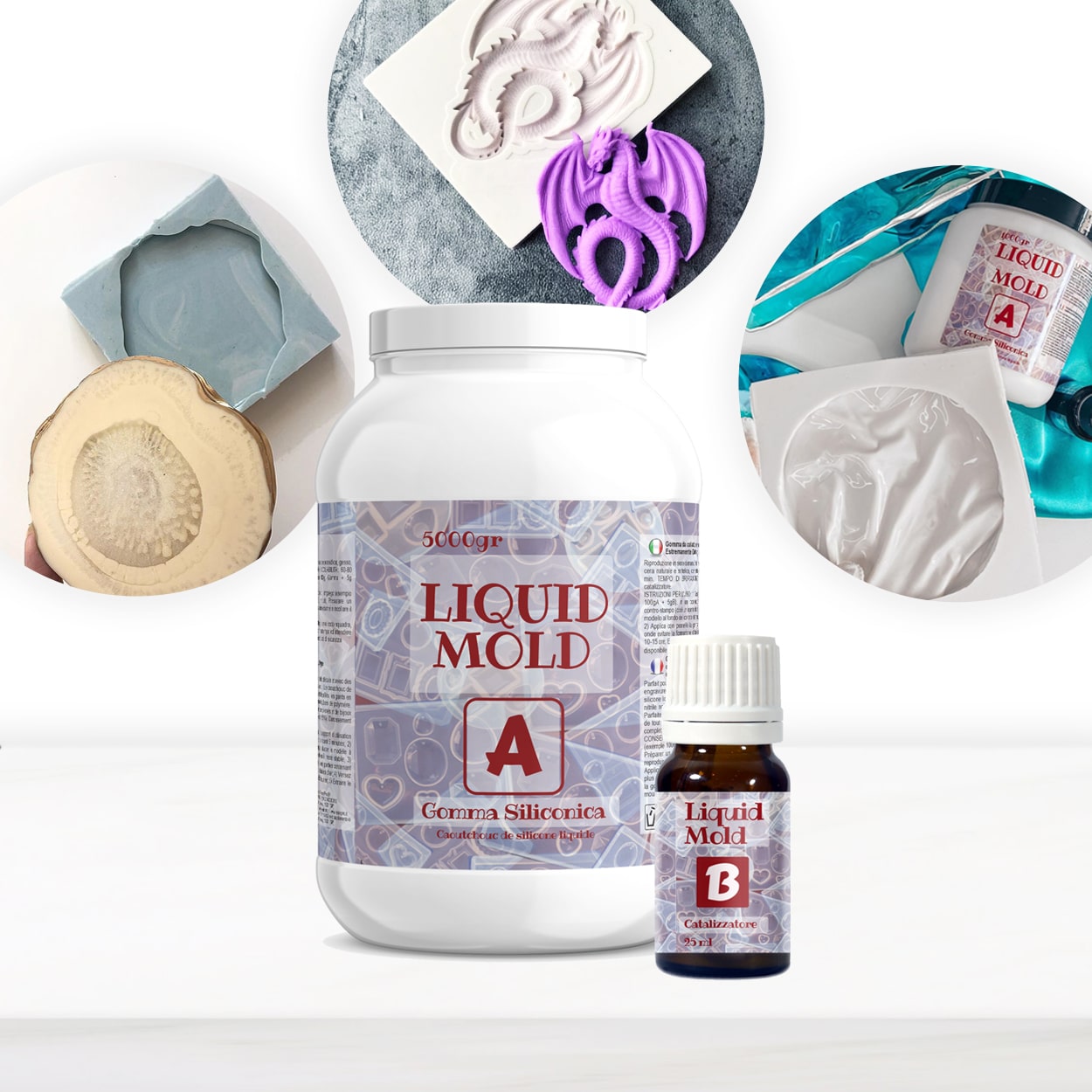
- If you’re making your own moulds, consider products like “Liquid Mould” – Casting Liquid Silicone Rubber or “Pure Mould” for best results.
When This Matters Most
Release agents are especially important for moulds with fine undercuts, reusable professional-grade moulds, or when you need a perfect surface finish on every eraser. Skipping the release step in these cases may result in sticking or damaged moulds over time.
Related products
Related guides
For reliable, detailed, and repeated eraser making, understanding when to use a release agent is essential. For more moulding guidance and step-by-step instructions, see our full guide on how to make an eraser using silicone.